

Q&A
Dara Massicot, Aaron David Miller, Andrew S. Weiss
{
  "authors": [
    "Aaron David Miller"
  ],
  "type": "legacyinthemedia",
  "centerAffiliationAll": "",
  "centers": [
    "Carnegie Endowment for International Peace"
  ],
  "collections": [],
  "englishNewsletterAll": "",
  "nonEnglishNewsletterAll": "",
  "primaryCenter": "Carnegie Endowment for International Peace",
  "programAffiliation": "",
  "programs": [],
  "projects": [],
  "regions": [
    "Middle East",
    "Israel"
  ],
  "topics": [
    "Political Reform"
  ]
}
Source: Getty
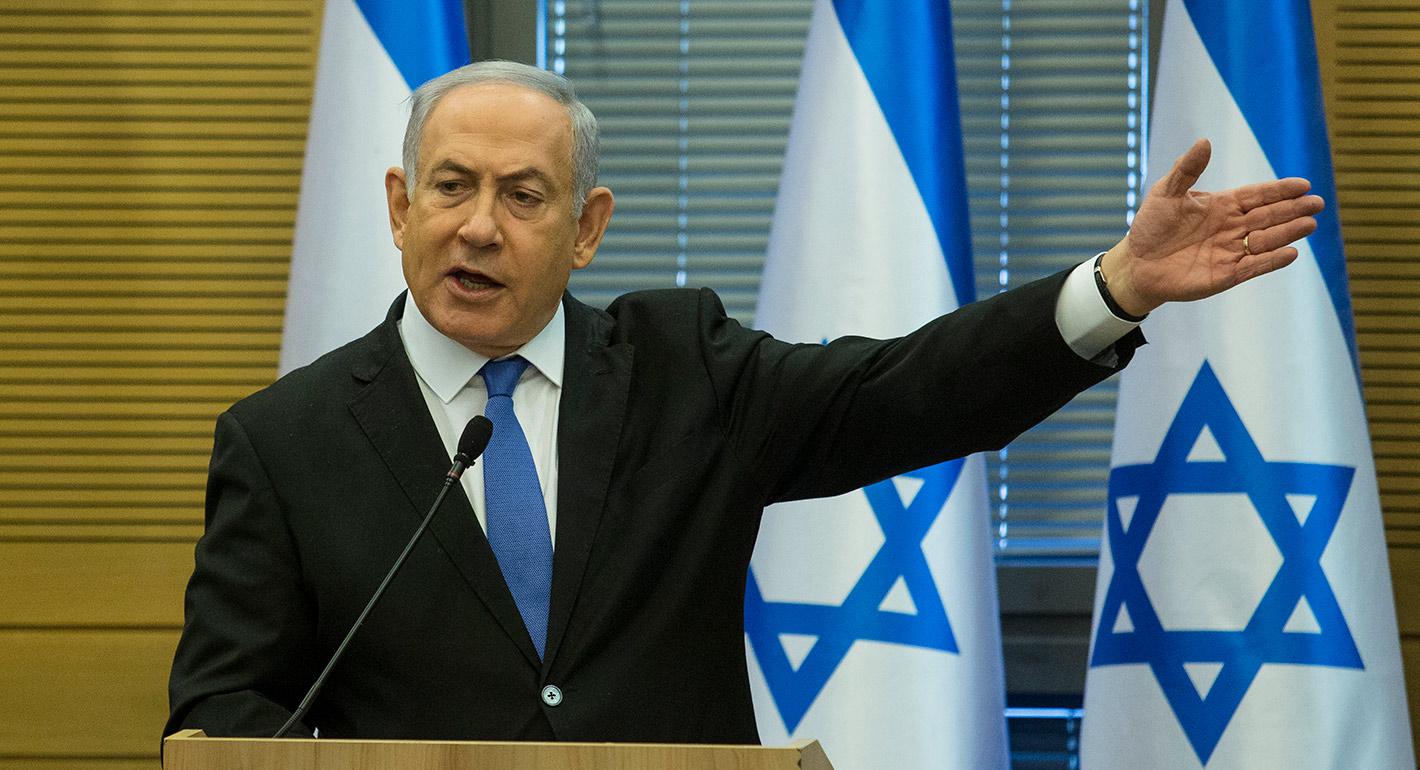
To move forward with annexation Netanyahu will need to persuade himself no matter how alluring and attractive the upsides that the downsides are manageable.
Source: TIME
To annex or not to annex, that is indeed the question
Like a modern day Hamlet, Benjamin Netanyahu is pondering his next most critical decision.
Already the longest governing Prime Minister in Israel’s history and on the verge of starting a fifth term, Netanyahu appears to have made his choice. He recently told a group of Christian evangelicals that he was “confident” he’d be able to annex large parts of the West Bank. Indeed, the terms of his coalition agreement with his rival turned partner Benny Gantz allow him as of July 1 to introduce proposals to do precisely that.
But will he? He’s been Prime Minister now for almost a decade and a half and his support for annexation—which not coincidentally reappeared in April 2019 shortly before the first Israeli elections—has remained largely rhetorical. Netanyahu is preternaturally accomplished as a politician; and in many respects as a Prime Minister, too. But when it comes to major decisions in peace or war, he is no bold leader like Menachem Begin, Yitzhak Rabin, or Ariel Sharon...

Senior Fellow, American Statecraft Program
Aaron David Miller is a senior fellow at the Carnegie Endowment for International Peace, focusing on U.S. foreign policy.
Recent Work


Dara Massicot, Aaron David Miller, Andrew S. Weiss



Sophia Besch, Eric Ciaramella, Steve Feldstein, …
Carnegie India does not take institutional positions on public policy issues; the views represented herein are those of the author(s) and do not necessarily reflect the views of Carnegie, its staff, or its trustees.

An Israeli response to Iran’s October 1 attack is imminent. The key question is of its intensity and potential fallout, both within Iran, in terms of nuclear security policy changes, and across the broader region. The coming days are likely to reshape West Asia irreversibly.

Gaddam Dharmendra

As India’s economy recovers from the coronavirus pandemic, Indian businesses need efficient financial structures to regain their ground. Key reforms to India’s Insolvency and Bankruptcy Code could fill these gaps.

Anirudh Burman

Access to cross-border data is an integral piece of the law enforcement puzzle. India is well placed to lead the discussions on international data agreements subject to undertaking necessary surveillance reforms.

Smriti Parsheera, Prateek Jha
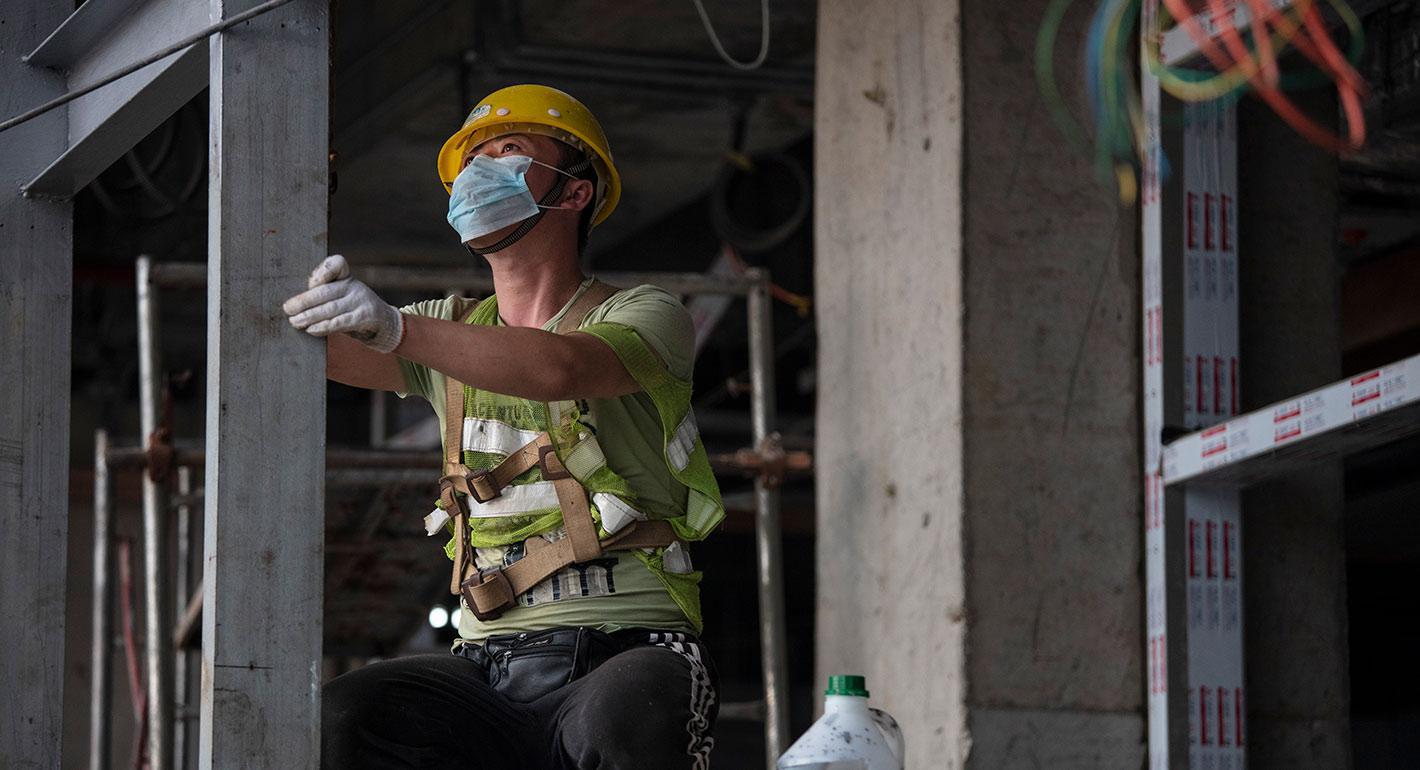
After the coronavirus pandemic wanes, how will China’s reorientation of the Belt and Road Initiative to address global health concerns influence its relationships with South Asian countries?

Deep Pal, Rahul Bhatia
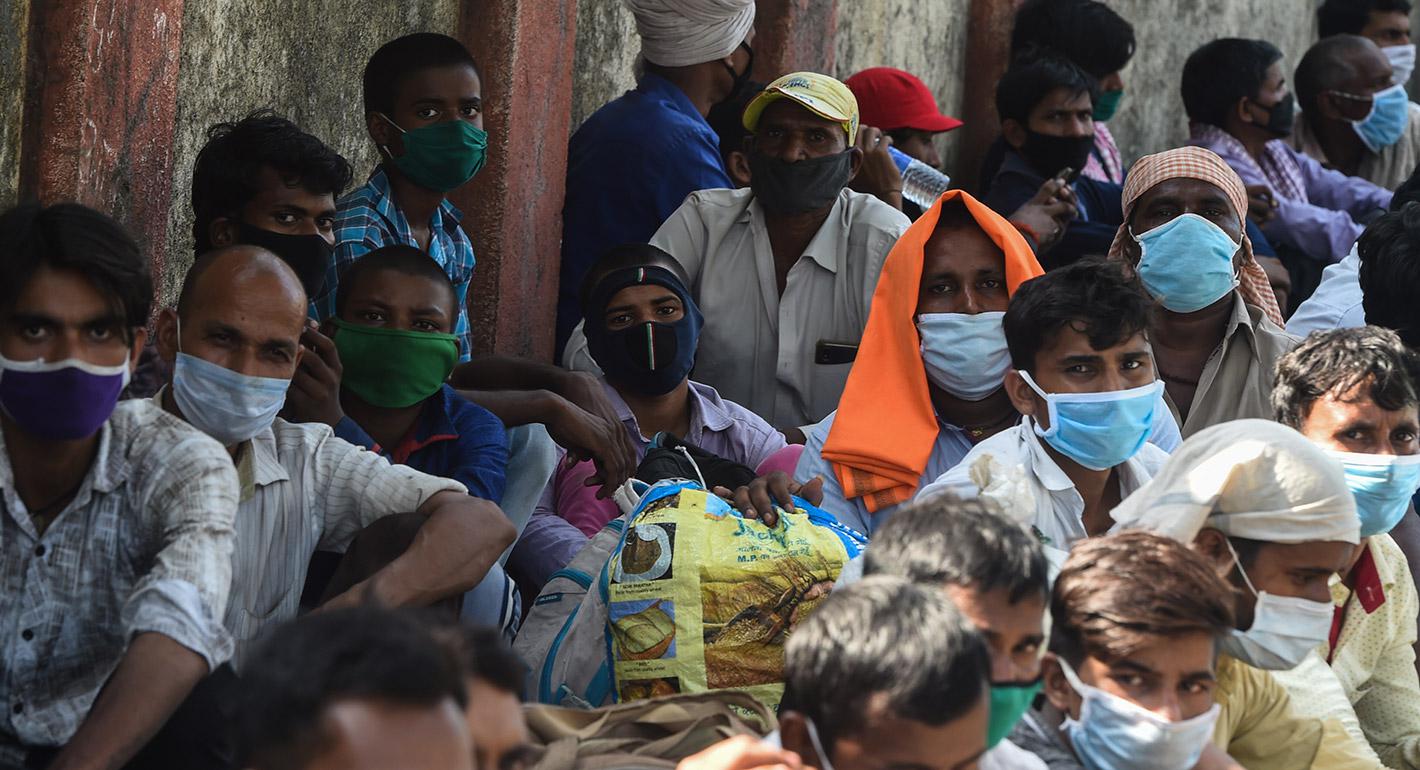
Early in the outbreak, government researchers forecast several high-risk scenarios that were downplayed or ignored in public messaging.
Gautam I. Menon