

Paper
George Perkovich
{
  "authors": [
    "George Perkovich"
  ],
  "type": "other",
  "centerAffiliationAll": "dc",
  "centers": [
    "Carnegie Endowment for International Peace"
  ],
  "collections": [
    "U.S. Nuclear Policy"
  ],
  "englishNewsletterAll": "ctw",
  "nonEnglishNewsletterAll": "",
  "primaryCenter": "Carnegie Endowment for International Peace",
  "programAffiliation": "NPP",
  "programs": [
    "Nuclear Policy"
  ],
  "projects": [],
  "regions": [
    "North America",
    "United States",
    "East Asia",
    "Japan"
  ],
  "topics": [
    "Nuclear Policy",
    "Arms Control"
  ]
}
Source: Getty
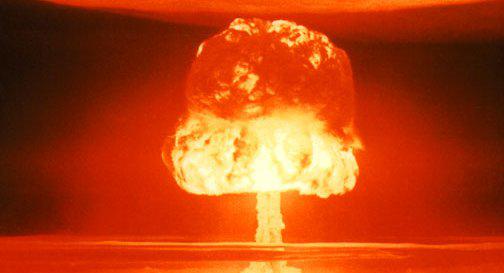
Seventy-five years ago, U.S. nuclear weapons devastated Hiroshima and Nagasaki. For individual human beings, 75 years signals nearness to the end of life. But for the nuclear age, does this anniversary mark the beginning, the middle, or the end?
Source: War On The Rocks
Seventy-five years ago, U.S. nuclear weapons devastated Hiroshima and Nagasaki. For individual human beings, 75 years signals nearness to the end of life. But for the nuclear age, does this anniversary mark the beginning, the middle, or the end?
There are two dramatic ways in which the nuclear age could end: annihilation or disarmament. If one ending is undesirable and the other unachievable, leaders should prolong life with nuclear weapons by making their use much less likely and reducing their destructiveness in case they are used. Clearer adherence to the law of armed conflict and greater understanding of the climatic effects of nuclear war would serve both purposes.
Annihilation could come through war involving arsenals that devastated not only the societies of the belligerent countries, but also the agricultural productivity and economic markets on which many other nations depend. Some nations would survive, and some could retain nuclear weapons or ambitions to acquire them, but for the purposes of marking epochs, we could say that the first nuclear age would have ended.
Nuclear disarmament is a much happier prospect. This is one reason that many in Japan and other countries advocate it and support the 2017 Treaty on the Prohibition of Nuclear Weapons. However, the treaty does not detail how nuclear disarmament would be defined, achieved over time, verified, and enforced. Nor have the nine nuclear-armed states done so, even though the Nuclear Non-Proliferation Treaty obligates the United States, Russia, the United Kingdom, France, and China “to pursue negotiations in good faith on effective measures” to end the nuclear arms race and achieve nuclear disarmament. (The Lawrence Livermore National Laboratory’s Center for Global Security Research just published a monograph by Toby Dalton and me that maps quandaries a disarmament regime would need to solve, “Thinking the Other Unthinkable: Disarmament in North Korea and Beyond.”)
This commentary was originally published by War On The Rocks.

Japan Chair for a World Without Nuclear Weapons, Senior Fellow
George Perkovich is the Japan Chair for a World Without Nuclear Weapons and a senior fellow in the Carnegie Endowment for International Peace’s Nuclear Policy Program. He works primarily on nuclear deterrence, nonproliferation, and disarmament issues.
Recent Work
George Perkovich
George Perkovich
Carnegie India does not take institutional positions on public policy issues; the views represented herein are those of the author(s) and do not necessarily reflect the views of Carnegie, its staff, or its trustees.

How is AI reshaping space security, creating governance challenges, and where does international diplomacy stand today?


Tejas Bharadwaj, Almudena Azcárate Ortega

The U.S.–India semiconductor cooperation story is well-stocked with top-level strategic intent. What remains unresolved, however, are some underlying challenges that will determine whether the cooperation actually functions. Three such friction points stand out.

Shruti Mittal
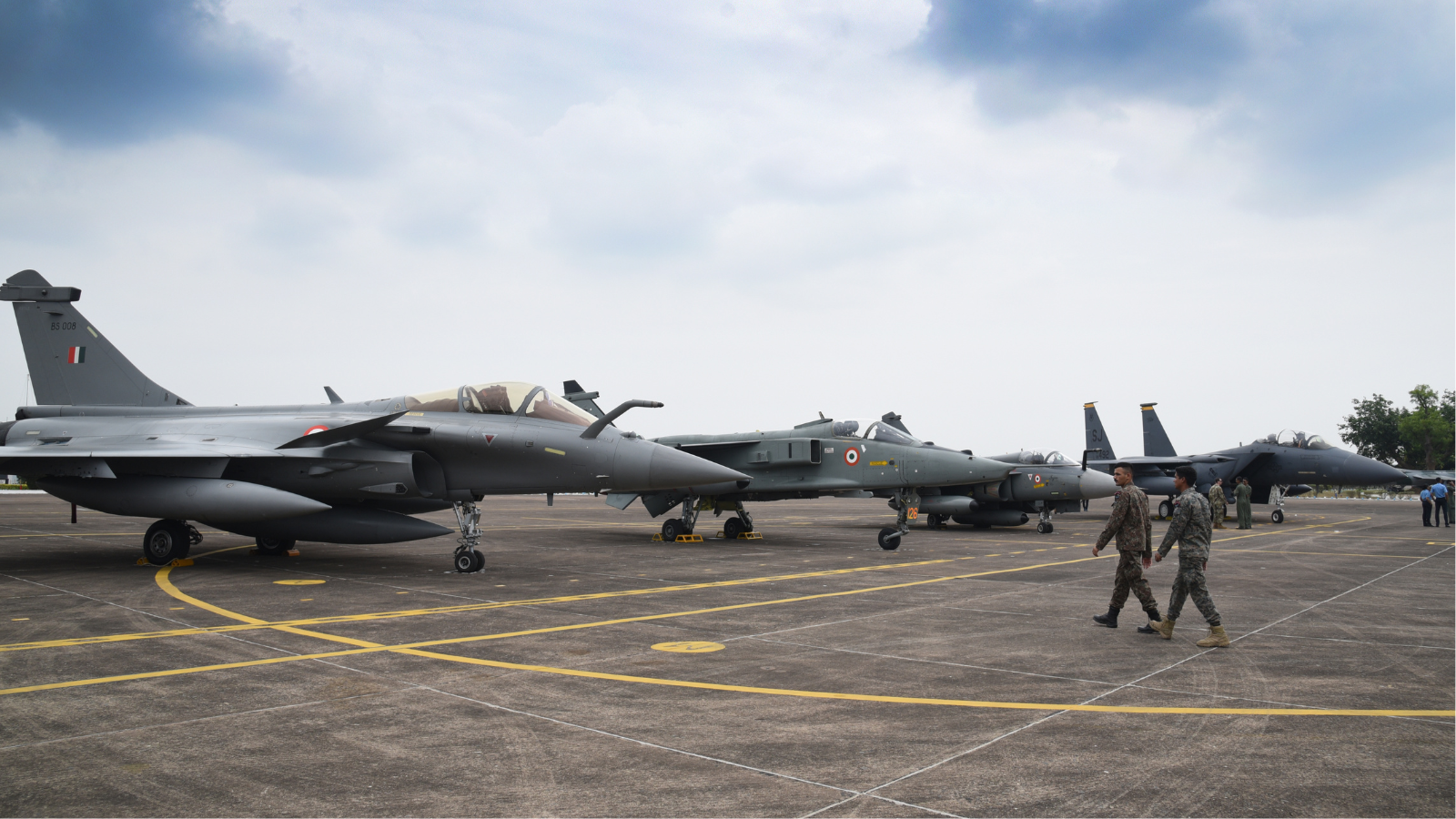
India and the United States are close to concluding a Reciprocal Defense Procurement Agreement (RDPA) that will allow firms from the two countries to sell to each other’s defense establishments more easily. While this may not remedy the specific grievances both sides may have regarding larger bilateral issues, an RDPA could restore some momentum, following the trade deal announcement.

Konark Bhandari

On the last day of the India AI Impact Summit, India signed Pax Silica, a U.S.-led declaration seemingly focused on semiconductors. While India’s accession to the same was not entirely unforeseen, becoming a signatory nation this quickly was not on the cards either.
Konark Bhandari

This piece examines India’s response to U.S. sanctions and tariffs, specifically assessing the immediate market consequences, such as alterations in import costs, and the broader strategic implications for India’s energy security and foreign policy orientation.

Vrinda Sahai