

Paper
Douglas H. Paal
{
  "authors": [
    "Douglas H. Paal"
  ],
  "type": "legacyinthemedia",
  "centerAffiliationAll": "dc",
  "centers": [
    "Carnegie Endowment for International Peace"
  ],
  "collections": [],
  "englishNewsletterAll": "asia",
  "nonEnglishNewsletterAll": "",
  "primaryCenter": "Carnegie Endowment for International Peace",
  "programAffiliation": "AP",
  "programs": [
    "Asia"
  ],
  "projects": [],
  "regions": [
    "North America",
    "United States",
    "East Asia",
    "Taiwan"
  ],
  "topics": [
    "Political Reform",
    "Foreign Policy"
  ]
}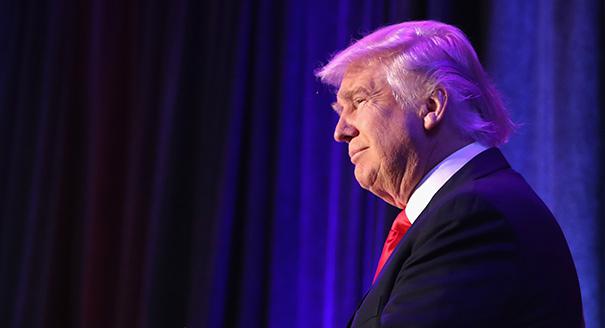
Source: Getty
It is having the side effect of appearing to dismantle the policy of ‘engagement’ with China of the previous seven US administrations and the way they treated Taiwan.
Source: National Interest
Since April, the administration of US President Donald Trump has been ratcheting up its rhetoric and actions regarding China. This strategy is intended to deflect blame for its mismanagement of the COVID-19 pandemic at home. It is having the side effect of appearing to dismantle the policy of ‘engagement’ with China of the previous seven US administrations and the way they treated Taiwan.
Trump sent Alex Azar, his Secretary of Health and Human Services, to visit Taiwan earlier this August. Azar is the first senior-level official of the Trump administration to do so, and the first since 2014 when the then head of the Environmental Protection Agency visited the island on behalf of then president Barack Obama.
This article was originally published the National Interest.
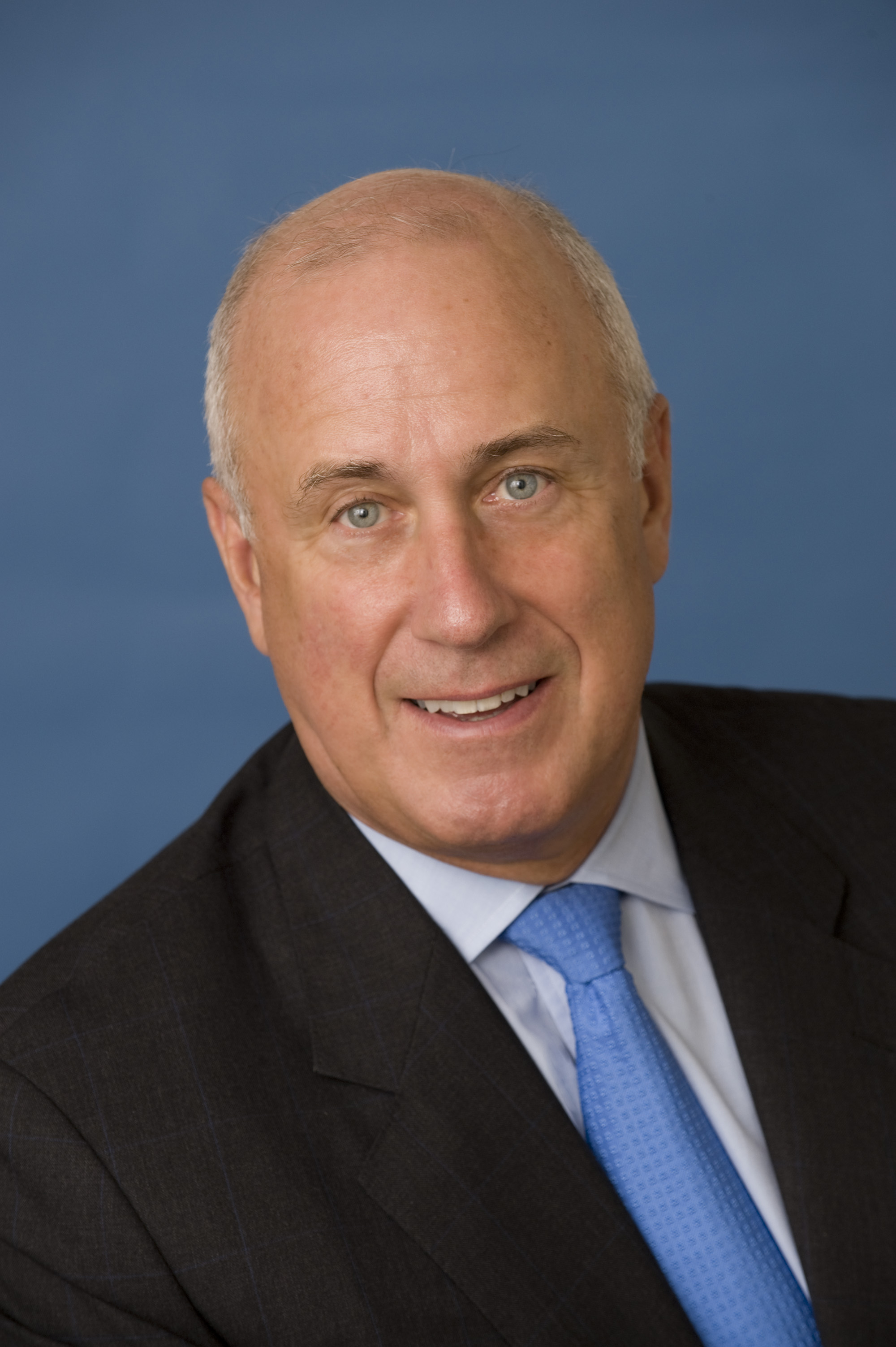
Distinguished Fellow, Asia Program
Paal previously served as vice chairman of JPMorgan Chase International and as unofficial U.S. representative to Taiwan as director of the American Institute in Taiwan.
Recent Work
Douglas H. Paal

Douglas H. Paal, Tong Zhao, Chen Qi, …
Carnegie India does not take institutional positions on public policy issues; the views represented herein are those of the author(s) and do not necessarily reflect the views of Carnegie, its staff, or its trustees.

This piece argues that India’s central challenge is not managing a single flashpoint but resolving the underlying tension between expansion and institutional coherency of the BRICS grouping.

Vrinda Sahai

A partnership between India, a country of subcontinental size, and Africa, a continent of fifty-four countries, may seem asymmetric until one notes that both are home to nearly the same number of people—1.4 billion. This essay spells out the existing challenges to the partnership, its optimal potential, and the possible pathways to realize it over the next quarter-century.

Rajiv Bhatia

The U.S.–India semiconductor cooperation story is well-stocked with top-level strategic intent. What remains unresolved, however, are some underlying challenges that will determine whether the cooperation actually functions. Three such friction points stand out.

Shruti Mittal

The India–EU Free Trade Agreement (FTA) is shaping up to be one of the most consequential trade negotiations, both economically and strategically. But, what’s in the agreement, what’s missing, and what will determine its success in the years ahead
Vrinda Sahai, Nicolas Köhler-Suzuki
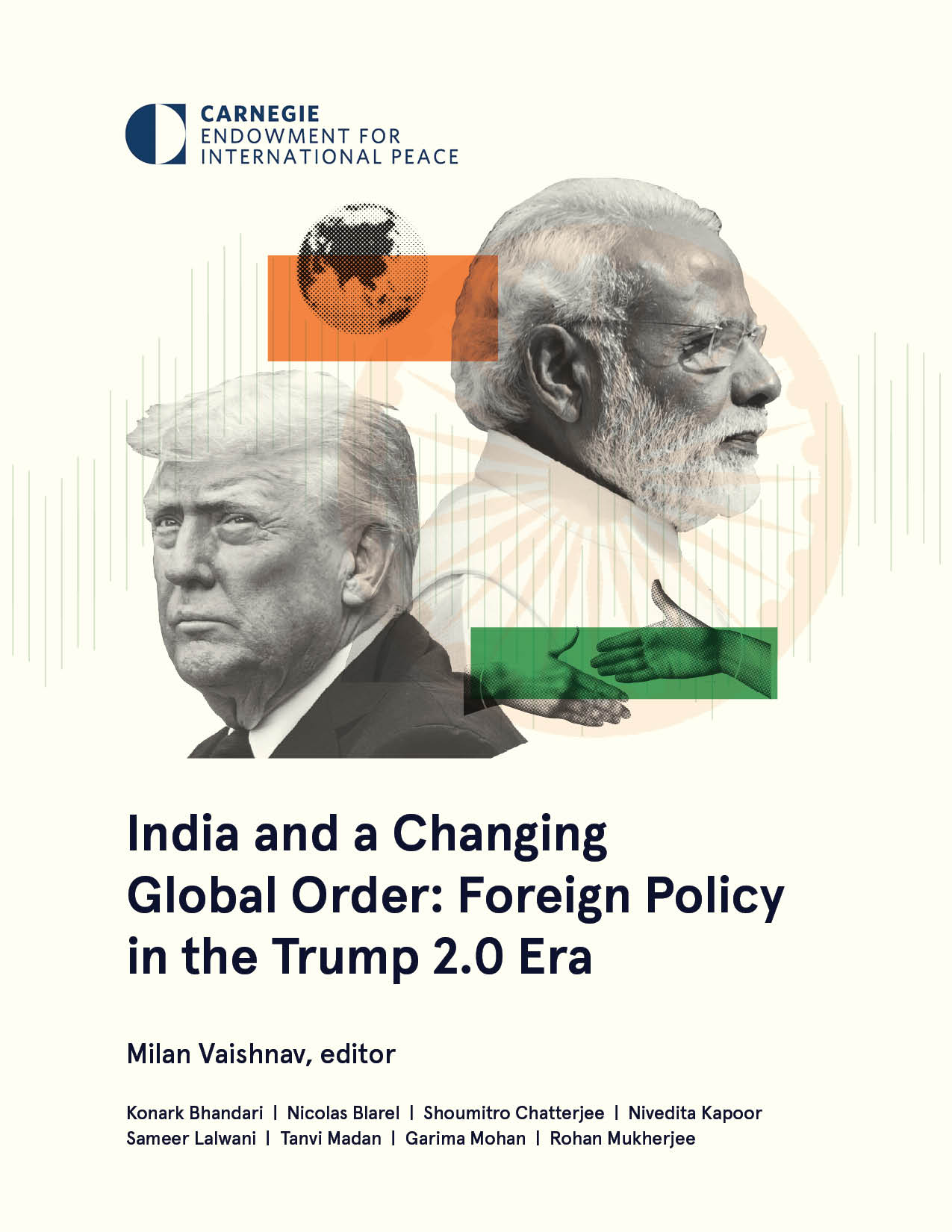
Trump 2.0 has unsettled India’s external environment—but has not overturned its foreign policy strategy, which continues to rely on diversification, hedging, and calibrated partnerships across a fractured order.


Milan Vaishnav, ed., Sameer Lalwani, Tanvi Madan, …