
• Research
  • About
  • Experts
Carnegie India logoCarnegie lettermark logo
AI
{
  "authors": [
    "Mariano-Florentino (Tino) Cuéllar",
    "Benjamin Larsen",
    "Yong Suk Lee",
    "Michael Webb"
  ],
  "type": "other",
  "centerAffiliationAll": "",
  "centers": [
    "Carnegie Endowment for International Peace"
  ],
  "collections": [
    "Artificial Intelligence"
  ],
  "englishNewsletterAll": "",
  "nonEnglishNewsletterAll": "",
  "primaryCenter": "Carnegie Endowment for International Peace",
  "programAffiliation": "",
  "programs": [],
  "projects": [],
  "regions": [],
  "topics": [
    "Technology"
  ]
}
REQUIRED IMAGE

REQUIRED IMAGE

Other

Does Information About AI Regulation Change Manager Evaluation of Ethical Concerns and Intent to Adopt AI?

An examination of the impacts of potential artificial intelligence (AI) regulations on managers’ perceptions on ethical issues related to AI and their intentions to adopt AI technologies.

Link Copied
By Mariano-Florentino (Tino) Cuéllar, Benjamin Larsen, Yong Suk Lee, Michael Webb
Published on Apr 23, 2022

Journal of Law, Economics, and Organization

About the Authors

Mariano-Florentino (Tino) Cuéllar

Distinguished Fellow

Mariano-Florentino (Tino) Cuéllar is a distinguished fellow at the Carnegie Endowment for International Peace. He was previously the tenth president of the Carnegie Endowment for International Peace. A former justice of the Supreme Court of California, he has served three U.S. presidential administrations at the White House and in federal agencies, and was the Stanley Morrison Professor at Stanford University, where he held appointments in law, political science, and international affairs and led the university’s Freeman Spogli Institute for International Studies.

Benjamin Larsen

Yong Suk Lee

Michael Webb

Authors

Mariano-Florentino (Tino) Cuéllar
Distinguished Fellow
Mariano-Florentino (Tino) Cuéllar
Benjamin Larsen
Yong Suk Lee
Michael Webb
Technology

Carnegie India does not take institutional positions on public policy issues; the views represented herein are those of the author(s) and do not necessarily reflect the views of Carnegie, its staff, or its trustees.

More Work from Carnegie India

  • Commentary
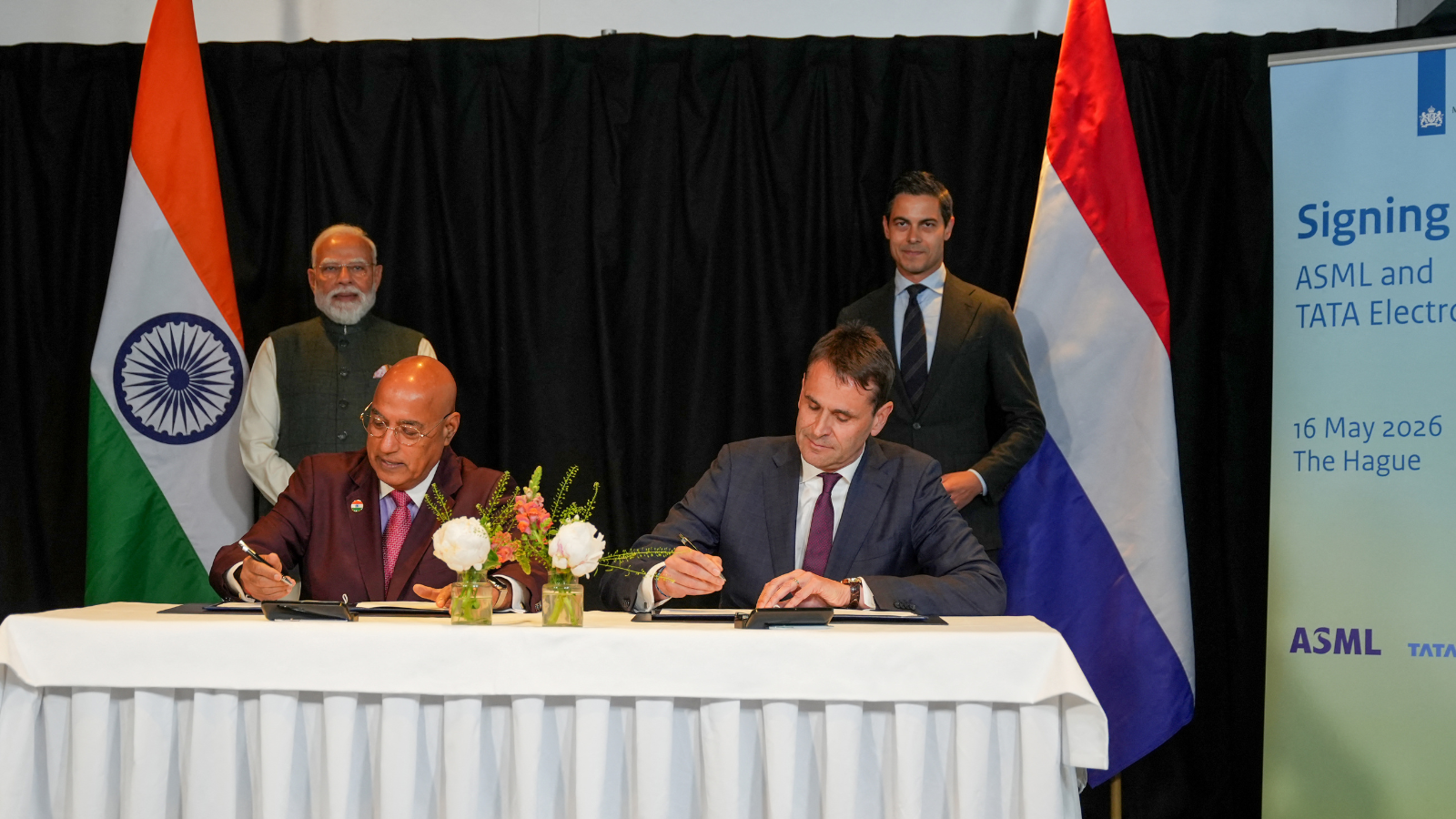
    India’s Semiconductor Ecosystem Is Maturing—and ASML Is Taking Notice

    The ASML MoU with Tata Electronics is an indicator of how far the Indian semiconductor ecosystem has come. This ecosystem has been years in the making and represents real commercial logic.

      Konark Bhandari

  • Paper
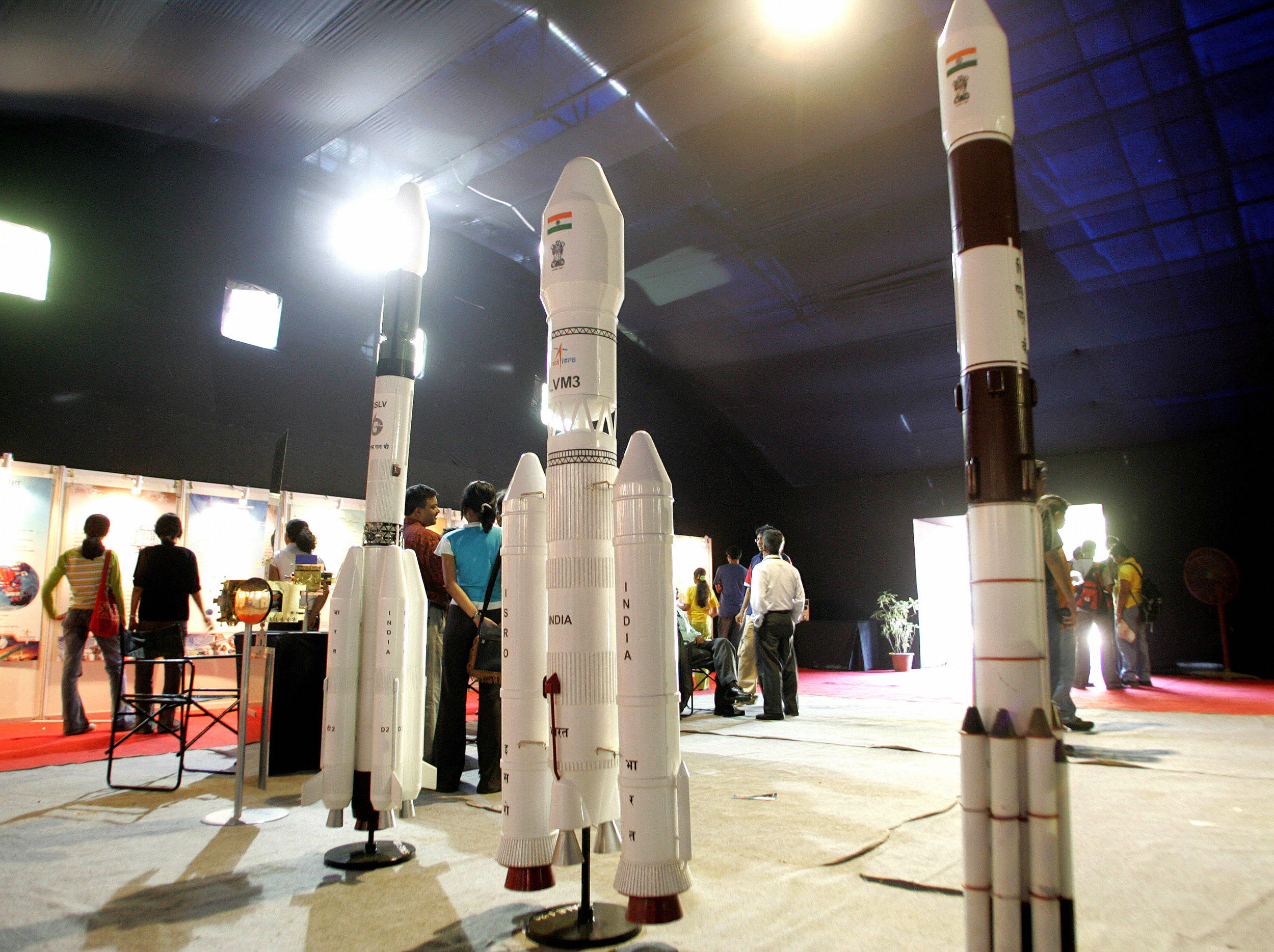
    A Review of India's 2023 Space Policy and Entrepreneurship Ecosystem

    This paper examines the relationship between India’s evolving space policy and the corresponding growth in private space ventures. It analyzes both the enabling factors created by recent regulatory changes and the persistent challenges facing entrepreneurs in this capital-intensive, highly regulated industry.

      Harshan Vazhakunnam

  • Commentary
    The Unresolved Challenges in U.S.–India Semiconductor Cooperation

    The U.S.–India semiconductor cooperation story is well-stocked with top-level strategic intent. What remains unresolved, however, are some underlying challenges that will determine whether the cooperation actually functions. Three such friction points stand out.

      Shruti Mittal

  • Article
    Outlooks on Open-Source Innovation at the India AI Impact Summit 2026

    Drawing on ten public discussions from the India AI Impact Summit 2026, this article highlights key outlooks on open source in AI that are likely to shape policy and governance conversations going forward.

      Shruti Mittal

  • Research
    For People, Planet, and Progress: Perspectives from India's AI Impact Summit

    This collection of essays by scholars from Carnegie India’s Technology and Society program traces the evolution of the AI summit series and examines India’s framing around the three sutras of people, planet, and progress. Scholars have catalogued and assessed the concrete deliverables that emerged and assessed what the precedent of a Global South country hosting means for the future of the multilateral conversation.

      • +3

      Nidhi Singh, Tejas Bharadwaj, Shruti Mittal, …

Get more news and analysis from
Carnegie India
Carnegie India logo, white
Unit C-4, 5, 6, EdenparkShaheed Jeet Singh MargNew Delhi – 110016, IndiaPhone: 011-40078687
  • Research
  • About
  • Experts
  • Projects
  • Events
  • Contact
  • Careers
  • Privacy
  • For Media
Get more news and analysis from
Carnegie India
© 2026 Carnegie Endowment for International Peace. All rights reserved.