

Article
This piece argues that India’s central challenge is not managing a single flashpoint but resolving the underlying tension between expansion and institutional coherency of the BRICS grouping.
Vrinda Sahai
{
  "authors": [],
  "type": "scholarSpotlight",
  "centerAffiliationAll": "dc",
  "centers": [
    "Carnegie Endowment for International Peace"
  ],
  "collections": [],
  "englishNewsletterAll": "asia",
  "nonEnglishNewsletterAll": "",
  "primaryCenter": "Carnegie Endowment for International Peace",
  "programAffiliation": "AP",
  "programs": [
    "Asia"
  ],
  "projects": [],
  "regions": [
    "East Asia",
    "China",
    "Southeast Asia"
  ],
  "topics": [
    "Economy",
    "Security"
  ]
}
Source: Getty
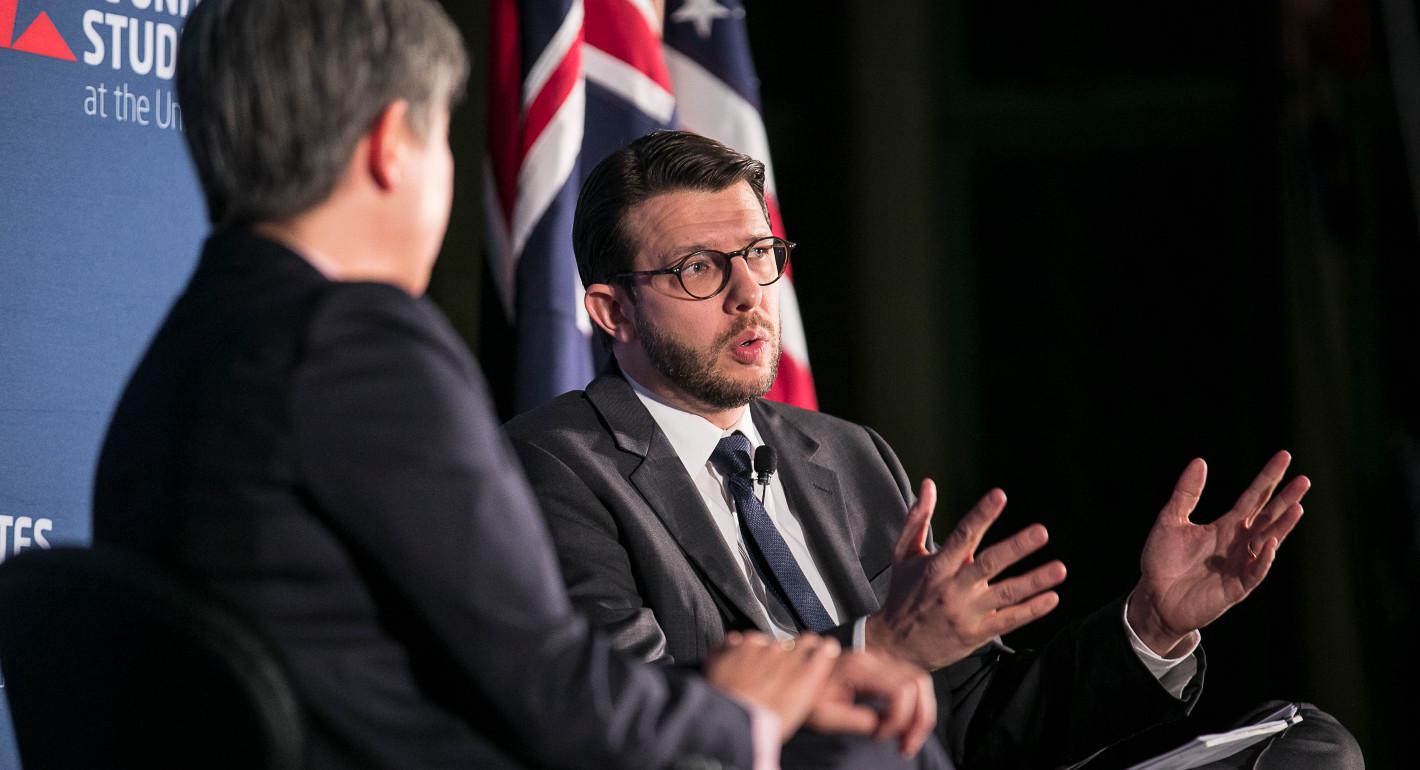
As the list of Indo-Pacific security issues that require independent analysis and policy-oriented research grows, I’m excited to join my colleagues at Carnegie to explore these critical issues.
I join Carnegie at a time of deep apprehension about the Indo-Pacific’s deteriorating strategic environment. China’s efforts to displace the United States and establish its own sphere of influence in the region are rapidly intensifying—driven by its military and economic heft, expansive foreign policy agenda, and aggressive use of gray-zone coercion. While successive U.S. administrations have recognized the gravity of this challenge to America’s strategic position, Washington is still struggling to prioritize the Indo-Pacific, improve its defense posture in the region, and compete effectively with China for influence. Anxious to safeguard their security and prosperity, Indo-Pacific countries are variously balancing, hedging, and forging new alignments in what’s becoming an increasingly contested multipolar order.
These dynamics—and what we should do about them—have been the focus of my career in think tanks, academia, and consulting. As an Australian, I approach them from a regional perspective that stresses the inherent connections between defense policy, diplomacy, and statecraft. This outlook is essential if the United States and its regional allies and partners are to advance a more successful Indo-Pacific strategy—one that places equal stock on upholding the balance of power and the balance of influence; on strengthening deterrence and shaping the strategic environment; on modernizing America’s alliance network and deepening ties with nonaligned security partners; and on preparing for the possibility of a Chinese military threat this decade as well as a more technologically advanced one in the 2030s and beyond. All of this requires an urgent effort to close the gap between our strategic objectives for the region and our inadequate investment of resources, attention, and policy creativity.
I’ve worked on these challenges for more than a decade and have been recently buoyed by some signs of progress. As inaugural director of foreign policy and defense at the United States Studies Centre, a leading Australian think tank, I established a research team to examine the trajectory of America’s regional strategy, alliances and partnerships, and wider strategic trends in the Indo-Pacific. Our work highlighted the need for a collective regional strategy in which key U.S. allies and partners—such as Australia, Japan, India, and certain Southeast Asian countries—play a larger role in upholding a stable Indo-Pacific order, including by offsetting growing shortfalls in American power and focus. This agenda is now taking shape, albeit too slowly, in some of the ways we envisaged—a reinvigorated Quad, a proliferation of minilateral security initiatives, a more active security outlook in Australia and Japan, a renewed push for defense industrial integration through the AUKUS arrangement, a refocus on the strategic importance of Southeast Asia, and an expanded effort by Washington to empower allies and partners to be more capable security actors in their own rights.
But much remains to be done to foster a collective Indo-Pacific strategy and prepare policymakers to navigate the region’s increasingly complex security landscape. This will be the focus of my work at Carnegie, where I’m honored to build a new portfolio on Indo-Pacific security within its world-class Asia Program. From the sustainability of conventional deterrence and the evolution of regional alliances and partnerships to the challenges of managing multipolar and multidomain strategic competition, the list of Indo-Pacific security issues that require independent analysis and policy-oriented research continues to grow. I’m excited to join my colleagues at Carnegie to explore these and other critical issues that will shape the future of peace and stability in the region.
Carnegie India does not take institutional positions on public policy issues; the views represented herein are those of the author(s) and do not necessarily reflect the views of Carnegie, its staff, or its trustees.

This piece argues that India’s central challenge is not managing a single flashpoint but resolving the underlying tension between expansion and institutional coherency of the BRICS grouping.

Vrinda Sahai

On March 10, 2026, India’s Union Cabinet approved amendments to Press Note 3, a regulation that mandated government approval on all foreign direct investment (FDI) from countries sharing a land border with India. This amendment raises questions primarily about whether its stated benefits will materialize and if the risks have been adequately weighed. This piece will address the same.

Konark Bhandari

This piece argues that the present Indian strategy, based on opportunistic diversification and utilization of limited strategic reserves, remains inadequate when confronting supply disruptions. It evaluates India’s options in the short, medium, and long terms.
Vrinda Sahai

This piece examines India’s response to U.S. sanctions and tariffs, specifically assessing the immediate market consequences, such as alterations in import costs, and the broader strategic implications for India’s energy security and foreign policy orientation.
Vrinda Sahai
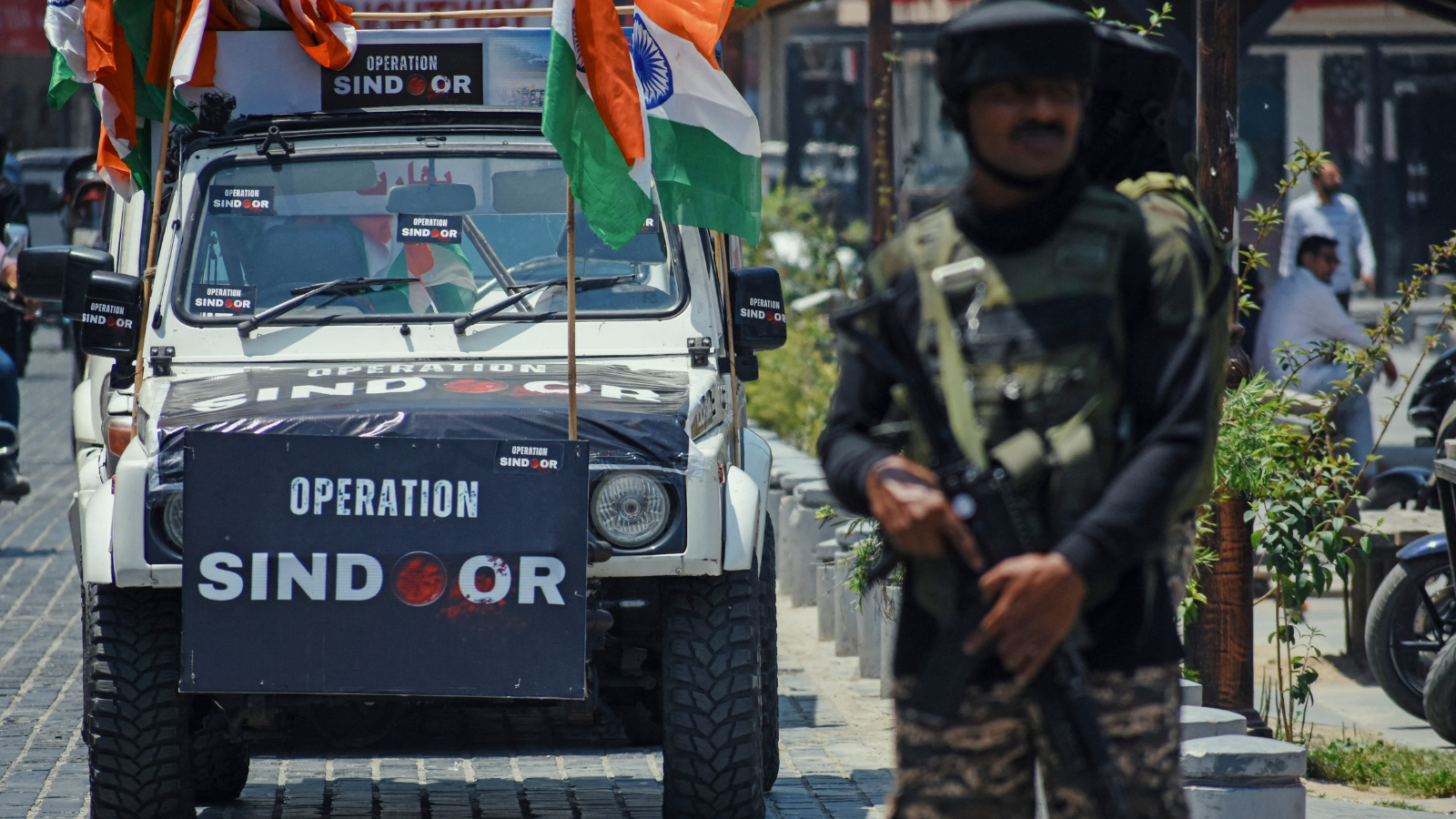
The India-Pakistan conflict that played out between May 6 and May 10, 2025, offers several military lessons. This article presents key takeaways from Operation Sindoor and breaks down how India’s preparations shaped the outcome and what more is needed to strengthen future readiness.

Dinakar Peri