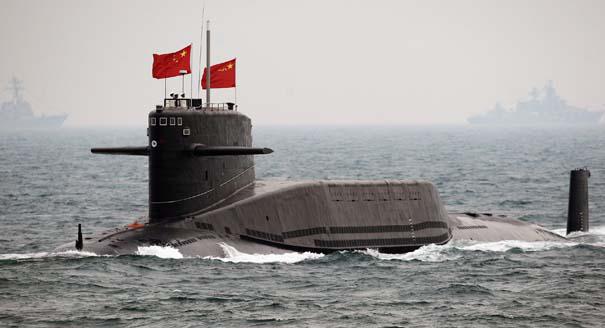
Maritime security is a critical issue for Southeast Asia. While its geopolitical underpinnings cannot be underestimated, the topic extends beyond the narrow parameters of the South China Sea and the competing claims of Southeast Asian states.
The Philippines holds a unique position within the context of maritime security. It is the only claimant state in the region to lodge and win an arbitration case against China. None of the other claimants have gone so far as to lodge a case against a great power at the Permanent Court of Arbitration. It also has a longstanding alliance with the United States, which significantly impacts its bilateral relationship with China. And in the face of increasing tensions between Washington and Beijing, Manila may become an important factor—and actor—in calculations about a possible Taiwan contingency. For these reasons, it is imperative to examine maritime security from the perspective of a small country like the Philippines.
Through my work with Carnegie China, I aim to analyze how small powers navigate great power politics in the maritime domain. I will focus on four avenues of examination: South China Sea geopolitics, food security, environmental security, and the potential for multilateral coordination.
First, the Philippines’ geopolitical choices are influenced by its commitments under international law, such as the United Nations Convention on the Law of the Sea and the Mutual Defense Treaty with the United States. At times, the Philippines has shown varying degrees of alignment and misalignment with other areas of the United States’ foreign policy. Domestic variables often act as hurdles to and harbingers of the Philippines’ ability to exercise an independent foreign policy.
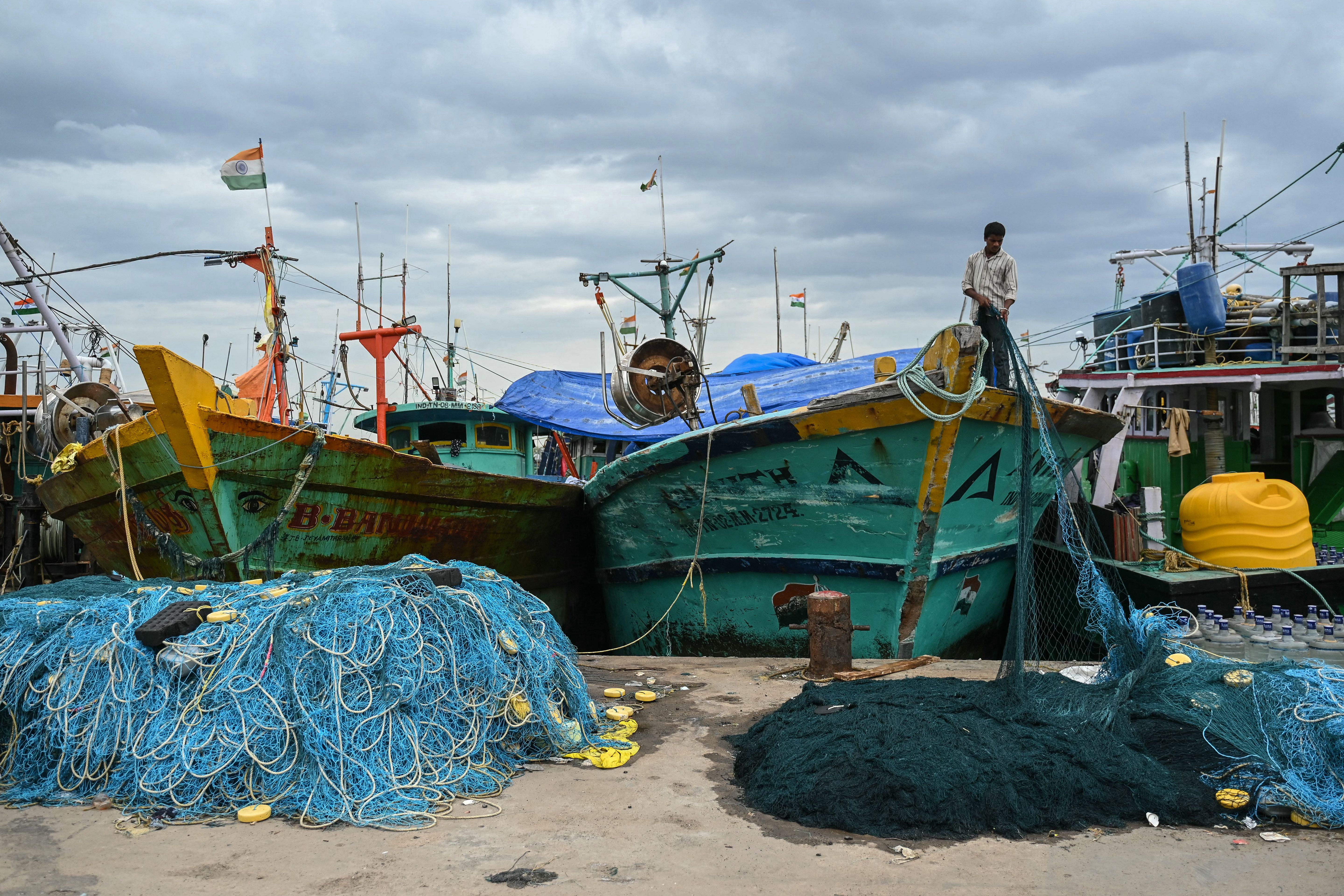
Second, maritime security is also about food security. China’s occupation of Scarborough Shoal translated to a decrease in fish stocks for Filipino fisherfolk, which increased illegal fishing. Of particular interest in the Philippines’ maritime law enforcement is the creation of numerous agencies with overlapping mandates and areas of operation. At the most local level is the Bantay Dagat (Sea Patrol), composed of volunteers from coastal villages who patrol within 15 kilometers of the shore. Limited resources constrain the Bantay Dagat from effective collaboration with government agencies such as the Philippine National Police Maritime Group and the Philippine Coast Guard. I plan to study how China’s occupation of features in the West Philippine Sea has impacted fisheries as well as the Philippines’ considerations in creating an overarching strategic policy framework on maritime security.
Maritime security is also an environmental issue, particularly regarding resource management. Scientific evidence on biodiversity in the entire South China Sea shows that spatial and temporal horizons are crucial in protecting the richness of the marine ecosystems. The science is solid, but what are the social costs of, for example, establishing marine-protected areas? How well-placed are local communities to carry out projects like coral reef restoration and conservation? Through my research at Carnegie China, I seek to examine maritime security from an environmental perspective, which entails identifying whether existing capacity-building measures implemented in other areas can be replicated in the South China Sea.
Finally, maritime security can be fulfilled only when there is regional cooperation. By bringing together the dimensions of geopolitics, fisheries, and the environment, I aim to identify policy recommendations for the Philippines. These recommendations can help forge collaborative efforts within the framework of the Association of Southeast Asian Nations, especially in light of the impasse in the China-ASEAN Code of Conduct negotiations. Particular emphasis should be paid to the critical role of minilateral arrangements that balance the sovereignty and human elements of maritime security.