

Commentary
The induction of INS Aridhaman, which features several technological enhancements, now gives India the third nuclear ballistic missile submarine to ensure continuous at-sea deterrent.
Dinakar Peri

REQUIRED IMAGE
Source: Carnegie
Summary
The Bush Administration's Nuclear Posture Review, leaked earlier this year, advocates new nuclear weapons designed to destroy underground bunkers and neutralize caches of chemical and biological weapons. A new approach to developing non-nuclear weapons for attacking underground bunkers and chemical and biological weapons is urgently needed. Research currently is too focused on weapons systems to the neglect of intelligence assets, and non-nuclear weapons are not being sufficiently explored. This new working paper compares the potential of new nuclear weapons with that of innovative non-nuclear weapons, demonstrating that proponents of tactical nuclear weapons have consistently overestimated their destructive potential while underestimating the battlefield problems they would pose. The report's comprehensive review of non-nuclear technologies will be of immense assistance to anyone addressing weapons that might be used in a war with Iraq.
Click on link above for full text of this Carnegie Paper.
About the Author
Michael A. Levi is Director of the Strategic Security Project at the Federation of American Scientists. His current research focuses on nuclear weapons development and on nuclear terrorism. He is a doctoral candidate in physics at Princeton University.
Also published by Carnegie, Deadly Arsenals: Tracking Weapons of Mass Destruction provides the most comprehensive assessment available on WMD, and charts the spread of nuclear, chemical, and biological weapons and missile delivery systems. Click here to read an excerpt.
For more information on weapons of mass destruction, visit the Carnegie Endowment's Non-Proliferation Project page.
A limited number of print copies are available of this report.
Request a copy.
Michael A. Levi
Carnegie India does not take institutional positions on public policy issues; the views represented herein are those of the author(s) and do not necessarily reflect the views of Carnegie, its staff, or its trustees.
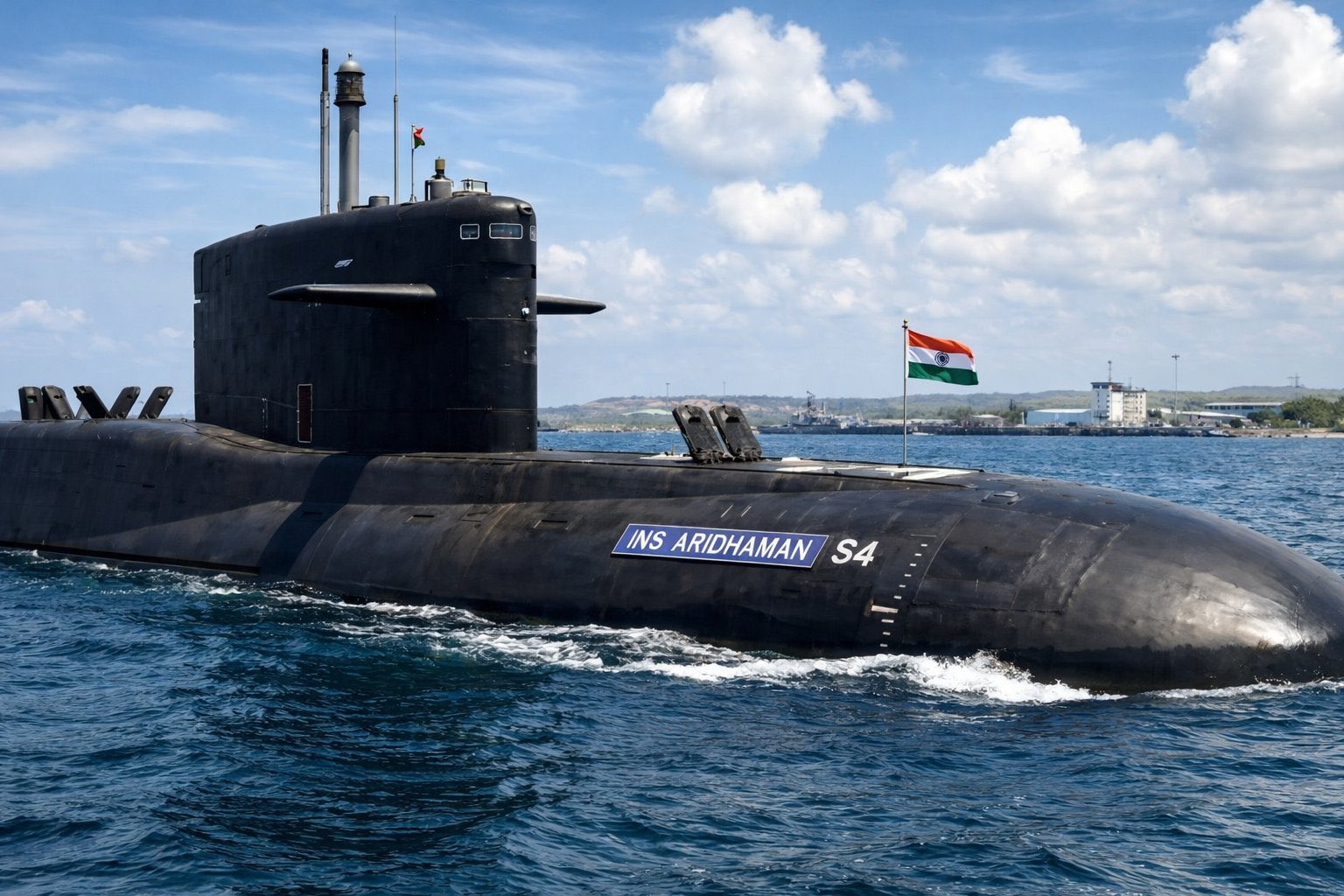
The induction of INS Aridhaman, which features several technological enhancements, now gives India the third nuclear ballistic missile submarine to ensure continuous at-sea deterrent.

Dinakar Peri

This compendium provides an independent look at how to get the most out of India’s current technology ecosystem, and the measures that may need to be adopted or re-considered in order to build a lasting and enduring framework for policy changes in the select areas under the current administration.



Konark Bhandari, Ajay Kumar, Amlan Mohanty, …
In August 2024, the U.S. Department of Defense (DoD) entered into a Security of Supply Arrangement (SOSA) with the Indian Ministry of Defence (MoD). This commentary attempts to highlight the issues that arise in the wake of the arrangement.
Konark Bhandari
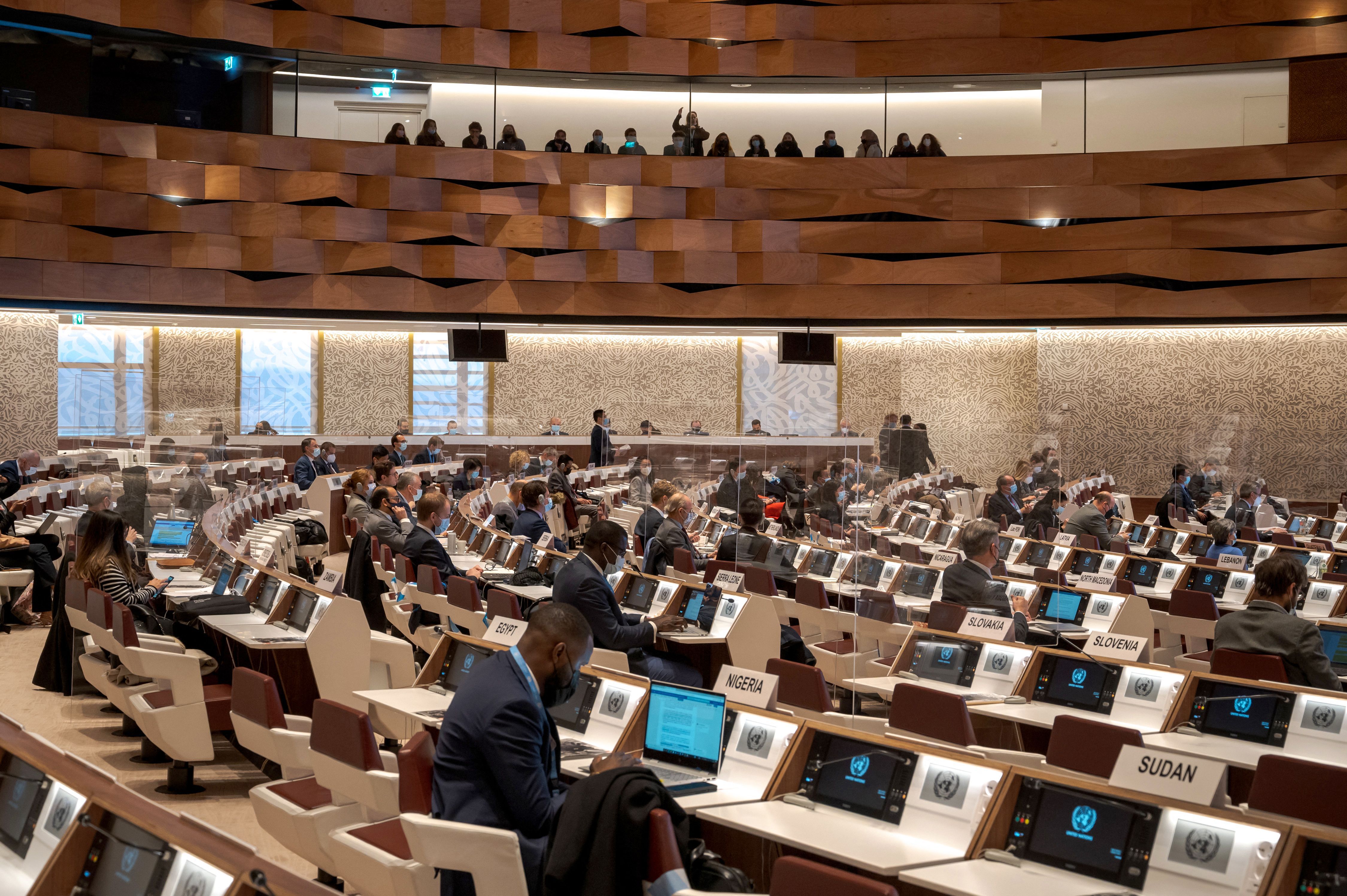
This article explores the global debate on lethal autonomous weapons systems (LAWS), highlighting the convergences, complexities, and differences within and beyond the UN Group of Governmental Experts (GGE) on LAWS. It further examines India’s key position at the GGE and the probable reasons behind them.


Charukeshi Bhatt, Tejas Bharadwaj
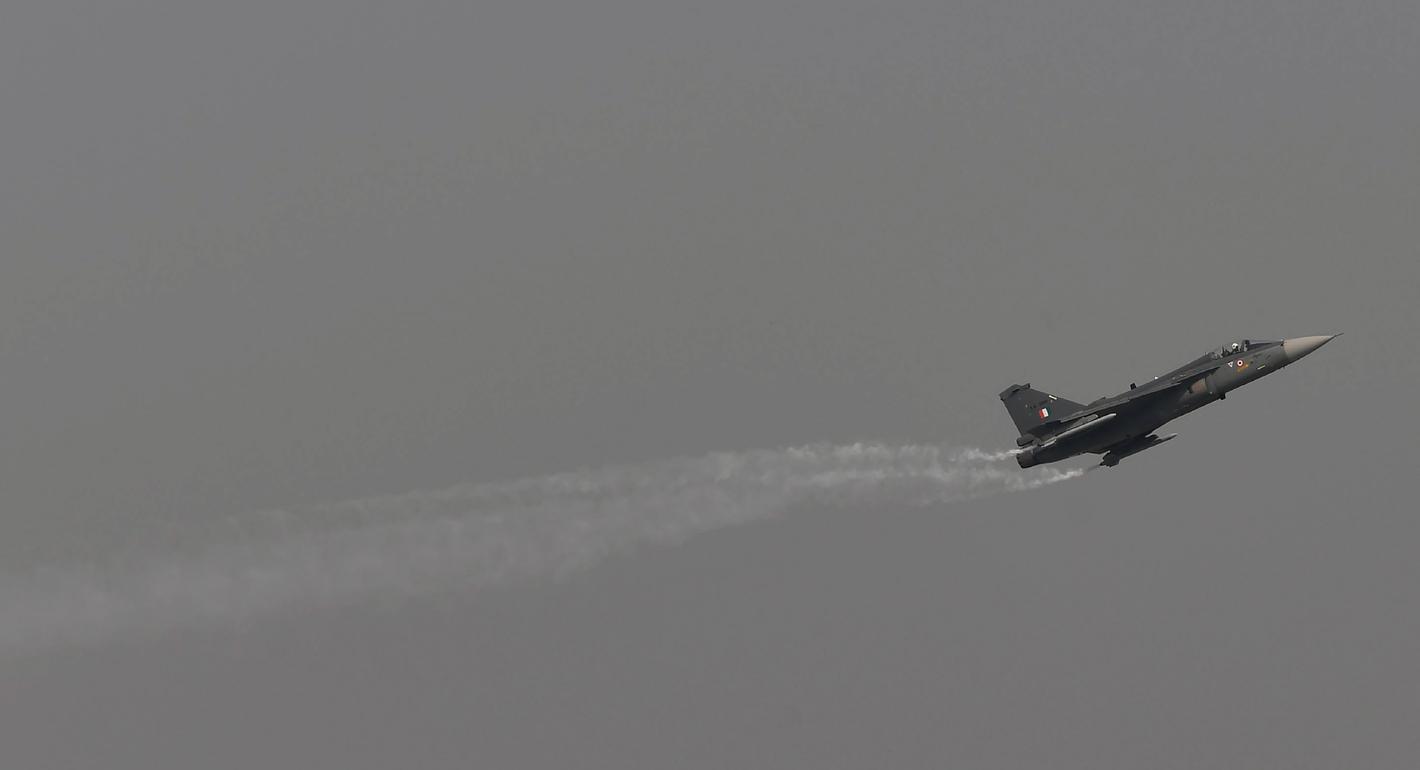
With India lacking the depth of research and design expertise required to build state-of-the-art stealth aircraft, the country needs to prioritize improving on its indigenous fighter, the Tejas.

Rahul Bhatia