

Commentary
Sufyan Alissa

REQUIRED IMAGE
Previous attempts at economic reform have not alleviated the economic problems of Arab countries, failing to dismantle state-dominated economies with high restrictions on private investments.
Source: Carnegie Endowment
A new study by the Carnegie Endowment finds that previous attempts at economic reform have not alleviated the economic problems of Arab countries, failing to dismantle state-dominated economies with high restrictions on private investments. Arab countries represent only 4 percent of world trade and have the highest unemployment rate in the world at 12.2 percent. The per capita GDP in these nations has fallen in recent decades and public debt has hit a critical level in several countries.
In this Carnegie Paper from Carnegie’s Middle East Center, The Challenge of Economic Reform in the Arab World, Sufyan Alissa examines the major factors responsible for hindering meaningful economic reform in the Arab world. Governments and established elites have little incentive to create reforms that could threaten their economic and political interests. Furthermore, governments and institutions in the Arab world have limited capacity to plan, implement and manage reform programs, and have little agreement on what true reform would entail
Alissa argues that, in economic terms, there are two types of states in the Middle East and North Africa—those that are highly dependent on oil, and those that depend on foreign aid, international loans, and remittances from expatriate workers. Both have used these highly volatile revenue sources to temporarily alleviate economic pressures, preserve dominant elite privileges, and buy loyalty to the state—all at the cost of sustainable, long-term reform.
In order to achieve genuine reform, governments must move beyond economies dominated by the public sector and support economic models driven by the private sector as the main source of growth and income.
“A consensus is forming among international financial institutions, economics and aid practitioners that lack of progress in improving governance lies at the very heart of most of the challenges currently impeding economic transformation in the Arab world,” says Alissa.
Click on icon above for the full text of this Carnegie Paper.
A limited number of print copies of this Carnegie Paper are available.
Request a copy
About the Author
Sufyan Alissa is an associate at the Carnegie Endowment’s Middle East Center. An economist and specialist on Palestinian and Middle Eastern affairs, he previously served at Nuffield College–University of Oxford, the School of Oriental and African Studies–University of London, City University in London, and Bethlehem University–West Bank.
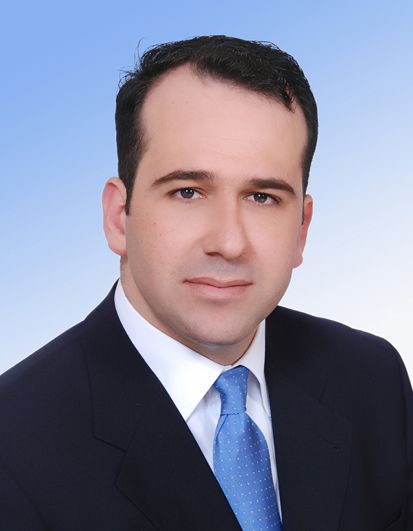
Former Associate, Middle East Center
Recent Work
Sufyan Alissa

On March 10, 2026, India’s Union Cabinet approved amendments to Press Note 3, a regulation that mandated government approval on all foreign direct investment (FDI) from countries sharing a land border with India. This amendment raises questions primarily about whether its stated benefits will materialize and if the risks have been adequately weighed. This piece will address the same.

Konark Bhandari

This piece examines India’s response to U.S. sanctions and tariffs, specifically assessing the immediate market consequences, such as alterations in import costs, and the broader strategic implications for India’s energy security and foreign policy orientation.

Vrinda Sahai

This paper examines the evolution of India-China economic ties from 2005 to 2025. It explores the impact of global events, bilateral political ties, and domestic policies on distinct spheres of the economic relationship.

Santosh Pai
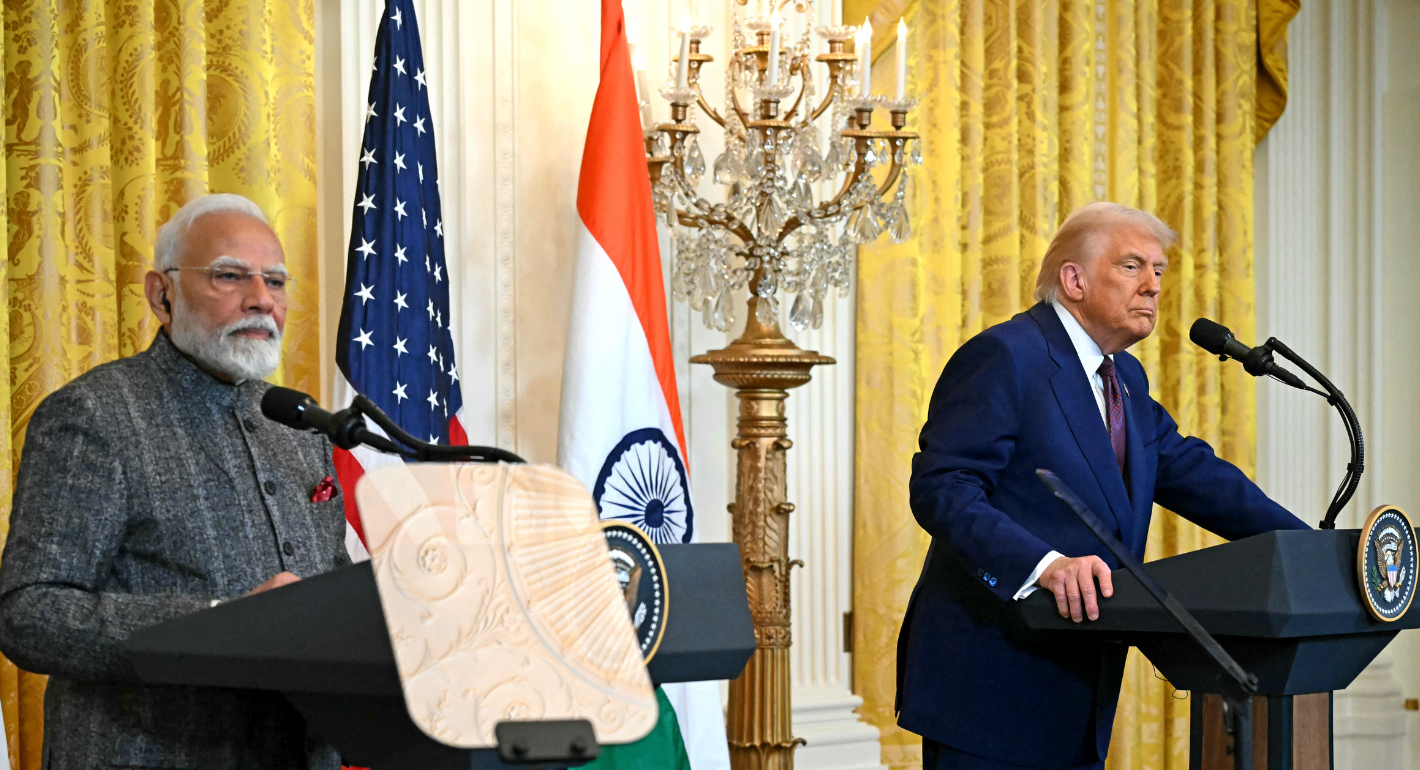
The India-U.S. relationship currently appears buffeted between three “Ts”—TRUST, Tariffs, and Trump.
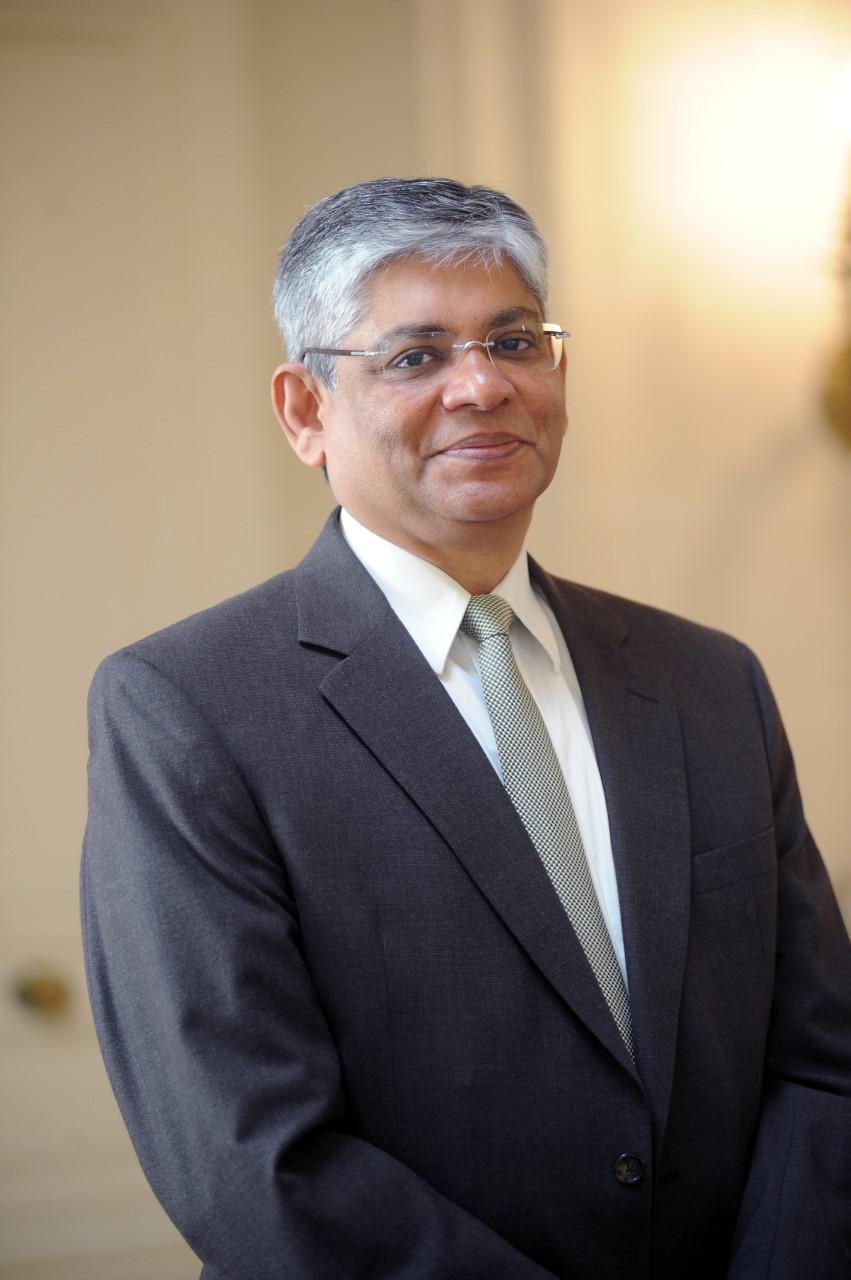
Arun K. Singh
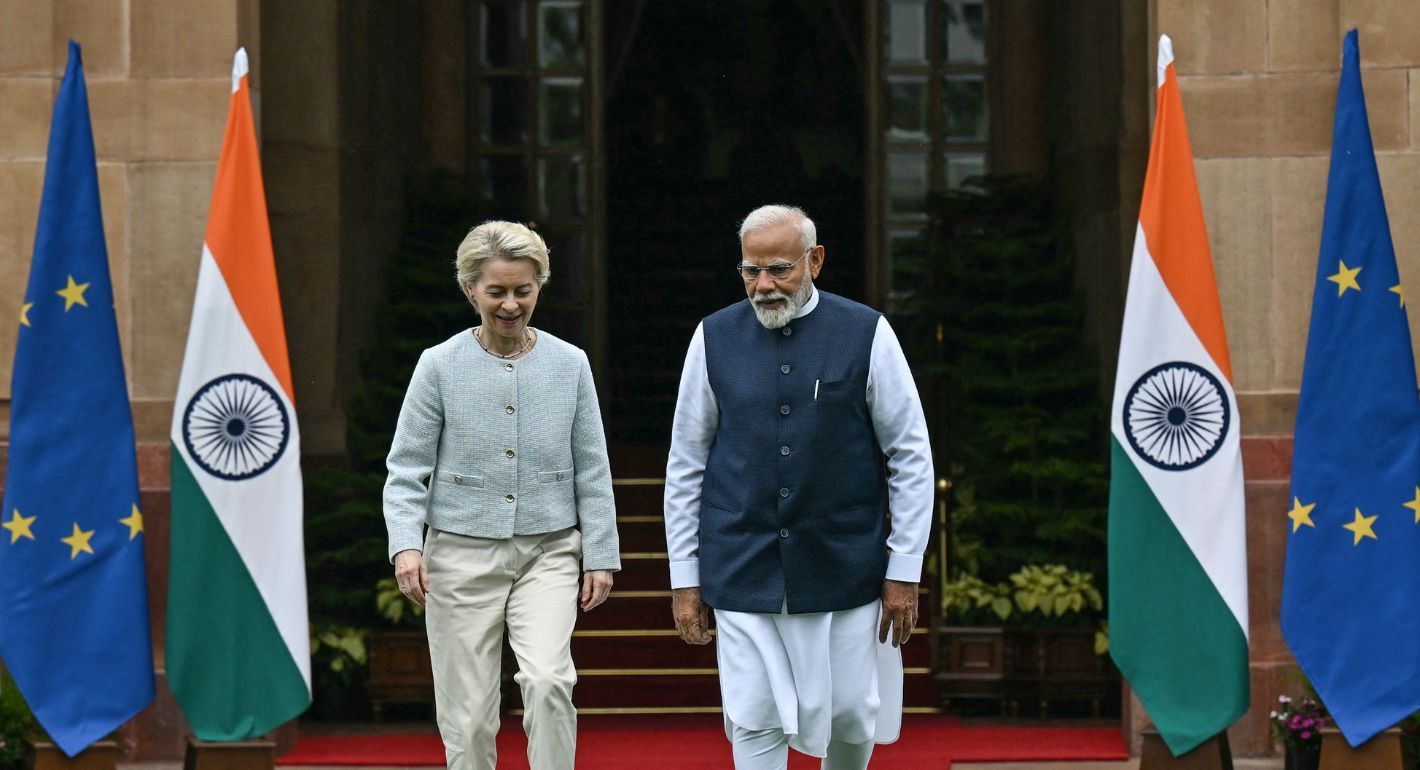
This article argues that the geopolitical circumstances have never been more conducive, not merely for the early conclusion of the free trade agreement (FTA) between India and the EU, but also for crafting a substantive and comprehensive strategic partnership.

Mohan Kumar