

Paper
Sufyan Alissa
{
  "authors": [
    "Sufyan Alissa"
  ],
  "type": "commentary",
  "blog": "Sada",
  "centerAffiliationAll": "",
  "centers": [
    "Carnegie Endowment for International Peace"
  ],
  "collections": [],
  "englishNewsletterAll": "",
  "nonEnglishNewsletterAll": "",
  "primaryCenter": "Carnegie Endowment for International Peace",
  "programAffiliation": "",
  "programs": [],
  "projects": [],
  "regions": [
    "Syria",
    "Saudi Arabia",
    "Iraq",
    "Lebanon",
    "Bahrain"
  ],
  "topics": [
    "Economy"
  ]
}

REQUIRED IMAGE
Are economic and political reforms an effective way to combat corruption, or do changes such as privatizing state industries actually increase opportunities for corruption? There is not a single answer to the question, but a closer look at the types of corruption
Are economic and political reforms an effective way to combat corruption, or do changes such as privatizing state industries actually increase opportunities for corruption? There is not a single answer to the question, but a closer look at the types of corruption that are endemic in various Arab states and the nature of current reform policies can help explain how reform and corruption interact.
There are three main types of corruption in the Arab world. The first is petty corruption such as that of a policeman in a country such as Syria taking a bribe to forgive a traffic offence. The second is massive corruption, which plagues the economies of many countries in the region, especially in the Gulf. This type of corruption takes place during multi-million dollar contract negotiations between state officials and business leaders to secure business deals. A good example of such corruption is deals by BAE Systems PLC, Britain's biggest and most influential arms company, with Saudi Arabia. A corruption probe of BAE dealings revealed the existence of a $110 million slush fund allegedly kept by the company in order to bribe Saudi officials in order to secure highly rewarding contracts as part of Al Yamamah arms deal in the 1980s. British Prime Minster Tony Blair intervened directly to stop the probe under the pretext of protecting British national interest—an example of how Western powers reinforce corruption in the Arab world.
The third type is political corruption, which is difficult to pin down but plagues the economic health of most countries in the Arab world. Political corruption is the use of economic deals and benefits to reward political allies, which invariably leads to massive diversion of public resources to unproductive activities. It also leads to elite resistance to political and economic reform programs that would level the business playing field.
The causes of corruption vary across Arab countries, but are often linked in one way or another to state intervention and the structure of economies and public sectors. In the Gulf countries, much of the corruption stems from the lack of transparency and procedures to guarantee competition in government procurement and contracts. Another problem, is the absence of strong enforcement mechanisms for anti-corruption laws, which allows corrupt senior officials to escape any real punishment. The best example of such failure is Bahrain, which has useful anti-corruption laws but weak state enforcement. A similar problem exists in Iraq.
In the Levant and North Africa, large scale bribery, embezzlement, and fraud are linked to the structure of the public sector and the nature of relations between the government and the economy. The Khelifa Bank case, the largest corruption probe in Algeria's history, involving some $2 billion, is an excellent example of corruption in state institutions. Corruption in Syria, Jordan, Egypt, and Lebanon is also caused by the lack of proper standards of good governance, low salaries for civil servants, and the failure to introduce substantial institutional reform in the executive and legislative branches of the government.
Ultimately it is the nature of reform efforts that determines whether they will inhibit or facilitate corruption. Thus far, many governments have opted for uncontroversial programs that aim to promote regime stability rather than transform economies or polities. Within such limited reforms programs one cannot expect that corruption will be significantly reduced; rather, corruption may increase and hinder the effectiveness of reforms. Fighting corruption requires a real change in the distribution and disposition of institutional power to prevent the people who benefit from the current economic and political arrangements from using their political power to gain privileges at the expense of the public interest. As yet there is little evidence that Arab governments are willing to go that far.
Sufyan Alissa is an associate at the Carnegie Middle East Center in Beirut.
Former Associate, Middle East Center
Recent Work
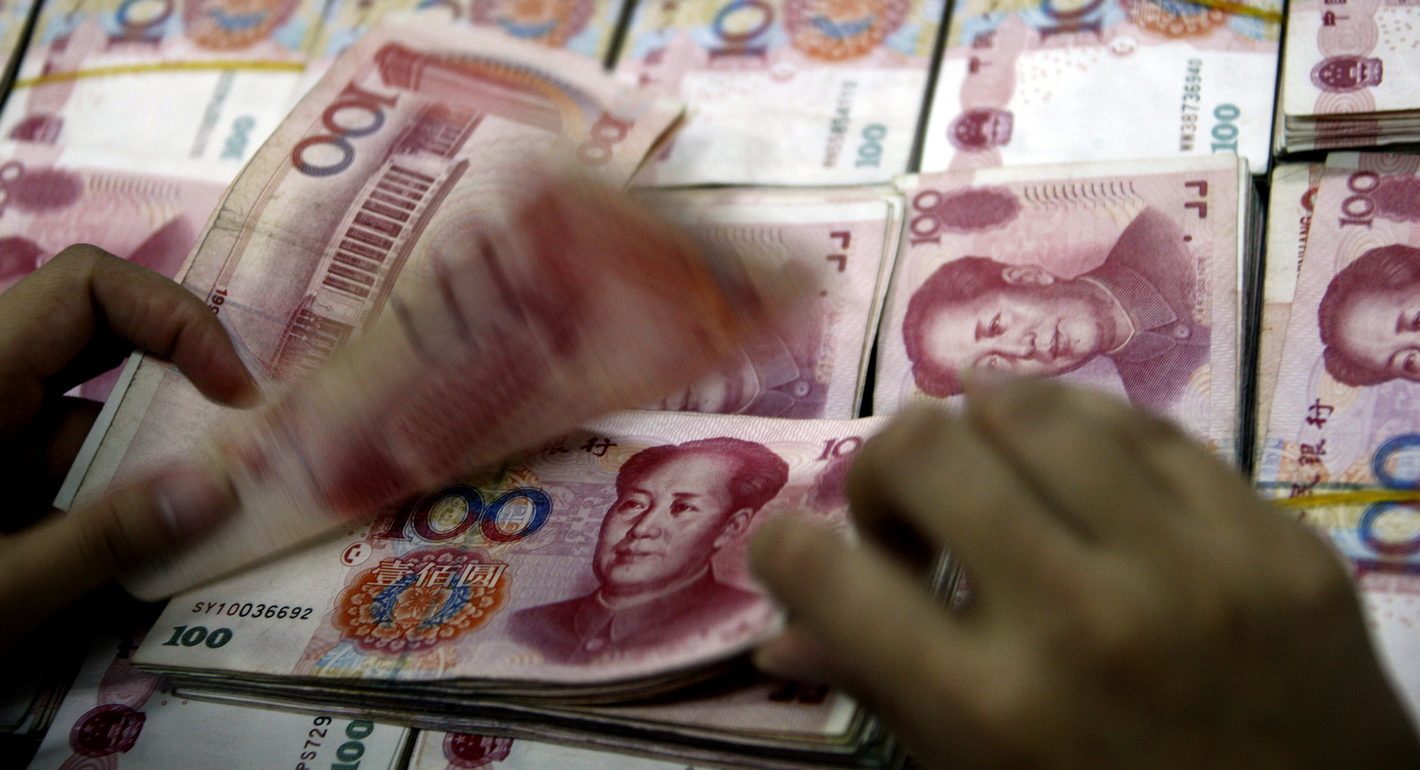
Is the Gulf moving beyond the dollar? This article examines how China is expanding the renminbi's role across Gulf markets, what that means for regional finance, and why the future of global currencies is more complex than the de-dollarization debate suggests.

Andrew Bonney
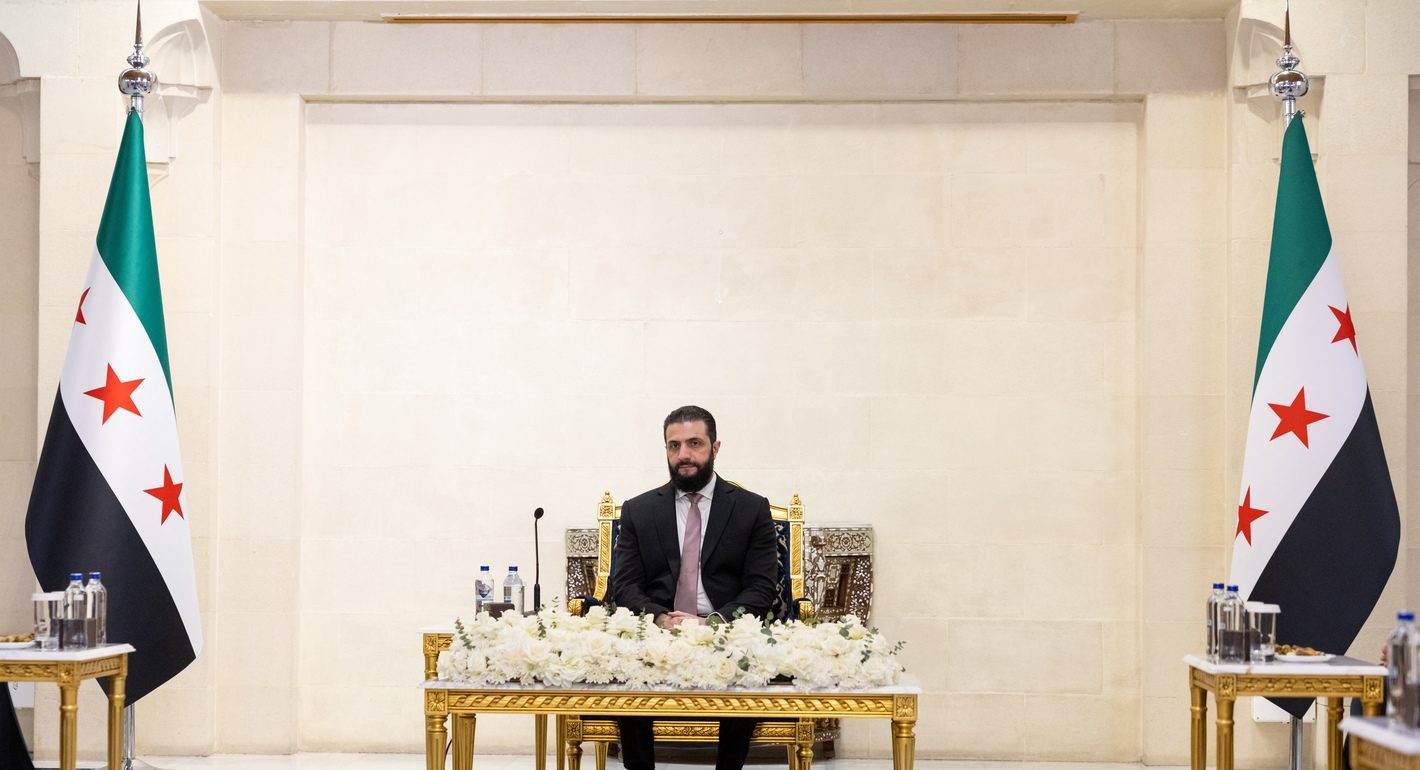
Syria's transition promised a fresh start. But are old habits of power making a comeback? This analysis looks at the warning signs and what it will take to build a more accountable state.
Sima Beitinjaneh
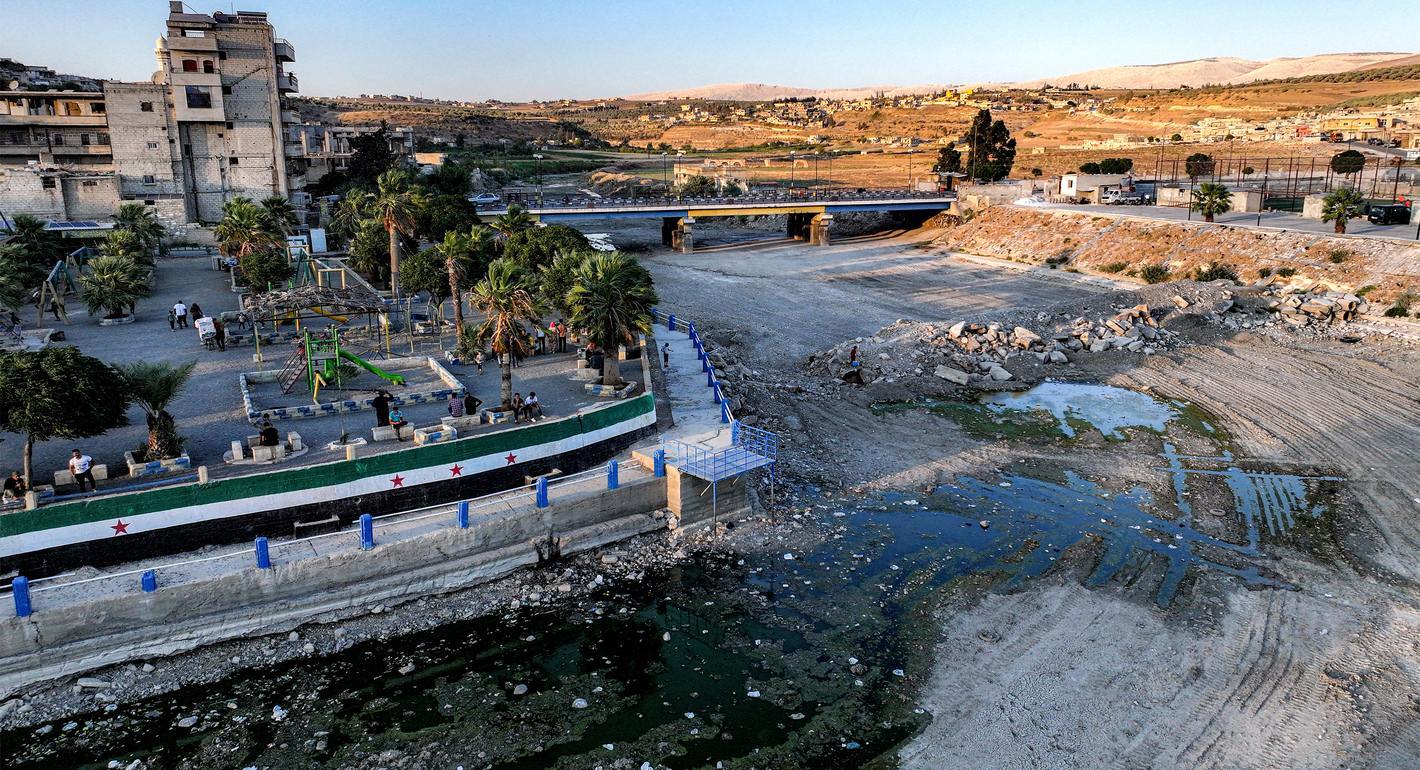
Syria’s worsening drought is no longer a seasonal crisis. This report explains what climate change is doing to rainfall, groundwater, and food security, and what solutions experts say are still possible.

Milia Esper
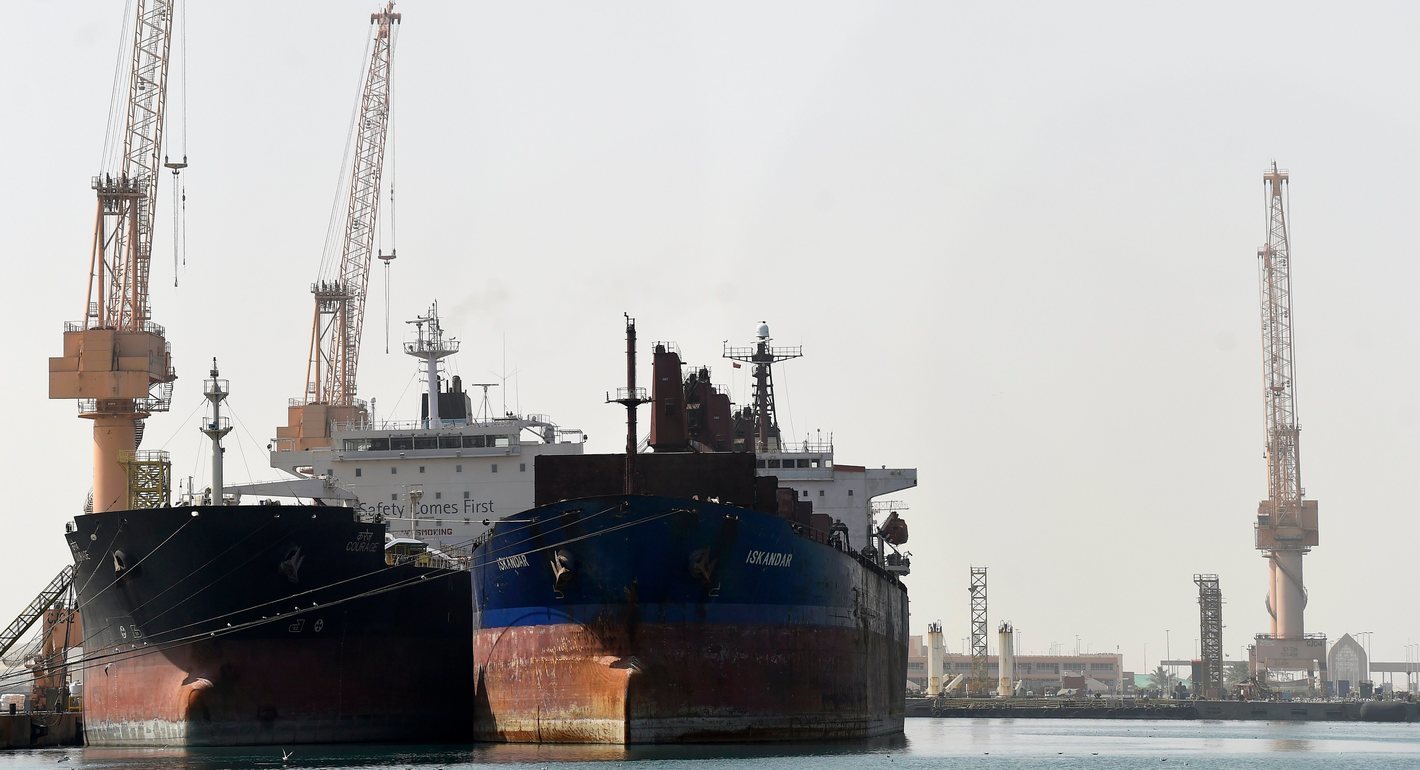
In a volatile Middle East, the Omani port of Duqm offers stability, neutrality, and opportunity. Could this hidden port become the ultimate safe harbor for global trade?
Giorgio Cafiero, Samuel Ramani
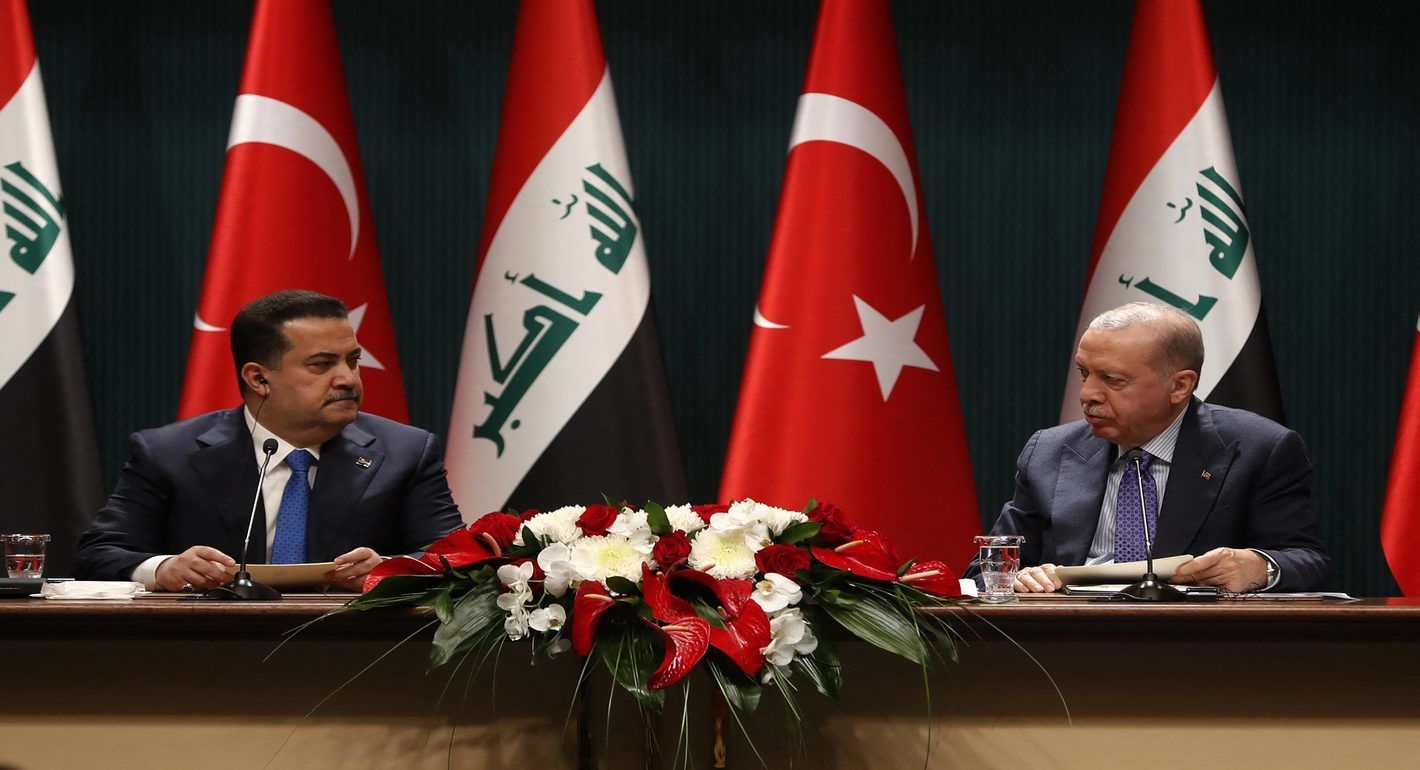
Iraq’s foreign policy is being shaped by its own internal battles—fractured elites, competing militias, and a state struggling to speak with one voice. The article asks: How do these divisions affect Iraq’s ability to balance between the U.S. and Iran? Can Baghdad use its “good neighbor” approach to reduce regional tensions? And what will it take for Iraq to turn regional investments into real stability at home? It explores potential solutions, including strengthening state institutions, curbing rogue militias, improving governance, and using regional partnerships to address core economic and security weaknesses so Iraq can finally build a unified and sustainable foreign policy.
Mike Fleet