

Article
Pierre Goldschmidt

REQUIRED IMAGE
Last week, H.E. Reza Aghazadeh, the Head of the Atomic Energy Organization of Iran said, "I consider recent IAEA Board meeting as a very big success for the AEOI and the Iranian nation because it would open a new chapter in westerners' failure to abuse the IAEA" and "in my view, we witnessed in the session the most successful period of settling our problems with the IAEA".
Mr. Aghazadeh is absolutely right and must be congratulated. The report issued on November 15 by the International Atomic Energy Agency (IAEA) makes clear that Iran is gaming the IAEA while continuing to advance its uranium enrichment program, which is illegal under UN Security Council resolutions.
Letting Iran challenge the UN Security Council’s authority without any consequence undermines its credibility. This should be a matter of concern not only to “Westerners” but to all Member States. Russia and China should not hide behind illusory progress reported by the IAEA but support U.S. and European Union efforts to increase the pressure on Iran while strongly committing to engage and not attack the Iranian state.
When, in August 2007, the IAEA issued its "work plan" on Iran’s nuclear program and on how it intended to resolve outstanding issues one by one, some observers hailed the deal as a breakthrough, a way out of the nuclear crisis with Iran. Others were concerned and described the work plan as flawed, concluding that under the most optimistic assumptions "it is unlikely that Iran and the IAEA will complete their tasks before March or April 2008". In the meantime, Iran, in defiance of mandatory UN Security Council resolutions, will likely continue its enrichment activities and install more centrifuges in its facility at Natanz.
Sadly, the IAEA’s latest report proves these pessimistic predictions were correct. The report contains few new facts and struggles to say anything positive about Iran’s behavior.
Of course, the rare positive bits in the report, albeit qualified, will be quoted selectively by some Members States in the IAEA and UN Security Council to justify giving more time to the IAEA to do its job, therefore allowing Iran to continue unabated with its nuclear program.
The report indicates that Iran has now provided copies of documents and access to individuals which the Agency requested three years ago. Not surprisingly, after a three-year delay, the material provided by Iran contained little new information, but the act of handing it over has been presented by Iran as a major concession (even if, once more, "Iran’s cooperation has been reactive rather than proactive").
Meanwhile the Agency’s announced target for "closing" the issue of Iran’s centrifuge activities -- this month -- has not been met, leaving the IAEA to conclude that it "is not in a position…to draw conclusions about the original underlying nature of parts of the programme". In "agency-speak" this means that this enrichment program could have been initiated and may still be, at least in part, for military purposes.
As indicated in the most recent report, Iran, ignoring IAEA Board and UN Security Council resolutions, is pursuing at full speed its enrichment and heavy water reactor programs. Also, Iran is not implementing the Additional Protocol to its safeguards agreement, thereby barring the Agency from greater rights to investigate. Moreover, since March 2007 Iran has unilaterally decided that it will no longer provide to the Agency early design information on any new facility that may be under construction somewhere in the country, and "there has been no progress on this issue".
Last week’s report notes the alarming fact that "the Agency’s knowledge about Iran’s current nuclear programme is diminishing" and that Iran is ramping up work on more advanced P-2 centrifuges while delaying the provision of detailed information to the IAEA in contravention with the work plan agreed last August. Considering how carefully the IAEA reports are drafted in order to be as objective and neutral as possible, properly decoded, this report is damning.
It is now time for Member States to realize that the IAEA will never be able to conclude that there are no undeclared nuclear material and activities in Iran, that Iran has told all, and that its program is exclusively peaceful, unless the IAEA and the Security Council convince or compel Iran to allow investigations that go deeper than those the Agency has conducted thus far.
The Iranian nuclear crisis cannot be resolved in ways that enhance international security if the IAEA cannot close the books and if Iran continues to produce fissile materials without having the IAEA and UN Security Council stamp of approval. Iran may not cooperate in any case, but it certainly won’t if the international community does not remain united in imposing costs on Iran’s non-compliance.
Of course diplomacy must always prevail and it is essential for the U.S. and its European allies, with the support of Russia and China, to engage in serious negotiations with Iran, without requesting suspension to start the negotiation (suspension should be a key indicator of progress in such negotiations shortly thereafter). Iran must adopt the same stance, and not only in words.
Without such negotiations and the admission by the IAEA that business as usual is no longer effective, one should expect to see eventually a nuclear arms race in the Middle East.
Pierre Goldschmidt is former Deputy Director General of the IAEA and currently a visiting scholar in the Nonproliferation Program at the Carnegie Endowment for International Peace.
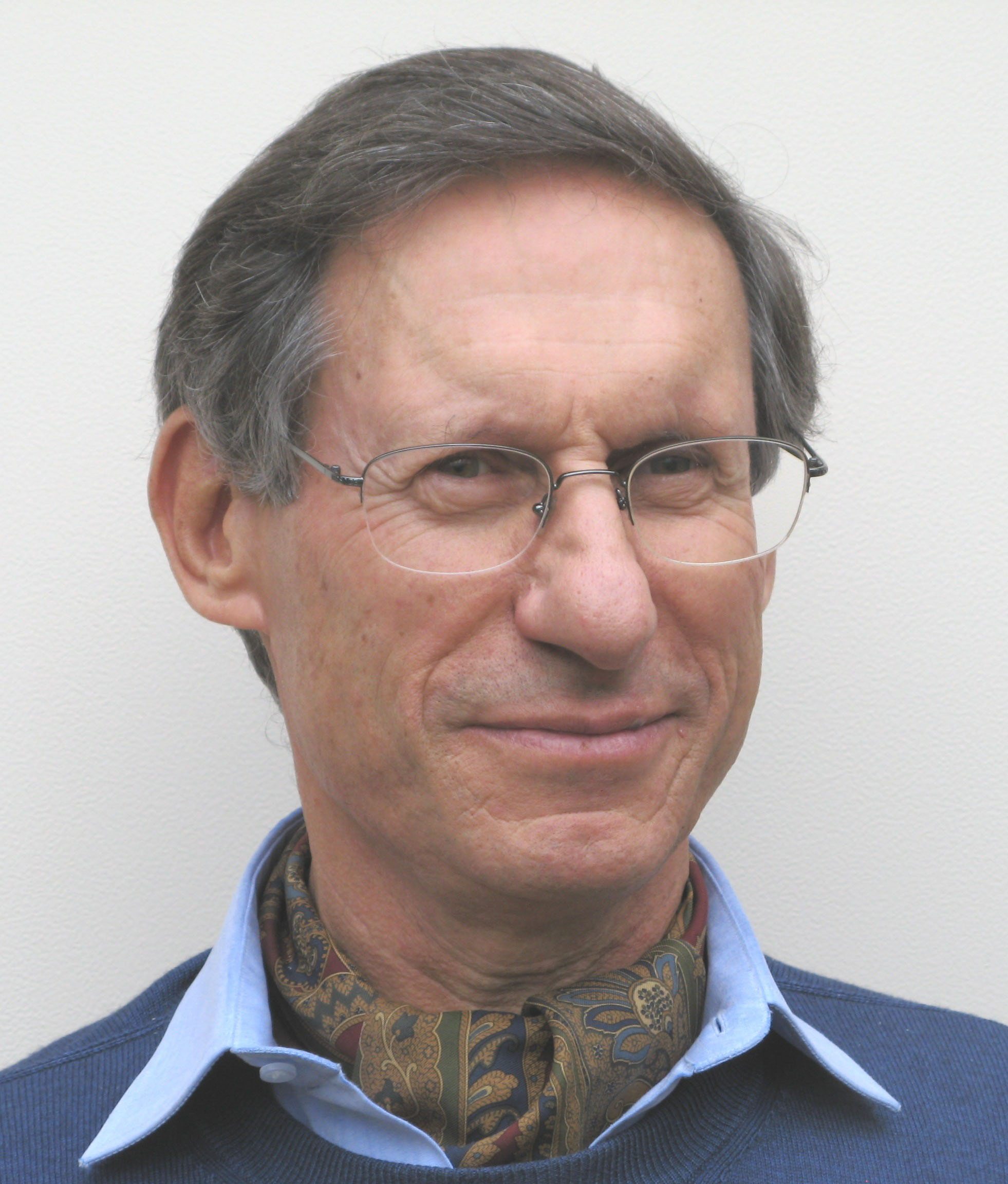
Former Nonresident Senior Associate, Nuclear Policy Program
Goldschmidt was a nonresident senior associate at the Carnegie Endowment.
Recent Work
Pierre Goldschmidt
Pierre Goldschmidt
Carnegie India does not take institutional positions on public policy issues; the views represented herein are those of the author(s) and do not necessarily reflect the views of Carnegie, its staff, or its trustees.
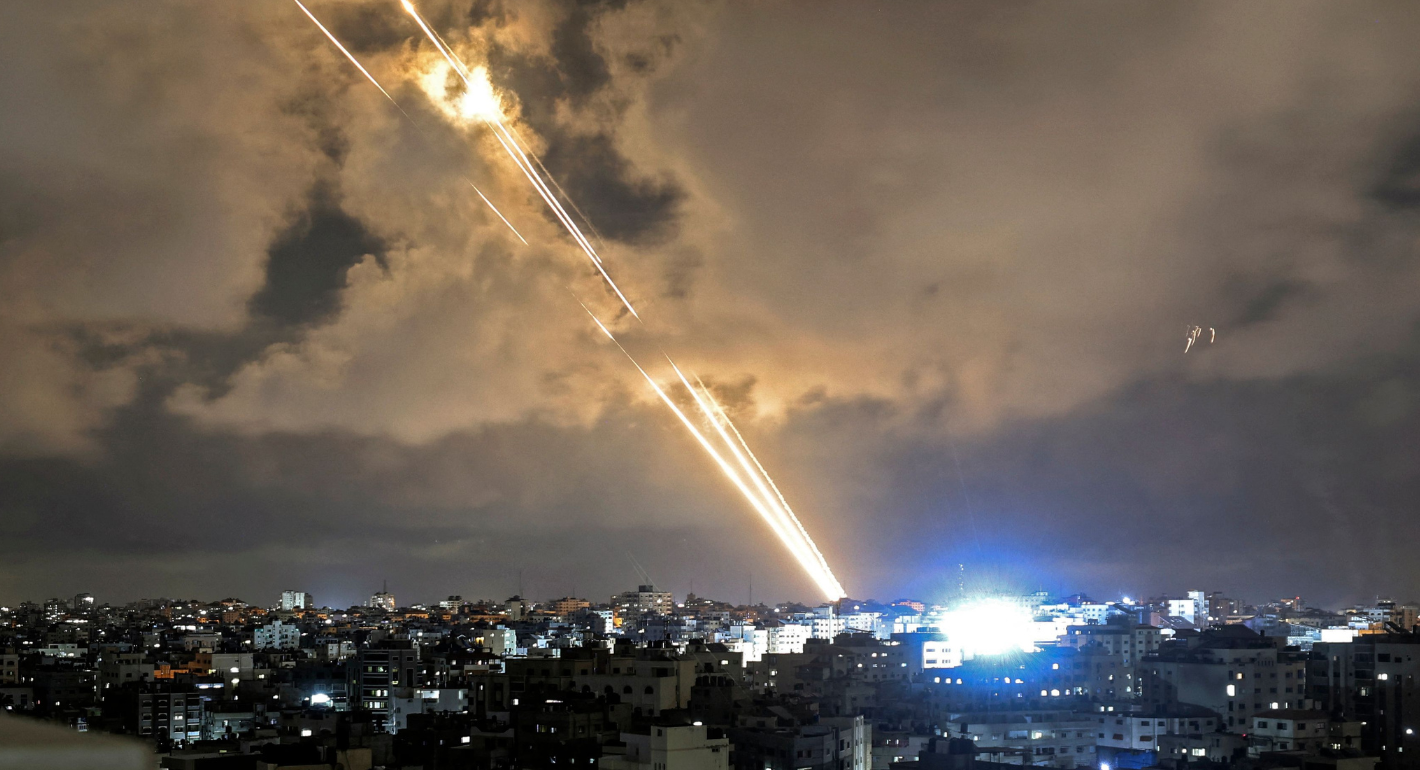
An Israeli response to Iran’s October 1 attack is imminent. The key question is of its intensity and potential fallout, both within Iran, in terms of nuclear security policy changes, and across the broader region. The coming days are likely to reshape West Asia irreversibly.
Gaddam Dharmendra

With monkeypox being declared a global health emergency, the WHO approach is an innovative and effective way to curb outbreaks of zoonotic diseases.

Shruti Sharma

In India, biotechnology has played an important role in helping stakeholders in academia, industry, and government develop new pandemic-related technology, from test kits to respiratory devices. But these biotechnology advancements can go further to strengthen India’s public health capacity.
Shruti Sharma
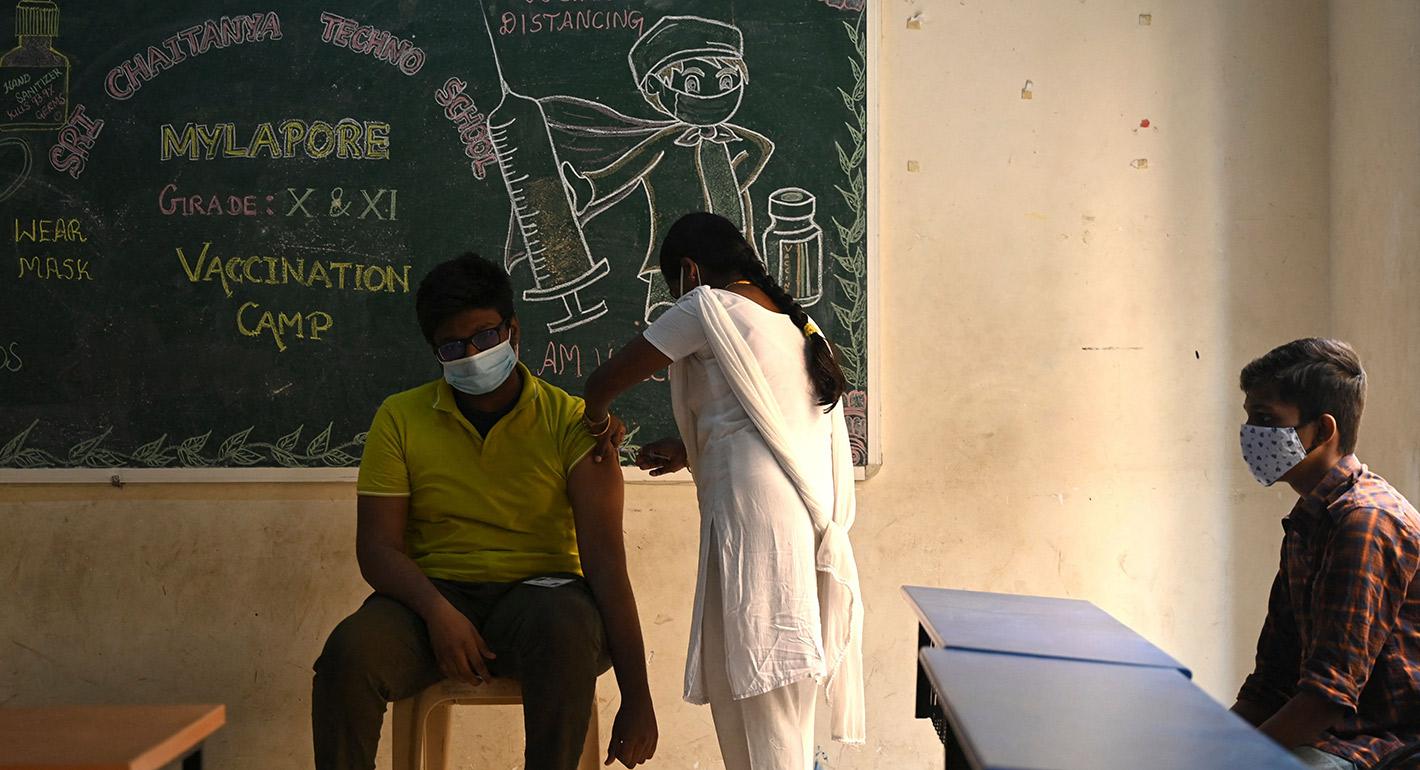
Unless the government can up its communications game, anti-vax movements could prolong India’s pandemic effects.
Shruti Sharma
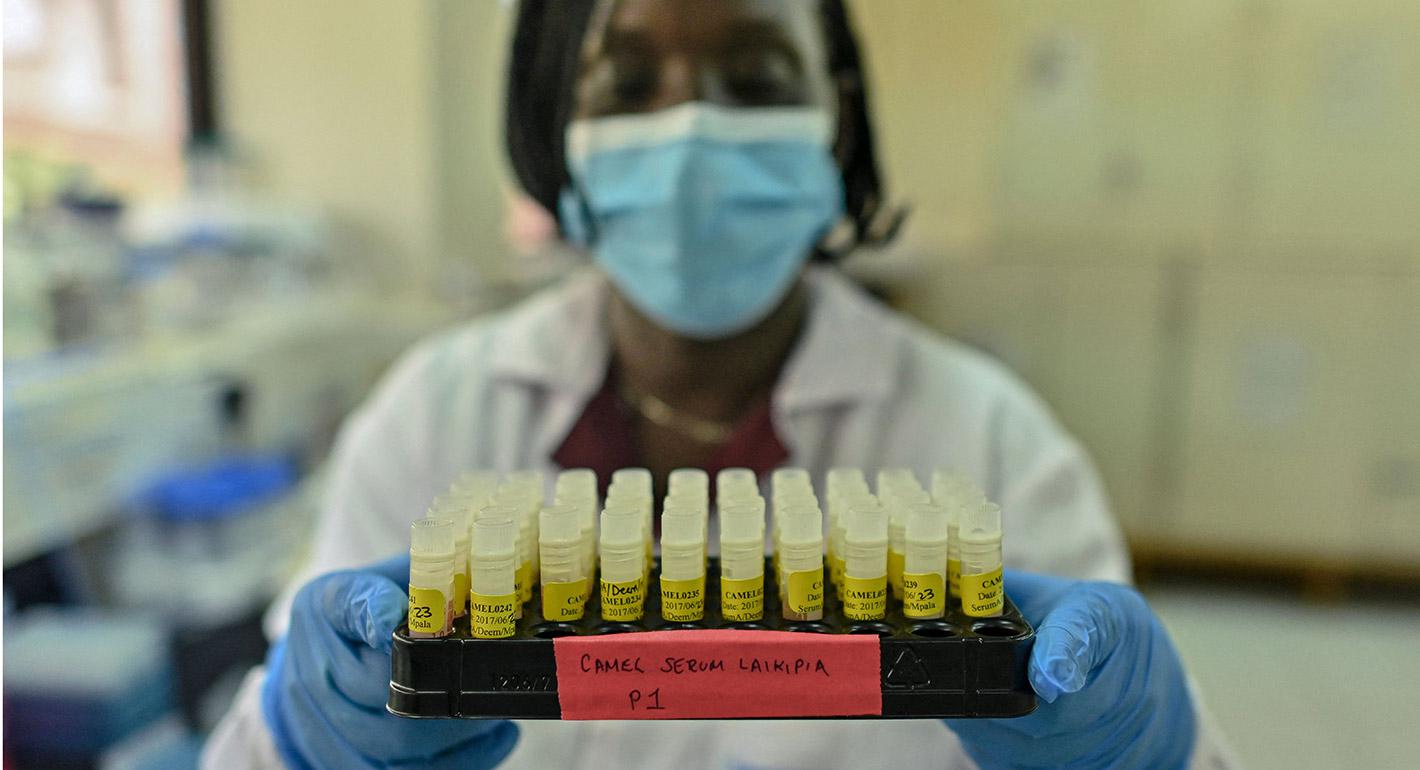
The uncertain origin of the coronavirus has focused attention on gain-of-function research—studying viruses to learn how they spread. How can countries work together to ensure stringent safety standards?
Shruti Sharma