

Paper
As India’s economy recovers from the coronavirus pandemic, Indian businesses need efficient financial structures to regain their ground. Key reforms to India’s Insolvency and Bankruptcy Code could fill these gaps.
Anirudh Burman

REQUIRED IMAGE
The production of a political platform by Egypt's Muslim Brotherhood is a sign that real developments — some encouraging, some worrying — are occurring in Egyptian politics. While the Muslim Brotherhood is prevented by the government from forming a political party,the release of a platform signaled what sort of party they would found if allowed to do so.
The production of a political platform by Egypt’s Muslim Brotherhood is a sign that real developments—some encouraging, some worrying—are occurring in Egyptian politics. While the Muslim Brotherhood is prevented by Egypt’s government from forming a political party—a ban unlikely to be overturned in the near future—the release of a platform signaled what sort of party they would found if allowed to do so, according to a new report from the Carnegie Endowment.
In The Draft Party Platform of the Egyptian Muslim Brotherhood: Foray Into Political Integration or Retreat Into Old Positions?, Senior Associates Nathan Brown and Amr Hamzawy analyze the draft platform’s mixed signals—surprising progressive reforms; regressive, controversial stances; and the chances of achieving a consensus on the anticipated final document.
Encouragingly, the platform advances notions of freedom of religion and expression, pluralistic politics, property rights, women’s enfranchisement, and state sovereignty. Yet it also called for the establishment of a council of elected senior religious scholars, effectively placing the government under the scrutiny of an extra-constitutional entity—a regression from more moderate positions upheld by the movement’s leadership in recent years.
Key Conclusions:
• The platform was designed to regain momentum following a marked increase in government restrictions on the Brotherhood after their success in the 2005 parliamentary elections. However, caught between the expectations of loyal activists, who strongly support the implementation of shari’a law, and alienating the more moderate public, disputes among Brotherhood leaders over the platform showed confusion and a lack of consensus over strategy at this critical juncture.
• The platform fails to address how the future political party would relate to the broader social movement. The Brotherhood ignores both the experiences of Islamist parties in Morocco, Jordan, and Yemen, who advocate a functional separation between the party and the movement, and a major constitutional hurdle by failing to address opening membership to all Egyptians.
• Public debate about the platform has focused exclusively on the major contentious issues to the exclusion of detailed economic and social positions. For example, the economic strategy advocates a strong interventionist state, yet the platform also calls for a limited social role for the state, with a larger role for civil society and NGOs.
• While the final platform is expected to exclude women and non-Muslims from holding Egypt’s top office, recent statements by key leaders indicate that the Brotherhood would accept a democratic referendum by the Egyptian people on this matter.
“Brotherhood leaders were aware from the beginning of the limits of what a platform could accomplish. At most it could show Egyptians what a Brotherhood party would look like, but the regime, the law, and now the constitution seem to be far more serious obstacles than public opinion to a Muslim Brotherhood party. The platform shows that the movement is still very much struggling with how to handle the demands of its ambition to be a normal political actor. But no amount of internal debate is likely to reassure a regime that seems unable to accept any serious political actor as a legitimate partner in Egyptian political life,” the authors concluded.
Click on icon above for the full text of this Carnegie Paper.
A limited number of print copies of this Carnegie Paper are available.
Request a copy
About the Authors
Nathan J. Brown, a nonresident senior associate at the Carnegie Endowment, is a professor of political science and international affairs at George Washington University where he directs the Institute for Middle East Studies.
Amr Hamzawy is a senior associate at the Carnegie Endowment and is a noted Egyptian political scientist who previously taught at Cairo University and the Free University of Berlin.

Nonresident Senior Fellow, Middle East Program
Nathan J. Brown, a professor of political science and international affairs at George Washington University, is a distinguished scholar and author of nine books on Arab politics and governance, as well as editor of five books.
Nonresident Senior Fellow, Middle East Program
Nathan J. Brown, a professor of political science and international affairs at George Washington University, is a distinguished scholar and author of nine books on Arab politics and governance, as well as editor of five books.

Director, Middle East Program
Amr Hamzawy is a senior fellow and the director of the Carnegie Middle East Program. His research and writings focus on Egypt’s and other middle powers’ involvement in regional security in the Middle East, particularly through collective diplomacy and multilateral conflict resolution
Carnegie India does not take institutional positions on public policy issues; the views represented herein are those of the author(s) and do not necessarily reflect the views of Carnegie, its staff, or its trustees.

As India’s economy recovers from the coronavirus pandemic, Indian businesses need efficient financial structures to regain their ground. Key reforms to India’s Insolvency and Bankruptcy Code could fill these gaps.

Anirudh Burman

Access to cross-border data is an integral piece of the law enforcement puzzle. India is well placed to lead the discussions on international data agreements subject to undertaking necessary surveillance reforms.

Smriti Parsheera, Prateek Jha

After the coronavirus pandemic wanes, how will China’s reorientation of the Belt and Road Initiative to address global health concerns influence its relationships with South Asian countries?


Deep Pal, Rahul Bhatia
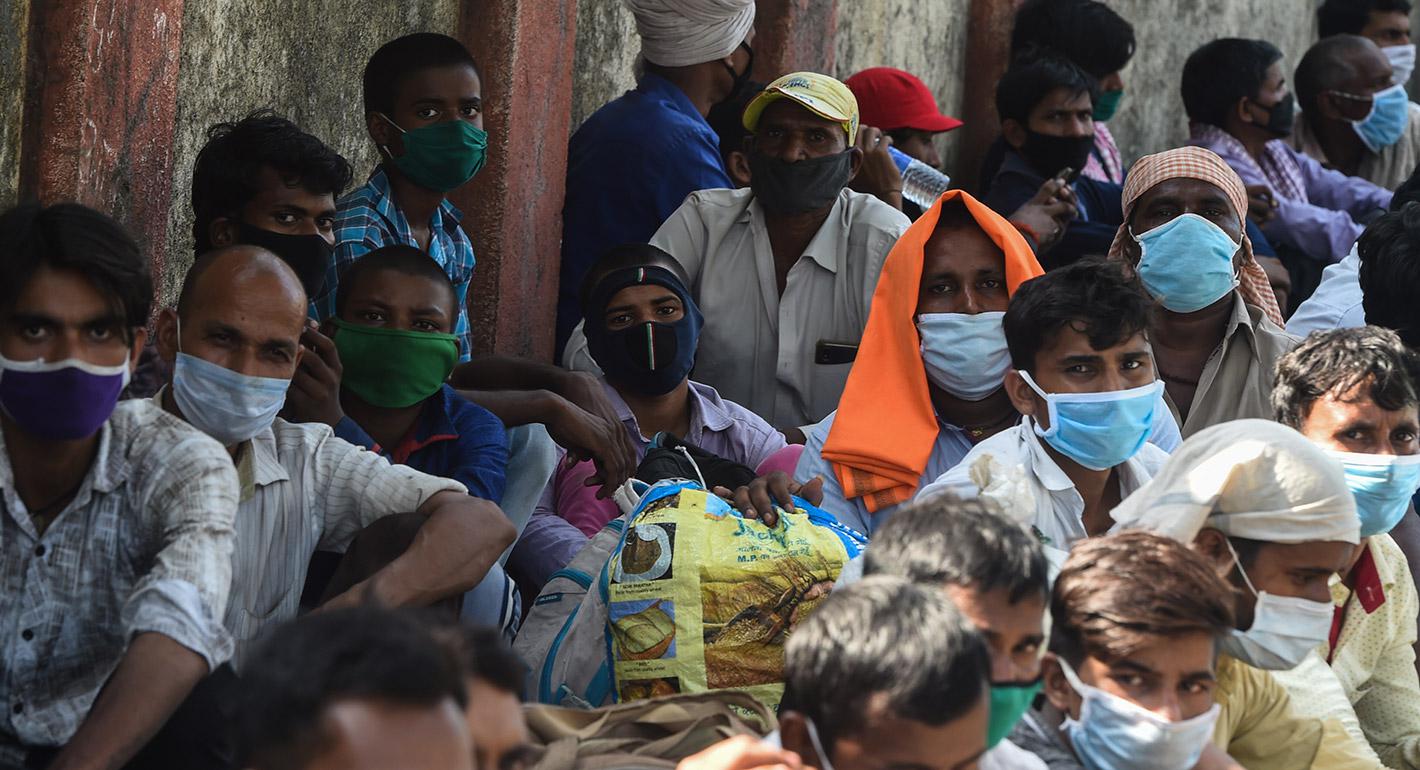
Early in the outbreak, government researchers forecast several high-risk scenarios that were downplayed or ignored in public messaging.
Gautam I. Menon
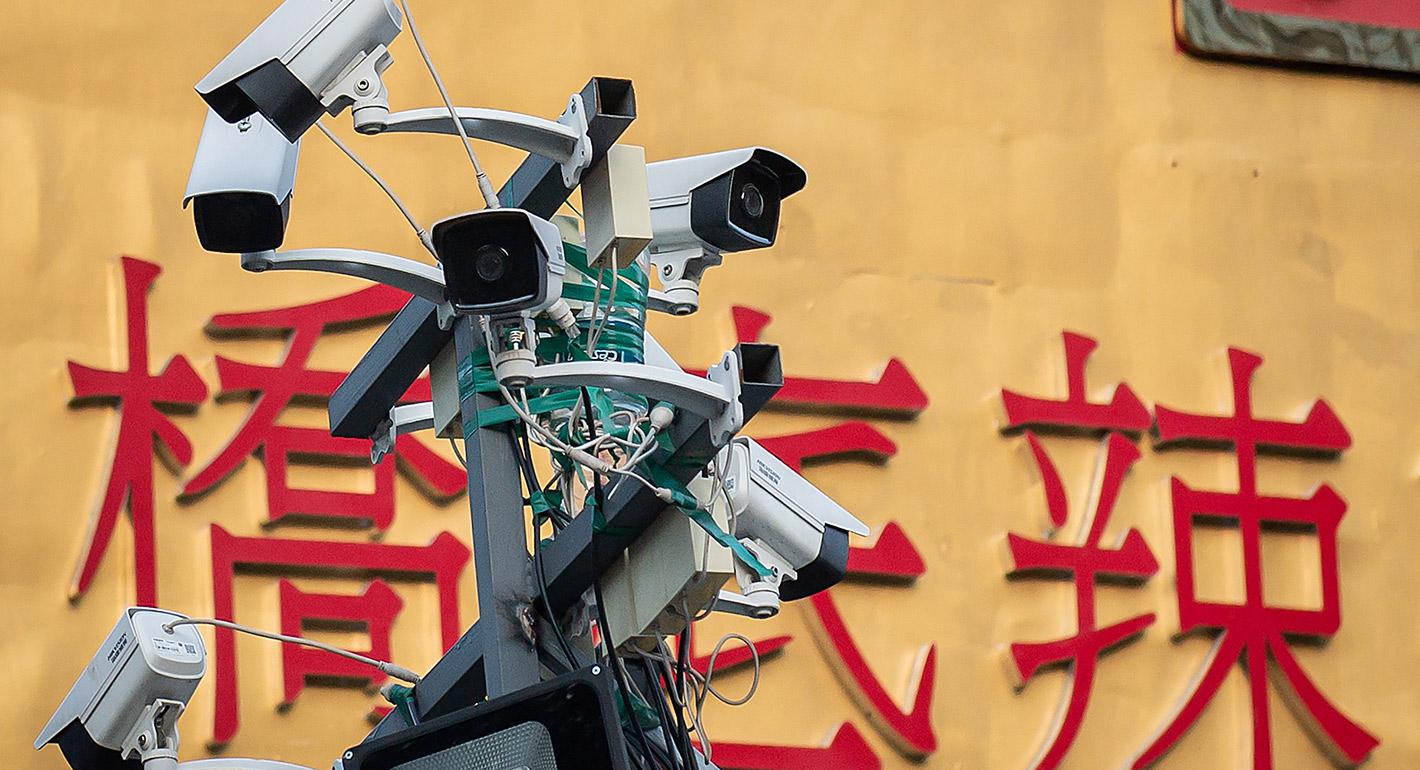
Governments around the world are turning to new forms of digital surveillance to monitor the spread of the coronavirus, though they are mostly using existing laws to do so.
Anirudh Burman