

Commentary
Nathan J. Brown

Source: Getty
Kuwait’s May 2008 elections dealt a setback to the local affiliate of the Muslim Brotherhood, the Islamic Constitutional Movement (HADAS) rewarding more rigid salafi Islamists and tribal candidates. The new parliament is likely to be less cohesive, and the result will be a deepening political deadlock between the government and the parliament in the Gulf’s most democratic political order.
Kuwait’s May 2008 elections dealt a setback to the local affiliate of the Muslim Brotherhood, the Islamic Constitutional Movement (HADAS) rewarding more rigid salafi Islamists and tribal candidates. The outcome was puzzling because a major electoral reform—heavily backed by HADAS—was supposed to reward well-organized ideological parties of which HADAS is Kuwait’s leading example. HADAS’s setback can be explained in part by tactical miscalculations as well as a strategy by party leaders to lessen its oppositional and confrontational approach.
HADAS can probably recover in the next elections, but its long term project of realizing its goals through political reform has been dealt a serious blow. The new parliament is likely to be less cohesive but more confrontational than the outgoing one. The result will be a deepening political deadlock between the government and the parliament in the Gulf’s most democratic political order.

Nonresident Senior Fellow, Middle East Program
Nathan J. Brown, a professor of political science and international affairs at George Washington University, is a distinguished scholar and author of nine books on Arab politics and governance, as well as editor of five books.
Recent Work
Nathan J. Brown
Nathan J. Brown
Carnegie India does not take institutional positions on public policy issues; the views represented herein are those of the author(s) and do not necessarily reflect the views of Carnegie, its staff, or its trustees.

An Israeli response to Iran’s October 1 attack is imminent. The key question is of its intensity and potential fallout, both within Iran, in terms of nuclear security policy changes, and across the broader region. The coming days are likely to reshape West Asia irreversibly.

Gaddam Dharmendra
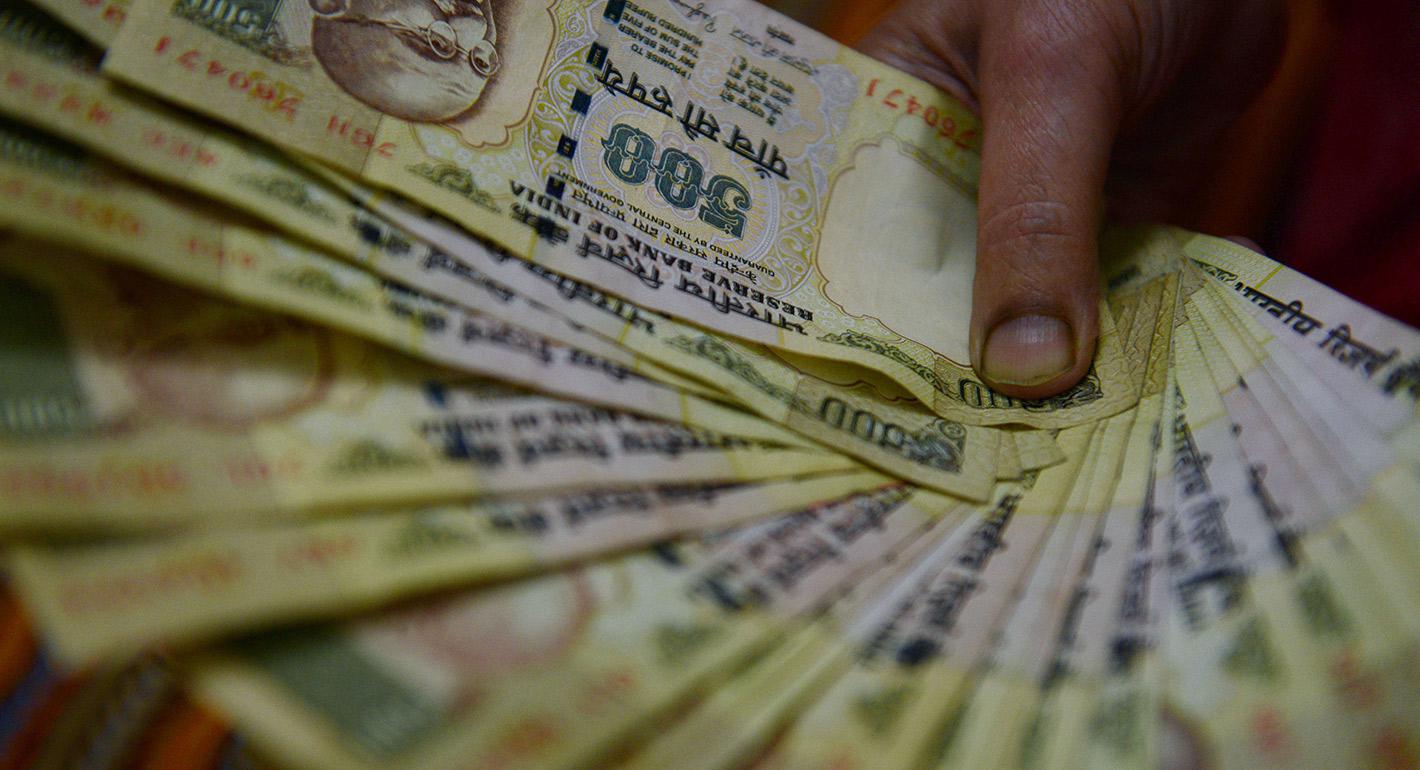
As India’s economy recovers from the coronavirus pandemic, Indian businesses need efficient financial structures to regain their ground. Key reforms to India’s Insolvency and Bankruptcy Code could fill these gaps.

Anirudh Burman

Access to cross-border data is an integral piece of the law enforcement puzzle. India is well placed to lead the discussions on international data agreements subject to undertaking necessary surveillance reforms.

Smriti Parsheera, Prateek Jha
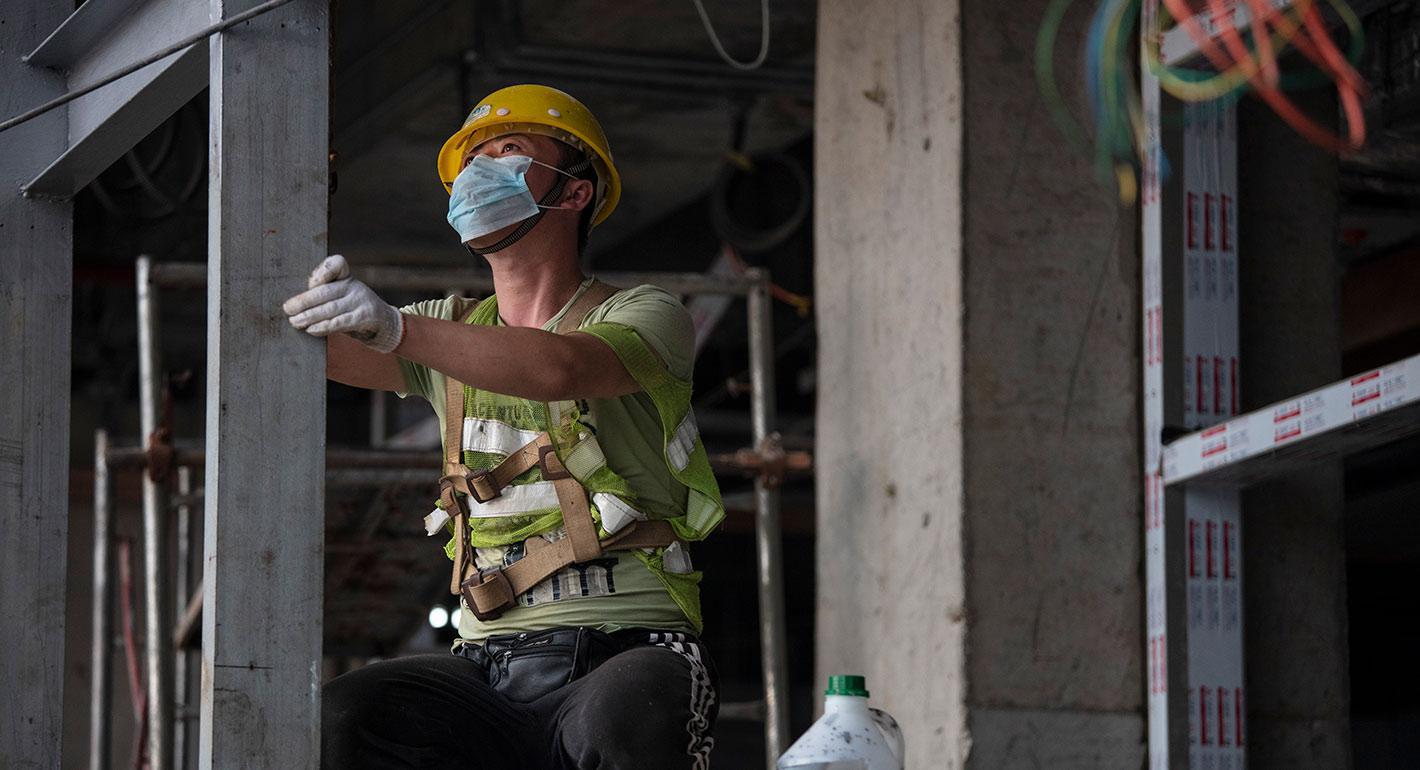
After the coronavirus pandemic wanes, how will China’s reorientation of the Belt and Road Initiative to address global health concerns influence its relationships with South Asian countries?

Deep Pal, Rahul Bhatia
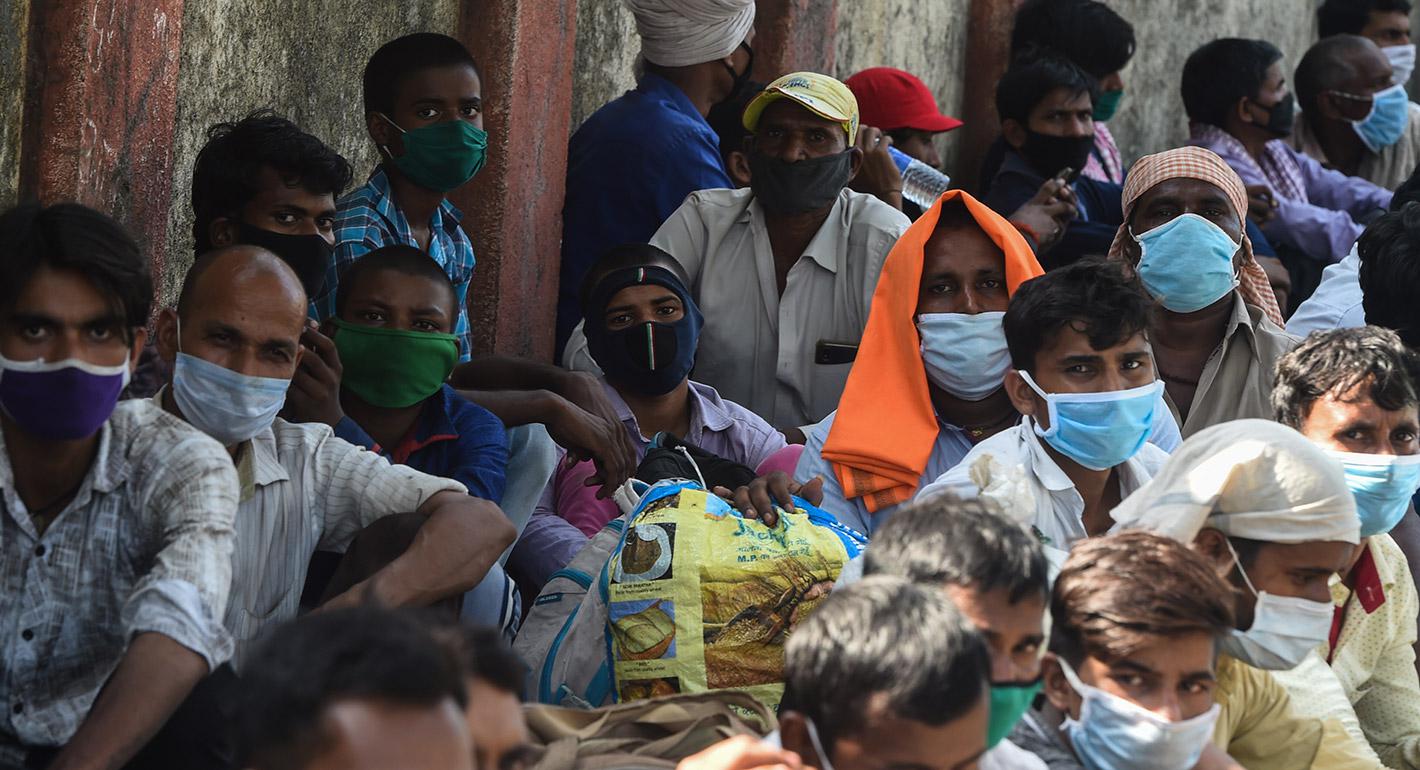
Early in the outbreak, government researchers forecast several high-risk scenarios that were downplayed or ignored in public messaging.
Gautam I. Menon