

Paper
Alejandro Foxley, Fernando Sossdorf
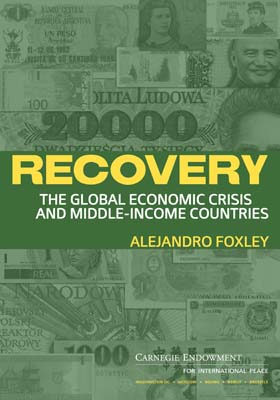
There is no single solution to the financial crisis for middle-income countries, but fundamental labor markets reforms that create high-paying jobs are key to restarting economic growth.
There is no single solution to the effects of the financial crisis on middle-income countries, but introducing fundamental labor markets reforms to create high-paying jobs will be the key to restarting economic growth, according to a report by Alejandro Foxley, the former foreign and finance minister of Chile.
Labor reform is always politically contentious, but the current crisis, by illustrating the dangers of ignoring necessary long-term reforms, has made it easier to reach consensus on the need for action. If policy makers undertake the right reforms, middle-income countries could achieve higher growth, better standards of living, and more effective government.
Key points:
Foxley concludes:
“There are no magic formulas, no shortcuts, no miracles, and no ‘models’ as far as development is concerned. Economic growth and development is a several-decades-long proposition that requires consistent policies, persistence in moving in a certain direction, and adaptability to shocks and changes and the opportune correction of policy mistakes.”
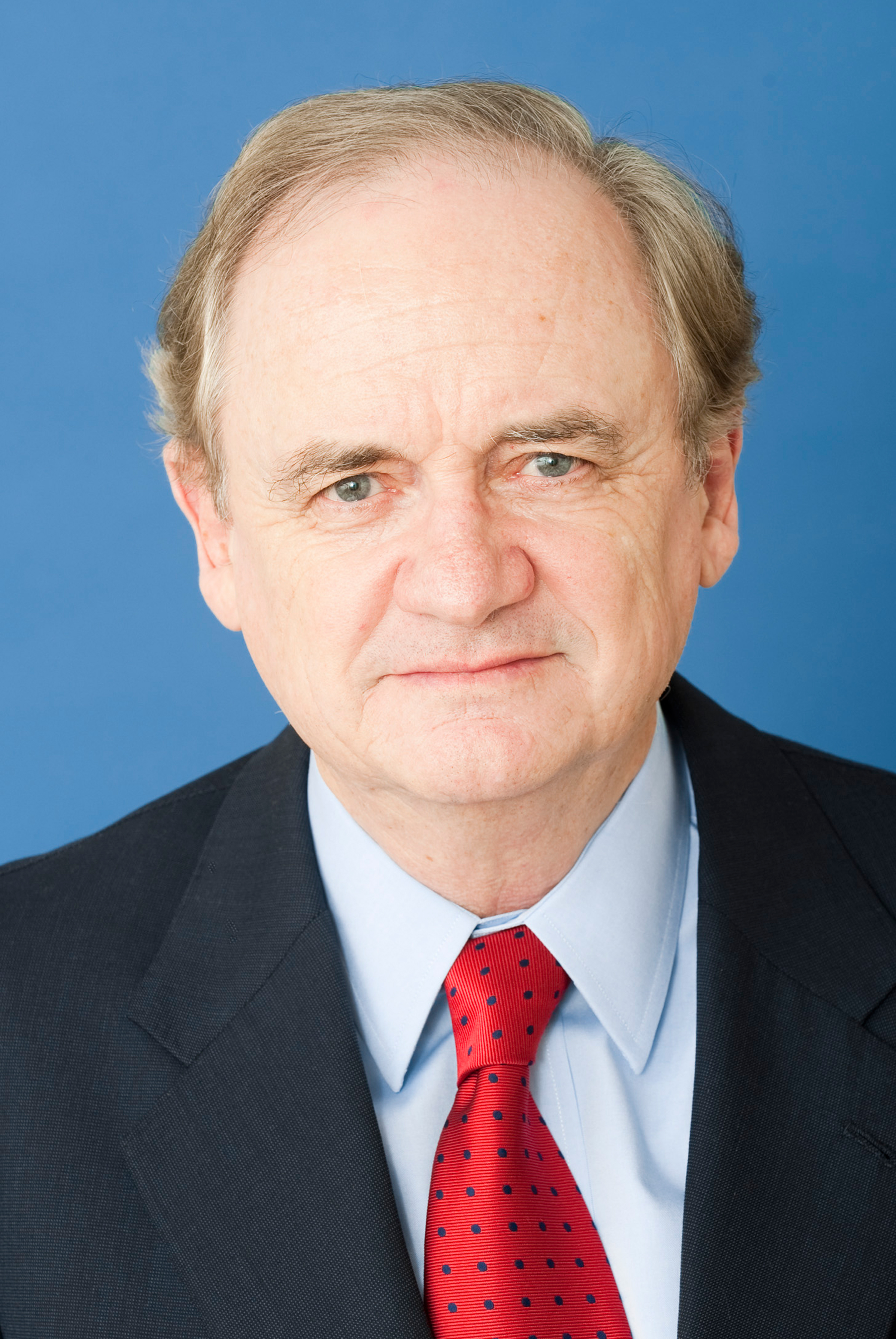
Former Senior Associate, International Economics Program
Foxley was previously minister of foreign affairs, senator, and minister of finance of the Republic of Chile. While minister of finance he concurrently served as a governor of the Inter-American Development Bank and the World Bank.
Recent Work
Alejandro Foxley, Fernando Sossdorf
Alejandro Foxley
Carnegie India does not take institutional positions on public policy issues; the views represented herein are those of the author(s) and do not necessarily reflect the views of Carnegie, its staff, or its trustees.

On March 10, 2026, India’s Union Cabinet approved amendments to Press Note 3, a regulation that mandated government approval on all foreign direct investment (FDI) from countries sharing a land border with India. This amendment raises questions primarily about whether its stated benefits will materialize and if the risks have been adequately weighed. This piece will address the same.

Konark Bhandari

This piece examines India’s response to U.S. sanctions and tariffs, specifically assessing the immediate market consequences, such as alterations in import costs, and the broader strategic implications for India’s energy security and foreign policy orientation.

Vrinda Sahai

This paper examines the evolution of India-China economic ties from 2005 to 2025. It explores the impact of global events, bilateral political ties, and domestic policies on distinct spheres of the economic relationship.

Santosh Pai
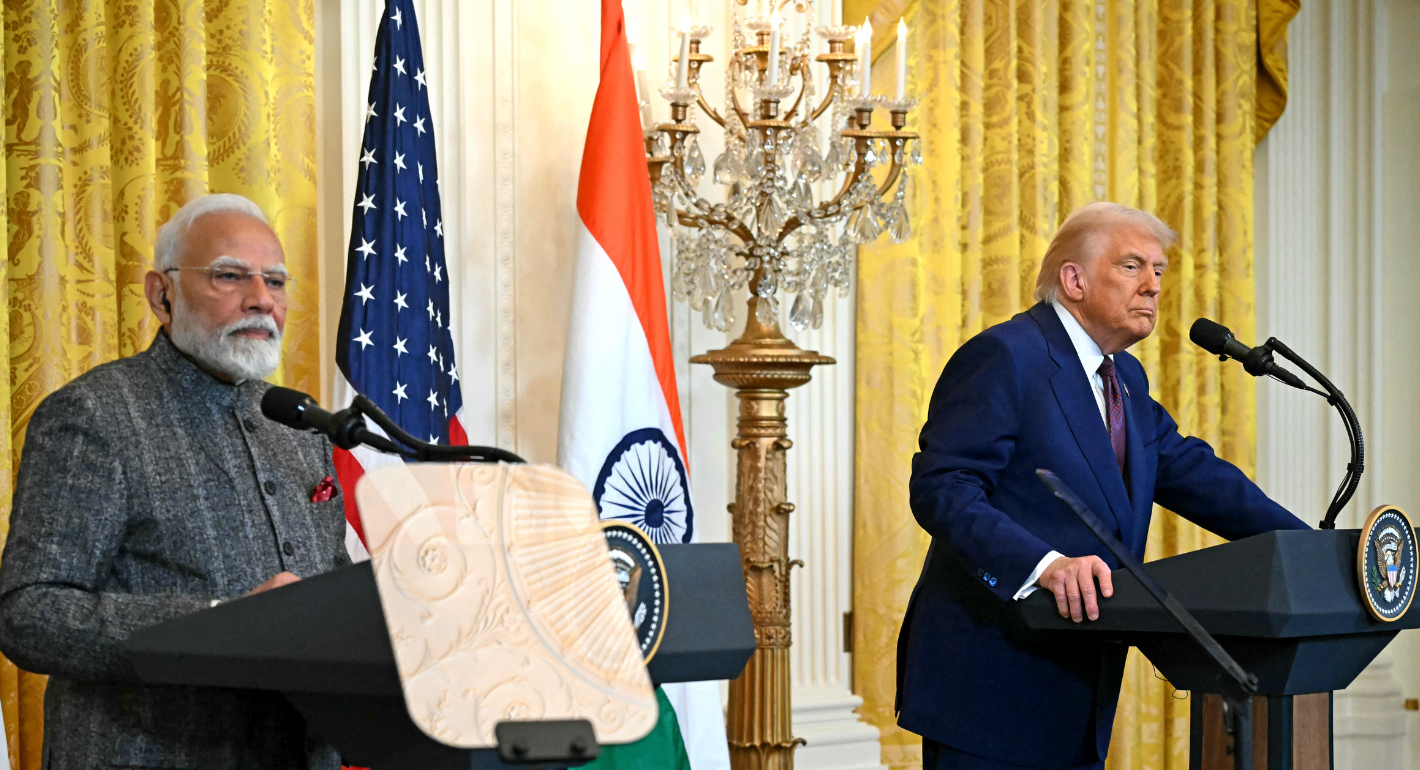
The India-U.S. relationship currently appears buffeted between three “Ts”—TRUST, Tariffs, and Trump.
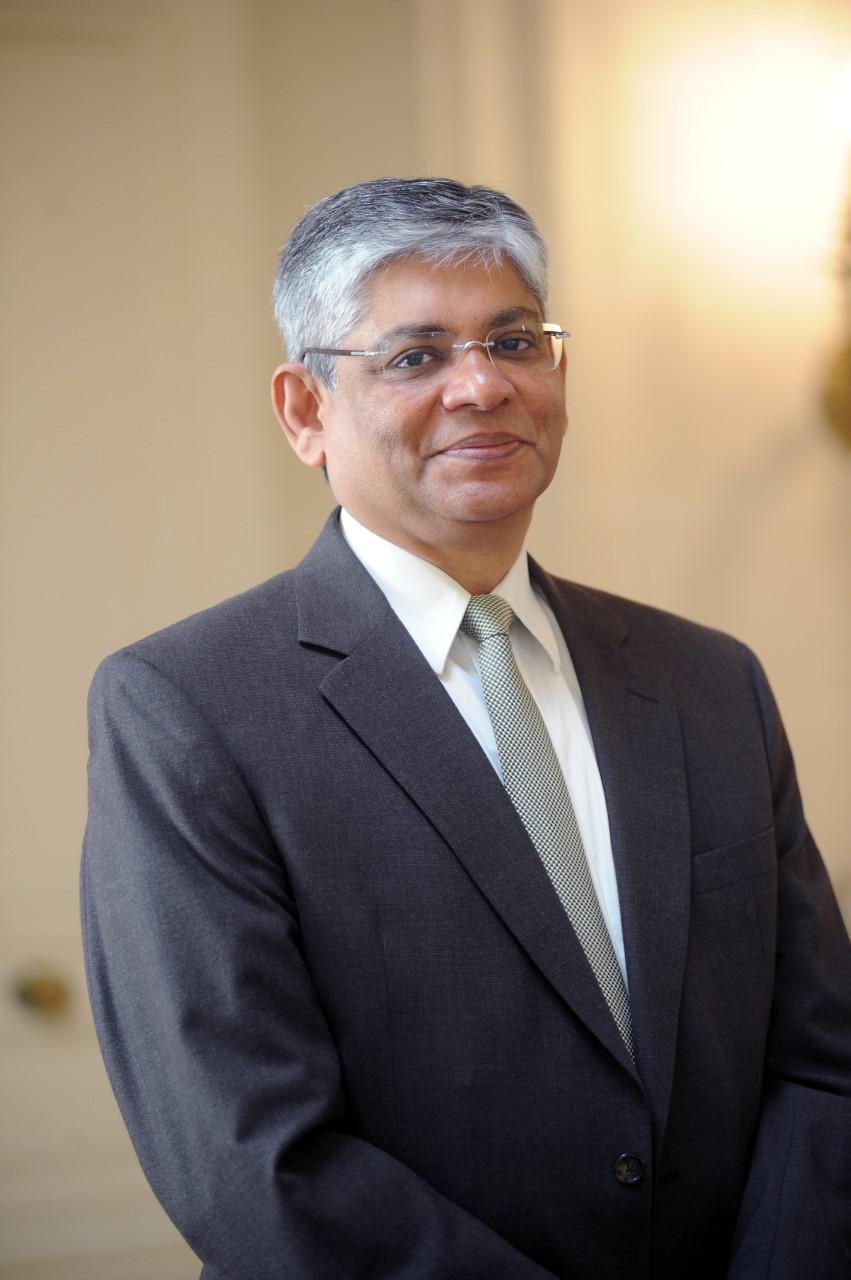
Arun K. Singh

This compendium brings together three essays by scholars who participated in Carnegie India's Security Studies Dialogue in 2024, each examining a different aspect of China’s policies. Drawing on their expertise and research, the authors offer fresh perspectives on key geopolitical challenges.


Vijay Gokhale, Suyash Desai, Amit Kumar, …