

Paper
Paul Salem
Source: Getty
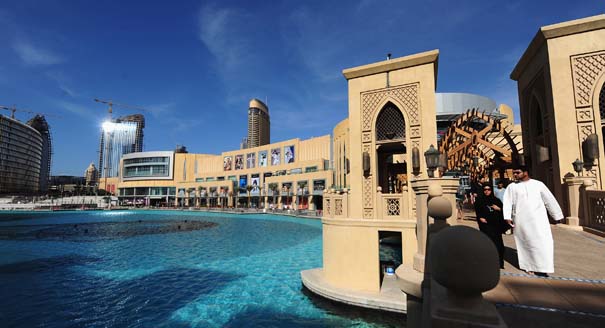
Arab countries have made progress since the mid-20th century in a number of basic development goals; however, entrenched authoritarianism has obstructed sustained human development and domestic pressure for reform has been effectively muzzled by incumbent regimes.
Arab countries have made progress since the mid-20th century in a number of basic development goals; however, entrenched authoritarianism has obstructed sustained human development, and most non-oil states still fall far short of the UN’s Millennium Development Goals. Domestic pressure for reform has been effectively muzzled by incumbent regimes; and international pressure, which came in the middle of the past decade from the United States, has been lifted with a return to realpolitik.
New players in the Arab world—such as Russia, China, India, Turkey and Brazil—emphasize political cooperation, state-to-state energy, investment and labor deals and infrastructure projects and do not raise democratic or rights issues. These trends threaten to further weaken momentum in the Arab world for democratization and to uncouple development from democratic progress, good governance, and respect for rights.
Today, most Arab regimes feel fairly secure and draw on a number of strengths.
First, they have developed very strong security and intelligence services that (like in Russia and China) effectively control restive populations.
Second, they have learned the art of allowing enough political space and participation to deflect international criticism and diffuse internal tensions, but not so much as to allow any significant participation in power or real decision-making.
Third, the political economy of these regimes remains sustainable. Much of their revenue comes from raw material and external rent. This has created dependent and collaborative capitalist and entrepreneurial cliques that share the spoils of investment and economic growth with the regimes.
Fourth, they enjoy strong support from the international community, for whom security issues have once again become the top priority. For the past two decades Arab regimes have argued that if they allowed democratization, radical Islamists would take over. Western policy makers have allowed this to become the decisive argument in their policy toward Egypt, Palestine, Algeria, Tunisia, and other countries, much to the comfort of those regimes.
Given the current comfort and security felt by Arab regimes today, reform momentum in the region is slowing. Civil society and much of the political opposition are pessimistic about the possibility of real change and disillusioned with the sham opportunities of managed openings and elections. Electoral participation has been declining in recent elections.
Parties that joined parliaments and governments have found that they enjoyed little real power to make decisions but nonetheless were blamed for governance failures, which cost them popularity. The society at large is increasingly concerned with economic and social hardships and is less available to focus on broader political and reform issues.
A new path may be clear in principle, but progress along it promises to be slow and difficult. There is no magic key or necessary sequence to democratization. It is better to invest in a wide array of mutually reinforcing initiatives that inform, empower, include, and activate wide cross-sections of a population and a large number of state and non-state institutions than to try to pick winners through support of a narrow range of initiatives.
For the international community, the emphasis on democratization and good governance has been well-placed and has had a significant, if inconclusive, effect.
Therefore the international community must maintain its moral and material commitment for democratization and good governance: support for civil society, media, judiciary, local government, parliaments, good governance units in the executive, women’s groups, handicapped groups, and marginalized ethnic or regional groups. External actors should also maintain a significant amount of pressure and conditionality on Arab regimes if these regimes want to be full players in the global economic and political community.
Unless recent trends change sharply in unforeseen ways, the hold of authoritarian regimes in the Arab world is likely to continue indefinitely, and this will continue to present a serious obstacle to thorough and sustained human development.
Senior Fellow at the Middle East Institute
Paul Salem is a senior fellow at the Middle East Institute.
Recent Work
Paul Salem
Paul Salem
Carnegie India does not take institutional positions on public policy issues; the views represented herein are those of the author(s) and do not necessarily reflect the views of Carnegie, its staff, or its trustees.

As India’s economy recovers from the coronavirus pandemic, Indian businesses need efficient financial structures to regain their ground. Key reforms to India’s Insolvency and Bankruptcy Code could fill these gaps.

Anirudh Burman

Access to cross-border data is an integral piece of the law enforcement puzzle. India is well placed to lead the discussions on international data agreements subject to undertaking necessary surveillance reforms.
Smriti Parsheera, Prateek Jha
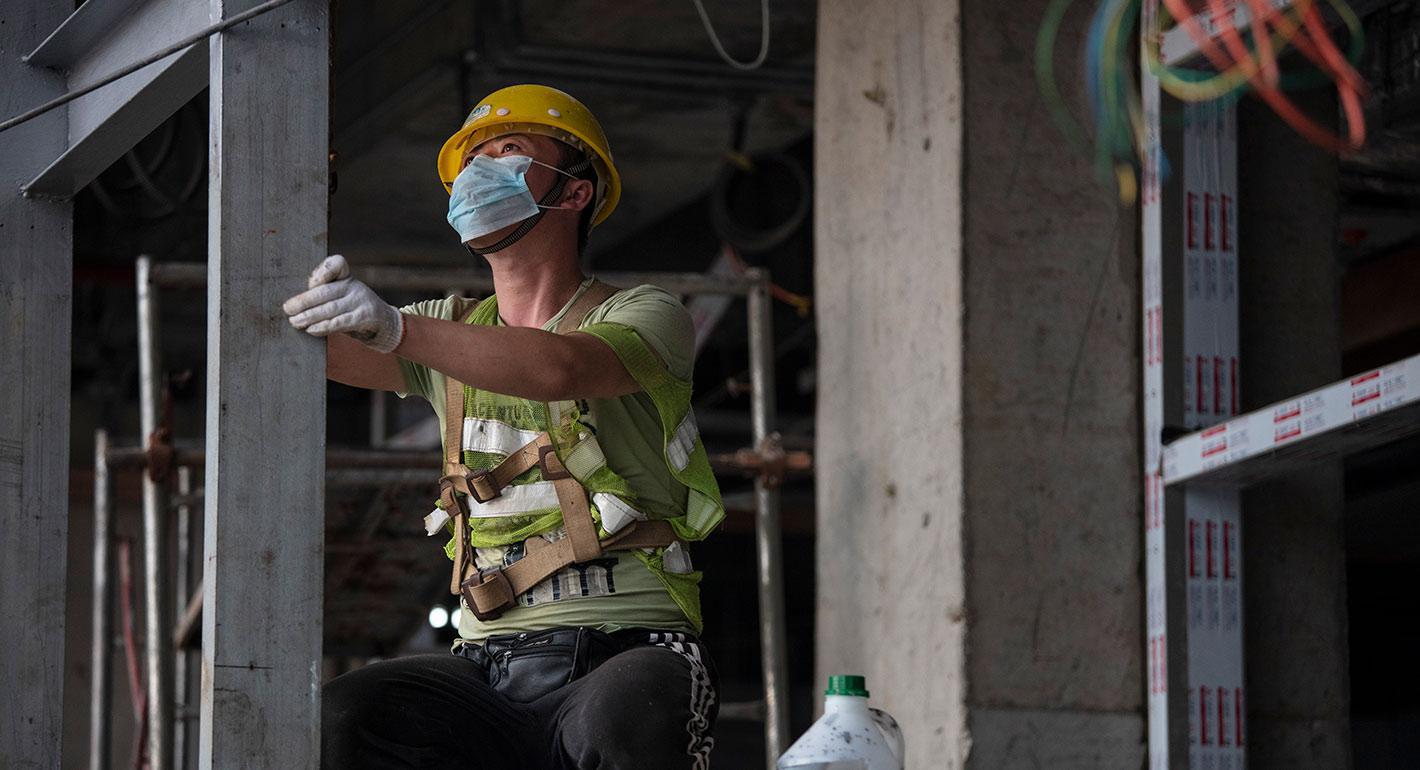
After the coronavirus pandemic wanes, how will China’s reorientation of the Belt and Road Initiative to address global health concerns influence its relationships with South Asian countries?
Deep Pal, Rahul Bhatia
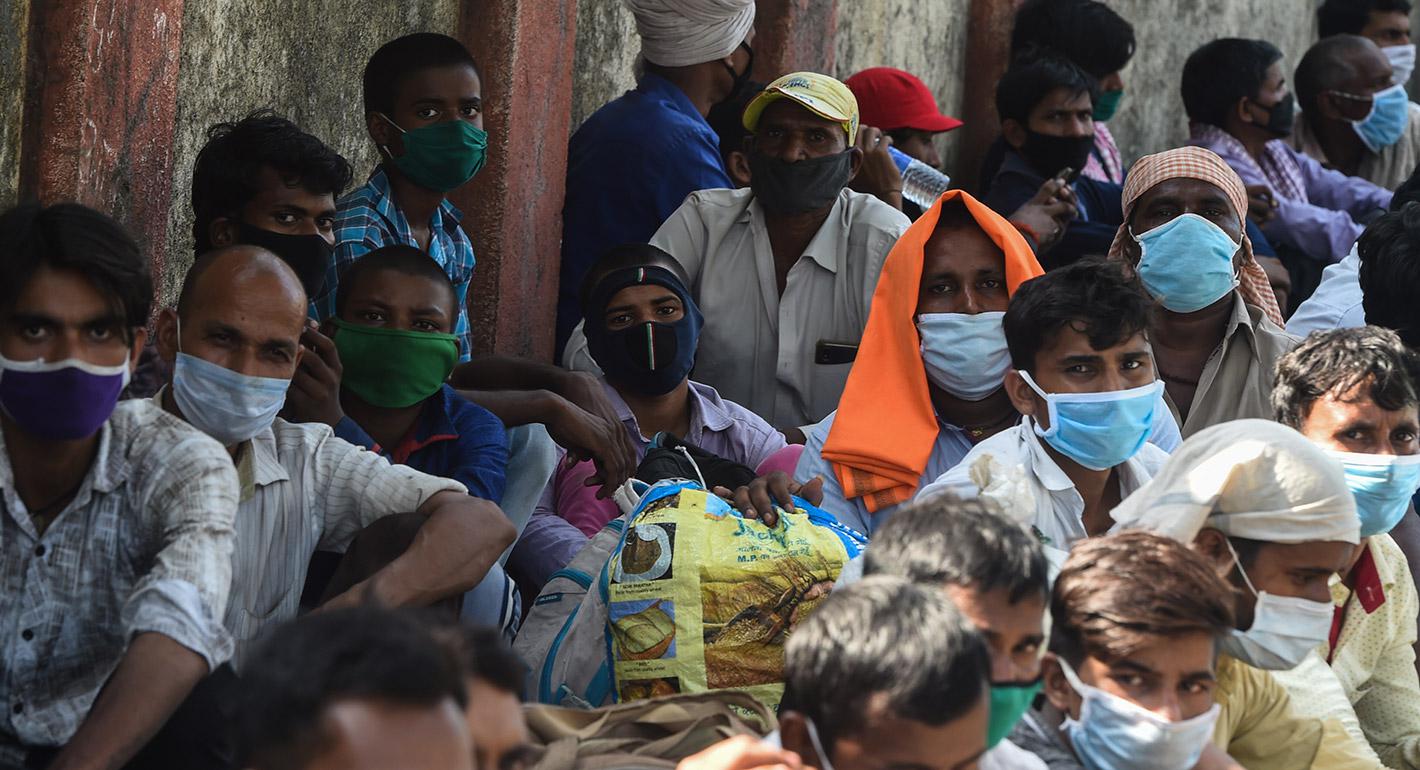
Early in the outbreak, government researchers forecast several high-risk scenarios that were downplayed or ignored in public messaging.
Gautam I. Menon
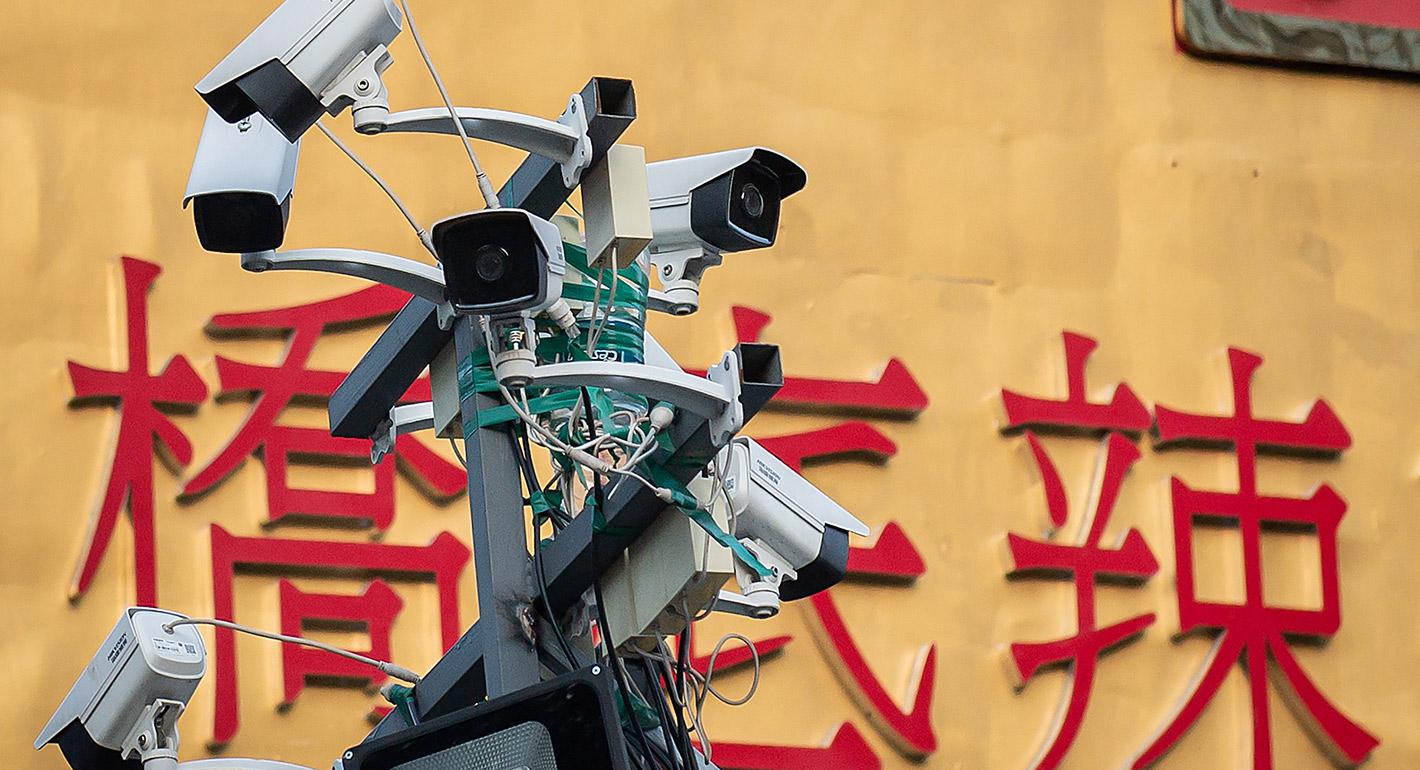
Governments around the world are turning to new forms of digital surveillance to monitor the spread of the coronavirus, though they are mostly using existing laws to do so.
Anirudh Burman