• Research
  • About
  • Experts
Carnegie India logoCarnegie lettermark logo
Exploring Uzbekistan’s Potential Political Transition

Source: Getty

Paper
Carnegie Russia Eurasia Center

Exploring Uzbekistan’s Potential Political Transition

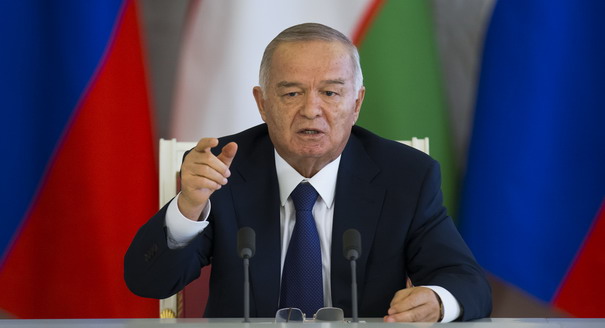
Though it is still too early to talk about the chances specific candidates have of replacing Uzbekistan’s President Islam Karimov, it is important to look closely at the current ruling elite and the president’s possible successors to see where the country might be heading.
Link Copied
By Alexey Malashenko
Published on Jul 16, 2014

Additional Links

Full TextРезюме
Project hero Image

Project

Eurasia in Transition

Learn More

Islam Karimov has essentially been in power in Uzbekistan since 1989. Rumors abound that Karimov will not take part in the country’s next presidential election in 2015, but it seems likely that he will participate. If he does, he is guaranteed to win. Though it is still too early to talk about the chances specific candidates have of replacing Karimov, it is important to look closely at the current ruling elite and the president’s possible successors to see where the country might be heading.

Possible Successors

  • The president’s eldest daughter, Gulnara Karimova, and the National Security Service chief, Rustam Inoyatov, are seen as the main actors in the struggle to gain the presidency after Karimov’s departure, though there are a number of other potential candidates from both Uzbekistan’s powerful clans and the government.
     
  • The president’s daughter is one of the richest people in the country. She has conducted local and foreign business transactions in violation of both national and European laws, expecting her father’s protection. This undermined Uzbekistan’s image, drawing father and daughter into conflict.
     
  • Inoyatov is Uzbekistan’s second most influential figure. He dismantled Gulnara’s business empire and placed her under house arrest at the president’s behest. Some experts believe that he is staking a claim to Karimov’s seat and considers the president’s daughter his main rival.
     
  • Two other potential candidates are the current prime minister, Shavkat Mirziyoyev, and the deputy prime minister and finance minister, Rustam Azimov.

Conclusions

  • Karimov will decide when and to whom to transfer power. The president recently proposed constitutional changes that would give some presidential powers to the legislative and executive branches. This may signify his gradual exit from power, but the changes could also provide Karimov with legal grounds for running for president again.
     
  • Inoyatov is likely to remain one of the key players during the power transition. Gulnara Karimova has little public support and is unlikely to succeed as an opposition figure or to be the successor.
     
  • External actors are likely to have limited influence on the transition.
     
  • Regardless of who emerges as the next president, regional clans and their political representatives will have a significant influence on the balance of power in the country.
     
  • The eventual power transition is most likely to be peaceful, with interest groups and clans coming to an agreement to avoid instability. Yet, if a clan is dissatisfied with the new arrangement, it may appeal for public support and provoke social protests with an Islamist core.

Read Full Text

About the Author

Alexey Malashenko

Former Scholar in Residence, Religion, Society, and Security Program

Malashenko is a former chair of the Carnegie Moscow Center’s Religion, Society, and Security Program.

    Recent Work

  • Commentary
    What Will Uzbekistan’s New President Do?

      Alexey Malashenko

  • Commentary
    Preserving the Calm in Russia’s Muslim Community

      Alexey Malashenko

Alexey Malashenko
Former Scholar in Residence, Religion, Society, and Security Program
Alexey Malashenko
Central AsiaUzbekistanPolitical ReformReligion

Carnegie India does not take institutional positions on public policy issues; the views represented herein are those of the author(s) and do not necessarily reflect the views of Carnegie, its staff, or its trustees.
More Work from Carnegie India

  • Paper
    India’s Sustained Economic Recovery Will Require Changes to Its Bankruptcy Law

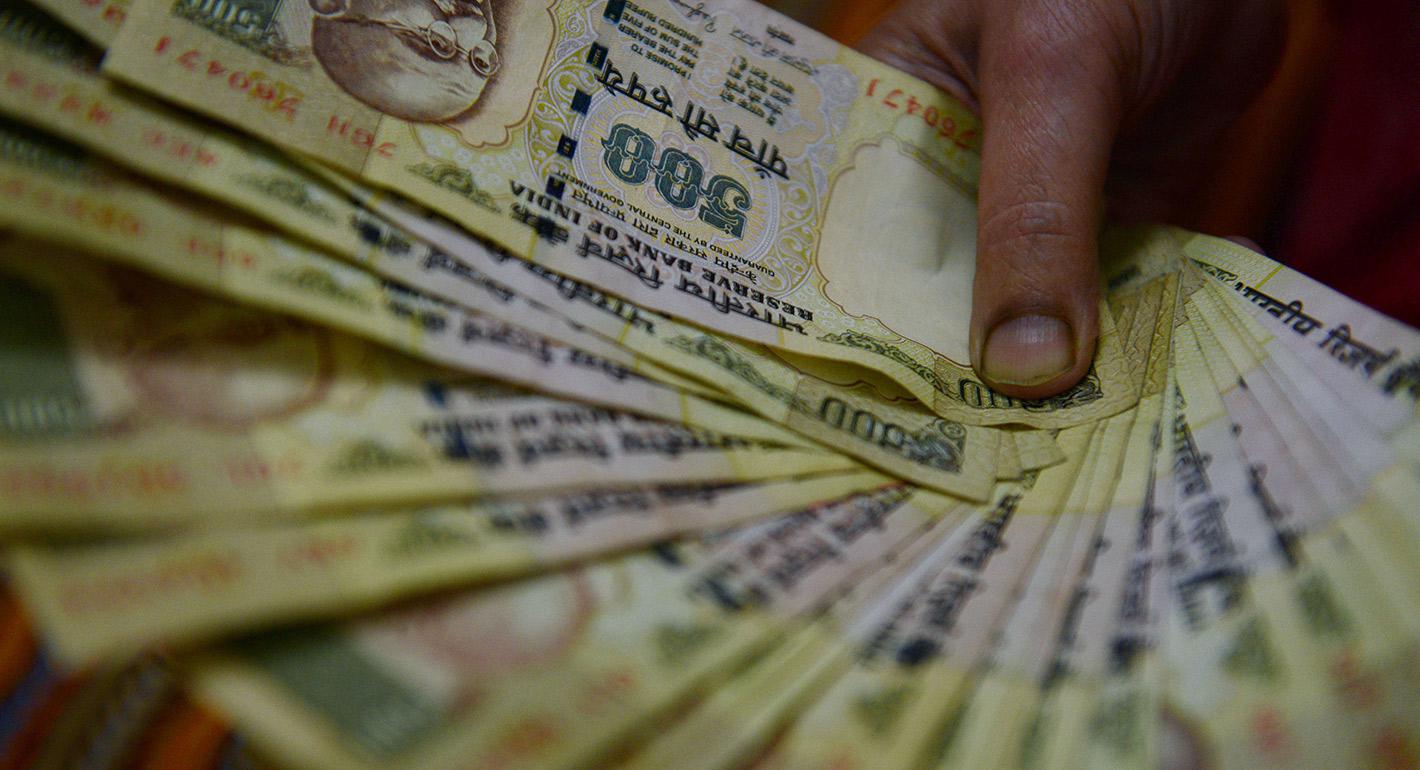
    As India’s economy recovers from the coronavirus pandemic, Indian businesses need efficient financial structures to regain their ground. Key reforms to India’s Insolvency and Bankruptcy Code could fill these gaps.

      Anirudh Burman
  • Paper
    Cross-Border Data Access for Law Enforcement: What Are India’s Strategic Options?

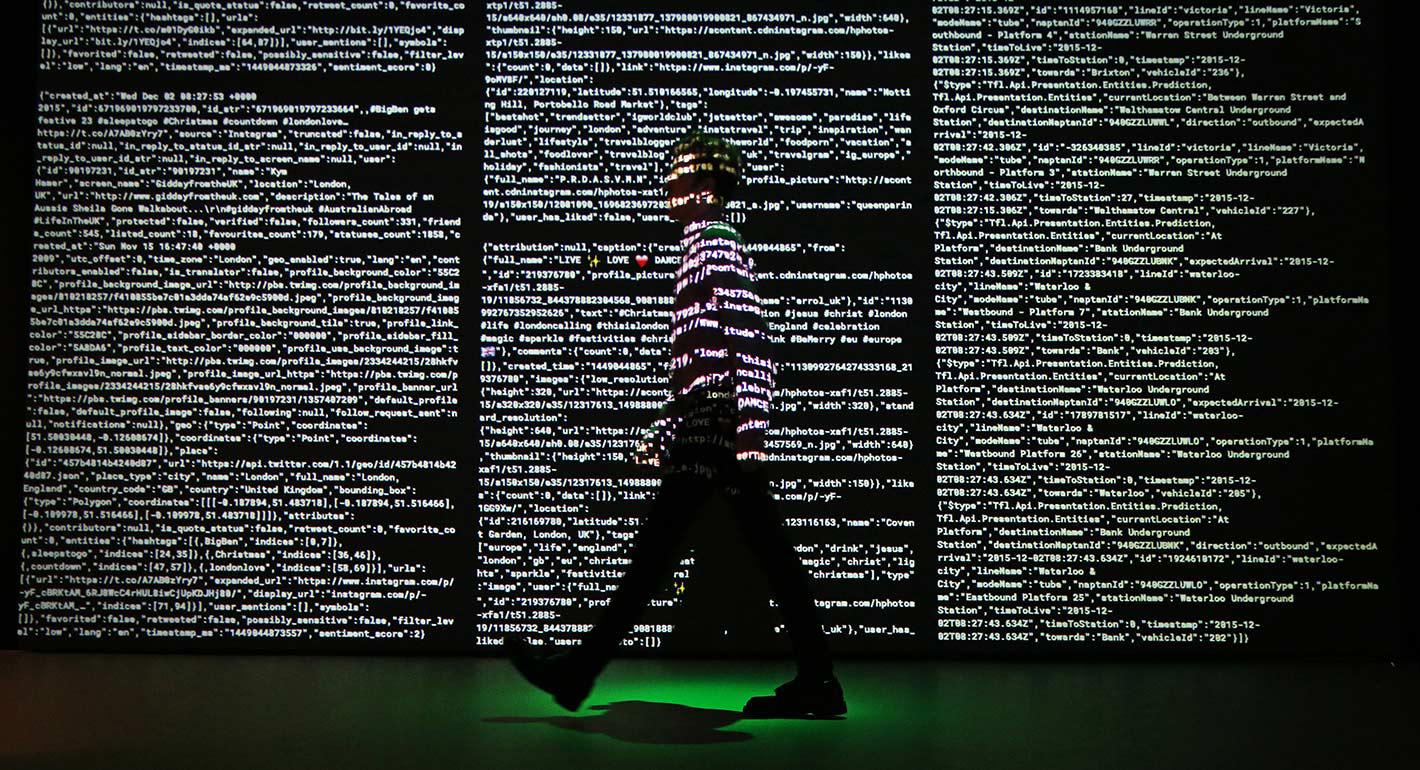
    Access to cross-border data is an integral piece of the law enforcement puzzle. India is well placed to lead the discussions on international data agreements subject to undertaking necessary surveillance reforms.
      Smriti Parsheera, Prateek Jha
  • Article
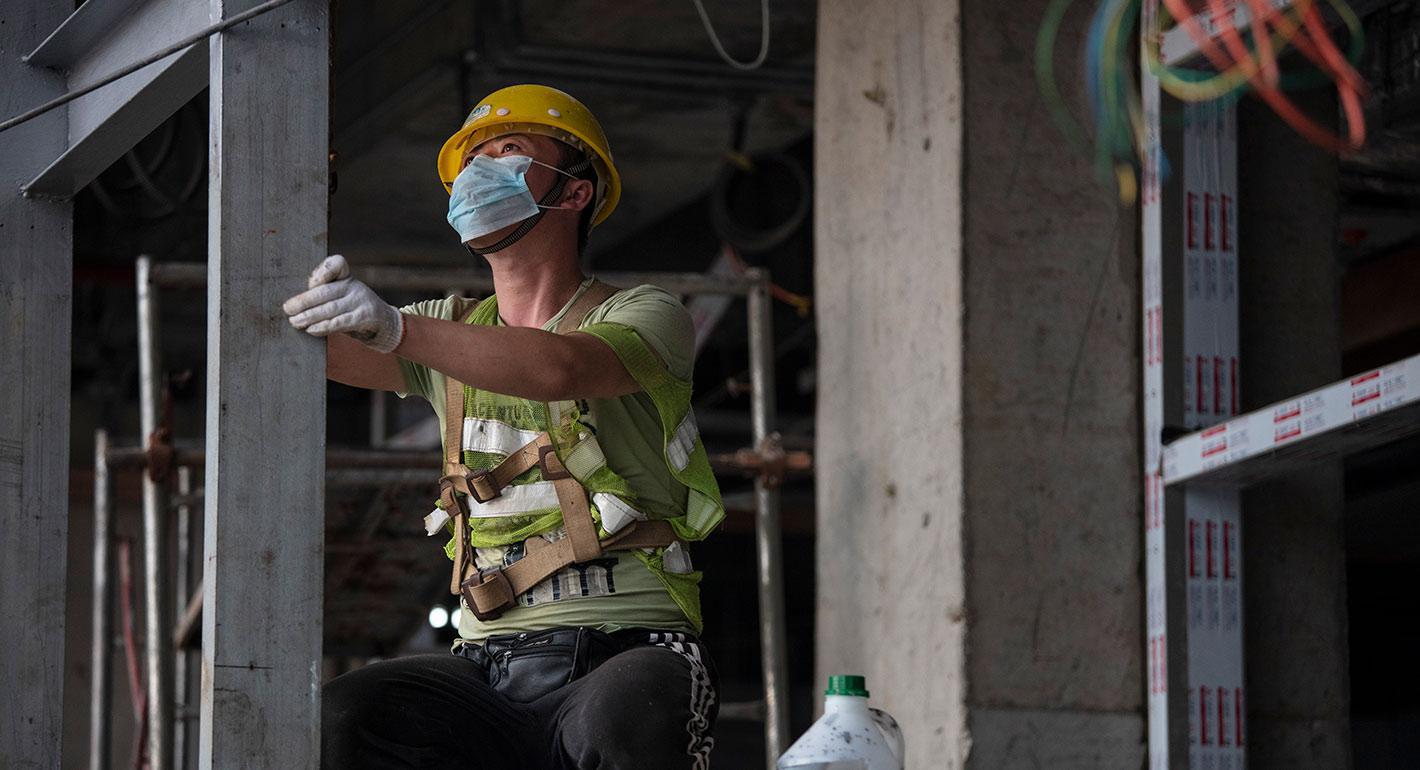
    The BRI in Post-Coronavirus South Asia

    After the coronavirus pandemic wanes, how will China’s reorientation of the Belt and Road Initiative to address global health concerns influence its relationships with South Asian countries?

      Deep Pal, Rahul Bhatia
  • Commentary
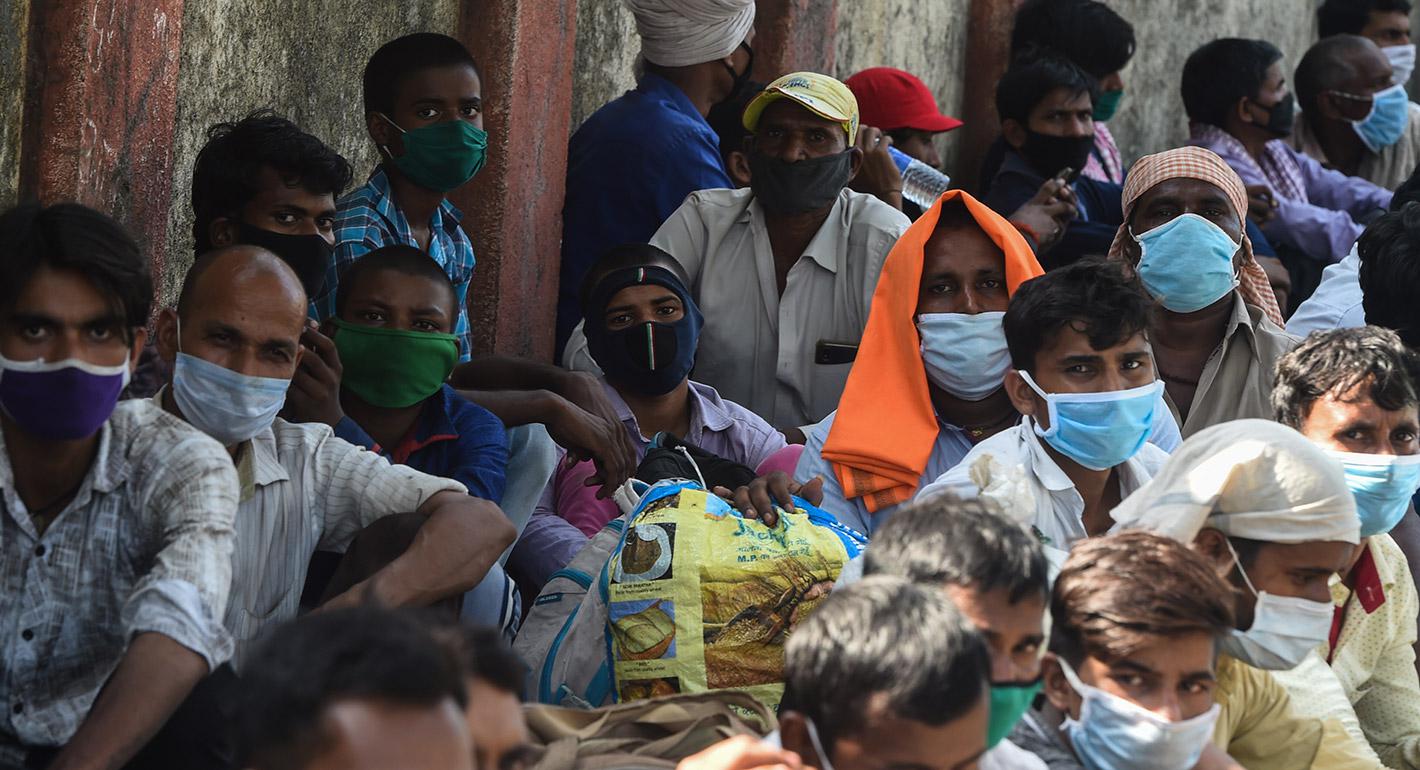
    India’s Unheeded Coronavirus Warning

    Early in the outbreak, government researchers forecast several high-risk scenarios that were downplayed or ignored in public messaging.

      Gautam I. Menon
  • Article
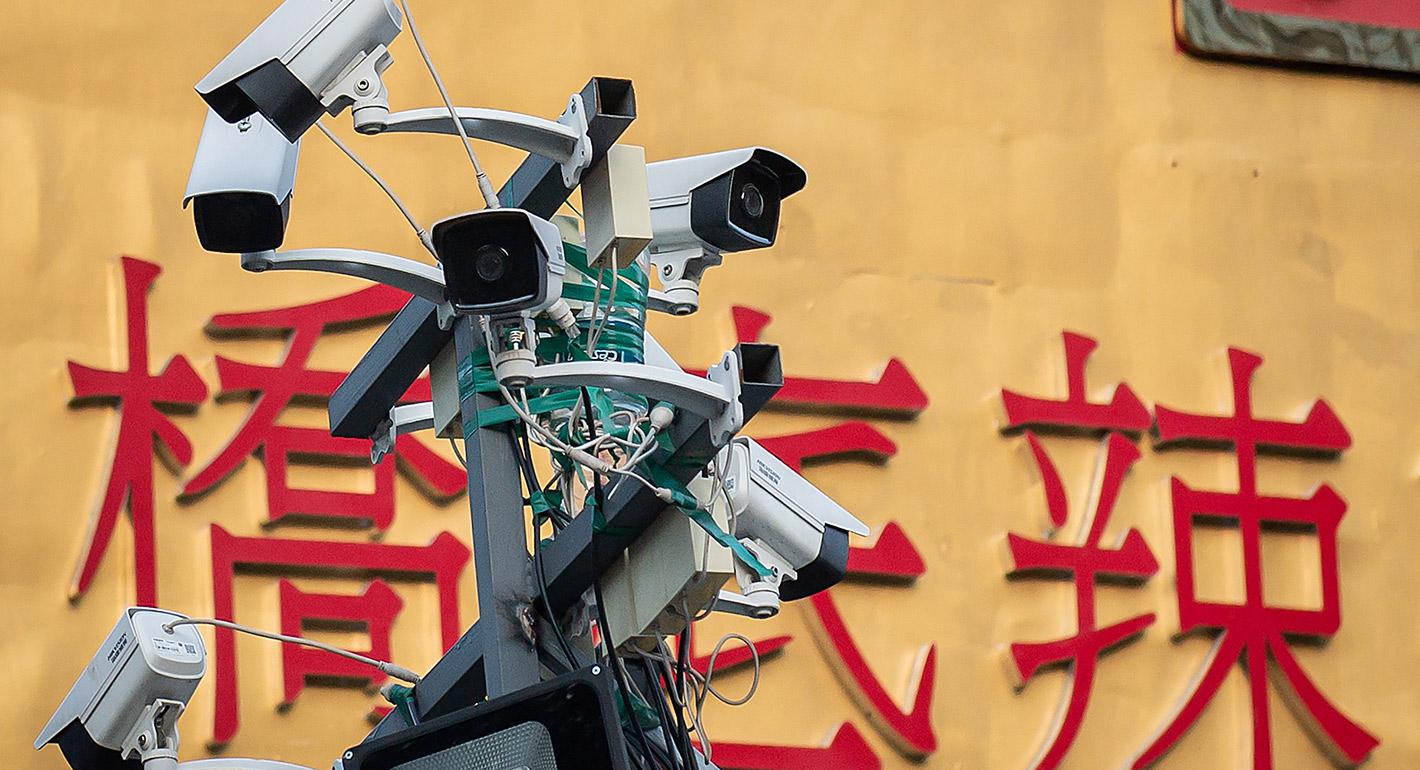
    Intrusive Pandemic-Era Monitoring Is the Same Old Surveillance State, Not a New One

    Governments around the world are turning to new forms of digital surveillance to monitor the spread of the coronavirus, though they are mostly using existing laws to do so.

      Anirudh Burman

Get more news and analysis from
Carnegie India
Carnegie India logo, white
Unit C-4, 5, 6, EdenparkShaheed Jeet Singh MargNew Delhi – 110016, IndiaPhone: 011-40078687
  • Research
  • About
  • Experts
  • Projects
  • Events
  • Contact
  • Careers
  • Privacy
  • For Media
Get more news and analysis from
Carnegie India
© 2026 Carnegie Endowment for International Peace. All rights reserved.