

Article
Frederic Grare
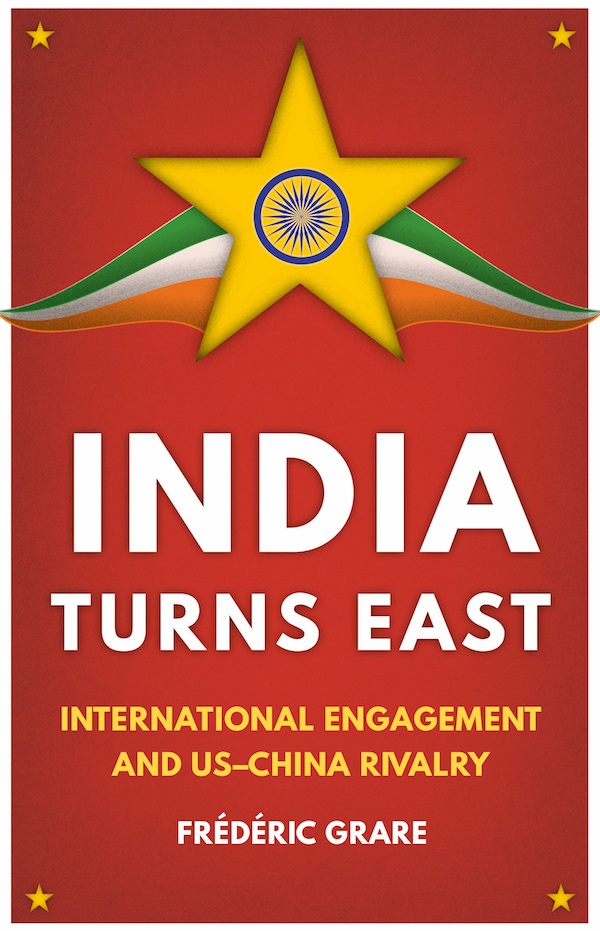
Charting India’s uneasy relationship with China since the 1962 War and New Delhi’s burgeoning strategic realignment.
Source: Hurst Publishers, 2017
India Turns East tells the story of India’s long and difficult journey to reclaim its status in a rapidly changing Asian environment increasingly shaped by the US-China rivalry and the uncertainties of US commitment to Asia’s security. The Look East policy initially aimed at reconnecting India with Asia’s economic globalisation. As China became more assertive, Look East rapidly evolved into a comprehensive strategy with political and military dimensions.
Frédéric Grare argues that, despite this rapprochement, the congruence of Indian and US objectives regarding China is not absolute. The two countries share similar concerns, but differ in their tactics as well as their thoughts about the role China should play in the emerging regional architecture. Moreover, though bilateral US policies are usually perceived positively in New Delhi, paradoxically, the multilateral dimensions of the US Rebalance to Asia policy sometimes pushes New Delhi closer to Beijing’s positions than to Washington’s. This important new book explores some of the possible ways out of India’s ‘Eastern’ dilemma.
“An important and thoughtful study of India’s response to the rise of China, its relationship with South East Asia and its emerging friendship with the United States.”
—Gareth Price, Senior Research Fellow, Asia Programme, Chatham House
“India Turns East recounts how India refocused its attention on trade and investment towards East Asia from the early 1990s onwards. Lucidly written and well researched, it deals with developments that have widespread implications for international relations given the growing economic importance of Asia.”
—Athar Hussain, Director of the Asia Research Centre, LSE
“Whether India continues to rise and prosper depends on the success of its Look East policy. This fine book, by one of the most perceptive analysts working on the region’s strategic dynamics, examines the origins, present state, and likely prospects of New Delhi’s reengagement of East Asia.”
—Ian Hall, Professor of International Relations and Acting Director, Griffith Asia Institute
“With a rising, increasingly belligerent China and an uncertain commitment to the region by the US, Grare’s book is essential reading on the challenges that India faces as it navigates multiple changes in the region. A masterly study.”
—Amitabh Mattoo, Professor of International Relations, University of Melbourne and Jawaharlal Nehru University, New Delhi
“India Turns East is an insightful analysis of India’s strategic and economic options in Asia. Grare particularly looks into the strategic triangle – India, US and China – and how the Look East Policy becomes a tool for India to “reassert itself on the regional scale”. Anyone seeking nuanced analysis of India’s Look East Policy should read this book.”
—Thongkholal Haokip, Assistant Professor, Centre for the Study of Law and Governance, Jawaharlal Nehru University, New Delhi; author of India’s Look East Policy and the Northeast
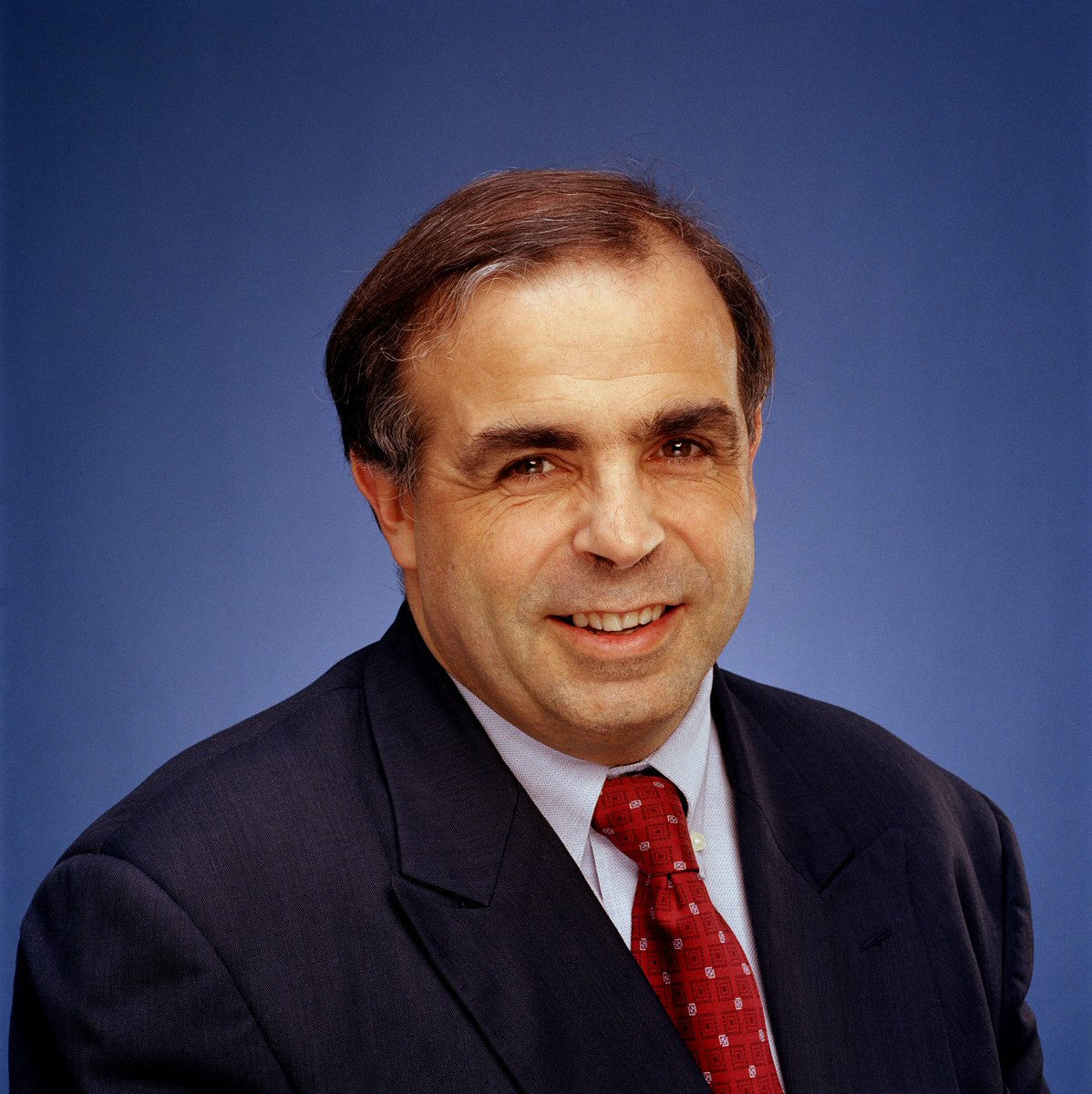
Former Nonresident Senior Fellow, South Asia Program
Frédéric Grare was a nonresident senior fellow at the Carnegie Endowment for International Peace, where his research focuses on Indo-Pacific dynamics, the search for a security architecture, and South Asia Security issues.
Recent Work
Frederic Grare
Frederic Grare
Carnegie India does not take institutional positions on public policy issues; the views represented herein are those of the author(s) and do not necessarily reflect the views of Carnegie, its staff, or its trustees.

This piece argues that the present Indian strategy, based on opportunistic diversification and utilization of limited strategic reserves, remains inadequate when confronting supply disruptions. It evaluates India’s options in the short, medium, and long terms.

Vrinda Sahai

India and the United States are close to concluding a Reciprocal Defense Procurement Agreement (RDPA) that will allow firms from the two countries to sell to each other’s defense establishments more easily. While this may not remedy the specific grievances both sides may have regarding larger bilateral issues, an RDPA could restore some momentum, following the trade deal announcement.

Konark Bhandari

On the last day of the India AI Impact Summit, India signed Pax Silica, a U.S.-led declaration seemingly focused on semiconductors. While India’s accession to the same was not entirely unforeseen, becoming a signatory nation this quickly was not on the cards either.
Konark Bhandari

On January 12, 2026, India's "workhorse," the Polar Satellite Launch Vehicle, experienced a consecutive mission failure for the first time in its history. This commentary explores the implications of this incident on India’s space sector and how India can effectively address issues stemming from the incident.

Tejas Bharadwaj
Connecting real-world AI use cases across sectors such as health, education, agriculture, and livelihoods can help policymakers, innovators, and institutions align around a shared goal. This article looks at a framework ensuring that AI works for everyone.
Shalini Kapoor, Tanvi Lall