

Commentary
- +8
Sophia Besch, Eric Ciaramella, Steve Feldstein, …

The roots of India’s democratic backsliding predate the BJP’s resurgence, but the trends have intensified in the past 10 years. While the party’s disappointing performance in the 2024 elections suggests a possible corrective, legislative capture in India will not easily unravel.

Director and Senior Fellow, South Asia Program
Milan Vaishnav is a senior fellow and director of the South Asia Program and the host of the Grand Tamasha podcast at the Carnegie Endowment for International Peace. His primary research focus is the political economy of India, and he examines issues such as corruption and governance, state capacity, federalism, and electoral behavior. He also conducts research on the Indian diaspora.
Recent Work



Sophia Besch, Eric Ciaramella, Steve Feldstein, …


Louise Tillin, Milan Vaishnav, Andy Robaina
Carnegie India does not take institutional positions on public policy issues; the views represented herein are those of the author(s) and do not necessarily reflect the views of Carnegie, its staff, or its trustees.

How is AI reshaping space security, creating governance challenges, and where does international diplomacy stand today?


Tejas Bharadwaj, Almudena Azcárate Ortega

After the chill in ties between 2020 and 2024 that brought India–China relations to their lowest point in several decades, the two countries have engaged each other afresh. This paper argues that there are predominantly four imperatives guiding India’s approach to China, and they exist in an order of priority.

Saheb Singh Chadha

This piece argues that India’s central challenge is not managing a single flashpoint but resolving the underlying tension between expansion and institutional coherency of the BRICS grouping.

Vrinda Sahai
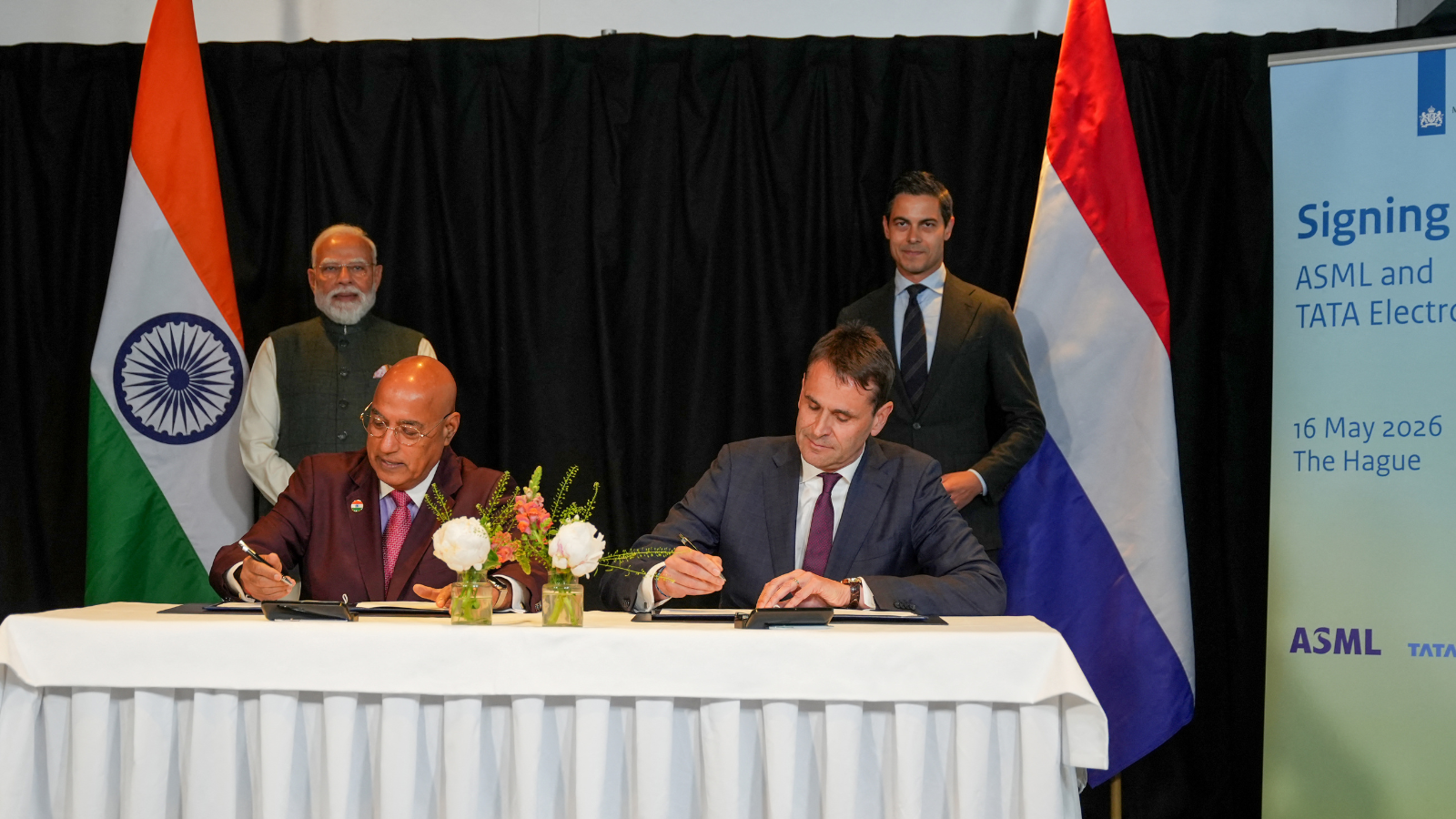
The ASML MoU with Tata Electronics is an indicator of how far the Indian semiconductor ecosystem has come. This ecosystem has been years in the making and represents real commercial logic.

Konark Bhandari
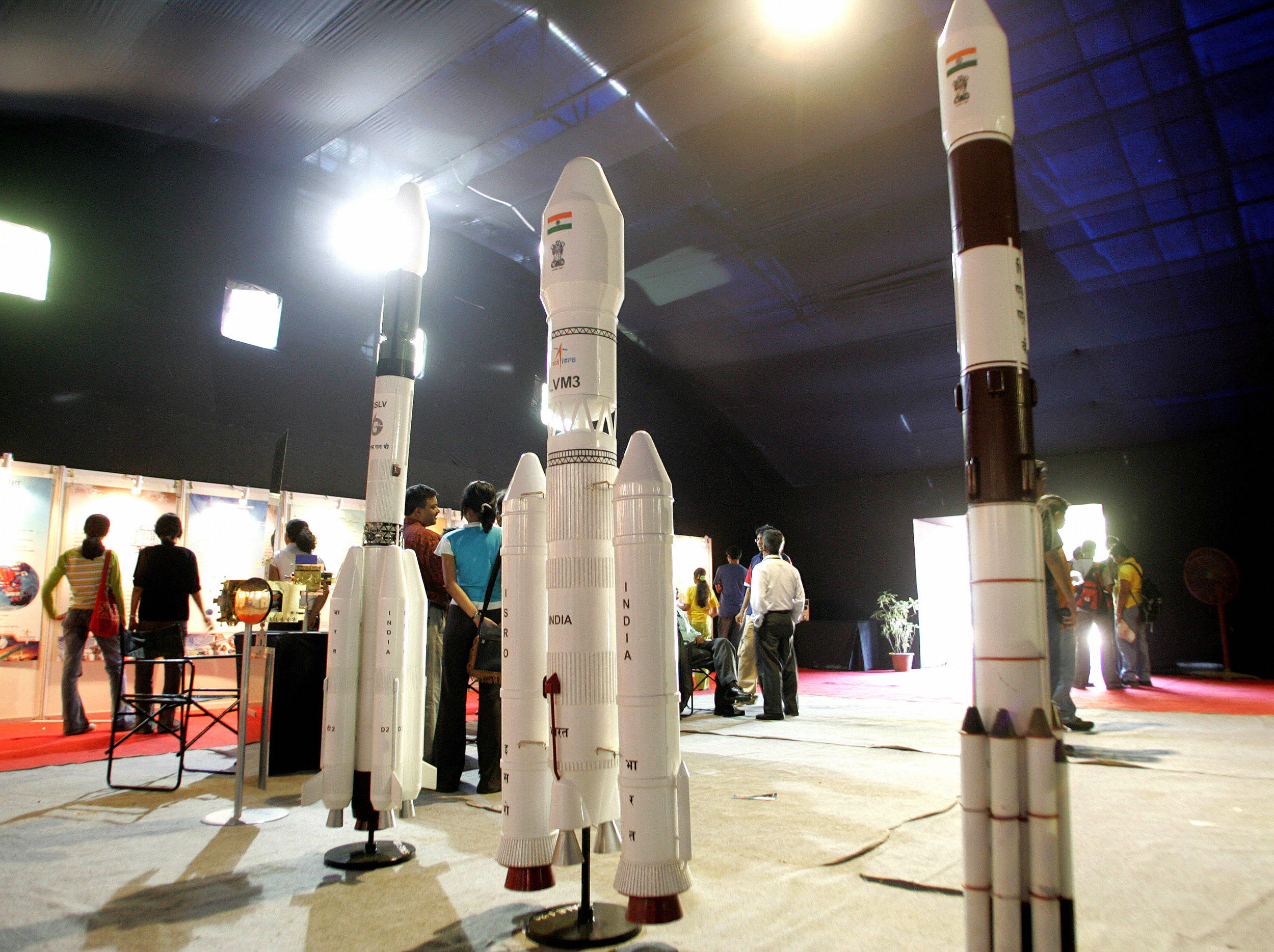
This paper examines the relationship between India’s evolving space policy and the corresponding growth in private space ventures. It analyzes both the enabling factors created by recent regulatory changes and the persistent challenges facing entrepreneurs in this capital-intensive, highly regulated industry.
Harshan Vazhakunnam