

Commentary
Aron Lund
{
  "authors": [
    "Aron Lund"
  ],
  "type": "commentary",
  "blog": "Diwan",
  "centerAffiliationAll": "",
  "centers": [
    "Carnegie Endowment for International Peace"
  ],
  "collections": [],
  "englishNewsletterAll": "",
  "nonEnglishNewsletterAll": "",
  "primaryCenter": "Carnegie Endowment for International Peace",
  "programAffiliation": "",
  "programs": [],
  "projects": [],
  "regions": [
    "Palestine",
    "Syria"
  ],
  "topics": []
}

Source: Getty
The Syrian war has been a disaster for the country’s Palestinian refugee population. The half-million Palestinians who have lived in the country since they were driven out by Israeli forces in 1948 were sharply divided over the 2011 revolution.
The Syrian war has been a disaster for the country’s Palestinian refugee population. The half-million Palestinians who have lived in the country since they were driven out by Israeli forces in 1948 were sharply divided over the 2011 revolution. While many activists sympathized with the Syrian demonstrators, others viewed Assad’s regime as the last remaining bulwark for military resistance against Israel and appreciated its support to those rejectionist Palestinian factions that held out for a comprehensive refugee return to Israel proper.
Fatah and the mainstream PLO factions sought, as did perhaps most Syrian Palestinians, to keep out of the conflict. Islamists generally went along with their Sunni Muslim brethren in the Syrian uprising and even Hamas was soon forced to readjust its pro-Assad position, after being caught in a breakdown of relations between its main sponsors (Qatar, Turkey vs. Syria, Iran).
From summer 2012 onwards, the war reached the Palestinian refugee camps. Most symbolically, the large Yarmouk Camp in southern Damascus was engulfed in fighting, with the vast majority of civilian residents forced to flee their homes. Some have since returned to the ruins of Yarmouk, but most remain scattered across the capital, often in miserable conditions. Further tens of thousands have gone into a painful second exile, fleeing across the borders into Jordan or Lebanon, despite the harsh discrimination against incoming Palestinian refugees that is practiced by both countries.
Throughout this sad story, a minority of factions from within the Syrian-Palestinian community have stayed at Assad’s side, even fighting for the government. Some are so small as to be nearly irrelevant—including al-Saiqa, Farhan Abul-Heija’s Palestinian wing of the Baath Party, and Fath al-Intifada, a small Syrian-backed Fatah splinter now led by one Abu Hazem—but one larger group stands out for its unflinching commitment to the Assad regime.
The Popular Front for the Liberation of Palestine-General Command, or PFLP-GC, is led by a septuagenarian former captain in the Syrian army, Ahmed Jibril. Ever since its creation in the 1960s, as a splinter from the larger, Marxist-Leninist PFLP, it has loyally served Syrian intelligence. Aided by Assad’s army, the PFLP-GC retained a considerable presence in the refugee camps of Syria and Lebanon after the 1993 Oslo Agreement, even as it dwindled into insignificance in all other parts of Palestine and its diaspora.
In 2011, Ahmed Jibril took the lead in suppressing Palestinian dissent, organizing pro-government militias where PFLP-GC members acted as “the hard core of a Palestinian cocktail.” When major fighting began in the camps in late 2012, the group was badly mauled by rebel attacks and several members split from Jibril’s leadership, but he himself would not budge. Today, the weakened PFLP-GC remains just as fervently pro-Assad as before, even vowing to launch counter-attacks if the United States would dare attack Syria. Whether it has the capacity to do so is another matter.
On the whole, however, the remarkable thing is not how many Palestinians are fighting for Assad, but how few have been willing to do so. Despite half a century of investment in Palestinian politics, the Baath could not count on the refugees to line up behind it when trouble began.
Between the extremes of fanatic regime supporters and its equally militant opponents, much of the Syrian-Palestinian mainstream seems to have turned away from Assad in disgust, as soon as his control over their lives was weakened. After all, no government except Israel’s has killed as many Palestinians as the Assad regime, infamous for its part in atrocities such as the 1976 Tell al-Zaatar massacre in Lebanon. And with missiles and mortars now pounding anti-Assad rebels in the refugee camps of Syria, the number just keeps rising.
Former Nonresident Fellow, Middle East Program
Aron Lund was a nonresident fellow in the Middle East Program and the author of several reports and books on the Syrian opposition movement.
Recent Work
Aron Lund
Aron Lund
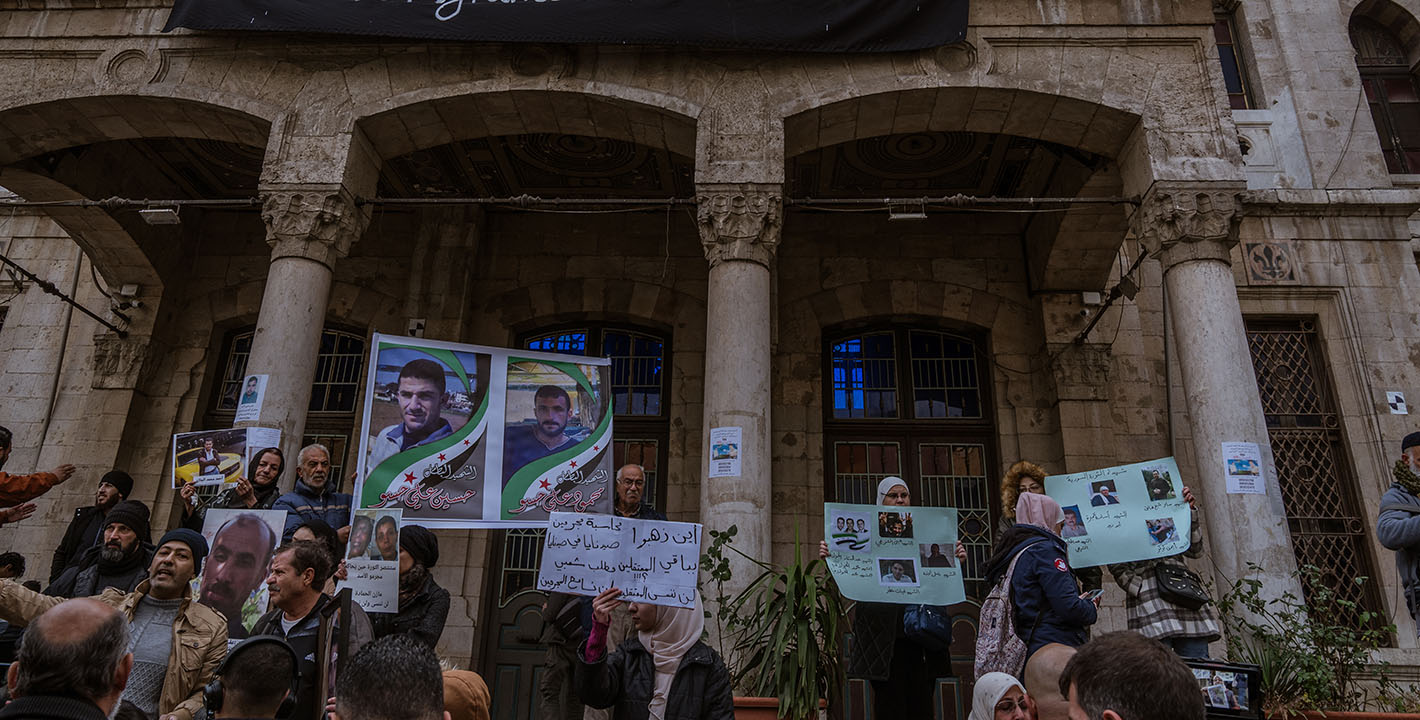
Reconciliation councils are emerging throughout the country to mediate in intracommunal disputes, many from the war years.
Natacha Danon

In an interview, Sohaib Jawhar analyzes the profound changes in the ties between the neighboring countries.

Michael Young

By failing to address Palestinian representation, the current process is bound to lead to just another temporary arrangement.

Nathan J. Brown
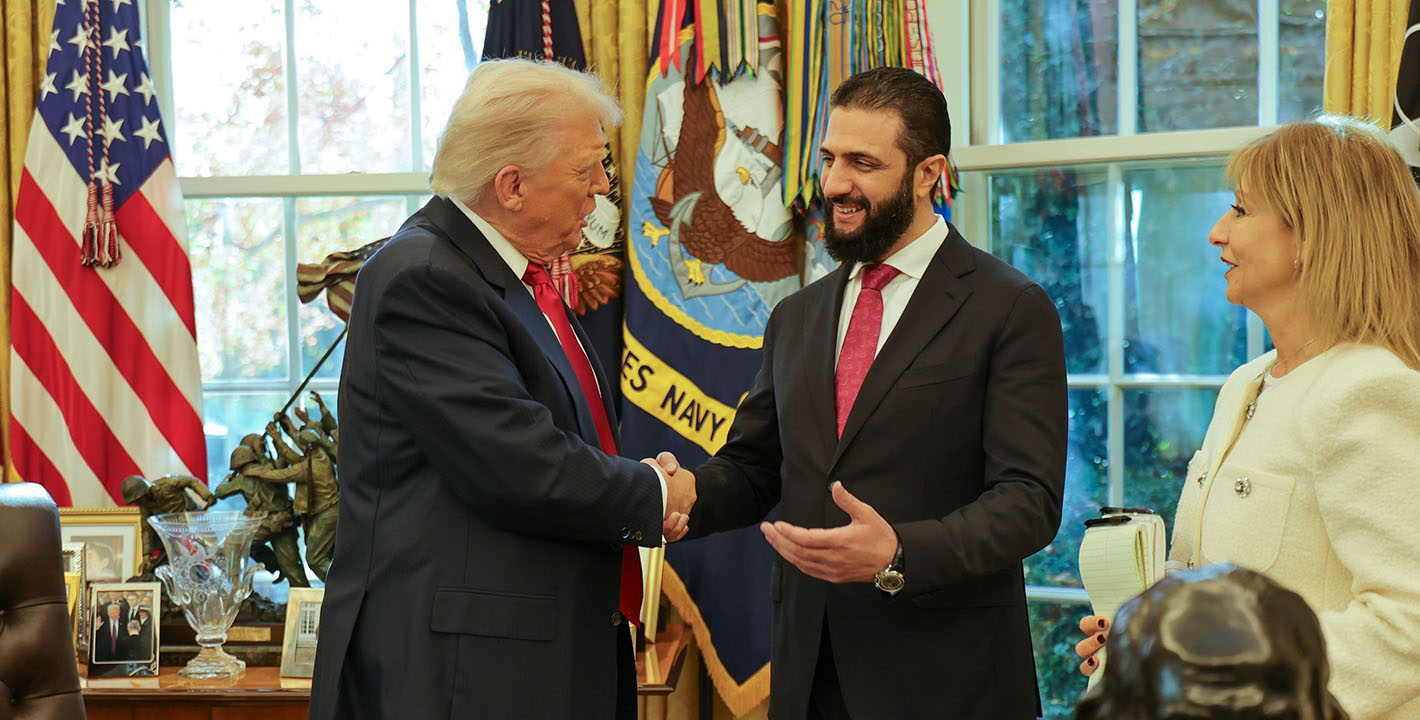
Any move by the United States to make good on Trump’s suggestion that Washington persuade Damascus to confront Hezbollah militarily would have catastrophic consequences.
Kheder Khaddour
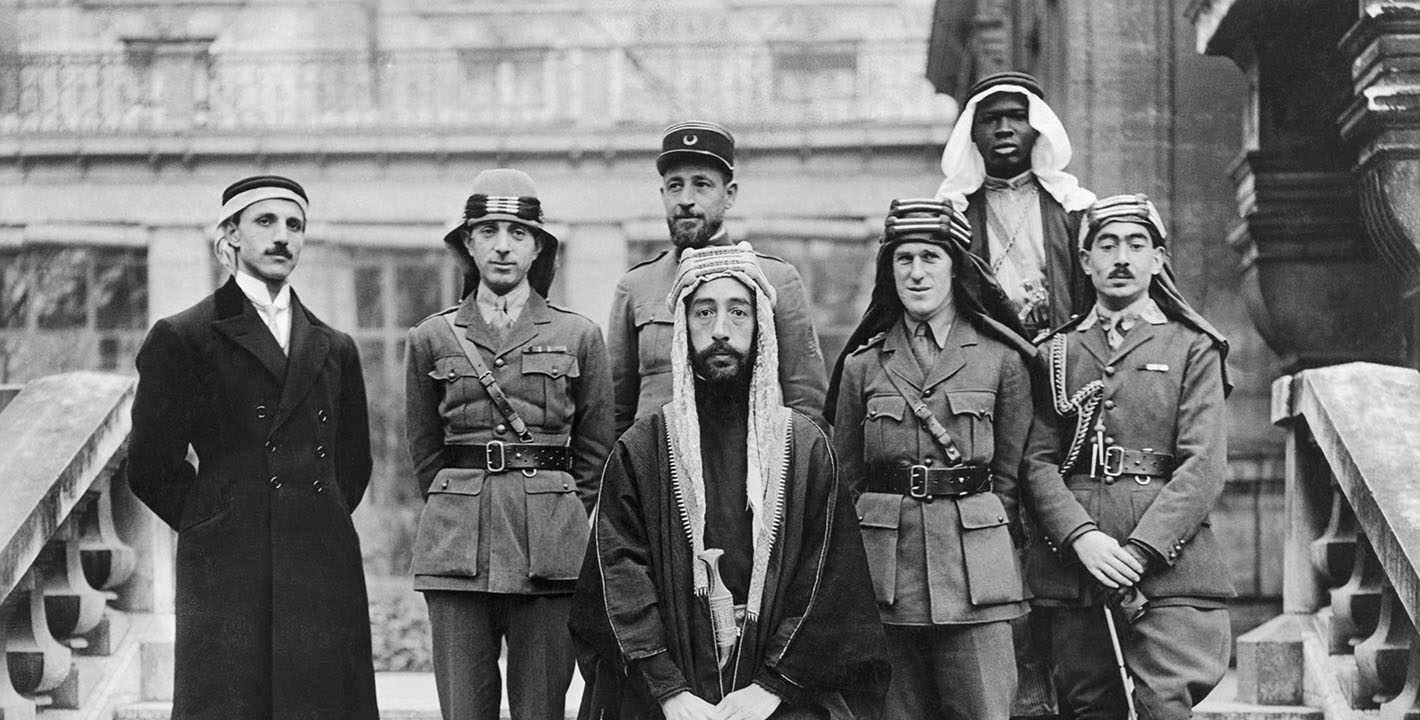
In an interview, Elizabeth Thompson recalls how the country formulated a liberal constitution in 1920, before being denied by France and Britain.
Michael Young