

Commentary
Aron Lund
{
  "authors": [
    "Aron Lund"
  ],
  "type": "commentary",
  "blog": "Diwan",
  "centerAffiliationAll": "",
  "centers": [
    "Carnegie Endowment for International Peace"
  ],
  "collections": [],
  "englishNewsletterAll": "",
  "nonEnglishNewsletterAll": "",
  "primaryCenter": "Carnegie Endowment for International Peace",
  "programAffiliation": "",
  "programs": [],
  "projects": [],
  "regions": [
    "Middle East",
    "Lebanon",
    "Syria"
  ],
  "topics": []
}
Source: Getty
If the creation of a cabinet does indeed result in intensified efforts to “disassociate” Lebanon from Syria, it may grant Lebanon some well-earned breathing space—but tightening the border could also increase the pressure within Syrian borders.
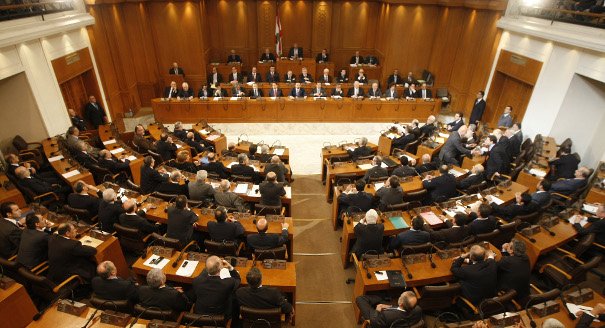
Suddenly, there’s a government in Lebanon. It has been a long time in coming. Prime Minister Tammam Salam was nominated by a nearly unanimous parliament—124 deputies out of 128 voted for him—when his pro-Syrian predecessor Najib Mikati stepped down in March 2013. Ever since then, the political deadlock in Lebanon, largely caused by the war next door in Syria, has prevented the formation of a functioning government.
It hasn’t been a pleasant experience for Lebanon, teetering on the brink of conflict and enduring sporadic bursts of sectarian violence in Tripoli and elsewhere—but at least it has been a historical event. The three hundred and twenty-nine days that Lebanon has gone without a government is in fact a national record, and the competition has been stiff: the Lebanese blogger and political scientist Elias Muhanna has calculated that his country spent 37 percent of the past nine years without a functioning government.
For that reason alone, this is good news for Lebanon, and it is also good news for Syria. Ever since the conflict in Syria began, Lebanon has been drawn toward it like a moth to a flame. Syria’s economic breakdown, the massive influx of refugees, Sunni-Shia tension, and Saudi-Iranian proxy struggles—these things cannot but affect Lebanese politics. The vacuum at the heart of Lebanon’s political game has exacerbated the problems, and in recent months the security problems have only grown more acute.
A “shadow war” of assassinations and bombings has escalated, with a new bombing spree narrowly averted in early February. The Syrian al-Qaeda wing has set up a Lebanese affiliate. The clashes between supporters and opponents of Syrian President Bashar al-Assad in the northern Lebanese town of Tripoli are getting more violent.
New dangers loom just ahead. The hopes that the so-called Geneva II conference on Syrian peace would dampen the violence in Syria have faded. The Syrian government is just beginning a new campaign in the Qalamun Mountains north of Damascus, while U.S.- and Saudi-backed rebels are themselves gearing up for a spring offensive in Syria’s south. In Lebanon, aid agencies are busily preparing for a new spike in refugees, adding to the million Syrians already there.
The Qalamun offensive will be particularly dangerous for Lebanon’s stability. If rebels are squeezed out of Yabrud and other Syrian towns, many will probably head for the mountains to the west, in the Arsal region of northeast Lebanon. If the Syrian army and Hezbollah shut down the Lebanese supply routes, fighting will concentrate on the border region, and some armed groups may turn toward softer targets inside Lebanon.
Salam’s new government might be a good one or a bad one, but having one at all will help fill the vacuum and—hopefully—pave the way for presidential elections in three months. It could also give political cover to the Lebanese Army and enable it to take bolder action in securing the borders in order to prevent refugees and rebels from entering Lebanon.
If the creation of a cabinet does indeed result in intensified efforts to “disassociate” Lebanon from Syria, it may grant Lebanon some well-earned breathing space—but tightening the border could also increase the pressure within Syrian borders.
A full list of the new Lebanese cabinet appears below, along with their party (or, in some cases, whether they were a presidential or prime ministerial nominee) and sectarian affiliations. Thanks to Raphaël Lefèvre for his help with this article.
Lebanese Government Ministers (Ministry, Party, Sect)
Centrist and Nonaligned
The March 8 Coalition (Backed by Syria and Iran)
The March 14 Coalition (Backed by Saudi Arabia and the United States)
(Sources: The Daily Star, Qifa Nabki, Naharnet)
Former Nonresident Fellow, Middle East Program
Aron Lund was a nonresident fellow in the Middle East Program and the author of several reports and books on the Syrian opposition movement.
Recent Work
Aron Lund
Aron Lund
Carnegie does not take institutional positions on public policy issues; the views represented herein are those of the author(s) and do not necessarily reflect the views of Carnegie, its staff, or its trustees.
As negotiations with Iran and Lebanon continue, chaos is at the heart of the Netanyahu government’s calculations.

Michael Young
Trade statistics show why Amman has more reason than Damascus to welcome the improvement in bilateral commerce.

Armenak Tokmajyan
Adversaries are to be degraded so deeply, that reconstitution becomes difficult or impossible.

Nathan J. Brown

Israel is encroaching on the country’s territory, while the Lebanese look askance at one another.

Issam Kayssi
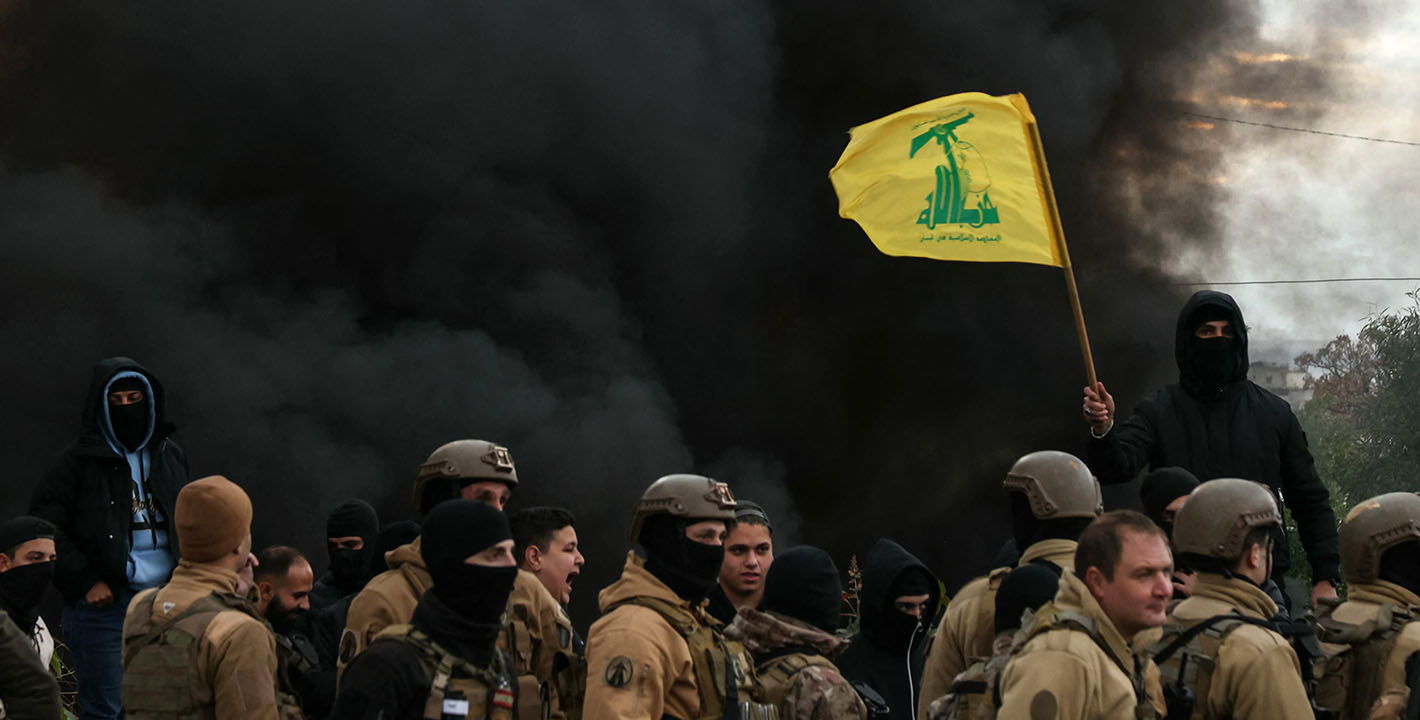
The party’s domestic and regional roles have changed, so Lebanon should devise a disarmament strategy that encompasses this.
Michael Young