

Commentary
There is a disturbing structural parallel between the old global energy economy and the new green transition.
Angie Omar
{
  "authors": [
    "Carl Drott"
  ],
  "type": "commentary",
  "blog": "Diwan",
  "centerAffiliationAll": "",
  "centers": [
    "Carnegie Endowment for International Peace"
  ],
  "collections": [],
  "englishNewsletterAll": "",
  "nonEnglishNewsletterAll": "",
  "primaryCenter": "Carnegie Endowment for International Peace",
  "programAffiliation": "",
  "programs": [],
  "projects": [],
  "regions": [
    "Middle East",
    "Syria"
  ],
  "topics": []
}
Source: Getty
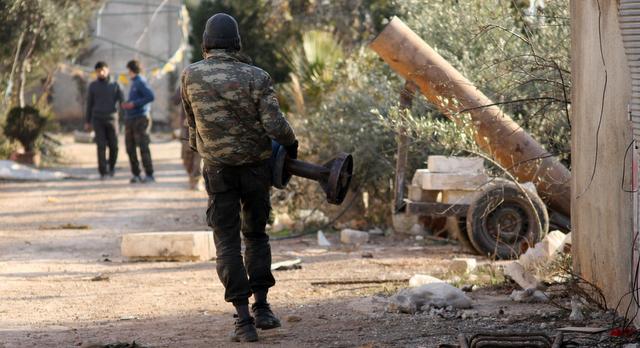
While the Christian Wusta neighborhood in Qamishli previously had one militia with ambivalent political loyalties, it now has two separate militias with clear and opposing loyalties: Sutoro and Sootoro.
When I met the Qamishli-based Syriac Christian activist who calls himself Judi Michael in September last year, he was working for the Syriac Union Party (SUP), a political party made up of ethnic Syriac Christians who stand in opposition to the Syrian regime. Michael told me about how he had been imprisoned and tortured by regime intelligence agencies in 2012 and how he then joined the Qamishli wing of the SUP’s militia, known as the Sutoro, a few months after he was released.
Unlike the Sutoro branches in the nearby towns of al-Qahtaniyah and al-Malikiyah, power over the Qamishli branch was not fully in the hands of the SUP. Instead, this branch was ruled by a “peace committee” that also included other Syriac Christian organizations, some of which were friendly to the regime. The Qamishli branch had its own logotype and even its own spelling of the name in Latin script: “Sootoro” instead of “Sutoro.” As the Sootoro developed more and more into a regime militia, Michael left the organization.
When I returned to Qamishli in January 2014, the Syriac Christian militia had split. While the Christian Wusta neighborhood in Qamishli previously had one militia with ambivalent political loyalties, it now has two separate militias with clear and opposing loyalties: Sutoro and Sootoro. The two organizations try to coordinate their activities, calling each other to see that they do not both respond to the same incidents—but only in order to stay out of each other’s way and avoid problems.
The older group, known as the Sootoro, is now fully part of the regime’s security apparatus, which also includes the militia of the Arab Tey tribe in the nearby Haret Tey neighborhood.
The newer Syriac Christian militia branch, the Sutoro, is commanded by none other than Michael himself. “The Sootoro had some SUP members,” says Michael. “They left in order to establish a new branch of the Sutoro instead, because they wanted to be part of the autonomy project.”
By the “autonomy project,” Michael means the Jazeera Canton, a local government that was recently set up by the Democratic Union Party, or PYD. The PYD is a Kurdish organization affiliated with the Kurdistan Workers’ Party, a guerrilla group fighting the Turkish government. Since the Syrian regime withdrew many of its troops in 2012, the PYD and their allies have gained control over large swaths of northern Syria.
The PYD-backed Jazeera Canton government now runs most of Qamishli city. To prop it up, the PYD has helped create a Kurdish-dominated police force, known as the Asayish. The Sutoro serves as its Syriac Christian counterpart.
By contrast, Syrian President Bashar al-Assad’s regime troops and intelligence agencies are now very weak in Qamishli. They generally stay within their own isolated enclaves, whose borders are marked off by checkpoints, but they have occasionally ventured into the city to carry out arrests. “We are not afraid to confront the regime if they arrest anyone from our people,” says Michael. “If the SUP tells us to attack them, we will attack.”
Slightly contradicting himself, Michael then states that the Sutoro is independent from the SUP. He also says, “I do not belong to the SUP, but we in the Sutoro have similar ideas to them.” Similar things are often said by members of organizations affiliated with the PYD.
Regardless of whether or not Michael and his comrades are currently card-holding members of the SUP, the borders are extremely fluid between the Syriac Christian organizations.
However, a clearer structure may be taking shape. Among the Kurds, the PYD serves as the dominant political party within its Jazeera Canton government. The Asayish is the autonomy’s police force, while the PYD-backed militia, known as the People’s Protection Units (YPG), functions as a military wing. Similarly, the pro-PYD Syriac Christians now have the SUP, the Sutoro, and a military body known as the Syriac Military Council, which is allied to the YPG.
While chaos rages on in the rest of Syria, a large portion of the Syriac Christian community in the northeast seems to have cast its lot with the PYD movement and is now slowly being integrated into an emerging Kurdish-run autonomous region.
Carl Drott is a Swedish freelance journalist who recently returned from a visit to Syria. Read his previous reports on the Syriac Christian and Kurdish politics of northeast Syria, “Christians Under Pressure in Qamishli” and “Christian Militia Politics in Qamishli.”
Carl Drott
Carnegie does not take institutional positions on public policy issues; the views represented herein are those of the author(s) and do not necessarily reflect the views of Carnegie, its staff, or its trustees.
There is a disturbing structural parallel between the old global energy economy and the new green transition.

Angie Omar
Any move by the United States to make good on Trump’s suggestion that Washington persuade Damascus to confront Hezbollah militarily would have catastrophic consequences.
Kheder Khaddour
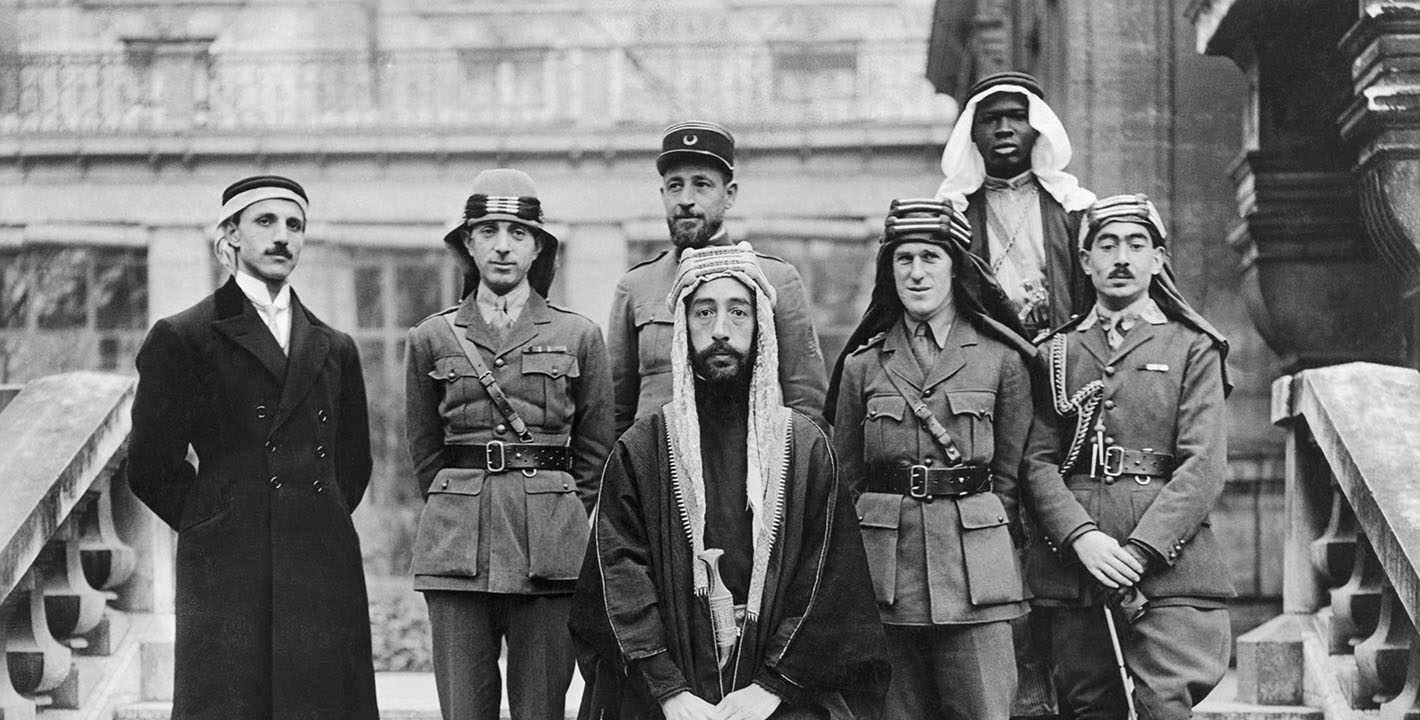
In an interview, Elizabeth Thompson recalls how the country formulated a liberal constitution in 1920, before being denied by France and Britain.

Michael Young
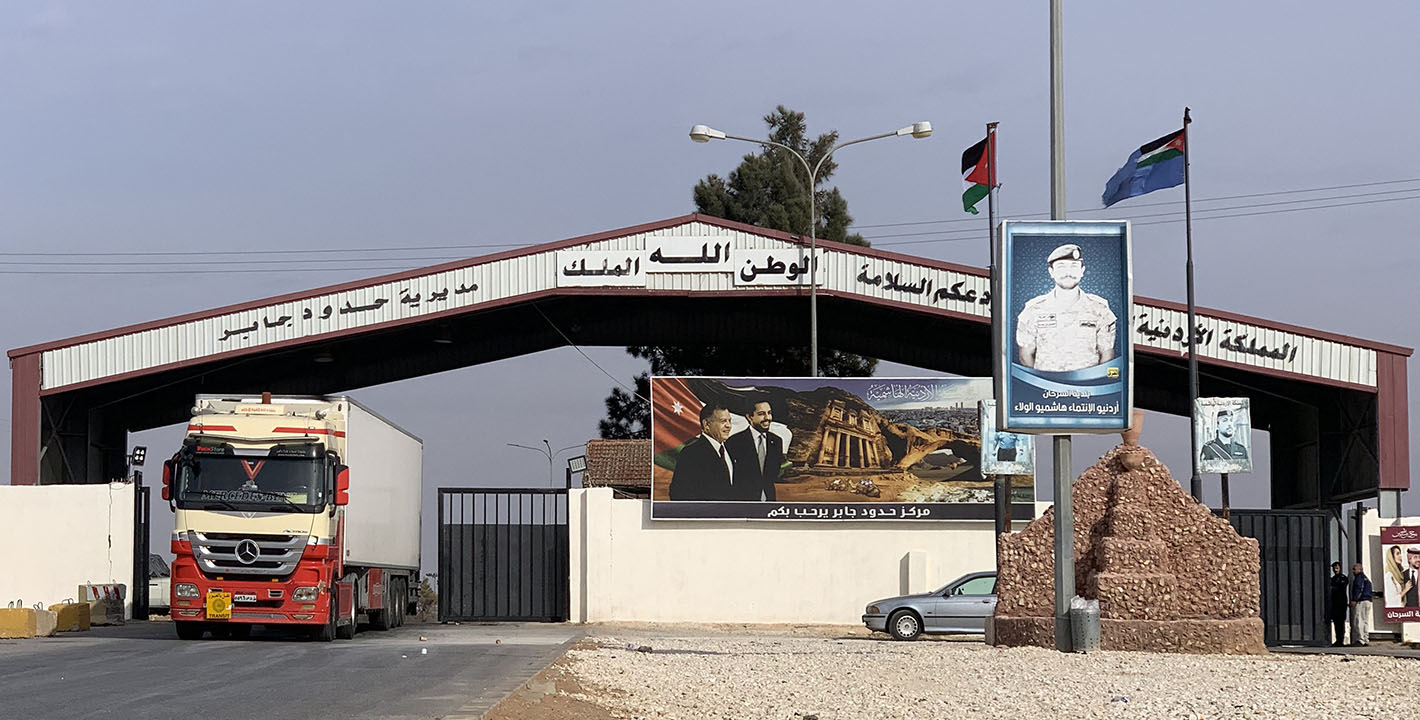
Trade statistics show why Amman has more reason than Damascus to welcome the improvement in bilateral commerce.

Armenak Tokmajyan
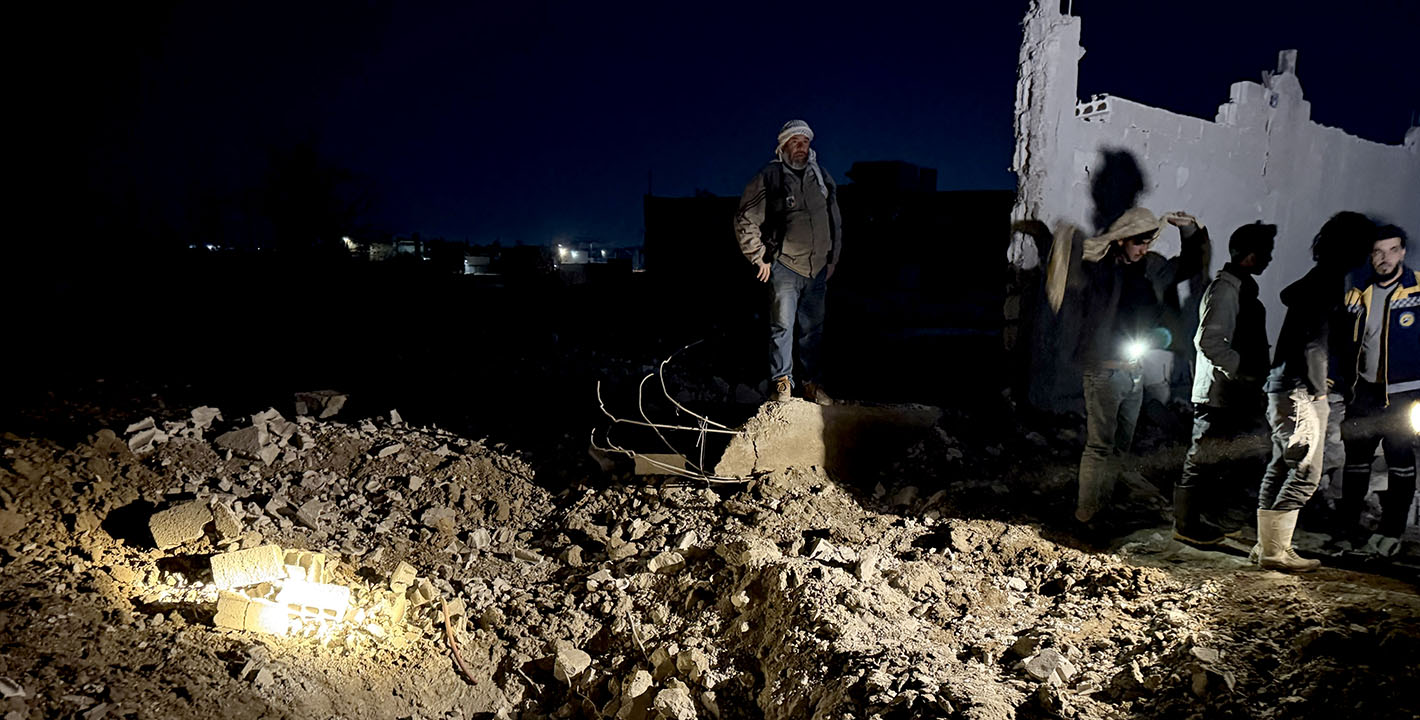
In an interview, Kheder Khaddour explains that Damascus is trying to stabilize its borders, but avoiding war isn’t guaranteed.
Michael Young