

Commentary
By failing to address Palestinian representation, the current process is bound to lead to just another temporary arrangement.
Nathan J. Brown
{
  "authors": [
    "John Polcari"
  ],
  "type": "commentary",
  "blog": "Diwan",
  "centerAffiliationAll": "dc",
  "centers": [
    "Carnegie Endowment for International Peace",
    "Malcolm H. Kerr Carnegie Middle East Center"
  ],
  "collections": [],
  "englishNewsletterAll": "menaTransitions",
  "nonEnglishNewsletterAll": "",
  "primaryCenter": "Carnegie Endowment for International Peace",
  "programAffiliation": "MEP",
  "programs": [
    "Middle East"
  ],
  "projects": [],
  "regions": [
    "Middle East",
    "Iran",
    "Syria",
    "Russia",
    "Levant"
  ],
  "topics": [
    "Political Reform",
    "Foreign Policy"
  ]
}
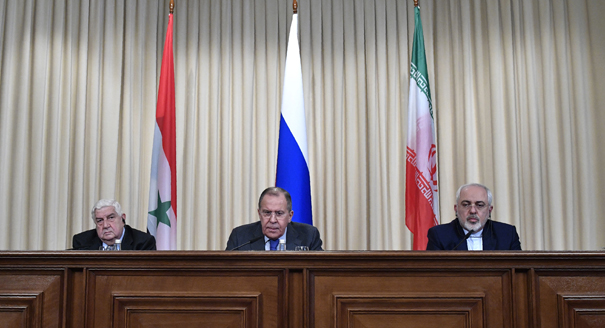
Source: Getty
On the margins of a Carnegie conference, Nikolay Koshanov and Hossein Mousavian discuss Russia’s and Iran’s role in the Syrian conflict.
In the second of a series of interviews conducted on the margins of the Carnegie conference “Syria’s Trajectory and Challenges for the United States,” held on April 5 in Washington, D.C., Nikolay Kozhanov, a visiting lecturer at the European University in St. Petersburg, outlined Moscow’s objectives in Syria and addressed the possibilities for U.S.-Russian cooperation.
In a second interview, Hossein Mousavian, a professional specialist at Princeton University and a former Iranian ambassador, addressed how the Trump administration is viewed in Iran and the potential path towards a lasting solution to the Syrian conflict through international diplomacy.
John Polcari
Former Program Coordinator and Research Assistant, Middle East Program
Carnegie does not take institutional positions on public policy issues; the views represented herein are those of the author(s) and do not necessarily reflect the views of Carnegie, its staff, or its trustees.

By failing to address Palestinian representation, the current process is bound to lead to just another temporary arrangement.

Nathan J. Brown
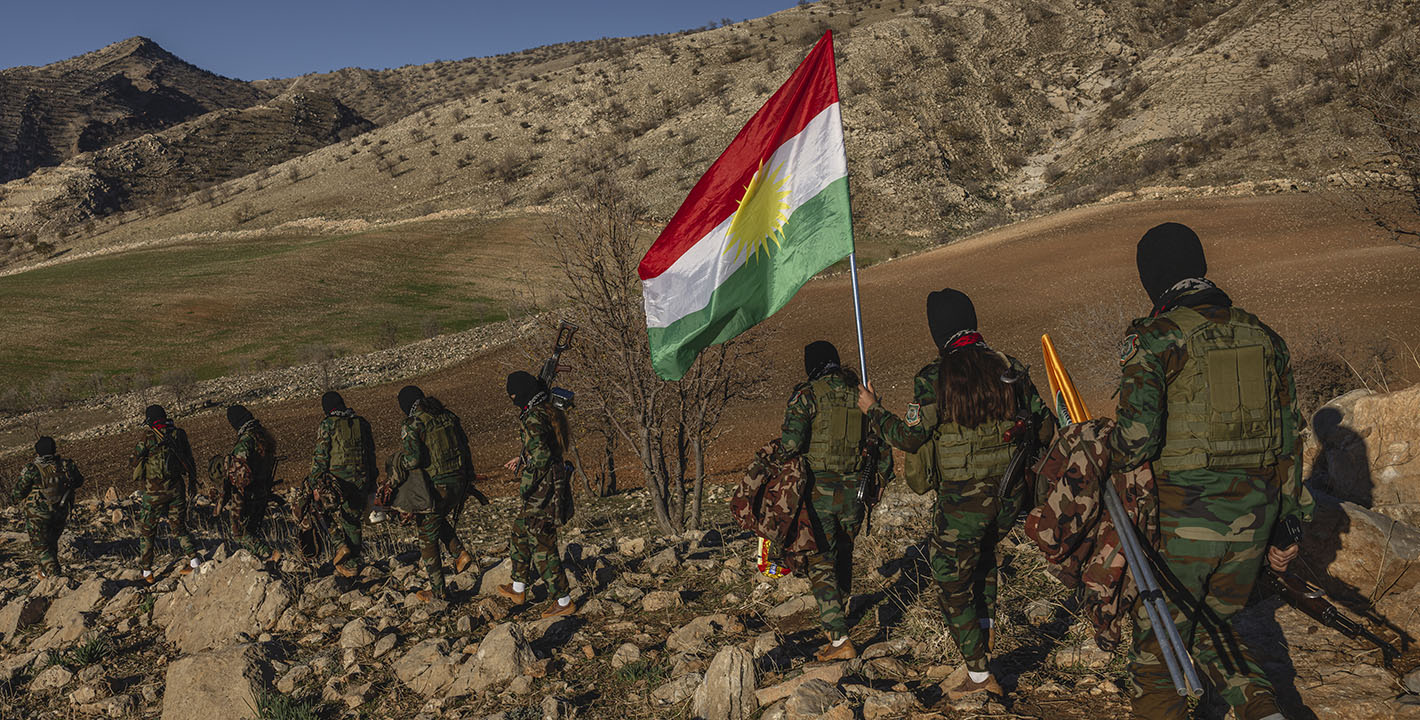
Following its deal with the United States, Iran may act against Iraq-based dissidents.
Wladimir van Wilgenburg

There is a disturbing structural parallel between the old global energy economy and the new green transition.

Angie Omar
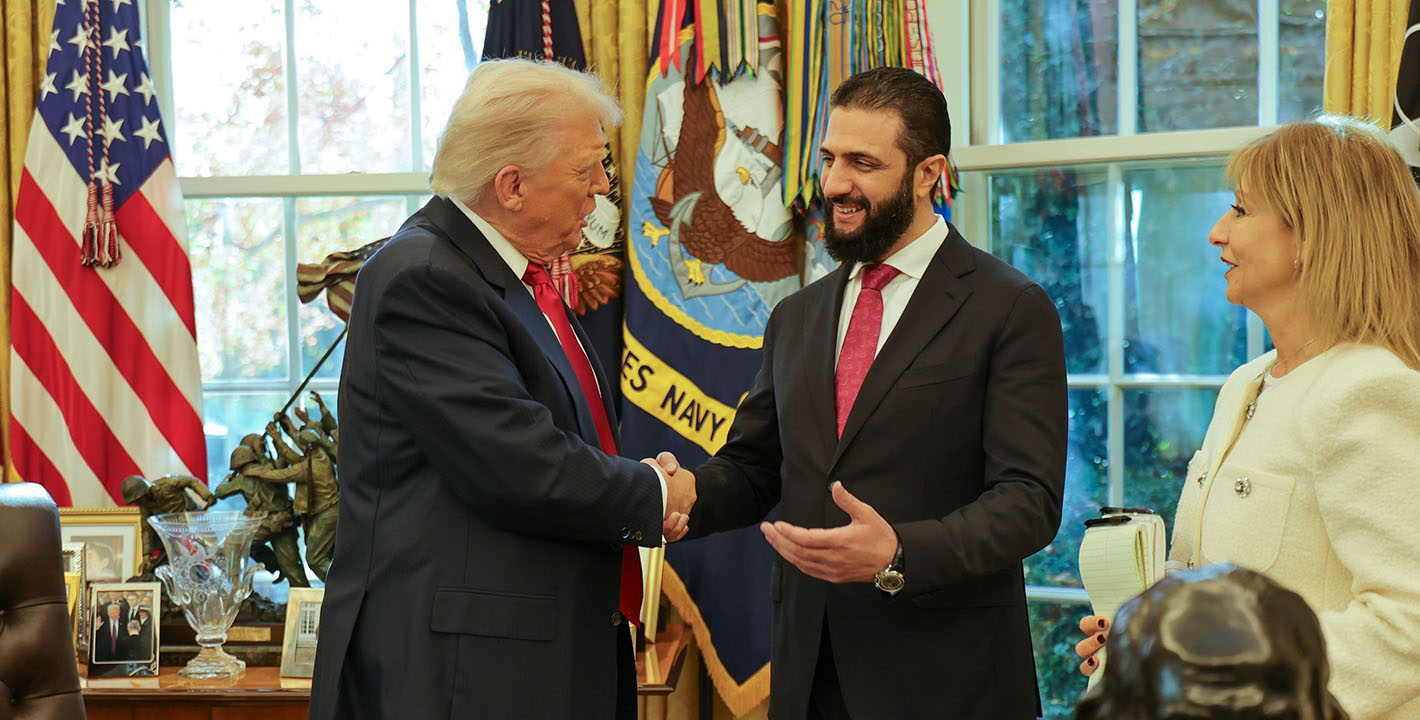
Any move by the United States to make good on Trump’s suggestion that Washington persuade Damascus to confront Hezbollah militarily would have catastrophic consequences.
Kheder Khaddour
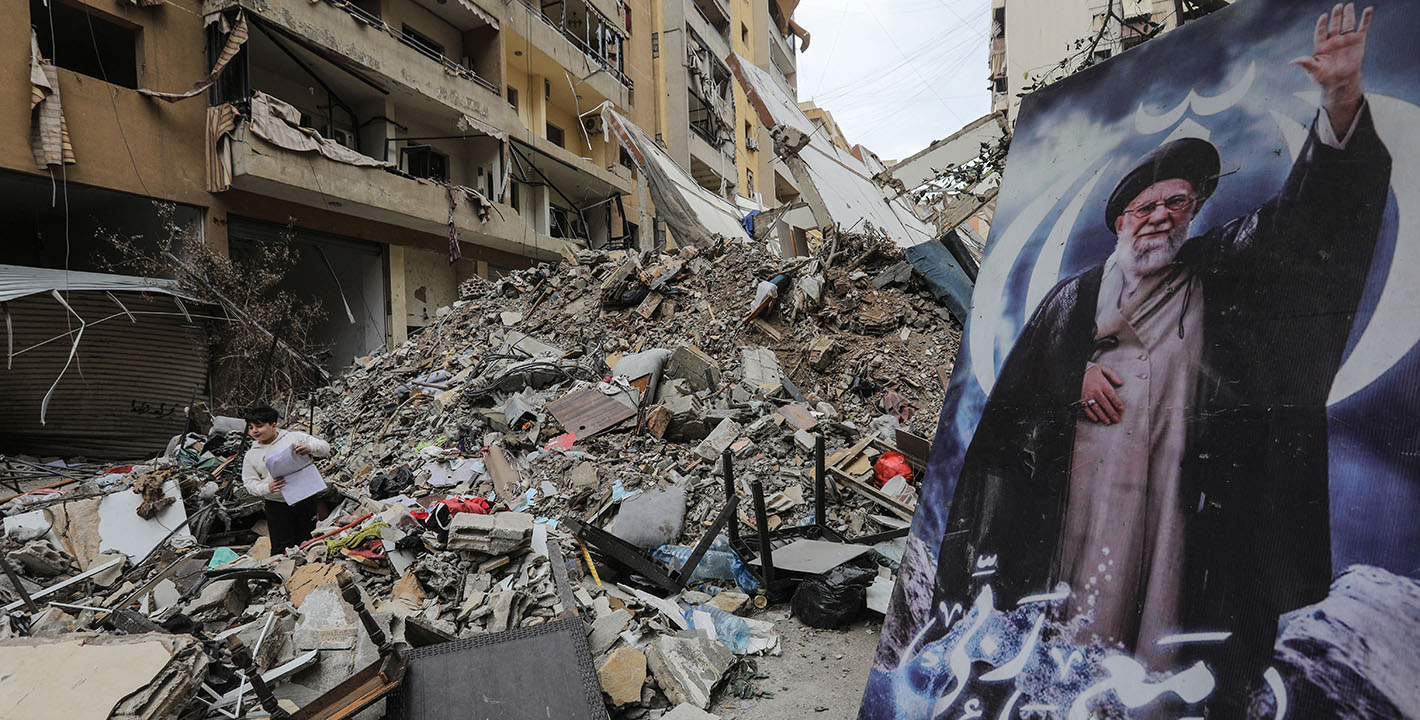
As talks begin between Washington and Tehran, Beirut has an opening to advance a regional plan for the party’s disarmament.

Michael Young