

Article
Mohanad Hage Ali
{
  "authors": [
    "Mohanad Hage Ali"
  ],
  "type": "commentary",
  "blog": "Diwan",
  "centerAffiliationAll": "dc",
  "centers": [
    "Carnegie Endowment for International Peace",
    "Malcolm H. Kerr Carnegie Middle East Center"
  ],
  "collections": [
    "Three Question Time"
  ],
  "englishNewsletterAll": "menaTransitions",
  "nonEnglishNewsletterAll": "",
  "primaryCenter": "Carnegie Endowment for International Peace",
  "programAffiliation": "MEP",
  "programs": [
    "Middle East"
  ],
  "projects": [],
  "regions": [
    "North Africa",
    "Libya"
  ],
  "topics": [
    "Political Reform"
  ]
}
Source: Getty
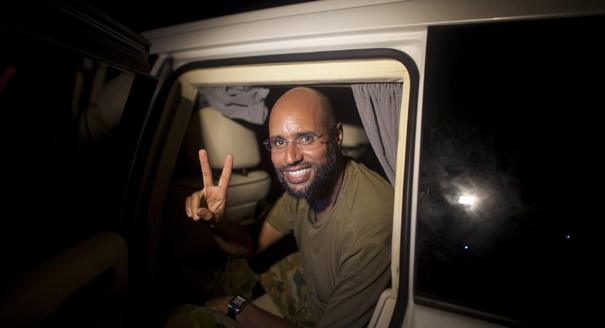
Amid reports of Seif al-Islam Qaddafi’s release, journalist Samir al-Sa‘dawi sheds light on the affair.
Samir al-Sa‘dawi is the international affairs editor at the Arabic-language daily Al-Hayat. A Libyan national, he spoke to Diwan about the reported release last weekend of Seif al-Islam Qaddafi, the son of the late Libyan leader Mu‘ammar al-Qaddafi, who had been imprisoned since 2011.
Qaddafi’s release by the militias of Zintan was the result of an amnesty law approved by the administration in the eastern city of Tobruk. However, he is still wanted by a rival UN-backed administration in Tripoli, as well by as the International Criminal Court. In this interview, conducted this week, Sa‘dawi examines why Qaddafi was freed and whether he has a political future in Libya.
Sa‘dawi also recorded an Arabic-language version of this interview on Diwan’s Arabic site.

Deputy Director for Research, Malcolm H. Kerr Carnegie Middle East Center
Mohanad Hage Ali is the deputy director for research at the Malcolm H. Kerr Carnegie Middle East Center.
Recent Work
Mohanad Hage Ali
Mohanad Hage Ali
Carnegie does not take institutional positions on public policy issues; the views represented herein are those of the author(s) and do not necessarily reflect the views of Carnegie, its staff, or its trustees.
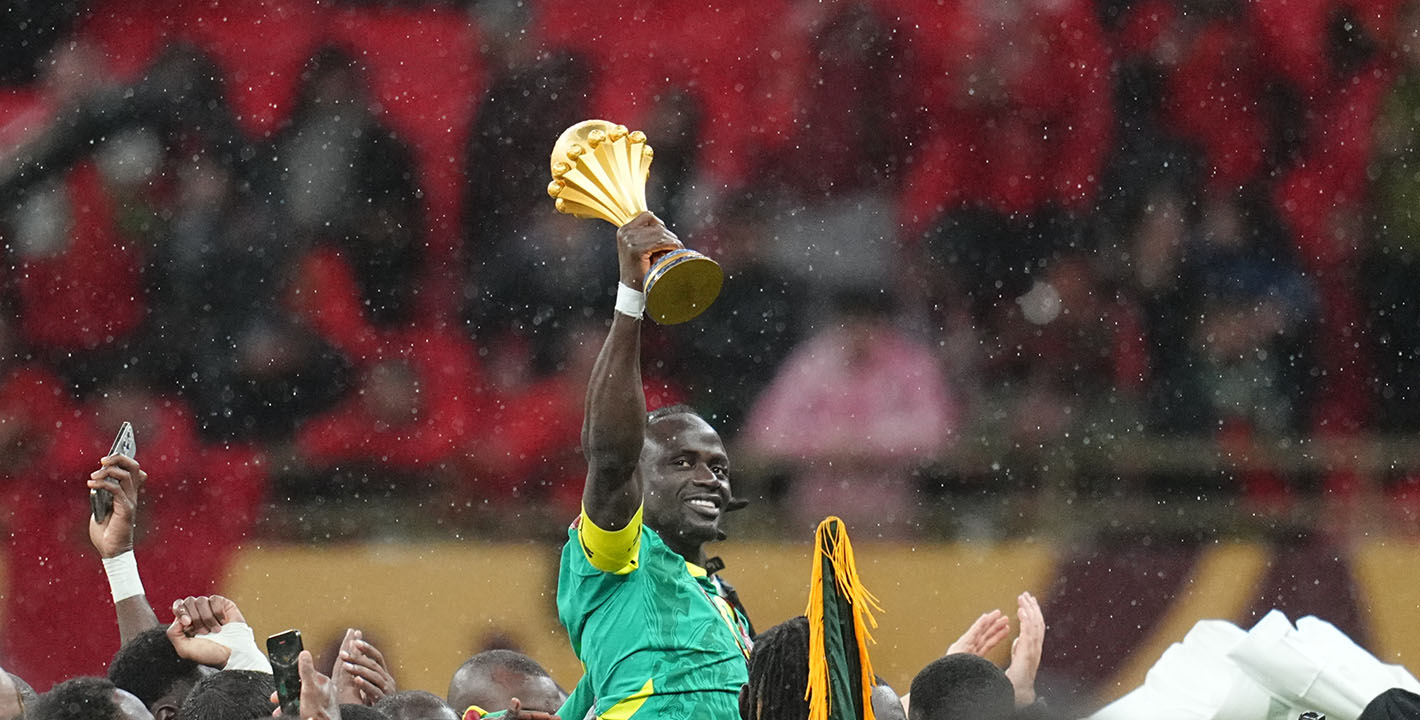
The recent African Cup of Nations tournament in Morocco touched on issues that largely transcended the sport.


Issam Kayssi, Yasmine Zarhloule
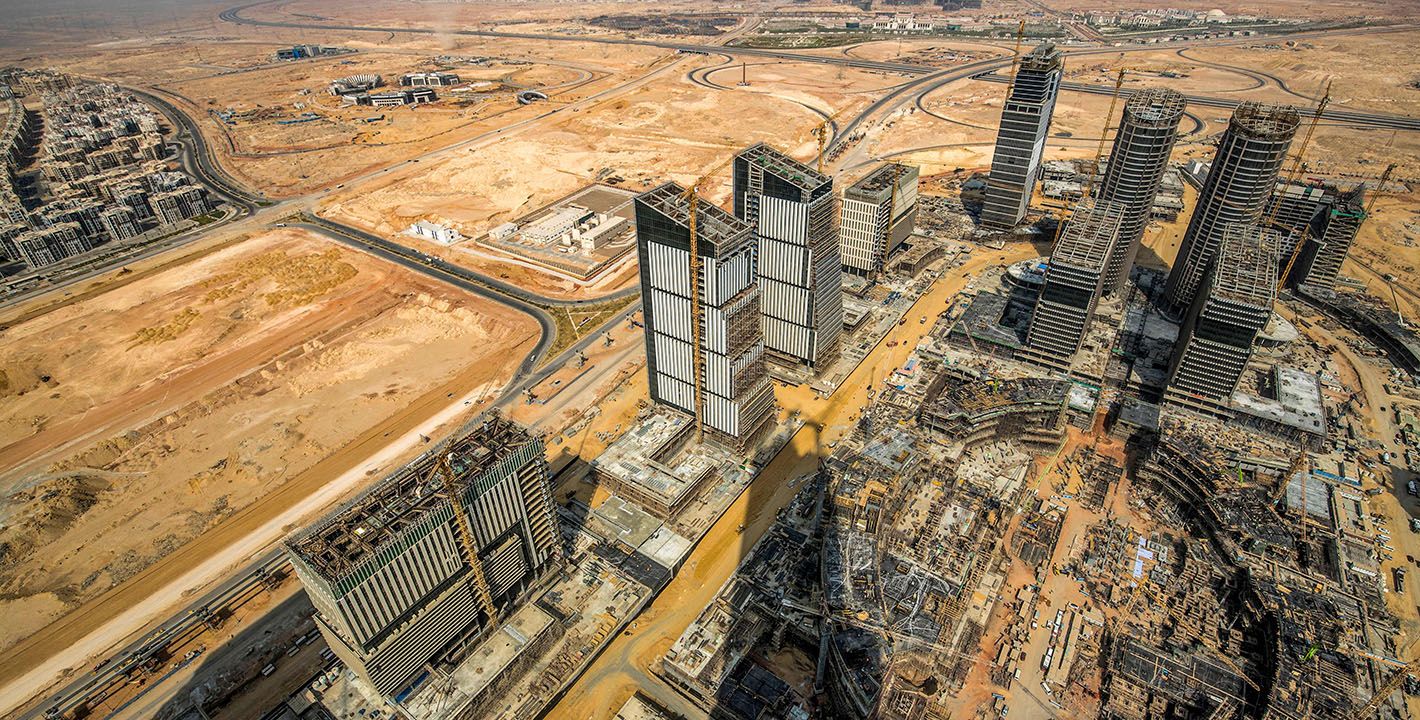
Mustaqbal Misr has expanded its portfolio with remarkable speed, but a lack of transparency remains.

Yezid Sayigh
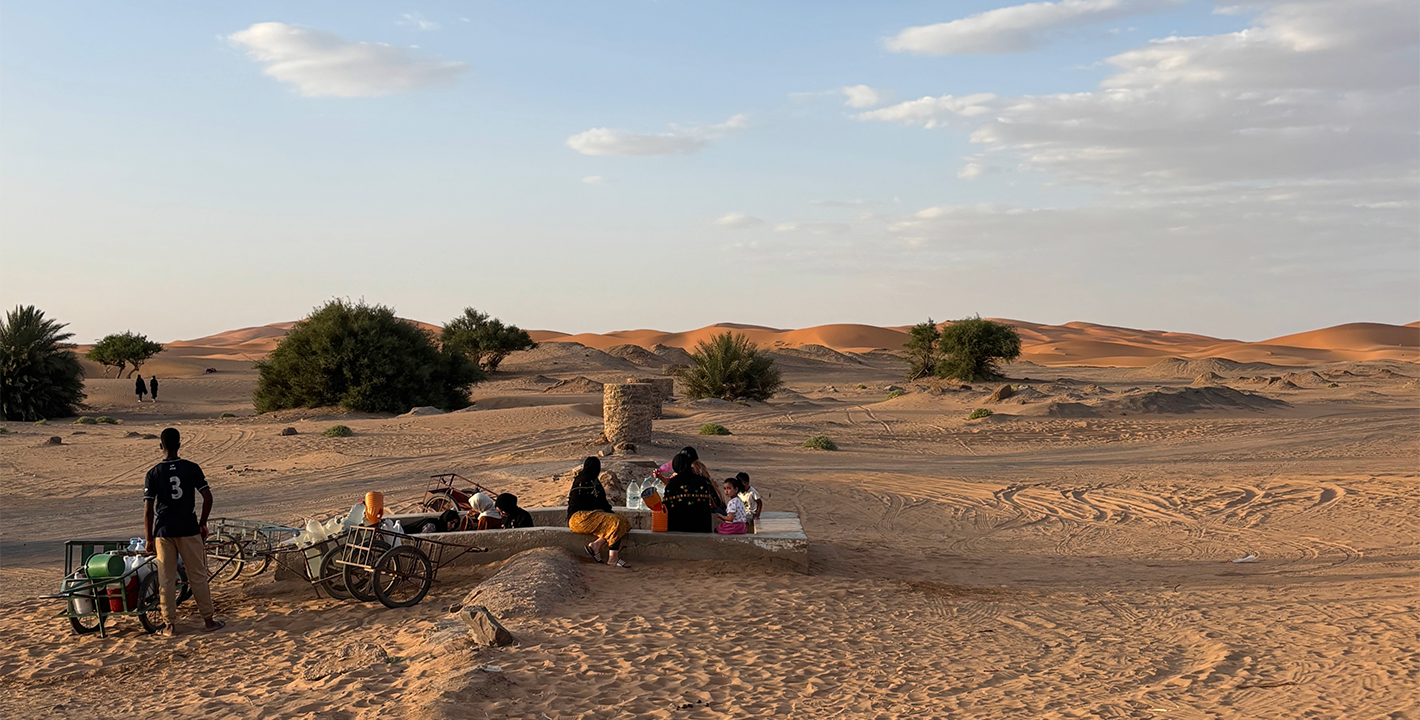
The burden of environmental degradation is felt not only through physical labor but also emotional and social loss.
Yasmine Zarhloule, Ella Williams
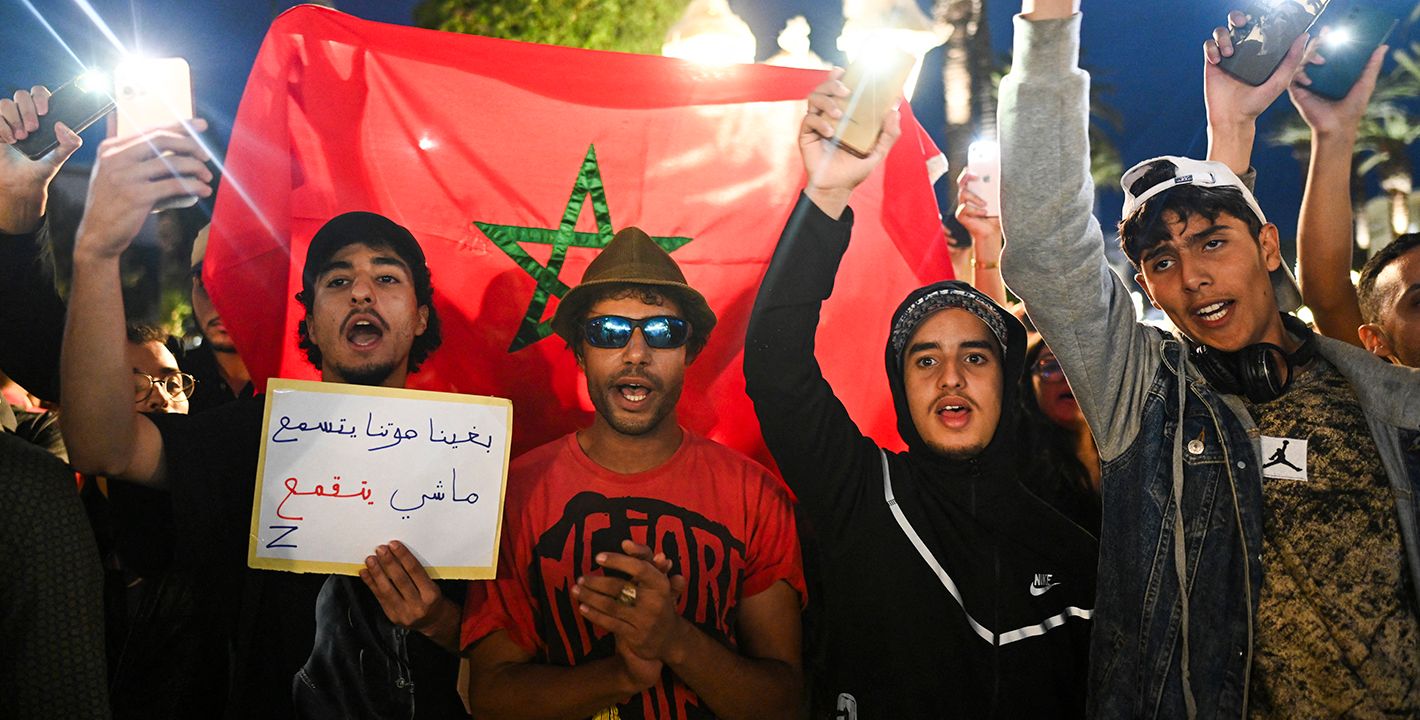
The country’s youthful protest movement is seeking economic improvement, social justice, and just a little hope.
Yasmine Zarhloule
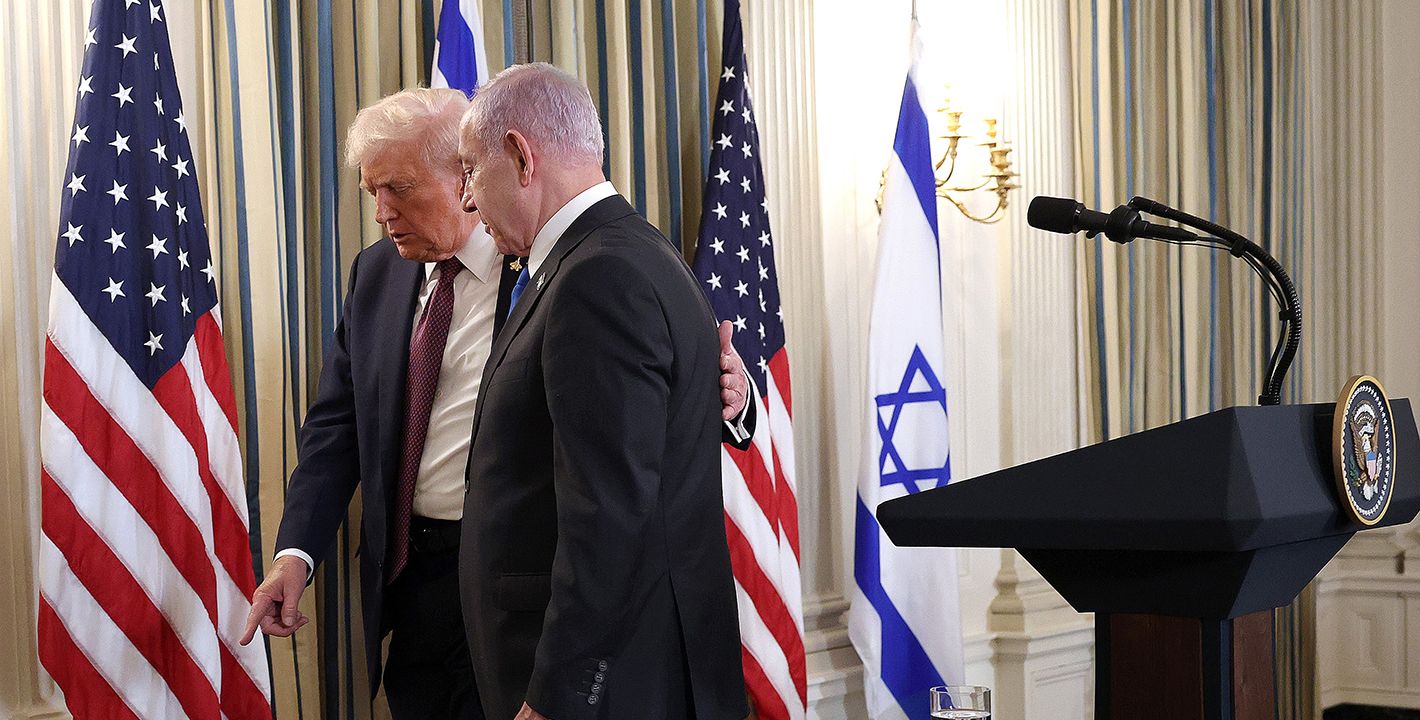
In an interview, Yezid Sayigh looks at the different dimensions of the Trump plan.
Ghida Tayara, Yezid Sayigh