

Commentary
Mohanad Hage Ali
{
  "authors": [
    "Mohanad Hage Ali"
  ],
  "type": "commentary",
  "blog": "Diwan",
  "centerAffiliationAll": "dc",
  "centers": [
    "Carnegie Endowment for International Peace",
    "Malcolm H. Kerr Carnegie Middle East Center"
  ],
  "collections": [
    "Three Question Time"
  ],
  "englishNewsletterAll": "menaTransitions",
  "nonEnglishNewsletterAll": "",
  "primaryCenter": "Malcolm H. Kerr Carnegie Middle East Center",
  "programAffiliation": "MEP",
  "programs": [
    "Middle East"
  ],
  "projects": [],
  "regions": [
    "Gulf",
    "Saudi Arabia",
    "United Arab Emirates",
    "Middle East"
  ],
  "topics": [
    "Political Reform"
  ]
}

Source: Getty
Journalist Jihad al-Zein says the Arabs want to tame Qatar, but that the Gulf Cooperation Council will survive.
Jihad al-Zein is the opinion editor of the Lebanese daily Al-Nahar, where he is also a regular columnist. A longtime observer of regional politics, particularly of Turkey and Iran, he turned his opinion page into one of the premier outlets for regional opinion at the time when the newspaper was still run by the late publisher and owner Ghassan Tueni.
Diwan asked Zein to comment on the ongoing Qatar crisis, in particular whether it signaled the end of the Gulf Cooperation Council, and what the implications of the crisis are for Al-Jazeera, Qatar’s principal satellite news channel. The interview was conducted on July 10.

Deputy Director for Research, Malcolm H. Kerr Carnegie Middle East Center
Mohanad Hage Ali is the deputy director for research at the Malcolm H. Kerr Carnegie Middle East Center.
Recent Work
Mohanad Hage Ali
Mohanad Hage Ali, Mohamad Najem
Carnegie does not take institutional positions on public policy issues; the views represented herein are those of the author(s) and do not necessarily reflect the views of Carnegie, its staff, or its trustees.
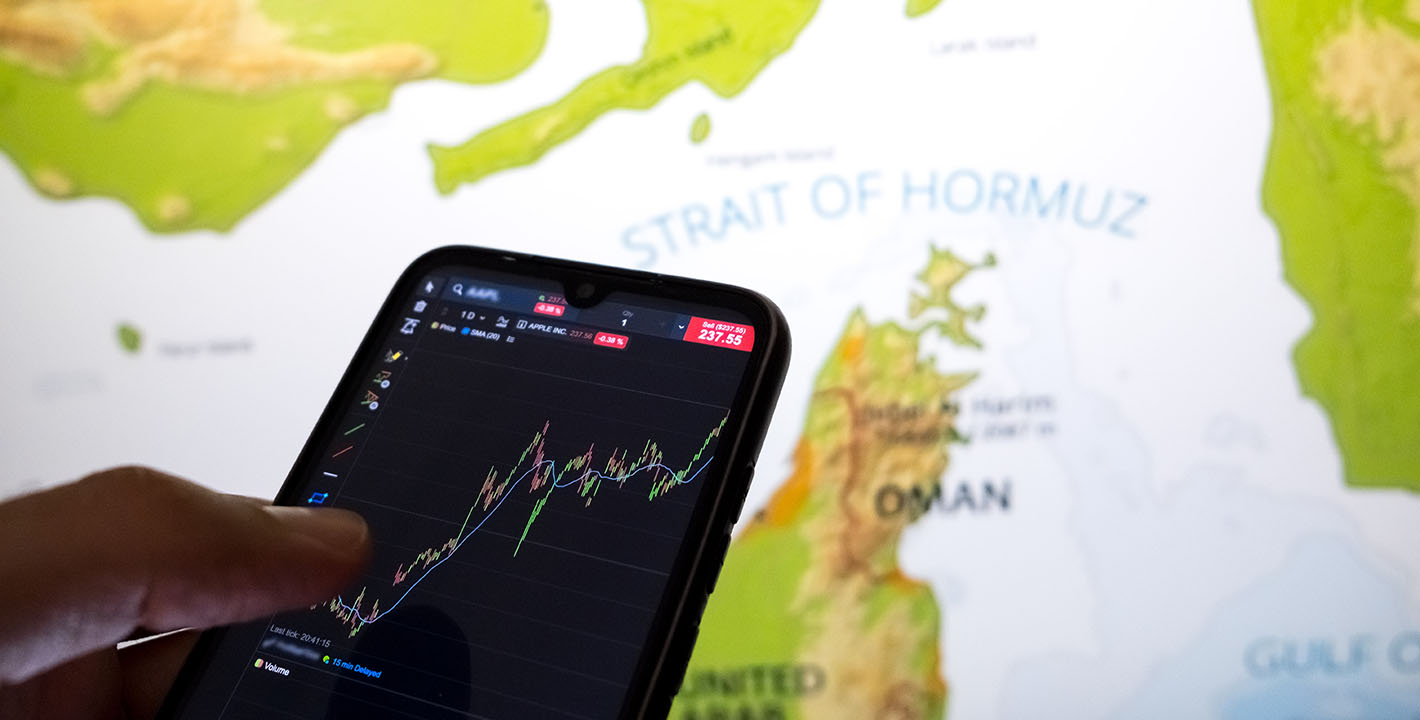
In an interview, Roger Diwan discusses where the global economy may be going in the third week of the U.S.-Israeli war with Iran.

Nur Arafeh
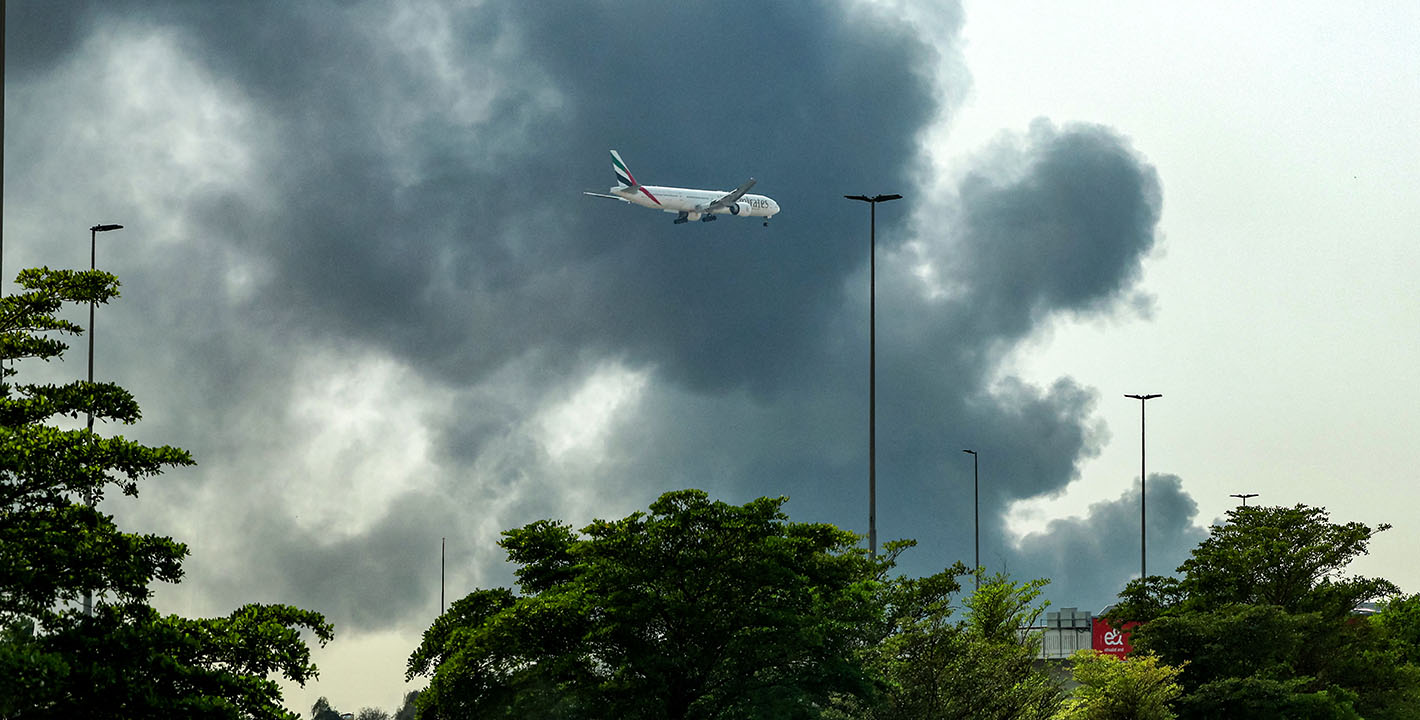
In an interview, Andrew Leber discusses the impact the U.S. and Israeli war against Iran is having on Arab Gulf states.

Michael Young
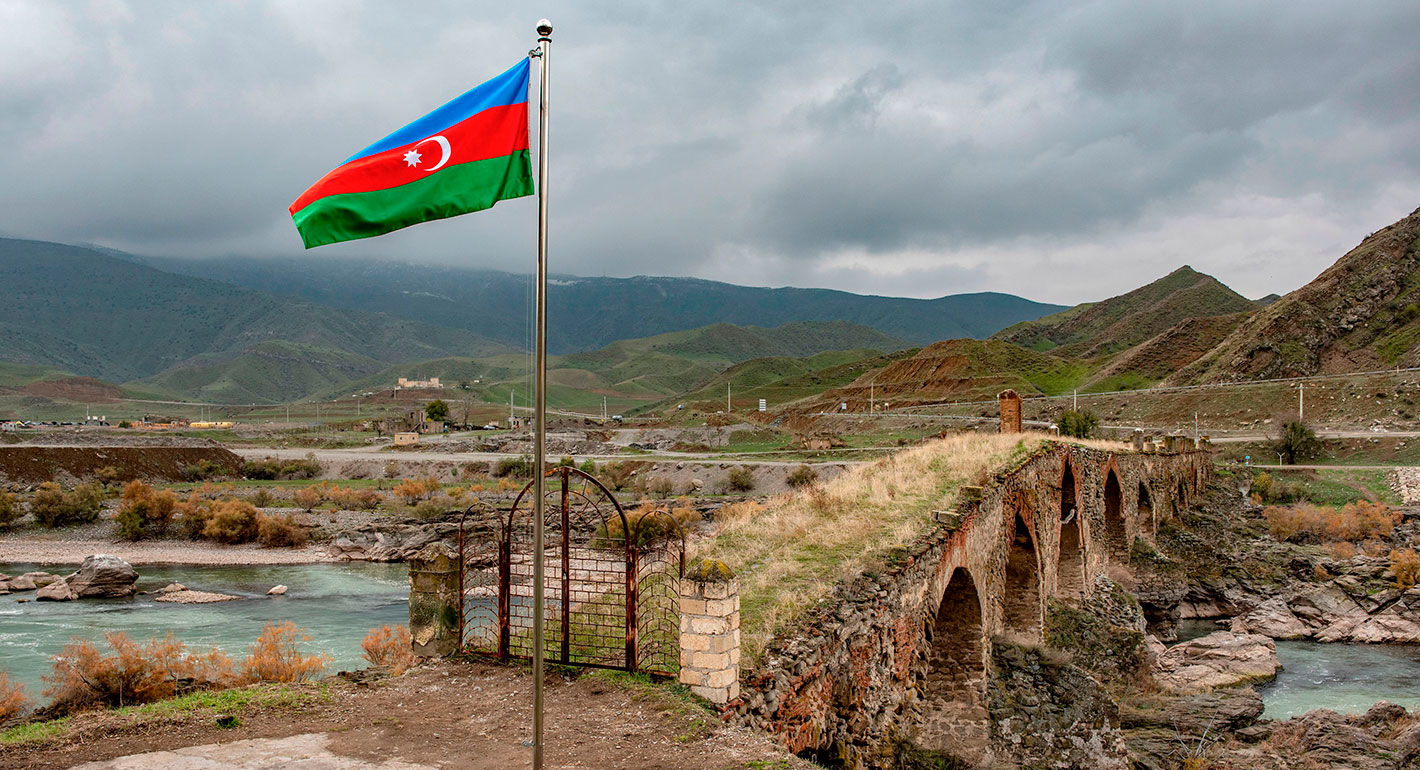
In an interview, Sergei Melkonian discusses Armenia’s and Azerbaijan’s careful balancing act among the United States, Israel, and Iran.

Armenak Tokmajyan
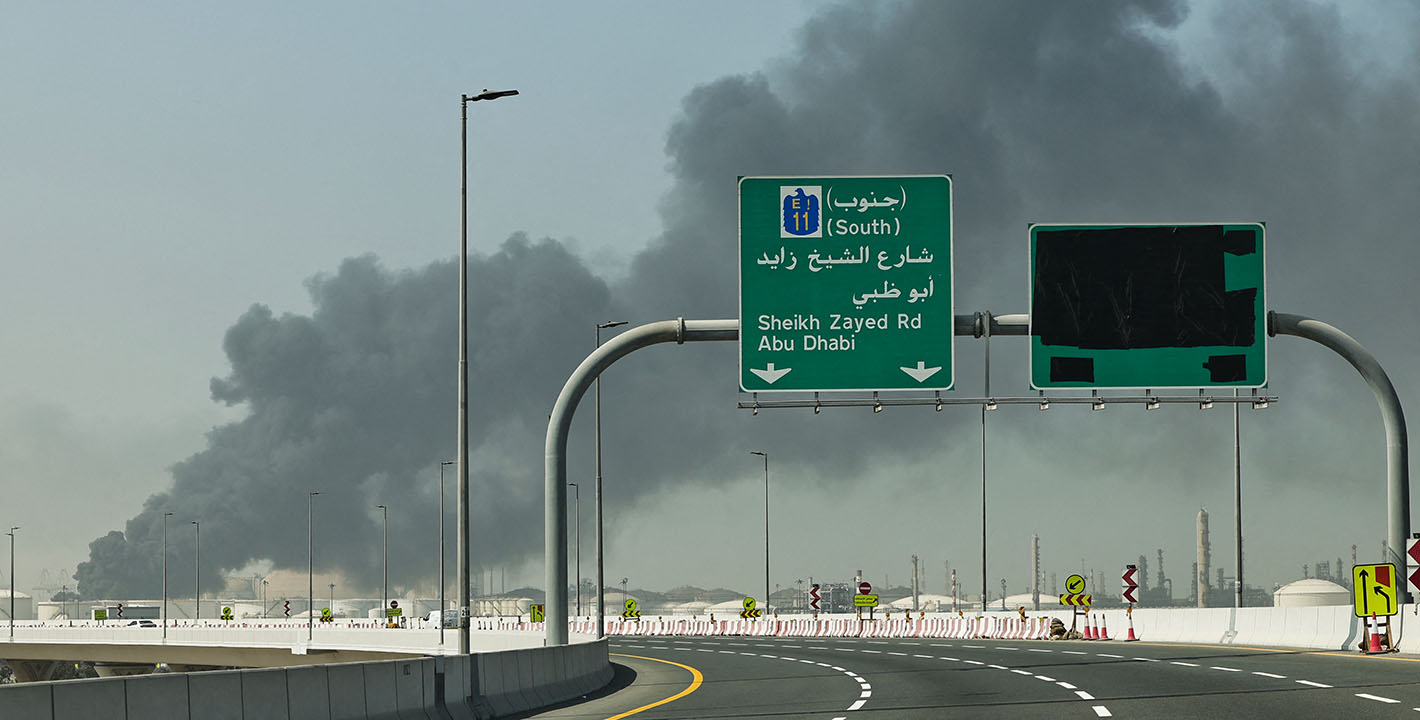
The countries in the region are managing the fallout from Iranian strikes in a paradoxical way.

Angie Omar

In an interview, Hassan Mneimneh discusses the ongoing conflict and the myriad miscalculations characterizing it.
Michael Young