

Commentary
There is a disturbing structural parallel between the old global energy economy and the new green transition.
Angie Omar
{
  "authors": [
    "Ghida Tayara"
  ],
  "type": "commentary",
  "blog": "Diwan",
  "centerAffiliationAll": "dc",
  "centers": [
    "Carnegie Endowment for International Peace",
    "Malcolm H. Kerr Carnegie Middle East Center"
  ],
  "collections": [
    "Three Question Time"
  ],
  "englishNewsletterAll": "menaTransitions",
  "nonEnglishNewsletterAll": "",
  "primaryCenter": "Malcolm H. Kerr Carnegie Middle East Center",
  "programAffiliation": "MEP",
  "programs": [
    "Middle East"
  ],
  "projects": [],
  "regions": [
    "Levant",
    "Lebanon",
    "Middle East"
  ],
  "topics": [
    "Political Reform",
    "Civil Society"
  ]
}
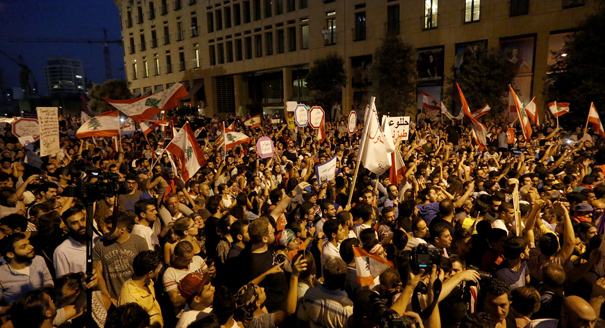
Source: Getty
Thanassis Cambanis discusses Lebanese sectarianism and the reform movement of 2015.
Thanassis Cambanis is an author and journalist living in Beirut. He is a senior fellow at the Century Foundation, specializing on the Middle East and U.S. foreign policy. Recently, he co-edited the Century Foundation’s Arab Politics Beyond the Uprisings: Experiments in an Era of Resurgent Authoritarianism with Michael Wahid Hanna.
Cambanis also writes “The Internationalist” column for the Boston Globe, and regularly contributes to The Atlantic, Foreign Policy, and the New York Times. He is the author of A Privilege to Die: Inside Hezbollah’s Legions and Their Endless War Against Israel (2010), as well as Once Upon a Revolution: An Egyptian Story (2016). Cambanis spoke with Diwan in mid-July, when he came to Carnegie to chair a roundtable discussion around the Century Foundation’s new book. His comments focused on Lebanon’s anti-sectarian reform movement of 2015.
Ghida Tayara
Senior Digital and Web Coordinator
Carnegie does not take institutional positions on public policy issues; the views represented herein are those of the author(s) and do not necessarily reflect the views of Carnegie, its staff, or its trustees.
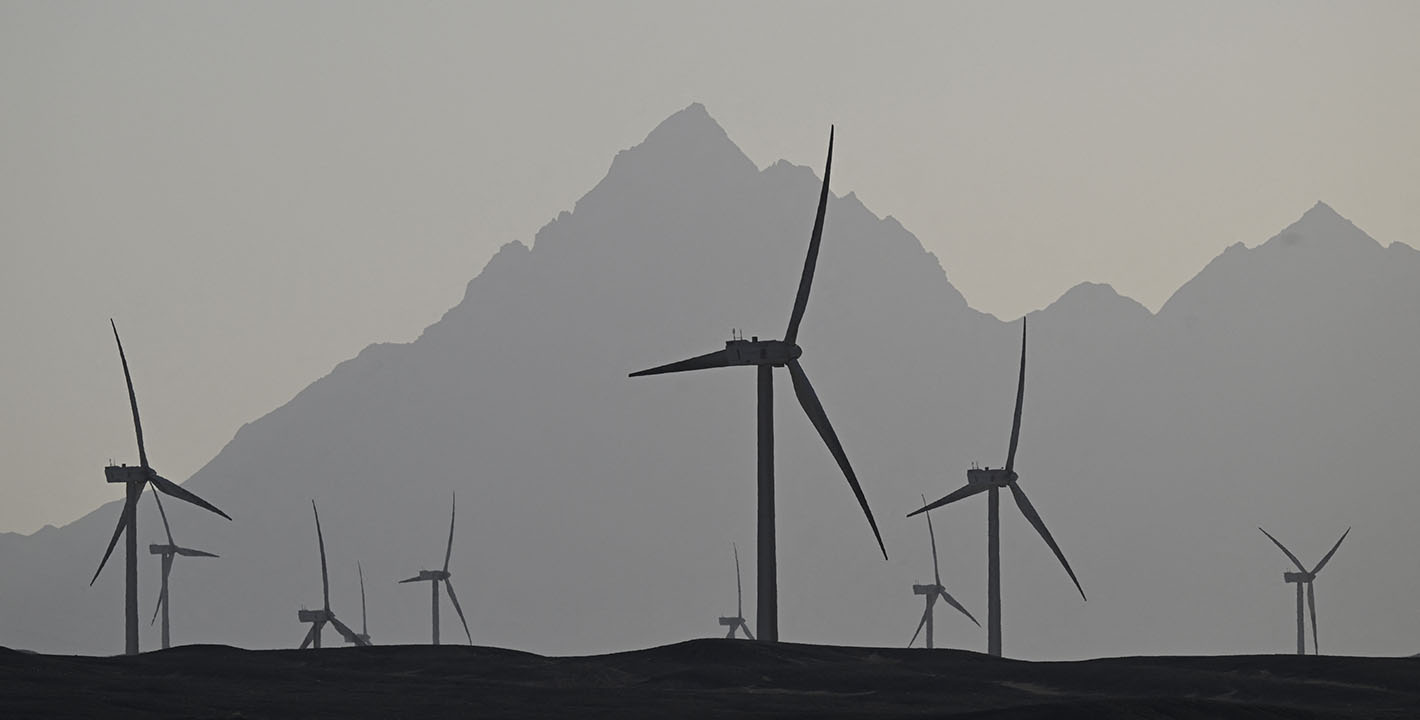
There is a disturbing structural parallel between the old global energy economy and the new green transition.

Angie Omar
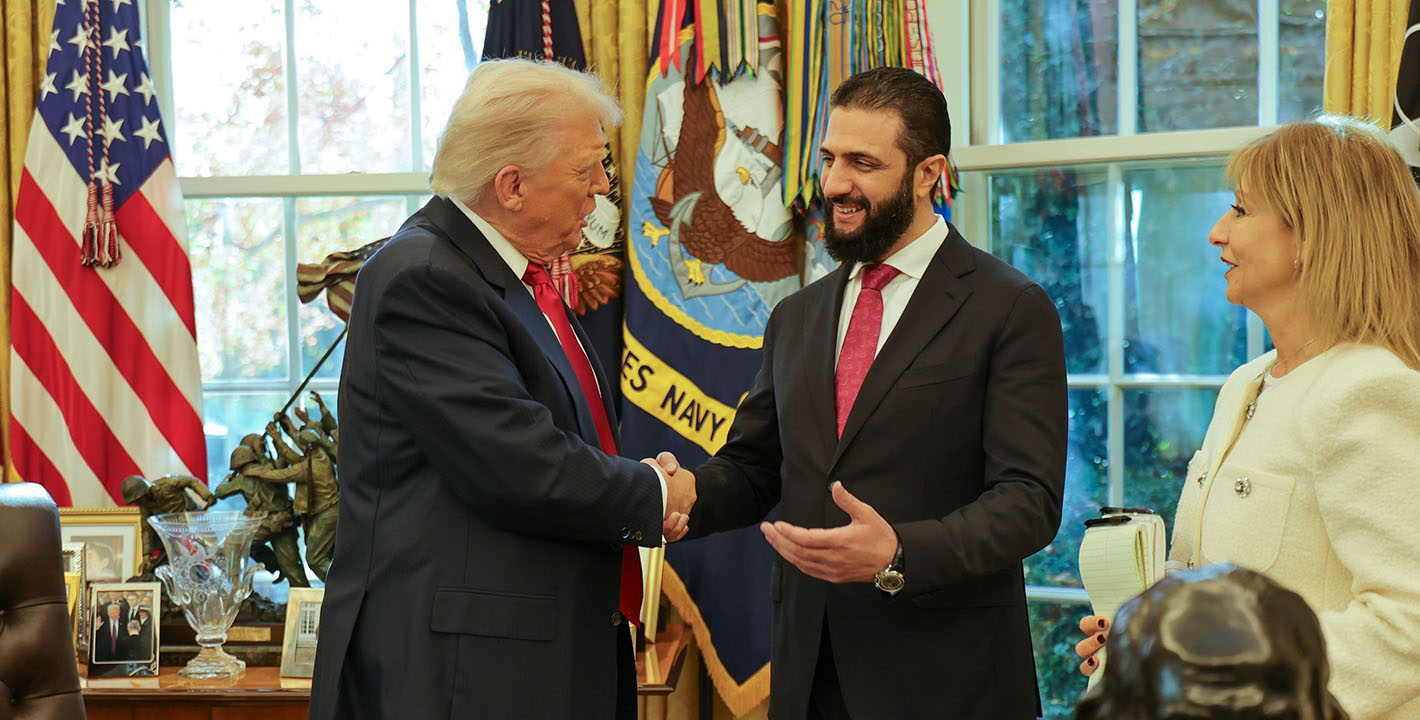
Any move by the United States to make good on Trump’s suggestion that Washington persuade Damascus to confront Hezbollah militarily would have catastrophic consequences.

Kheder Khaddour
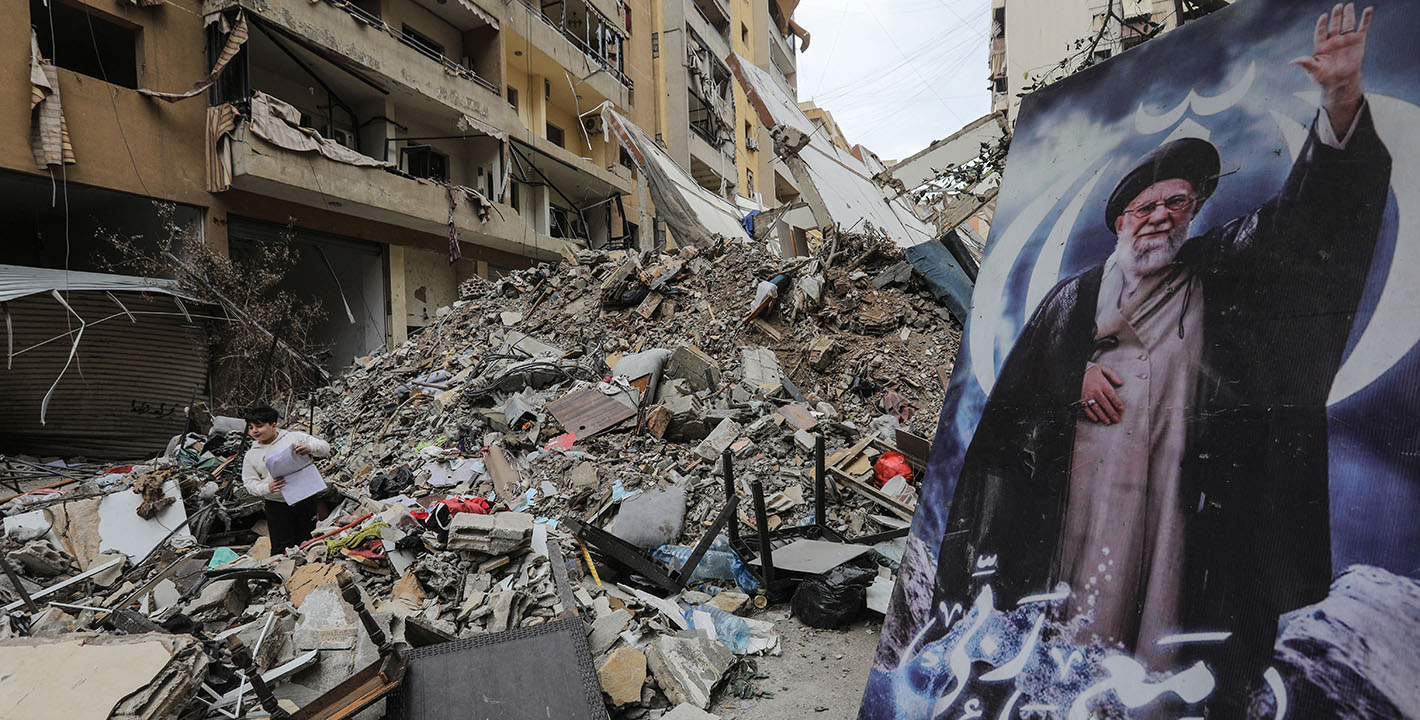
As talks begin between Washington and Tehran, Beirut has an opening to advance a regional plan for the party’s disarmament.

Michael Young
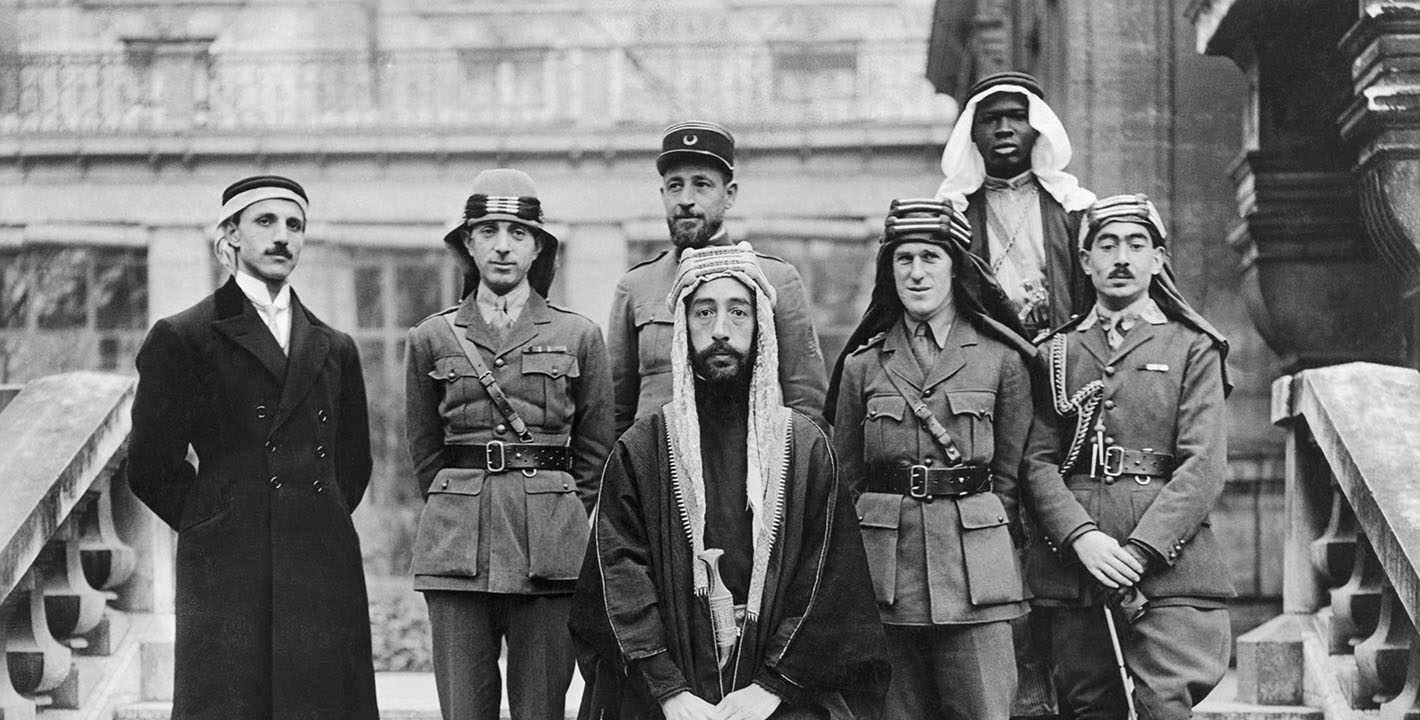
In an interview, Elizabeth Thompson recalls how the country formulated a liberal constitution in 1920, before being denied by France and Britain.
Michael Young
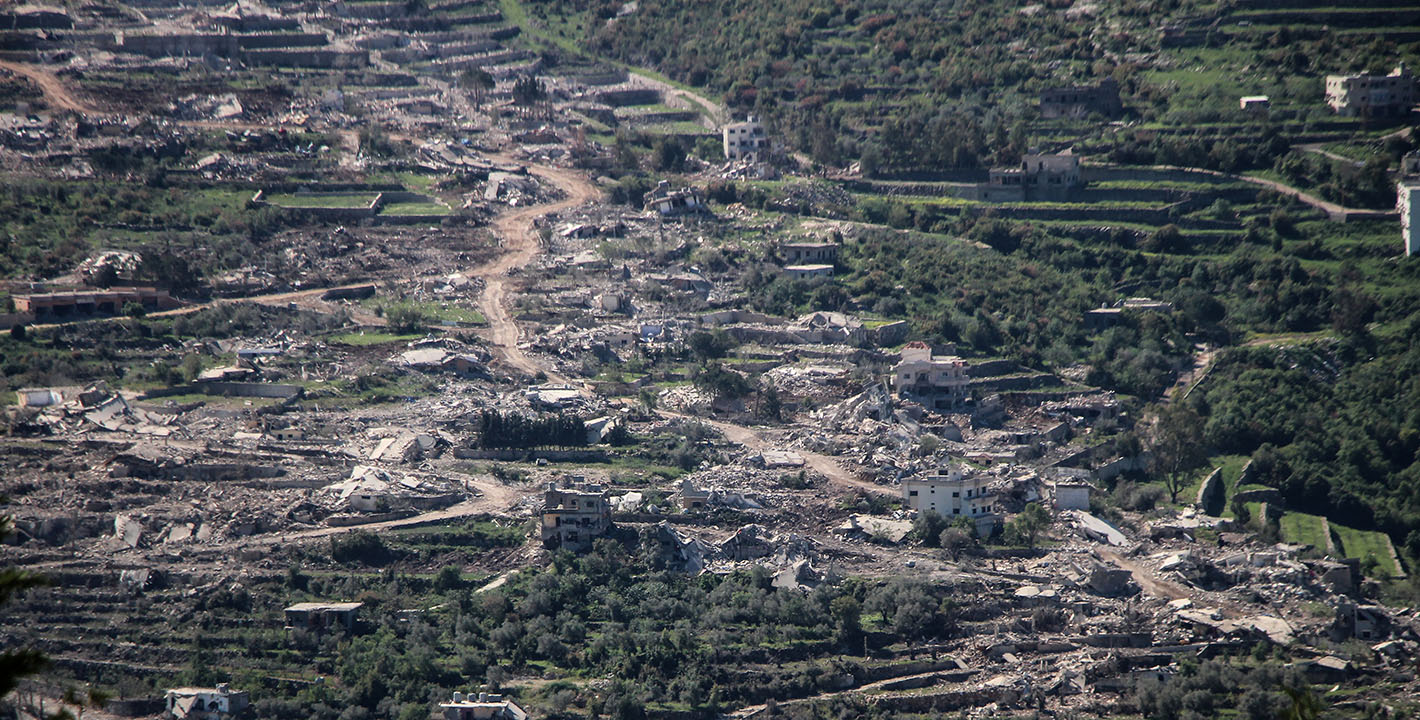
As negotiations with Iran and Lebanon continue, chaos is at the heart of the Netanyahu government’s calculations.
Michael Young