

Commentary
Azeema Cheema, Mohanad Hage Ali
{
  "authors": [
    "Mohanad Hage Ali"
  ],
  "type": "commentary",
  "blog": "Diwan",
  "centerAffiliationAll": "dc",
  "centers": [
    "Carnegie Endowment for International Peace",
    "Malcolm H. Kerr Carnegie Middle East Center"
  ],
  "collections": [
    "Three Question Time",
    "Political Islam"
  ],
  "englishNewsletterAll": "menaTransitions",
  "nonEnglishNewsletterAll": "",
  "primaryCenter": "Malcolm H. Kerr Carnegie Middle East Center",
  "programAffiliation": "MEP",
  "programs": [
    "Middle East"
  ],
  "projects": [],
  "regions": [
    "Levant",
    "Lebanon",
    "Syria",
    "Middle East"
  ],
  "topics": [
    "Political Reform"
  ]
}
Source: Getty
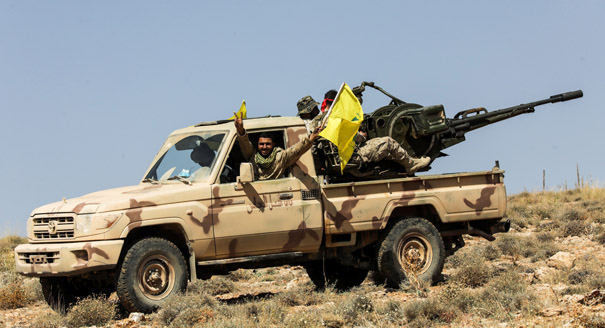
Having contributed to the Assad regime’s survival, the party can now turn to other priorities.
Mohanad Hage Ali is the director of communications at the Carnegie Middle East Center in Beirut. A former journalist, he worked for, among other outlets, the Al-Hayat daily in Beirut and London. He is a regular contributor to the Lebanese online publication Al-Modon, and a lecturer in politics and journalism at the Lebanese American University. Recently, he published Nationalism, Transnationalism, and Political Islam: Hizbullah’s Institutional Identity at Palgrave Macmillan, which he talked about here.
Diwan sat with Hage Ali in late November to discuss what the future holds for Hezbollah now that the conflict in Syria has entered a new phase in which the regime of President Bashar al-Assad appears to have survived, to a great extent thanks to Iran’s and the party’s efforts.

Deputy Director for Research, Malcolm H. Kerr Carnegie Middle East Center
Mohanad Hage Ali is the deputy director for research at the Malcolm H. Kerr Carnegie Middle East Center.
Recent Work

Azeema Cheema, Mohanad Hage Ali
Mohanad Hage Ali
Carnegie does not take institutional positions on public policy issues; the views represented herein are those of the author(s) and do not necessarily reflect the views of Carnegie, its staff, or its trustees.

The accord represents a pivotal moment in the region to avert a security vacuum in the Gulf.
Azeema Cheema, Mohanad Hage Ali

In an interview, Jason Burke discusses his sweeping account of the “revolutionists” who so shaped the 1970s and early 1980s.

Michael Young
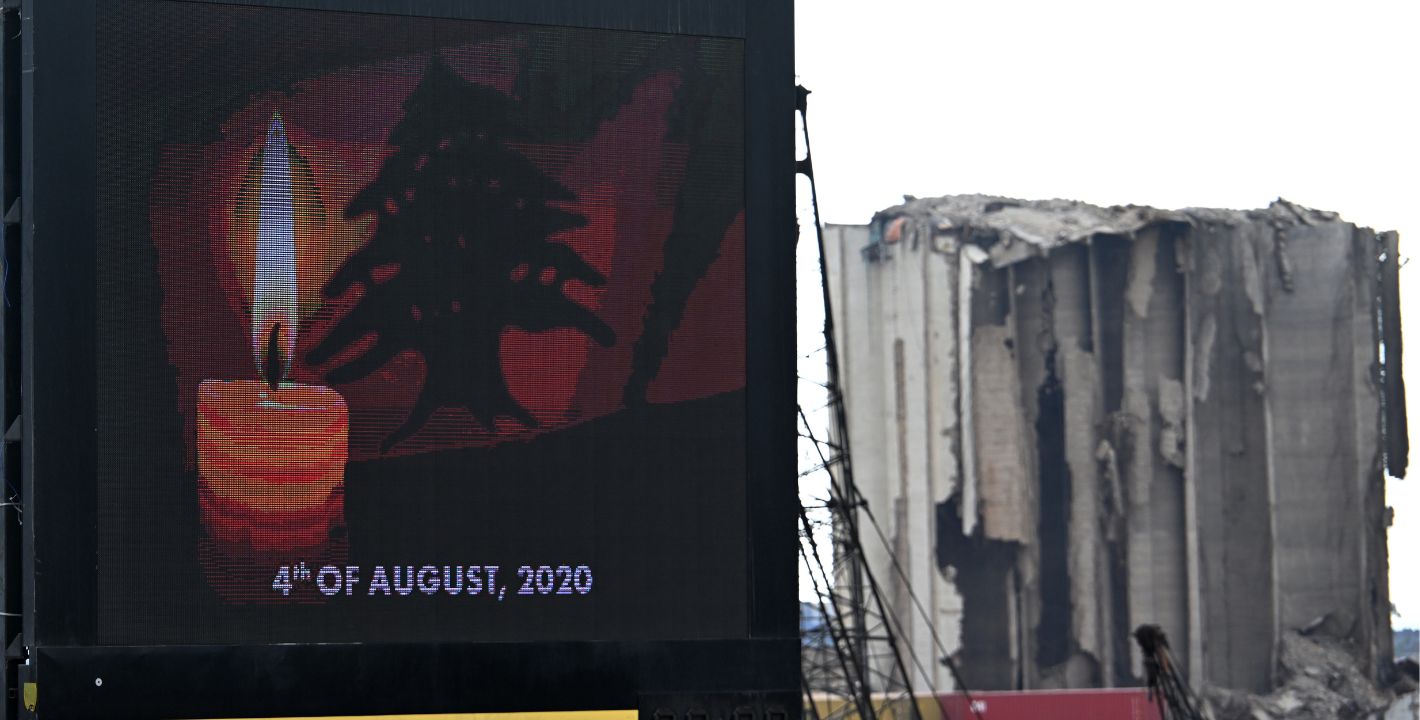
Lying at the heart of Lebanon’s dysfunction is an inability to secure accountability and institutional legitimacy.

Maha Yahya
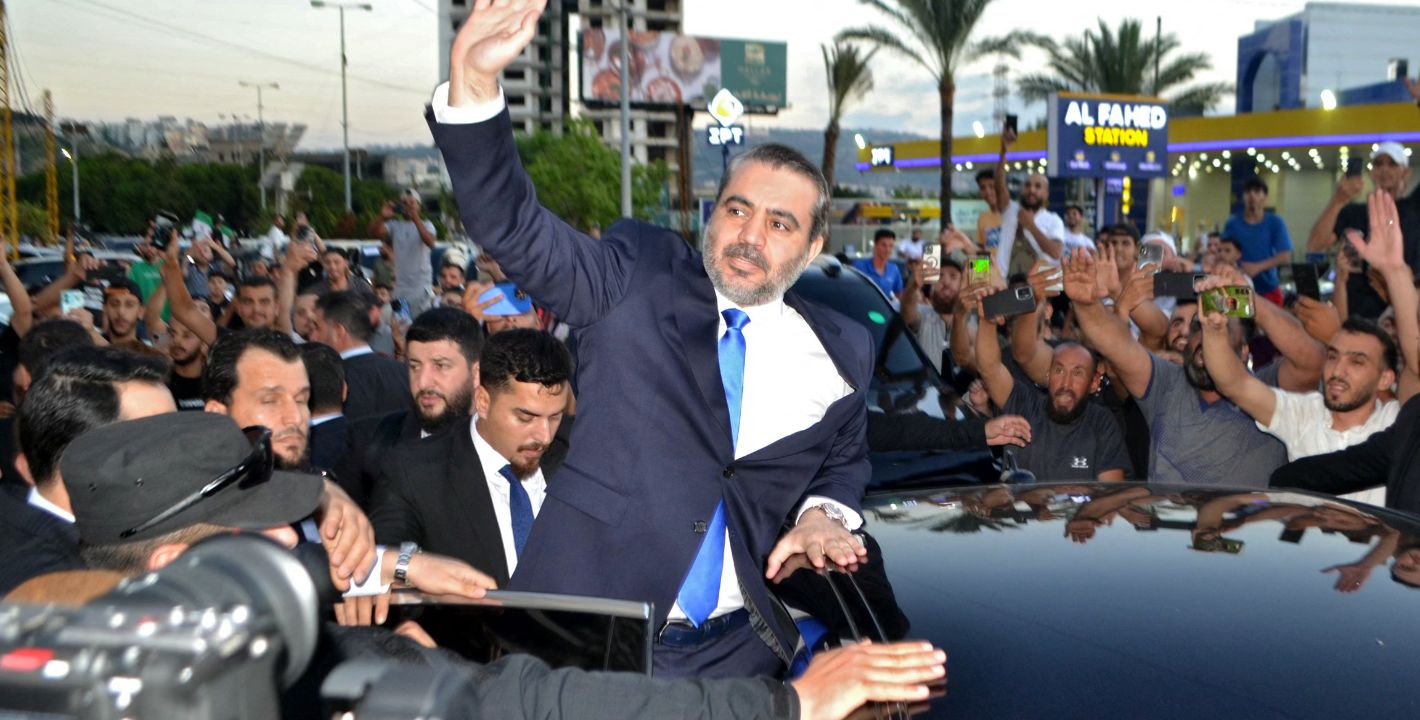
In an interview, Sohaib Jawhar analyzes the profound changes in the ties between the neighboring countries.
Michael Young
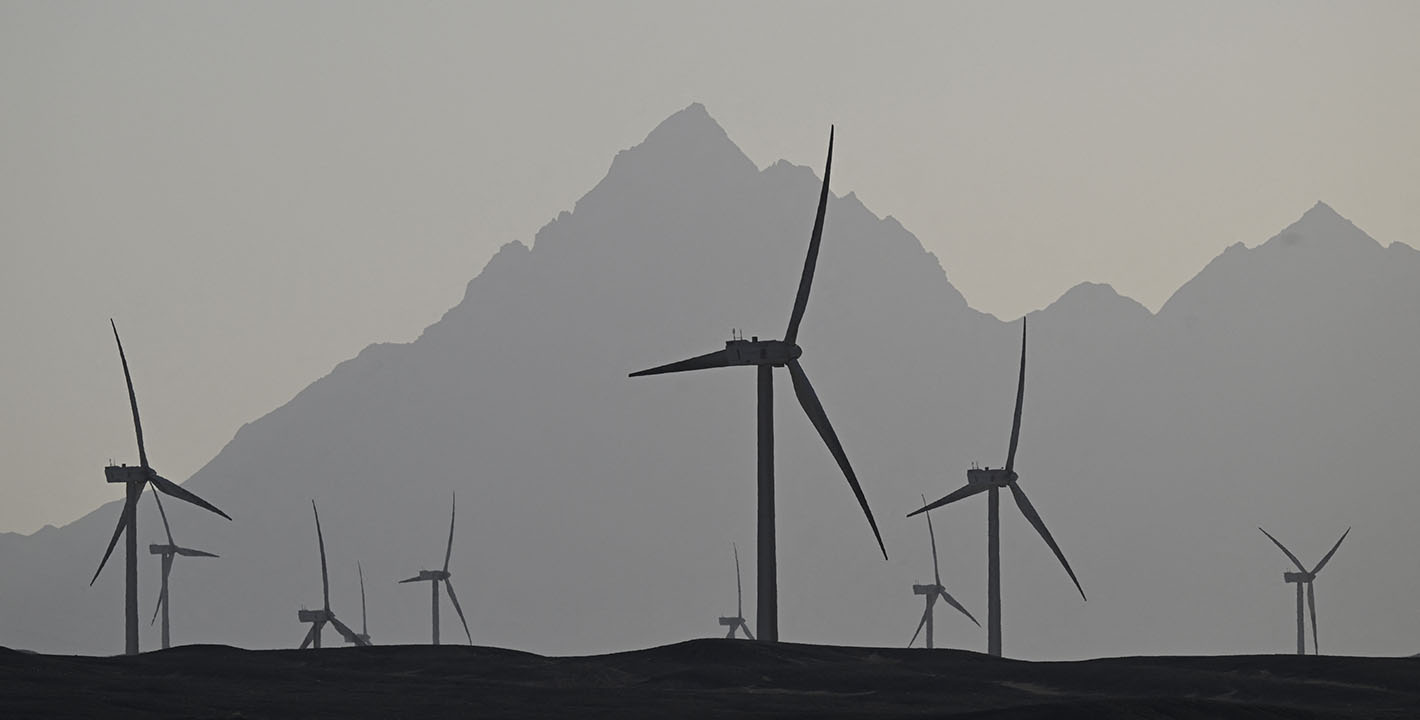
There is a disturbing structural parallel between the old global energy economy and the new green transition.

Angie Omar