

Commentary
Azeema Cheema, Mohanad Hage Ali
{
  "authors": [
    "Mohanad Hage Ali"
  ],
  "type": "commentary",
  "blog": "Diwan",
  "centerAffiliationAll": "dc",
  "centers": [
    "Carnegie Endowment for International Peace",
    "Malcolm H. Kerr Carnegie Middle East Center"
  ],
  "collections": [
    "Three Question Time"
  ],
  "englishNewsletterAll": "menaTransitions",
  "nonEnglishNewsletterAll": "",
  "primaryCenter": "Malcolm H. Kerr Carnegie Middle East Center",
  "programAffiliation": "MEP",
  "programs": [
    "Middle East"
  ],
  "projects": [],
  "regions": [
    "Levant",
    "Iraq",
    "Middle East"
  ],
  "topics": [
    "Political Reform"
  ]
}
Source: Getty
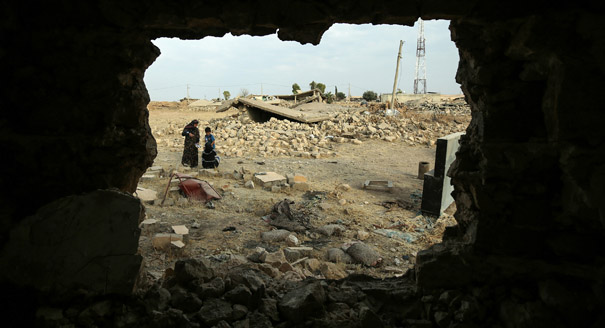
Dylan O’Driscoll argues that the defeat of the Islamic State must be exploited to build a civic society in Iraq.
Dylan O’Driscoll is a research associate at the Humanitarian Conflict Response Institute of the University of Manchester, where he works in the Evidence and Knowledge for Development program. His main research interest is ethnosectarian conflict in the Middle East, particularly in Iraq, where he has spent two years conducting fieldwork. He has a Ph.D. in ethnopolitics from the University of Exeter, where his thesis examined Kirkuk within the wider issues of conflict and governance in Iraq. O’Driscoll also holds an MA in Kurdish Studies from the University of Exeter.
O’Driscoll’s current research examines the factors that led to the rise of the Islamic State and the policies that are required to counteract this. It is to discuss the post-Islamic state period in Iraq that Diwan met with O’Driscoll when he was in Beirut in early February for a Carnegie roundtable on post-conflict reconstruction.

Deputy Director for Research, Malcolm H. Kerr Carnegie Middle East Center
Mohanad Hage Ali is the deputy director for research at the Malcolm H. Kerr Carnegie Middle East Center.
Recent Work

Azeema Cheema, Mohanad Hage Ali
Mohanad Hage Ali
Carnegie does not take institutional positions on public policy issues; the views represented herein are those of the author(s) and do not necessarily reflect the views of Carnegie, its staff, or its trustees.
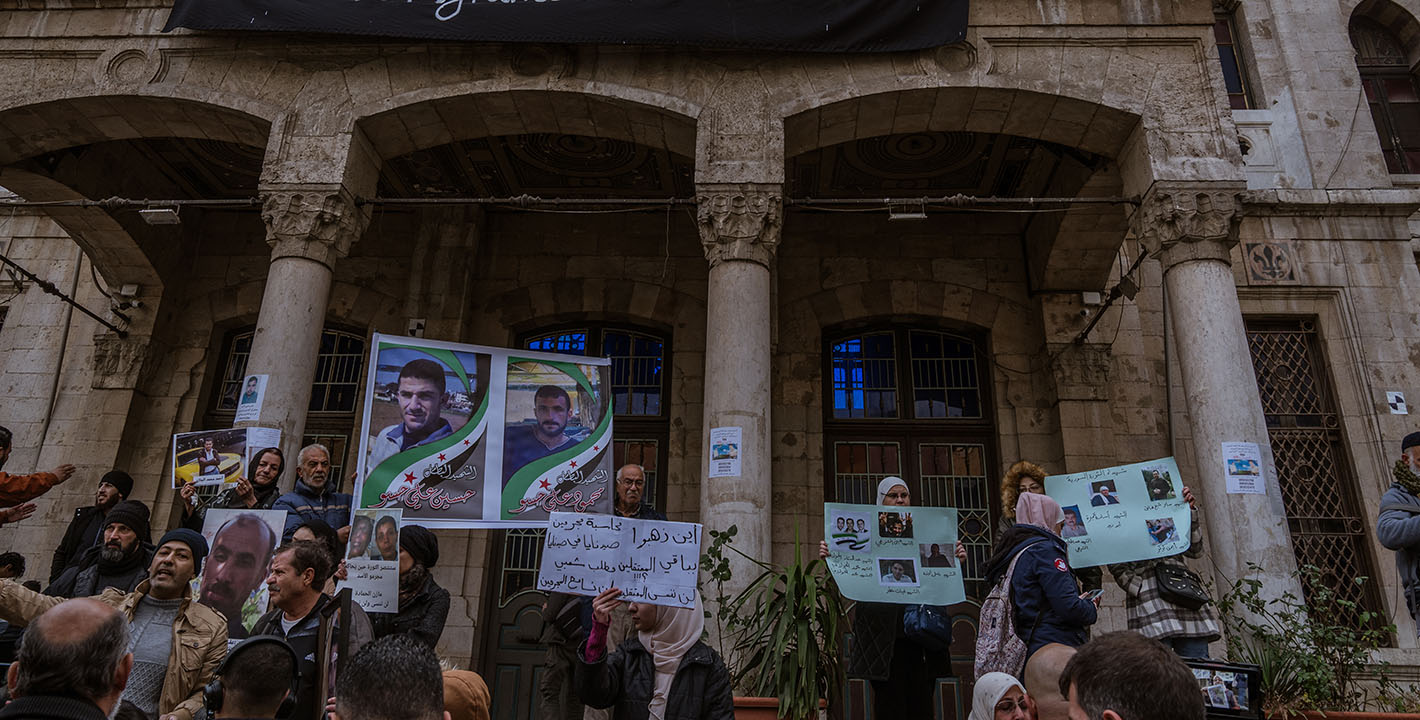
Reconciliation councils are emerging throughout the country to mediate in intracommunal disputes, many from the war years.
Natacha Danon
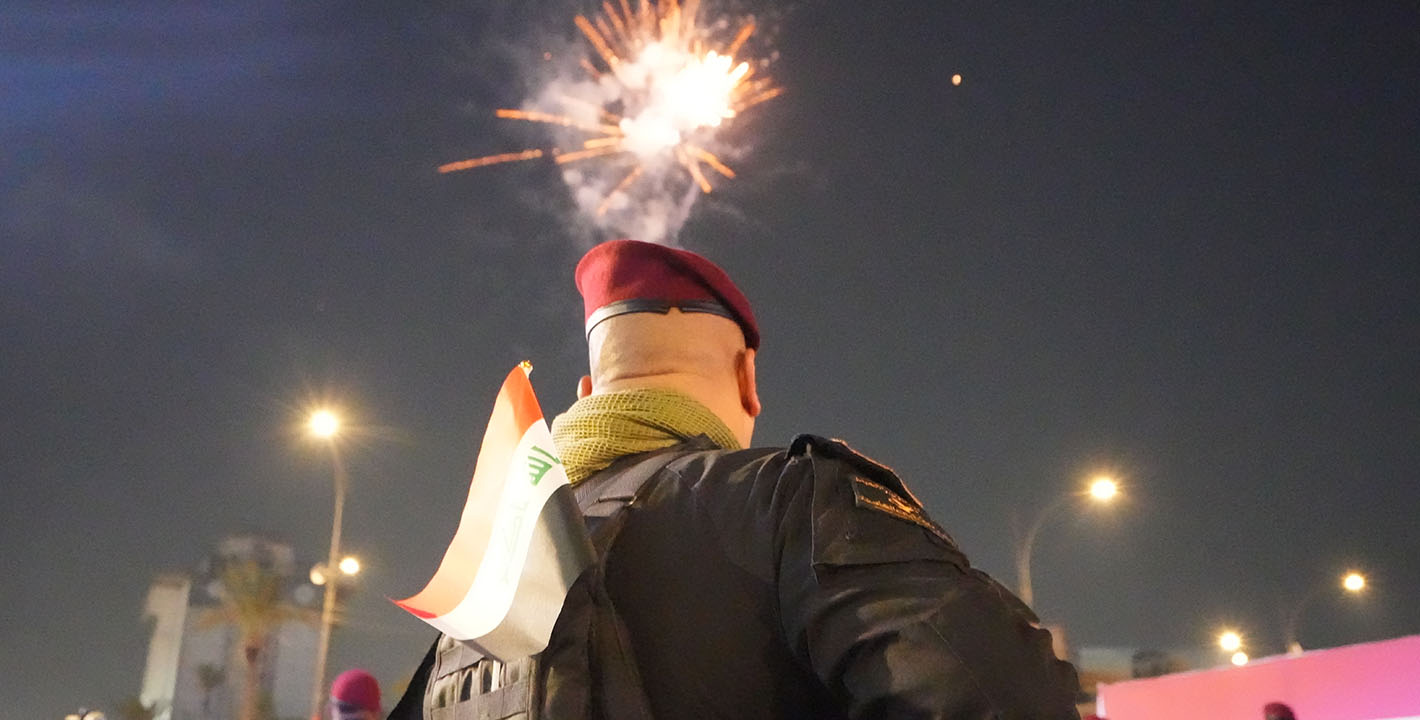
As the U.S.-led Coalition withdraws, the Kurds’ reliance on Baghdad, and on themselves, will only increase.
Wladimir van Wilgenburg

As the U.S. stumbles in its war with Iran, we are likely to see an acceleration of its disengagement from the region.

Michael Young
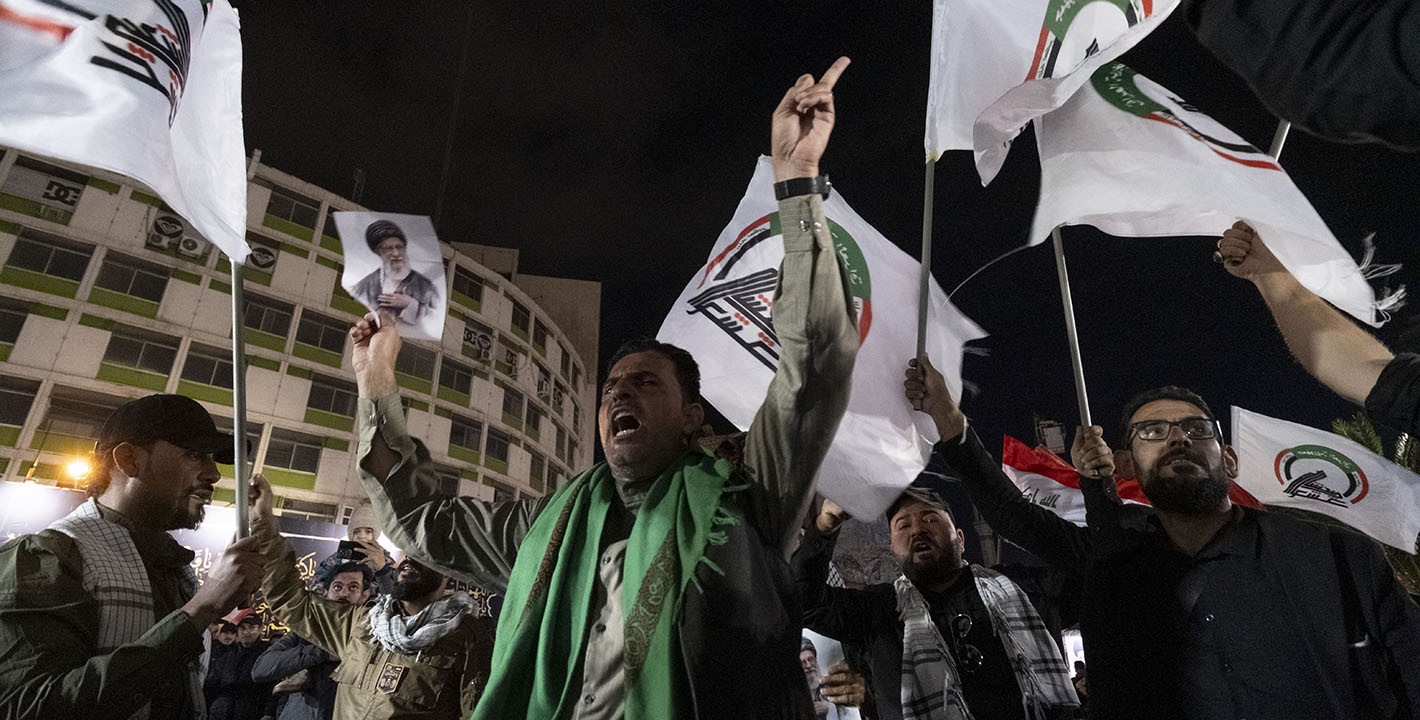
The Zaidi government’s objective to collect weapons is constrained by regional conflict, but it can take certain measures at home.
Ali Al-Mawlawi

The accord represents a pivotal moment in the region to avert a security vacuum in the Gulf.
Azeema Cheema, Mohanad Hage Ali