

Commentary
Michael Young
{
  "authors": [
    "Michael Young"
  ],
  "type": "commentary",
  "blog": "Diwan",
  "centerAffiliationAll": "dc",
  "centers": [
    "Carnegie Endowment for International Peace",
    "Malcolm H. Kerr Carnegie Middle East Center"
  ],
  "collections": [
    "Political Islam"
  ],
  "englishNewsletterAll": "menaTransitions",
  "nonEnglishNewsletterAll": "",
  "primaryCenter": "Malcolm H. Kerr Carnegie Middle East Center",
  "programAffiliation": "MEP",
  "programs": [
    "Middle East"
  ],
  "projects": [],
  "regions": [
    "Maghreb",
    "North Africa",
    "Algeria"
  ],
  "topics": [
    "Political Reform"
  ]
}
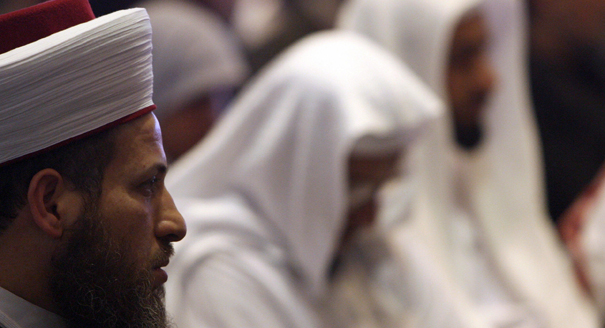
Source: Getty
In an interview, Dalia Ghanem-Yazbeck talks about the paradoxes of state control over religion in Algeria.
Dalia Ghanem-Yazbeck is a resident scholar at the Carnegie Center in Beirut, where her work examines political and extremist violence, radicalization, Islamism, and jihadism, with an emphasis on Algeria. A regular contributor to Diwan, she most recently published an article for the blog on females in the Algerian armed forces, titled “Girls, Interrupted.” Her latest contribution to Carnegie is an article on state Islam in Algeria, titled “State-Owned Islam in Algeria Faces Stiff Competition.” It is to discuss the article that Diwan interviewed Ghanem-Yazbeck in mid-April.
Michael Young: How extensive is state control over Islam in Algeria, and what characterizes such control?
Dalia Ghanem-Yazbeck: State control over religion in general and Islam in particular is tight, but not total. Tight in the sense that the state controls much of the religious realm through state religious institutions, ministers, judges, scholars, imams, and so forth. These institutions and personalities speak with a powerful voice on religion. The state also controls mosques and religious endowments (habus or waqf), while the staff of mosques are in fact civil servants. The state offers interpretations and guidance on spiritual matters, both through mosques but also through laws, such as family law, and through the regulation of fatwas issued by the High Islamic Council.
In addition, the state has control over publications. For instance, there is a commission within the Ministry of Religious Affairs that is responsible for verifying versions of the Holy Quran. It is this same commission that is responsible for authorizing religious books in book fairs. In 2014, for instance, some 250 books were banned because they presented an “apologia of Shiism, extremism, and terrorism,” as officials put it. The state also regulates the Islamic religious tax (zakat) as well as the process of pilgrimage to Mecca and Medina. To maintain its monopoly over the interpretation of religion, the state broadcasts religious programming on national television and radio stations.
Finally, school is a place where the state speaks authoritatively on religious matters and the Ministry of Education is responsible for all textbooks. The Algerian educational system is highly centralized, and Islam is taught in all schools, including private schools.
As I said at the beginning, state control is robust yet not total. That is because it is hard to control every aspect of the religious realm, despite the measures I described earlier. A good example is education. It is difficult for the state to keep an eye on all study groups and Quranic schools not necessarily in line with the state’s interpretation of religion. In 2016, Minister of Religious Affairs Mohamed Aïssa declared that 139 Quranic schools were believed to be outside state control.
Another example of the difficulty of maintaining state control is the impossibility for the state to keep a tight hold over, or even compete with, the legion of preachers who make their views known through the internet or on satellite channels. A 2018 study conducted in Algeria by Interface Media, showed that Algerians are much more interested in Egyptian and Saudi preachers than they are in local preachers. So, for example, some 2 million Algerians follow the Facebook page of the Saudi extremist Sheikh Mohammed al-Arifi, against 1.3 million Saudis who do so.
MY: You write that only state-sanctioned mosques can lead Islamic services, but also that there are a large number of illegal mosques in Algeria. How widespread is this phenomenon of illegal mosques?
DGY: That is the other domain where state control is robust but not total. Even though mosques are constructed, licensed, managed, and regulated by the state as public goods that belong to religious endowments, it is hard to maintain control over 17,000 mosques throughout the country. Second, it is hard to keep a tab on what is said in these mosques and how things are said. While it is true that only state-sanctioned mosques and only authorized imams can lead Islamic services, many mosques have been constructed without the approval of the Ministry of Religious Affairs. As a result, it is hard for the state to track them and monitor what is being said inside. In 2015, the Algerian government announced that it had closed 900 illegal mosques and that some 55 were being monitored for security reasons because they were Salafi mosques.
MY: How does the regime use mosques to reinforce its authority?
DGY: The state uses mosques to assert its presence. Imams and religious figures are asked to echo government policies. During election periods, for instance, it is typical for the minister of religious affairs to send out an official letter to clerics in the country, asking them to “sensitize Algerians to the dangers that threaten the country,” so to speak, or to remind citizens of their duty to vote. During the 2017 legislative elections, clerics throughout the country asked Algerians to vote and reminded them of the “virtues of political stability.”
MY: How widespread is Salafism in Algeria, in light of the fact that the Algerian state claims to fight Salafism and that religious textbooks, as you put it, remain “faithful to the Salafist spirit”?
DGY: Salafism is widespread in Algeria, and this will continue for as long as religious education is Salafi oriented. But there is also ambiguity in the way that the state approaches education, which creates room for Salafism. A textbook is a pedagogical tool that is used to educated entire generations, and textbooks in Algeria are sending mixed messages. On the one hand, they insist on democratic principles, on the other they insist on religious identity. In short, schools try to educate the citizens of a democratic state, while at the same time they are also educating individuals who are part of a religious community, the umma.
MY: What will be the greatest challenge for state Islam in Algeria in the future?
DGY: The challenges are numerous. Among them is the control of mosques and Muslim preachers who lie outside official religion, particularly those who operate online or through satellite channels. But most importantly, I think that whatever the state does to control the religious realm, it cannot oblige or guarantee that people will rely on official bodies and individuals for their religious guidance. In fact, Algerian youths in particular are disillusioned and have lost confidence in their religious institutions. As such, they may be attracted to other religious voices, especially those offering “grab and go” solutions to complex issues or a Manichean view of the world.

Editor, Diwan, Senior Editor, Malcolm H. Kerr Carnegie Middle East Center
Michael Young is the editor of Diwan and a senior editor at the Malcolm H. Kerr Carnegie Middle East Center.
Recent Work
Michael Young
Michael Young
Carnegie does not take institutional positions on public policy issues; the views represented herein are those of the author(s) and do not necessarily reflect the views of Carnegie, its staff, or its trustees.
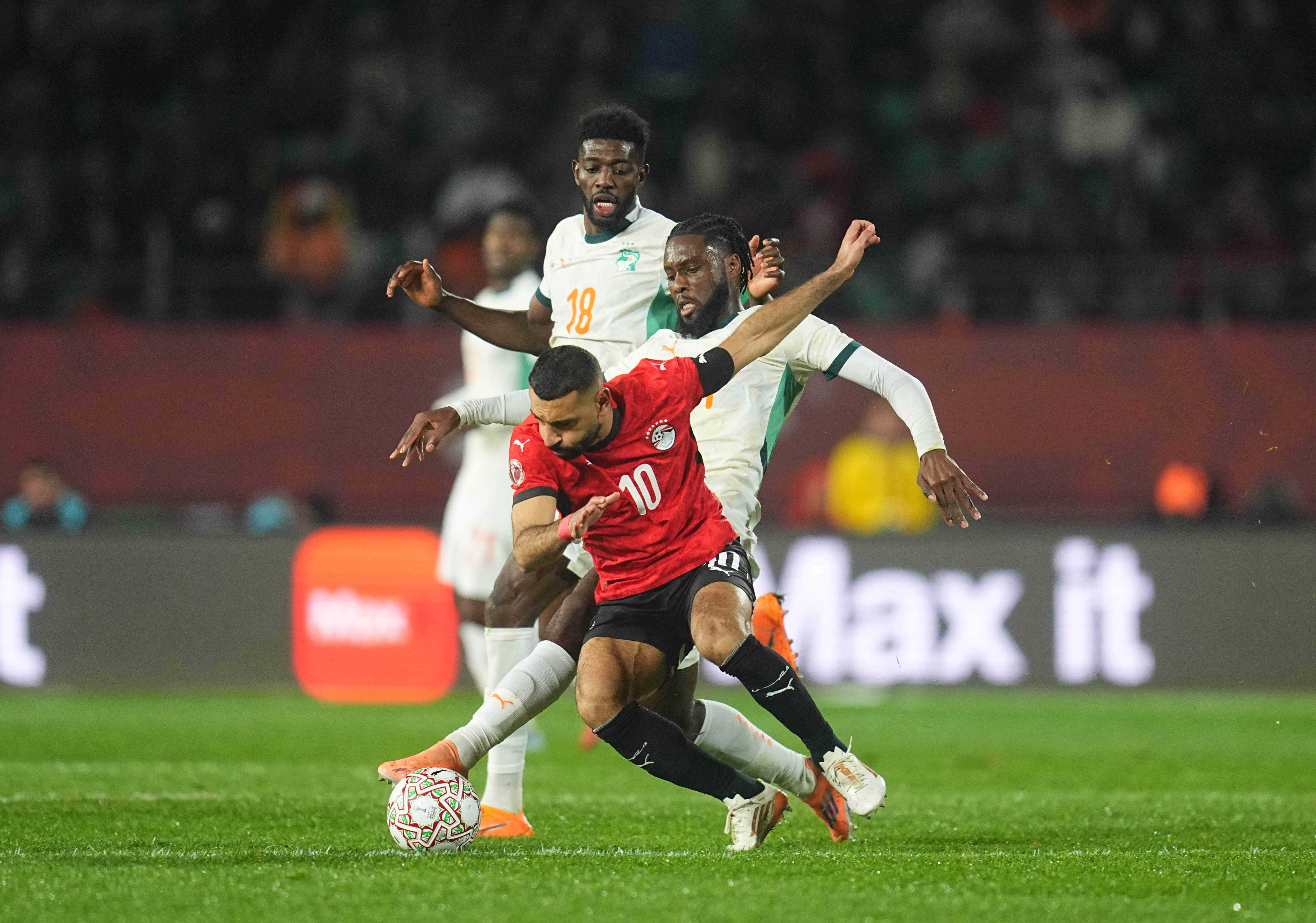
This will be the region’s most representative tournament, amid broad changes in its footballing landscape.
Issam Kayssi
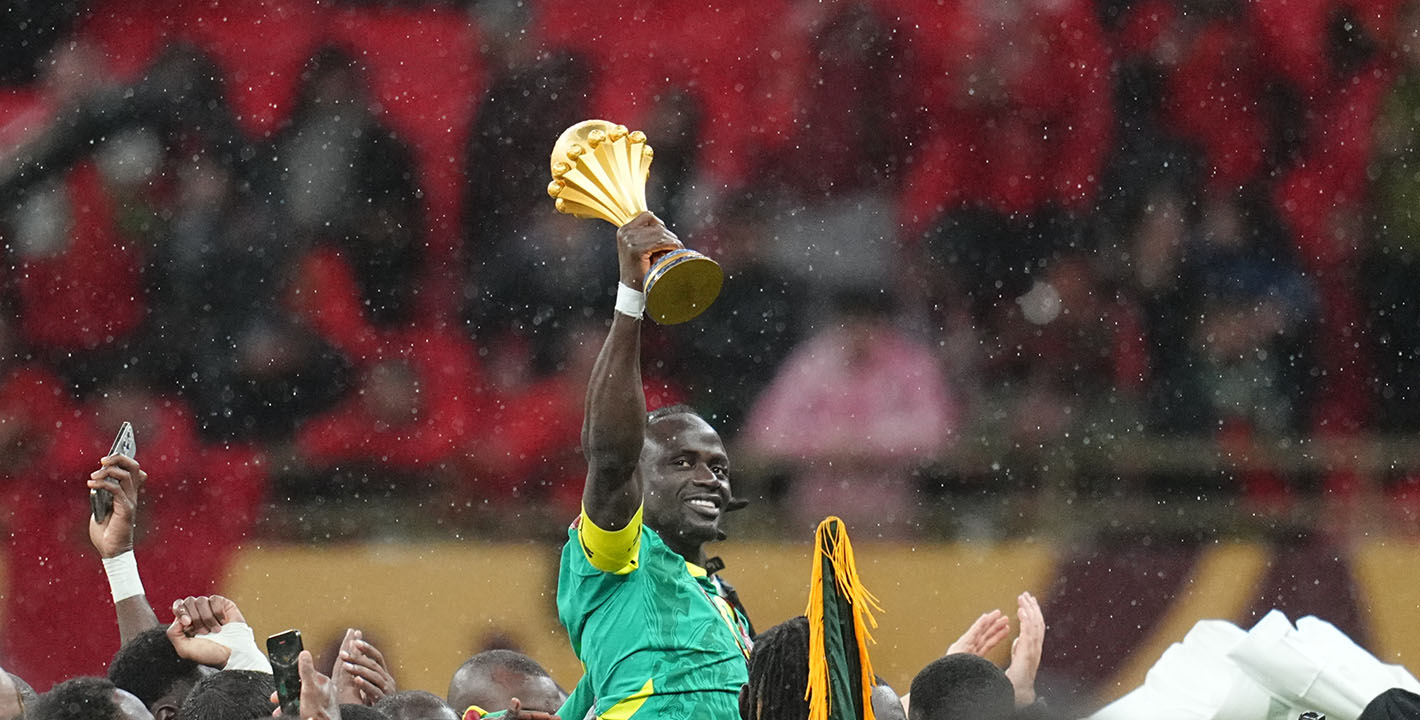
The recent African Cup of Nations tournament in Morocco touched on issues that largely transcended the sport.

Issam Kayssi, Yasmine Zarhloule
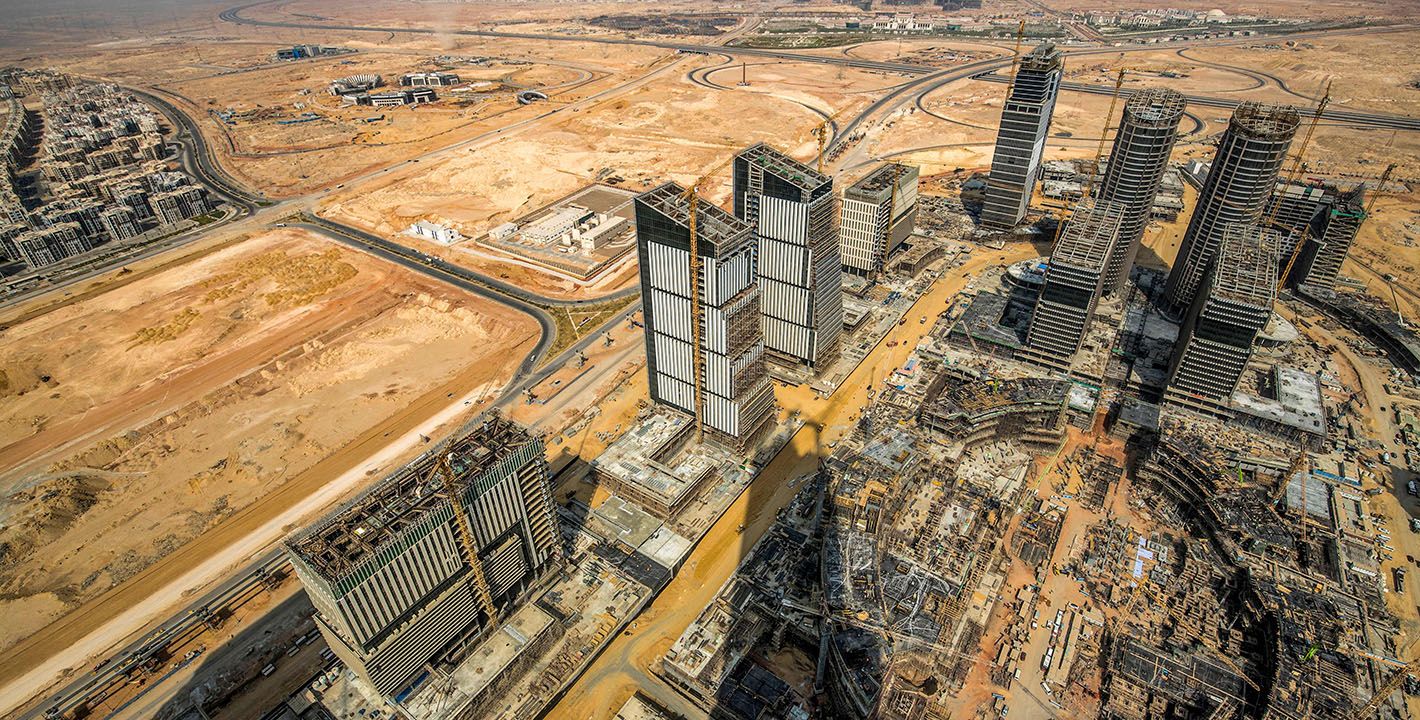
Mustaqbal Misr has expanded its portfolio with remarkable speed, but a lack of transparency remains.

Yezid Sayigh
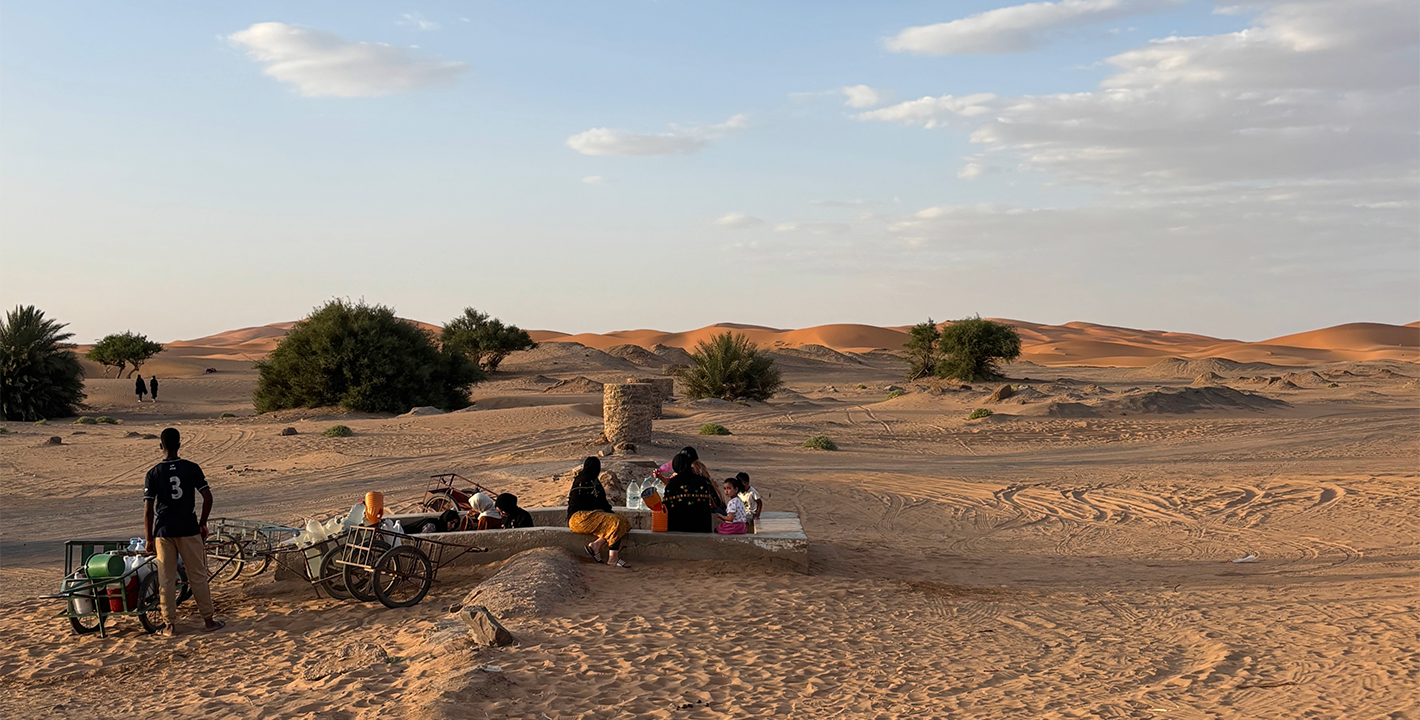
The burden of environmental degradation is felt not only through physical labor but also emotional and social loss.
Yasmine Zarhloule, Ella Williams
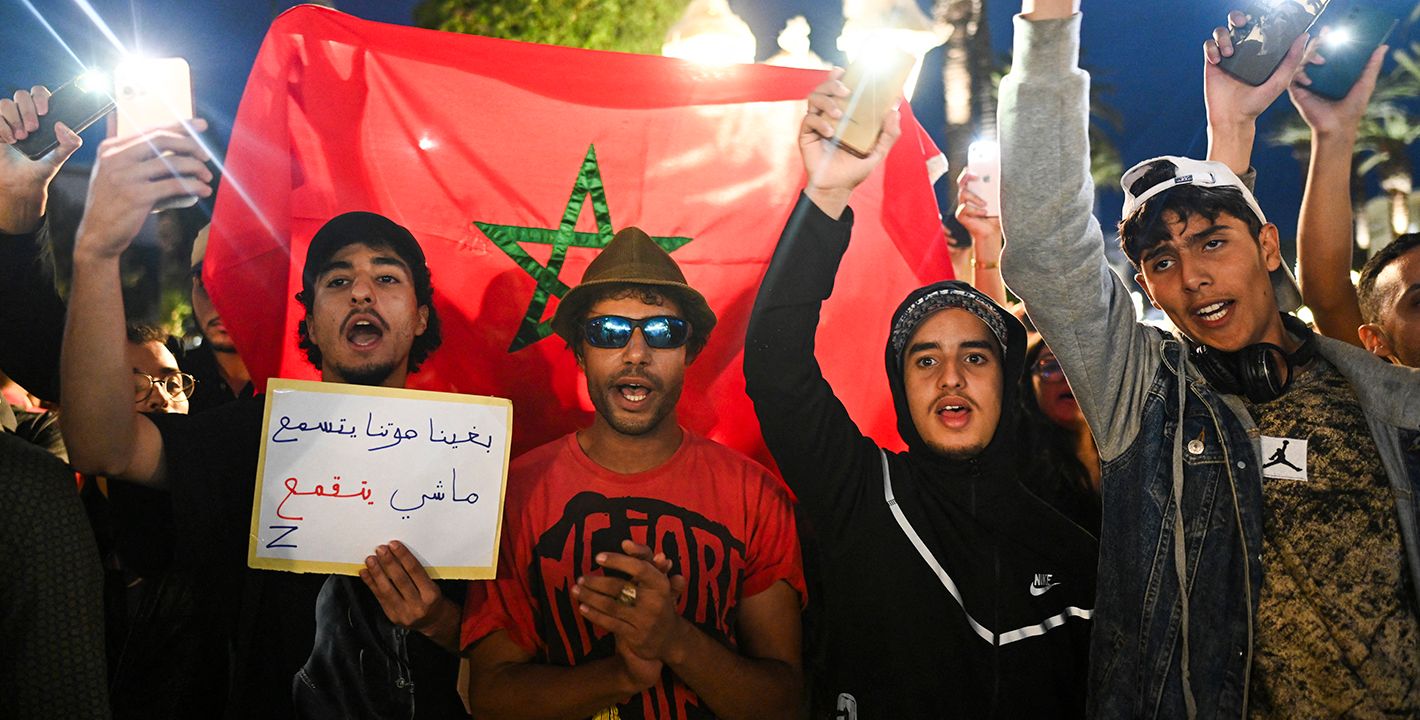
The country’s youthful protest movement is seeking economic improvement, social justice, and just a little hope.
Yasmine Zarhloule