

Article
Mohanad Hage Ali
{
  "authors": [
    "Mohanad Hage Ali"
  ],
  "type": "commentary",
  "blog": "Diwan",
  "centerAffiliationAll": "dc",
  "centers": [
    "Carnegie Endowment for International Peace",
    "Malcolm H. Kerr Carnegie Middle East Center"
  ],
  "collections": [
    "Three Question Time"
  ],
  "englishNewsletterAll": "menaTransitions",
  "nonEnglishNewsletterAll": "",
  "primaryCenter": "Malcolm H. Kerr Carnegie Middle East Center",
  "programAffiliation": "MEP",
  "programs": [
    "Middle East"
  ],
  "projects": [],
  "regions": [
    "Levant",
    "Syria",
    "Middle East"
  ],
  "topics": [
    "Political Reform",
    "Civil Society"
  ]
}
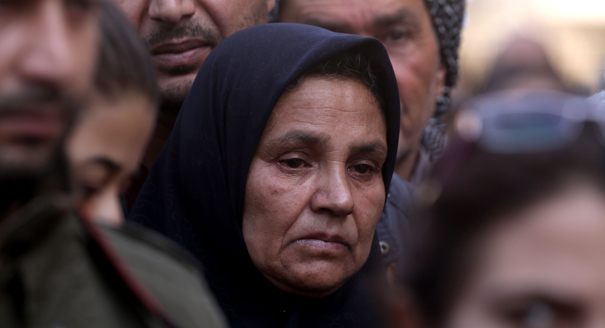
Source: Getty
Amnesty International’s Diana Semaan discusses human rights reporting in Syria and its shortcomings.
Diana Semaan is a researcher on Syria with Amnesty International. She previously worked at Human Rights Watch in Beirut. Semaan received a Bachelor’s degree in banking and finance from the Lebanese American University, before earning a Master’s degree in international political economy from the University of Warwick in the United Kingdom. She previously interned at the Carnegie Middle East Center, focusing on the economy of the Levant region, before going in another direction when she joined Human Rights Watch. Diwan spoke with Semaan in mid-May to discuss human rights reporting in Syria and how she sees Syria’s future from a human rights perspective.

Deputy Director for Research, Malcolm H. Kerr Carnegie Middle East Center
Mohanad Hage Ali is the deputy director for research at the Malcolm H. Kerr Carnegie Middle East Center.
Recent Work
Mohanad Hage Ali
Mohanad Hage Ali
Carnegie does not take institutional positions on public policy issues; the views represented herein are those of the author(s) and do not necessarily reflect the views of Carnegie, its staff, or its trustees.
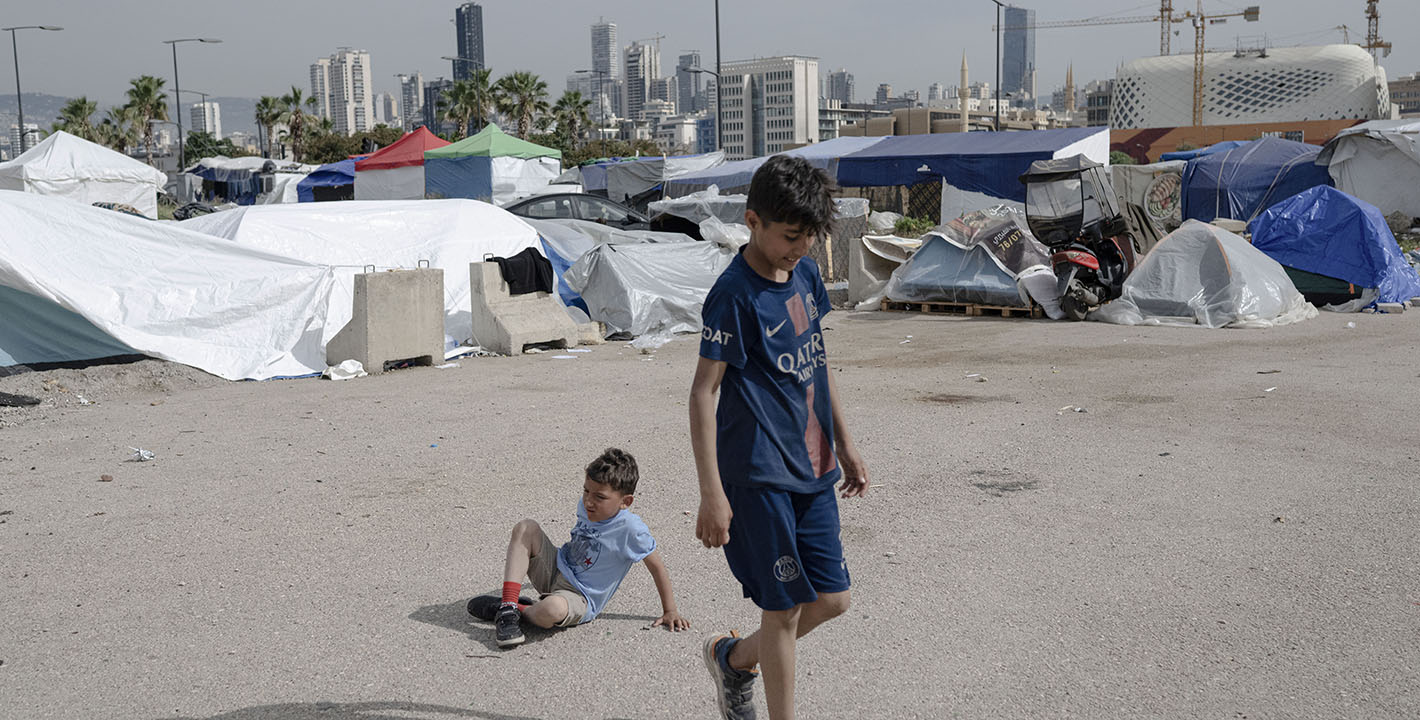
Israel is encroaching on the country’s territory, while the Lebanese look askance at one another.
Issam Kayssi
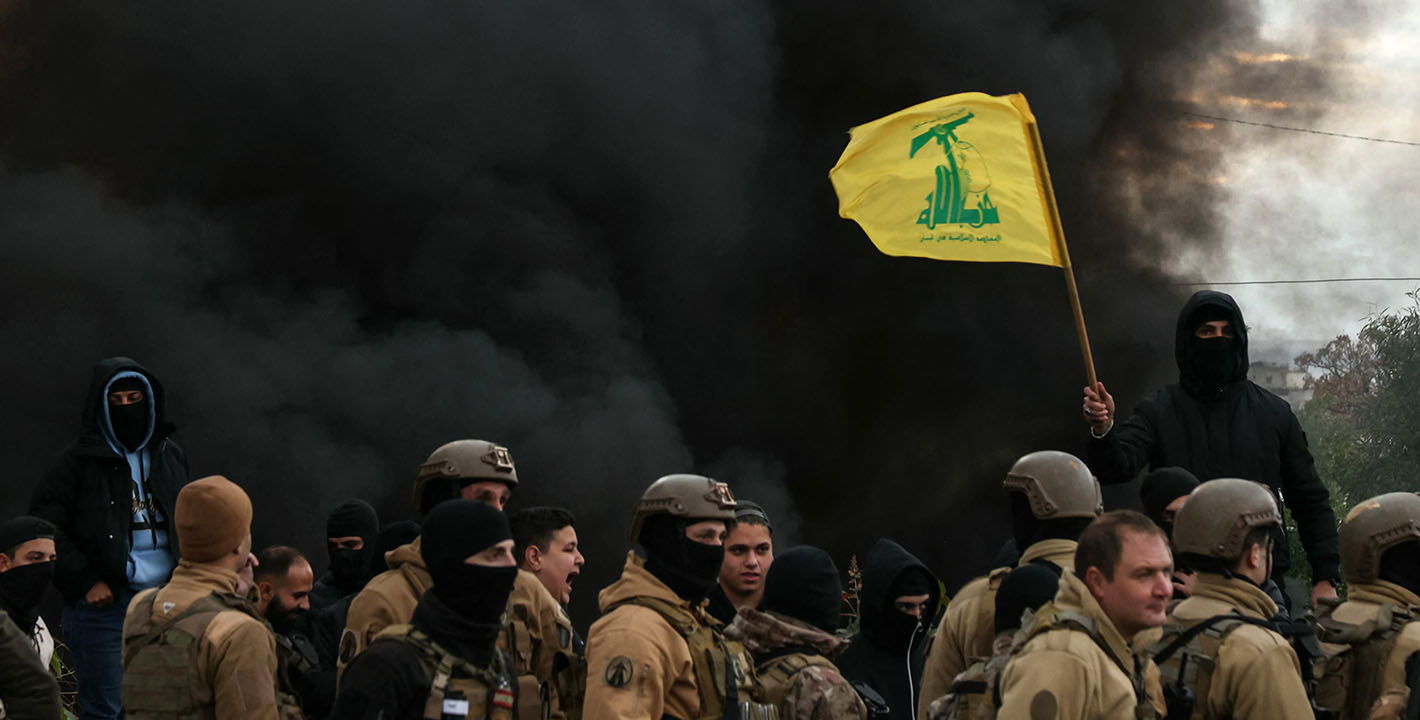
The party’s domestic and regional roles have changed, so Lebanon should devise a disarmament strategy that encompasses this.

Michael Young

Because perpetual conflict enhances control, offers economic benefits, and allows leaders to ignore popular preferences.

Angie Omar
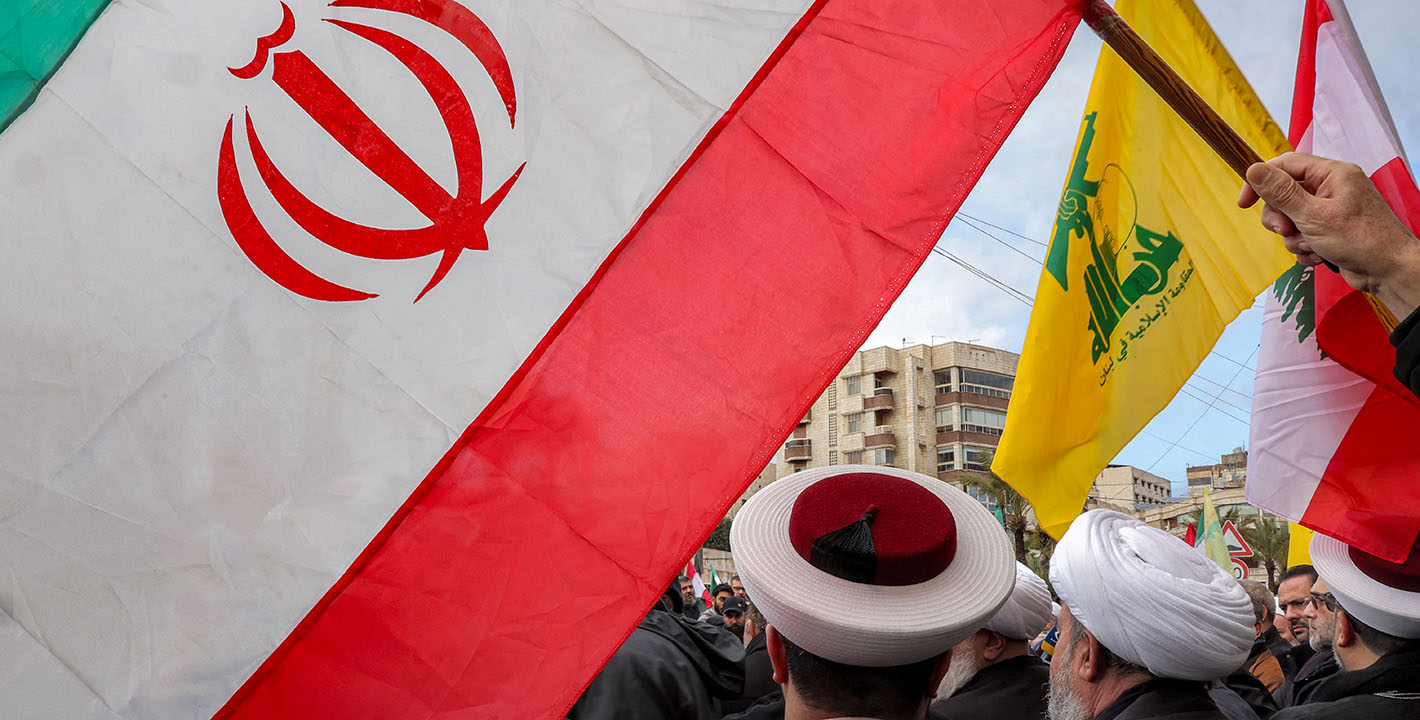
The community seeks maintain a distance from Hezbollah, and an even greater one from normalization with their southern neighbor.
Mohamad Fawaz

Unless Beirut lowers expectations, any setbacks will end up bolstering Hezbollah’s narrative.
Mohanad Hage Ali