

Commentary
Jake Walles
{
  "authors": [
    "Jake Walles"
  ],
  "type": "commentary",
  "blog": "Diwan",
  "centerAffiliationAll": "dc",
  "centers": [
    "Carnegie Endowment for International Peace",
    "Malcolm H. Kerr Carnegie Middle East Center"
  ],
  "collections": [],
  "englishNewsletterAll": "menaTransitions",
  "nonEnglishNewsletterAll": "",
  "primaryCenter": "Malcolm H. Kerr Carnegie Middle East Center",
  "programAffiliation": "MEP",
  "programs": [
    "Middle East"
  ],
  "projects": [],
  "regions": [
    "Middle East",
    "Palestine",
    "Levant",
    "Israel"
  ],
  "topics": [
    "Political Reform"
  ]
}
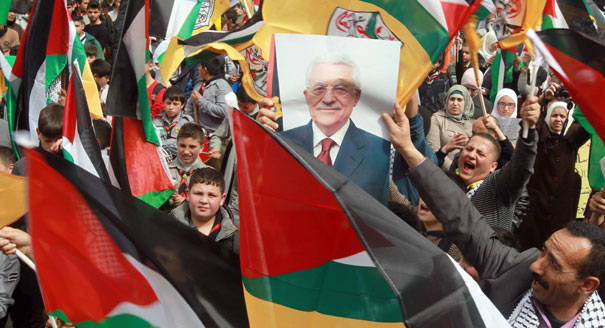
Source: Getty
With his succession looming, the Palestinian president must put his house in order.
Palestinian President Mahmoud Abbas has devoted much of his career to seeking a negotiated solution to the Israeli-Palestinian conflict. But at 82 and in questionable health, with short-term prospects for peace nearly nonexistent, Abbas is reaching a point where he must think about his legacy.
As things stand now, Abbas’ tenure has been marked not only by the failure of the peace process and a continuation of the Israeli occupation, but also by deep internal divisions between Hamas and the Palestinian Authority (PA), as well as a growing deficit in democracy and governance within the PA-ruled West Bank. If he wishes to leave behind a more positive political heritage, he must begin now to put the internal Palestinian house in order, focusing on democracy, reconciliation, and good government. In the past, the pursuit of peace was often used as an excuse to postpone hard decisions on such issues. But today, concentrating on internal Palestinian issues will give Abbas the best chance of preserving the possibility of a Palestinian state living in peace with Israel at some point in the future.
Abbas was elected president of the PA in January 2005 for a four-year term, while the Palestinian Legislative Council (PLC) was elected in January 2006 with a Hamas majority. No elections have been held since the vote for the PLC. Abbas continued to serve as president after the expiry of his term, ruling by presidential decree and forming new governments without the approval of the legislative council. And indeed since the Hamas takeover of Gaza in 2007 the PLC has not met.
With the division between Hamas in Gaza and the PA in the West Bank, the normal functioning of democracy in Palestine has ceased. The ensuing lack of a popular mandate for the Palestinian government has eroded public confidence in the PA’s leadership and institutions. In addition, the absence of normal checks and balances has led to increasingly arbitrary rule, with the PA using its power to stifle political dissent, pressure civil society, and place limits on freedom of expression. As a consequence of this, popular support for Abbas and the PA is consistently low in public opinion polling.
Abbas, who supported the PA’s democratic progress in the past, now has the opportunity to correct this situation. Allowing more diversity of opinion within Fatah and Palestine Liberation Organization (PLO) institutions would be a good start, particularly as the political succession issue gains in prominence. Likewise, permitting wider public debate and easing up on civil society and the press would be welcome. In time, the election of a new leadership will be essential as well.
The central unresolved question in internal Palestinian politics is the role of Hamas. In the early days, Hamas chose to boycott the post-Oslo PA, which allowed Fatah to rule largely on its own and the PLO to pursue peace negotiations with Israel. This changed in 2006, when Hamas decided to participate in the PLC elections and won an unexpected victory. Abbas was presented with a major dilemma: How to pursue negotiations with Israel while the PA was led by a terrorist organization? The dilemma was resolved the following year, when Hamas seized Gaza by force and Abbas took full control of the PA in the West Bank. This permitted Abbas and the PLO to resume negotiations with Israel, but it also created a rift in Palestinian politics and society that persists to this day. Over time, this political division, overlaid on the physical separation between Gaza and the West Bank, has damaged the unity of the Palestinian people and undermined their ability to achieve their national aspirations.
Over the years Abbas has grown increasingly hostile to Hamas and, despite numerous mediation efforts, the two sides have been unable to reconcile. As Abbas begins to think about his legacy, however, healing this divide would be his most significant accomplishment. Palestinian unity should be predicated on a long-term cessation of violence, which would also benefit Israel. But with the failure of the peace process, there is no longer a significant external price to be paid for internal Palestinian reconciliation. And while Abbas and Fatah will find working with Hamas difficult and perhaps distasteful, it should be possible for the current PLO leadership to share power without relinquishing control.
Finally, improving the quality of governance in the PA-run West Bank is another objective that Abbas should address during his remaining time in office. Earlier in his tenure, Abbas relied on then-prime minister Salam Fayyad to ensure financial accountability and a unified security effort. However, since Fayyad’s departure the quality of governance in the PA has declined and reports of public corruption have grown. Changes in the PA’s approach to governing are essential, together with democracy and reconciliation, to restore popular support for the authority and the legitimacy of its governing institutions.
An additional element Abbas should address is repairing the Palestinians’ relationship with the United States. Abbas’ harsh rejection of the Trump administration’s unwise decision to recognize Jerusalem as Israel’s capital in the absence of a peace agreement was popular among Palestinians. But cutting off contacts with the U.S. does not serve the long-term interests of Palestinians and their national aspirations. Abbas should start by returning his representative to Washington and reopening contacts with the U.S. Consulate in Jerusalem. Reviving this vital relationship should be part of Abbas’ legacy as well.

Former Nonresident Senior Fellow, Middle East Program
Jake Walles was a nonresident senior fellow in the Middle East Program at the Carnegie Endowment for International Peace, where he focuses on Israeli-Palestinian issues, Tunisia, and counterterrorism.
Recent Work
Jake Walles
Jake Walles
Carnegie does not take institutional positions on public policy issues; the views represented herein are those of the author(s) and do not necessarily reflect the views of Carnegie, its staff, or its trustees.
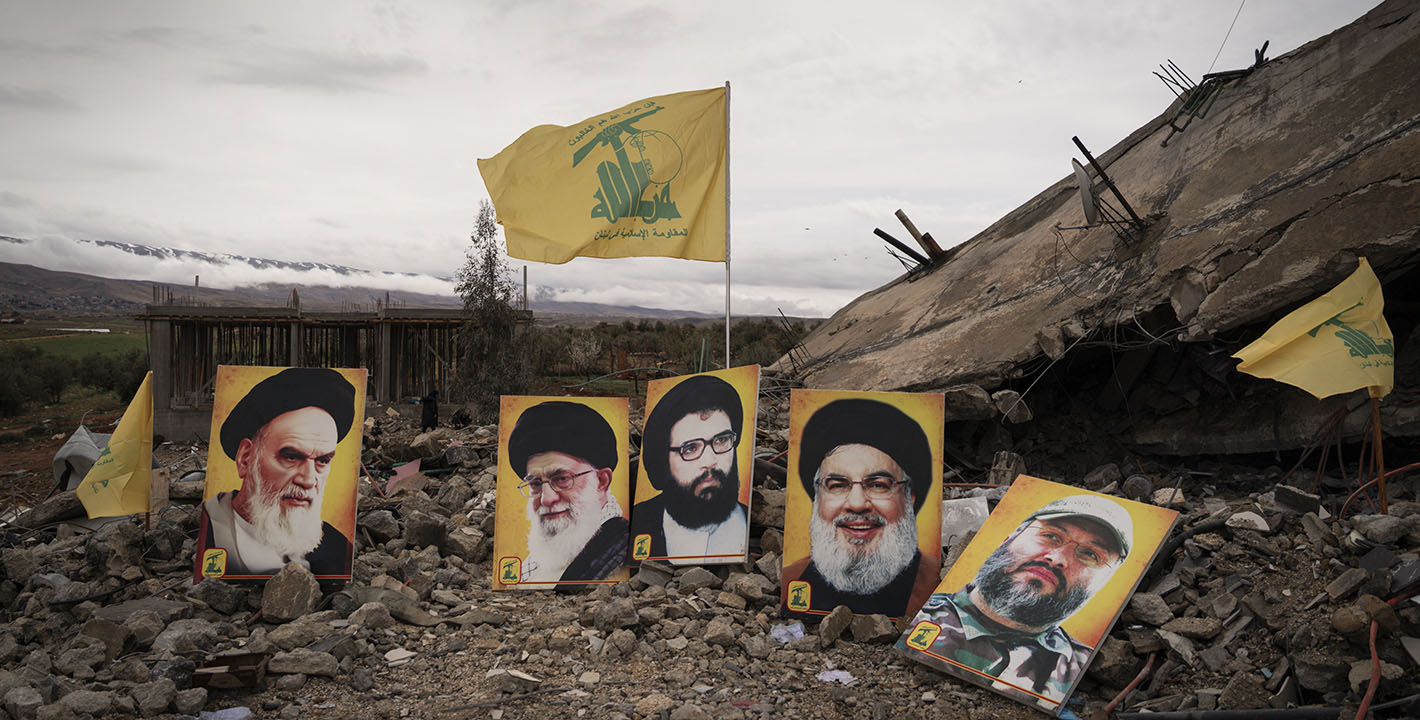
The party’s objectives involve tying together the Lebanese and Iranian fronts, while surviving militarily and politically at home.
Mohamad Fawaz
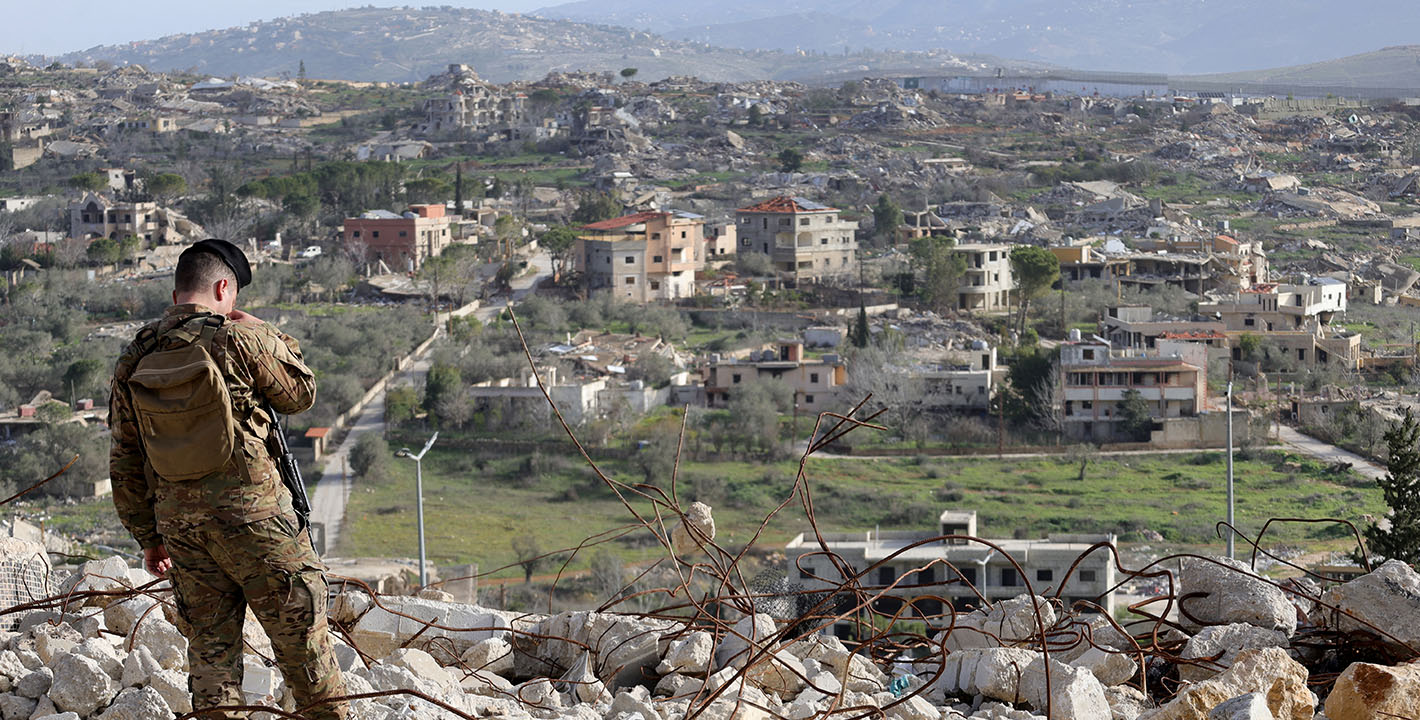
While armed forces commander Rudolph Haykal’s caution is understandable, he is in a position to act, and must.

Michael Young
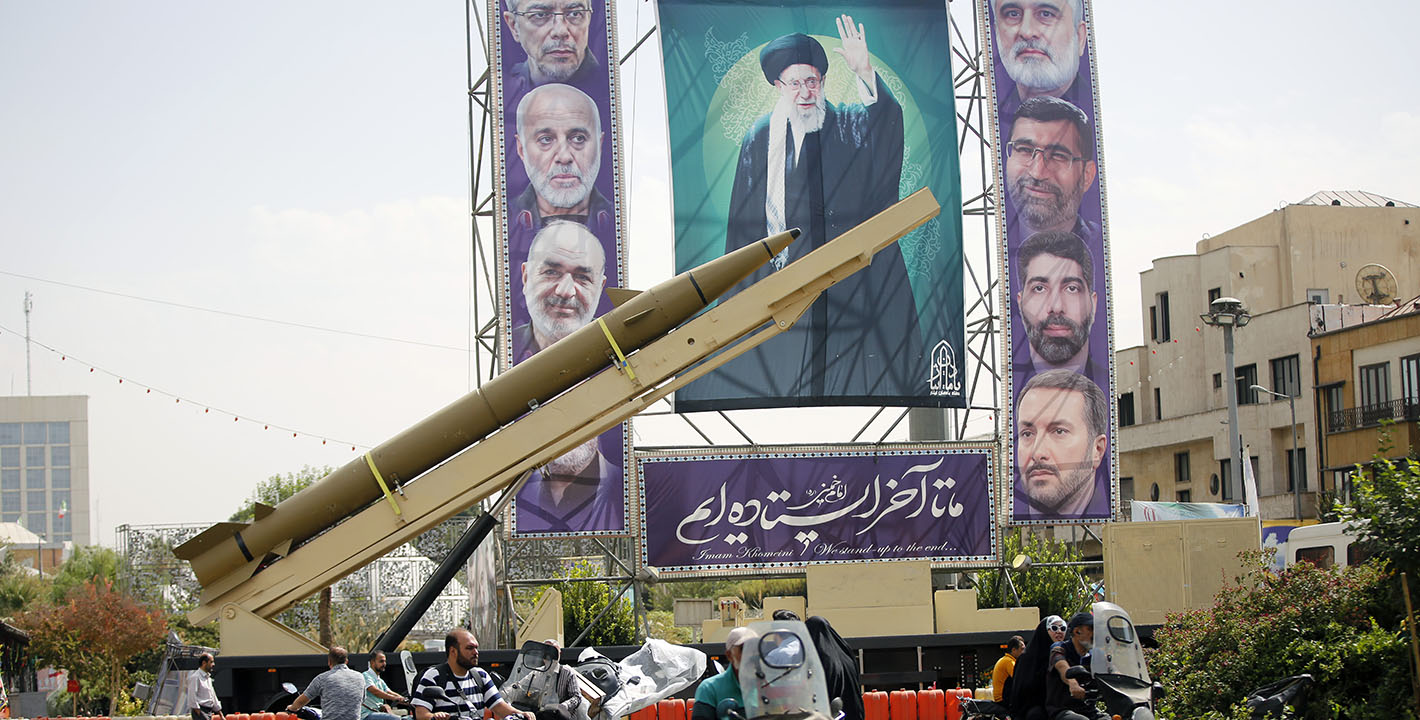
In an interview, Hamidreza Azizi discusses how Tehran has adapted in real time to the conflict with the United States and Israel.
Michael Young
The simple conclusion is that the scheme will bring neither peace nor prosperity, but will institutionalize devastation.

Nathan J. Brown
The Jamaa al-Islamiyya is the local Lebanese dimension of a broader struggle involving rival regional powers.

Issam Kayssi