

Commentary
Issam Kayssi
{
  "authors": [
    "Issam Kayssi"
  ],
  "type": "commentary",
  "blog": "Diwan",
  "centerAffiliationAll": "dc",
  "centers": [
    "Carnegie Endowment for International Peace",
    "Malcolm H. Kerr Carnegie Middle East Center"
  ],
  "collections": [
    "Three Question Time"
  ],
  "englishNewsletterAll": "menaTransitions",
  "nonEnglishNewsletterAll": "",
  "primaryCenter": "Malcolm H. Kerr Carnegie Middle East Center",
  "programAffiliation": "MEP",
  "programs": [
    "Middle East"
  ],
  "projects": [],
  "regions": [
    "Levant",
    "Syria",
    "Middle East"
  ],
  "topics": [
    "Political Reform"
  ]
}
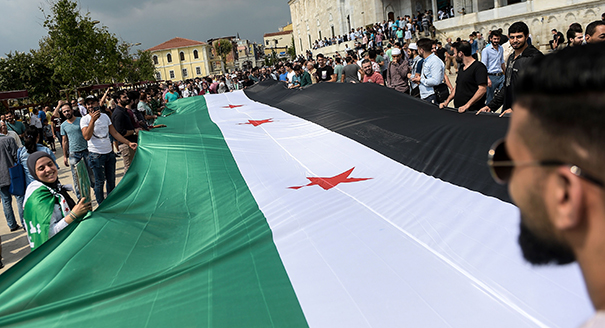
Source: Getty
Assaad al-Achi discusses where the foes of the Assad regime are today, and why Syrian NGOs are proliferating.
Assaad al-Achi is a Syrian economist and civil society activist based in Gaziantep, Turkey. He graduated from the American University of Beirut and INSEAD. He is currently executive director of Baytna Syria, a civil society support organization that seeks to be a hub for Syrian civil society organizations and empower them through capacity development and grants. From 2003 until 2014 he worked for ConocoPhillips, where he developed his project management, financial analysis, and communication skills. He left in August 2014, as a senior economist in Aberdeen, Scotland.
Achi joined the Syrian uprising early on, and is a founding member of the Local Coordination Committees. He joined the Syrian National Council in December 2011 and helped establish the Assistance Coordination Unit of the coalition of Syrian opposition groups in December 2012. He is also a founding member of the Syrian Nonviolence Movement and the Freedom Days activist platform. Diwan interviewed Achi in November to discuss the Syrian opposition and how the situation in Syria will affect reconstruction and a refugee return. Though the interview was conducted before the Astana round of negotiations that took place on November 29–29, the meeting made almost no progress, so that Achi’s comments in many regards are as relevant today as they were before.
Research Analyst, Malcolm H. Kerr Carnegie Middle East Center
Issam Kayssi is a research analyst at the Malcolm H. Kerr Carnegie Middle East Center.
Recent Work
Issam Kayssi
Issam Kayssi
Carnegie does not take institutional positions on public policy issues; the views represented herein are those of the author(s) and do not necessarily reflect the views of Carnegie, its staff, or its trustees.
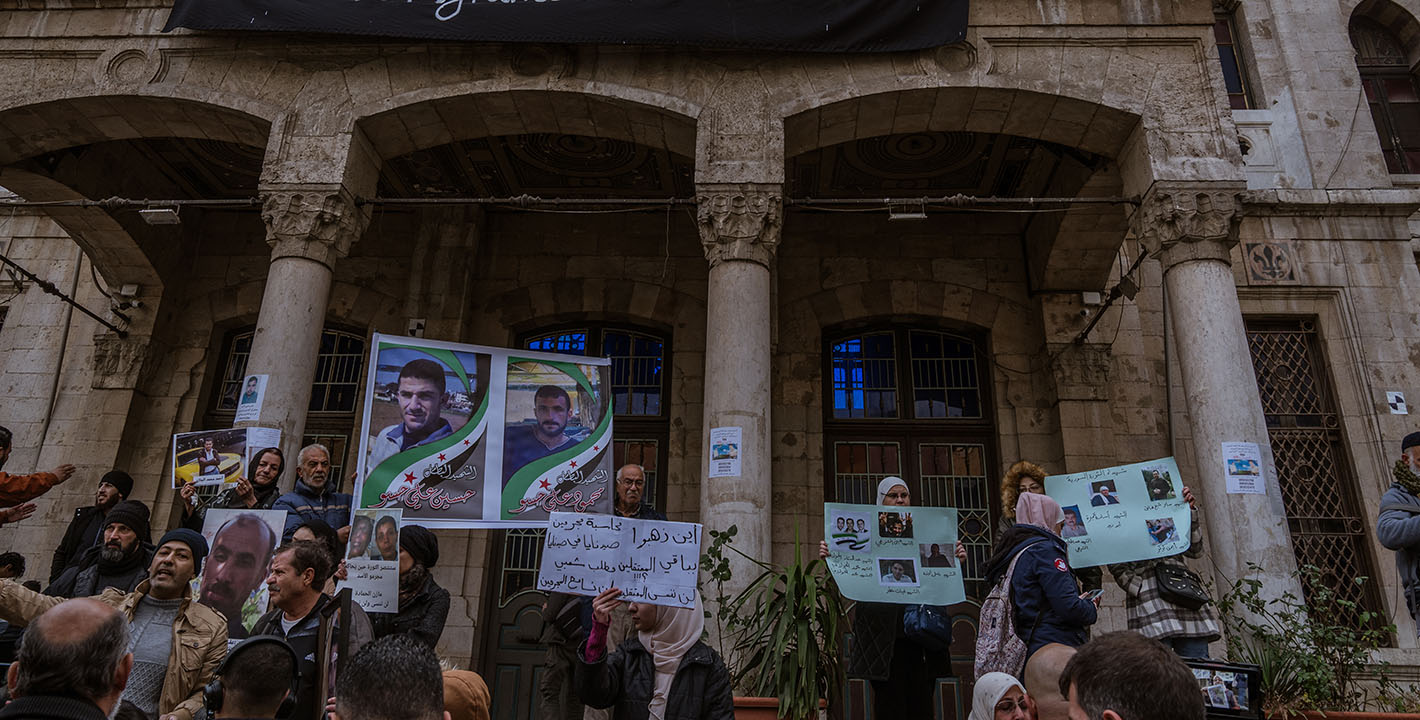
Reconciliation councils are emerging throughout the country to mediate in intracommunal disputes, many from the war years.
Natacha Danon
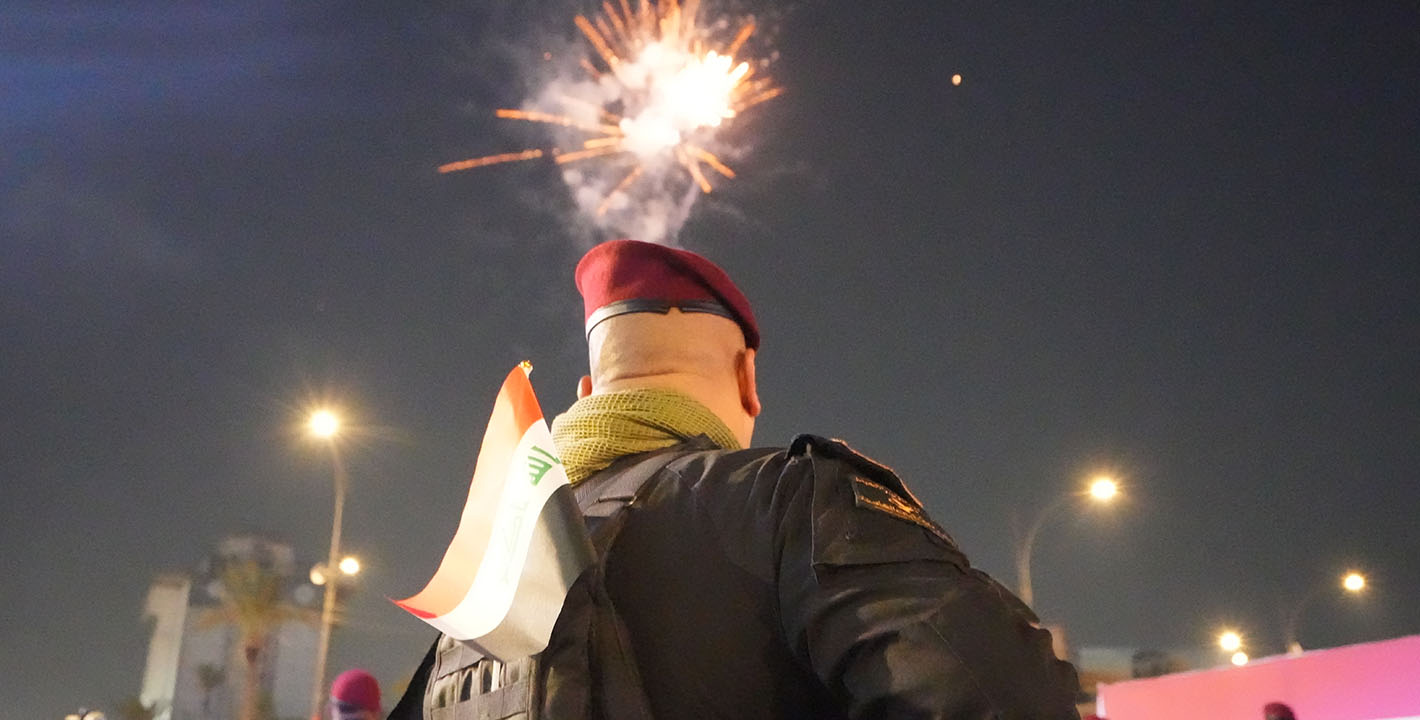
As the U.S.-led Coalition withdraws, the Kurds’ reliance on Baghdad, and on themselves, will only increase.
Wladimir van Wilgenburg

As the U.S. stumbles in its war with Iran, we are likely to see an acceleration of its disengagement from the region.

Michael Young
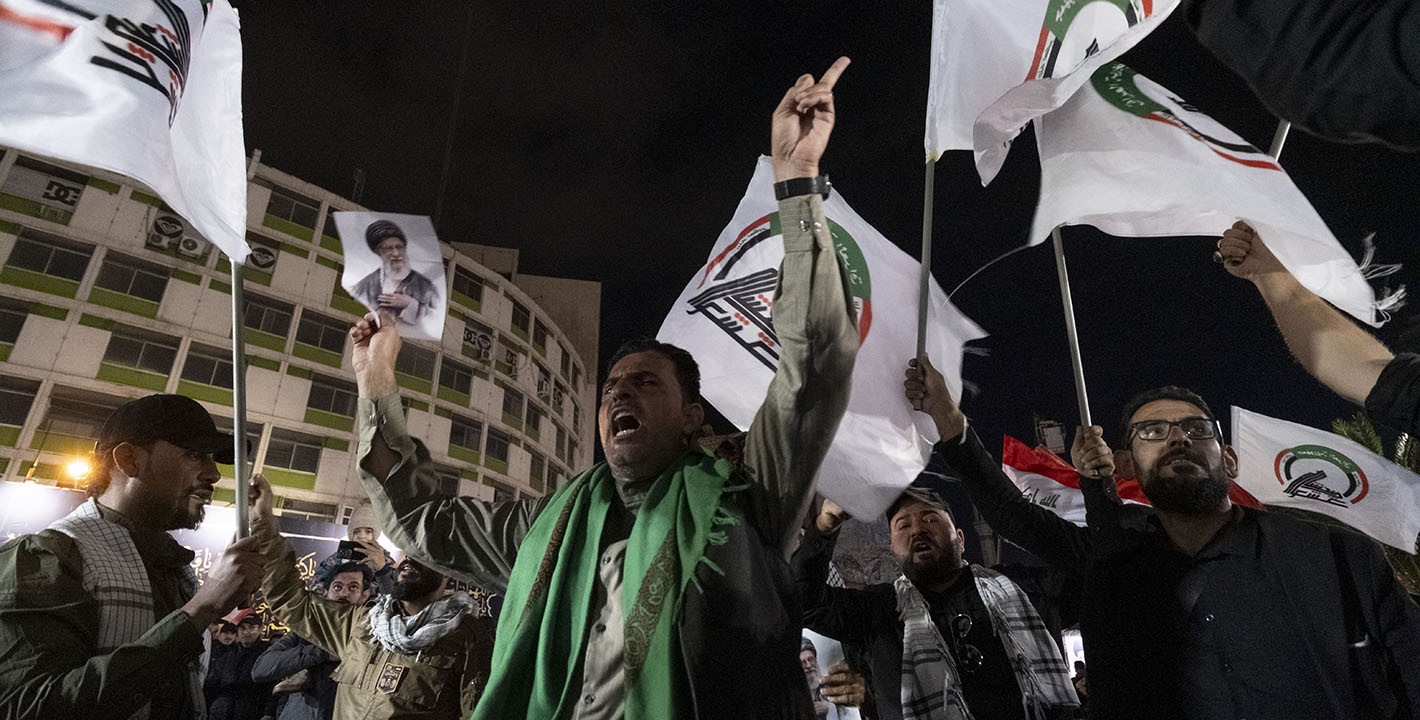
The Zaidi government’s objective to collect weapons is constrained by regional conflict, but it can take certain measures at home.
Ali Al-Mawlawi

The accord represents a pivotal moment in the region to avert a security vacuum in the Gulf.


Azeema Cheema, Mohanad Hage Ali