

Commentary
Michael Young
{
  "authors": [
    "Michael Young"
  ],
  "type": "commentary",
  "blog": "Diwan",
  "centerAffiliationAll": "dc",
  "centers": [
    "Carnegie Endowment for International Peace",
    "Malcolm H. Kerr Carnegie Middle East Center"
  ],
  "collections": [],
  "englishNewsletterAll": "menaTransitions",
  "nonEnglishNewsletterAll": "",
  "primaryCenter": "Malcolm H. Kerr Carnegie Middle East Center",
  "programAffiliation": "MEP",
  "programs": [
    "Middle East"
  ],
  "projects": [],
  "regions": [
    "Egypt",
    "North Africa"
  ],
  "topics": [
    "Political Reform"
  ]
}
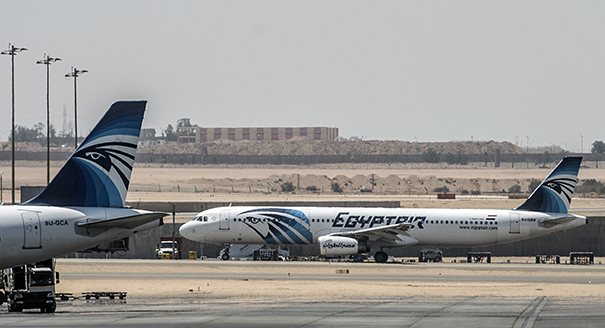
Source: Getty
In an interview, Michele Dunne speaks about the growing number of Egyptian exiles, and the consequences of this.
Michele Dunne is the director of and a senior fellow in the Carnegie Middle East program, where she focuses on political and economic change in the Arab countries, particularly Egypt, as well as U.S. policy in the Middle East. Recently, she published a paper at Carnegie, coauthored with nonresident senior fellow Amr Hamzawy, titled “Egypt’s Political Exiles: Going Anywhere but Home.” Diwan interviewed Dunne in early April to discuss her paper and the broader implications of the large numbers of political exiles who have left Egypt, particularly since the military coup of July 2013.
Michael Young: What is the main argument in the paper you have just published with Amr Hamzawy?
Michele Dunne: The main argument is that there has been a large wave of political exiles from Egypt since the uprising in early 2011, and even more so since the July 2013 military coup. It is difficult to gather comprehensive data on those who have left for political reasons—for example politically-motivated legal prosecution, or extralegal measures such as threats or harassment—as opposed to economic reasons. However, anyone who is in regular contact with Egyptians can see what is happening. We were able to find some illustrative examples, such as spikes in applications for asylum or visas to emigrate to certain countries.
MY: How similar or different has the most recent wave of exiles been when compared to patterns of Egyptian exile in the past?
MD: This wave of exiles appears to be more numerous, young, and diverse politically as well as socioeconomically when compared to past waves—which took place between the 1950s and 1970s. This might be due to the fact that political repression under the current Egyptian regime is not confined to one or two political groups, but extends to many political and social categories.
MY: Other than Muslim Brotherhood members, who are those leaving Egypt?
MD: We have seen three overlapping waves of Egyptians going into self-imposed or forced exile. In 2011–2013, small numbers of wealthy businesspeople associated with the former Mubarak regime went into exile, followed by larger numbers of Coptic Christians worried about the political ascendancy of Islamists. After the 2013 military coup, large numbers of Muslim Brotherhood members, supporters, and other Islamists left—a group that appears to be quite diverse in terms of age and socioeconomic status. From 2014 onward, secular political activists, human rights defenders, intellectuals, journalists, and artists began leaving as pressure on them increased. This is still going on today, as we can see with recent high profile exiles such as actors Khaled Abol Naga and Amr Waked.
MY: Does this phenomenon pose long-term risks for Egypt, or will it only reinforce the regime of President Abdel-Fattah al-Sisi?
MD: First, there is certainly a risk to Egypt in terms of brain drain. Not only are well-known and formerly prominent people in many fields leaving, but many others who find the post-coup environment uncongenial are going if they have the option to do so. Egypt right now suffers from a seriously impoverished academic, civil society, and media atmosphere as compared to what it had for the past fifteen to 20 years. This gives the country fewer talented people to address its serious economic and social issues. Second, some exiles are active in media and rights advocacy, presenting challenges to the regime as it tries to control the narrative inside Egypt, and about Egypt in the international community.
What exiles have not done so far is mount any kind of serious political opposition, as they suffer from the same polarization and lack of trust as do Egyptians inside the country. It remains to be seen whether that will change. The constitutional amendments that are now being approved, and that would strengthen the power of the military and allow Sisi to remain in office at least until 2034, show that political avenues inside Egypt are being eliminated completely. This leads to the possibility that more political activity will take place in exile.

Editor, Diwan, Senior Editor, Malcolm H. Kerr Carnegie Middle East Center
Michael Young is the editor of Diwan and a senior editor at the Malcolm H. Kerr Carnegie Middle East Center.
Recent Work
Michael Young
Michael Young
Carnegie does not take institutional positions on public policy issues; the views represented herein are those of the author(s) and do not necessarily reflect the views of Carnegie, its staff, or its trustees.
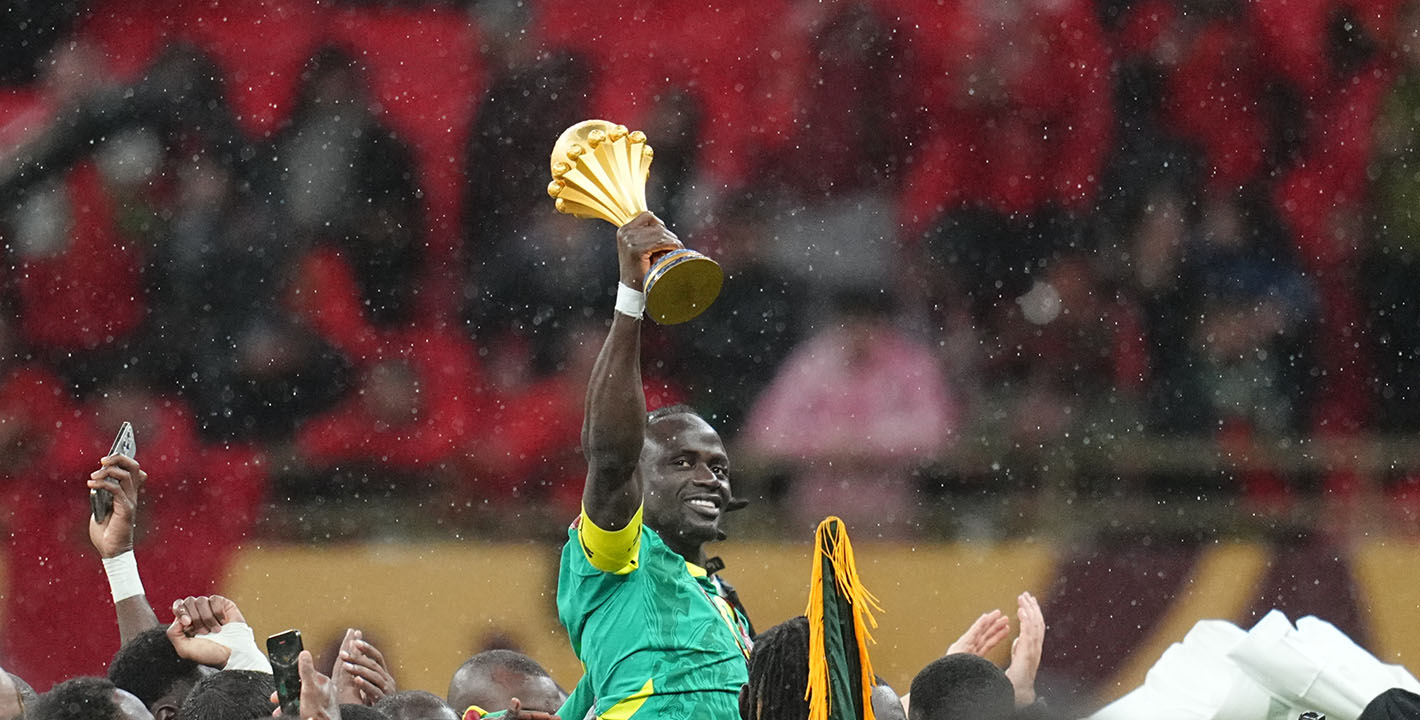
The recent African Cup of Nations tournament in Morocco touched on issues that largely transcended the sport.


Issam Kayssi, Yasmine Zarhloule

Mustaqbal Misr has expanded its portfolio with remarkable speed, but a lack of transparency remains.

Yezid Sayigh
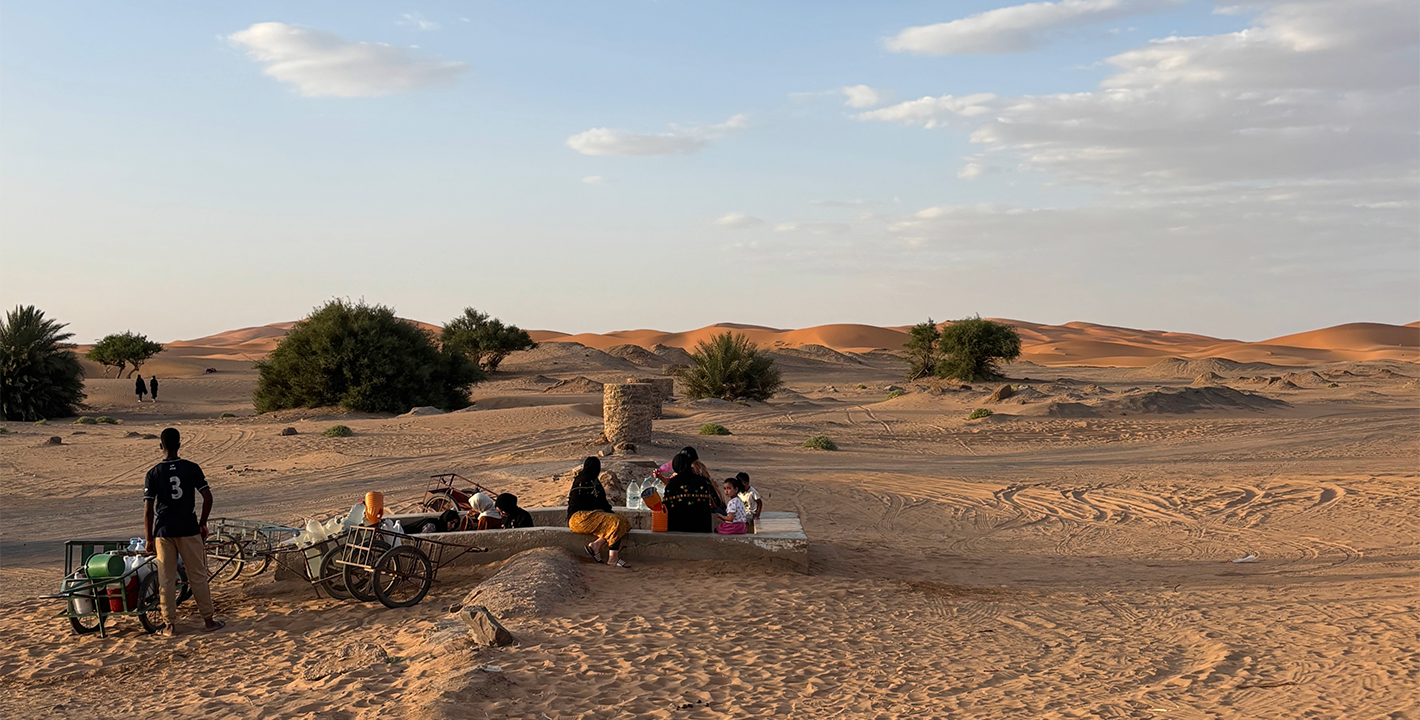
The burden of environmental degradation is felt not only through physical labor but also emotional and social loss.
Yasmine Zarhloule, Ella Williams
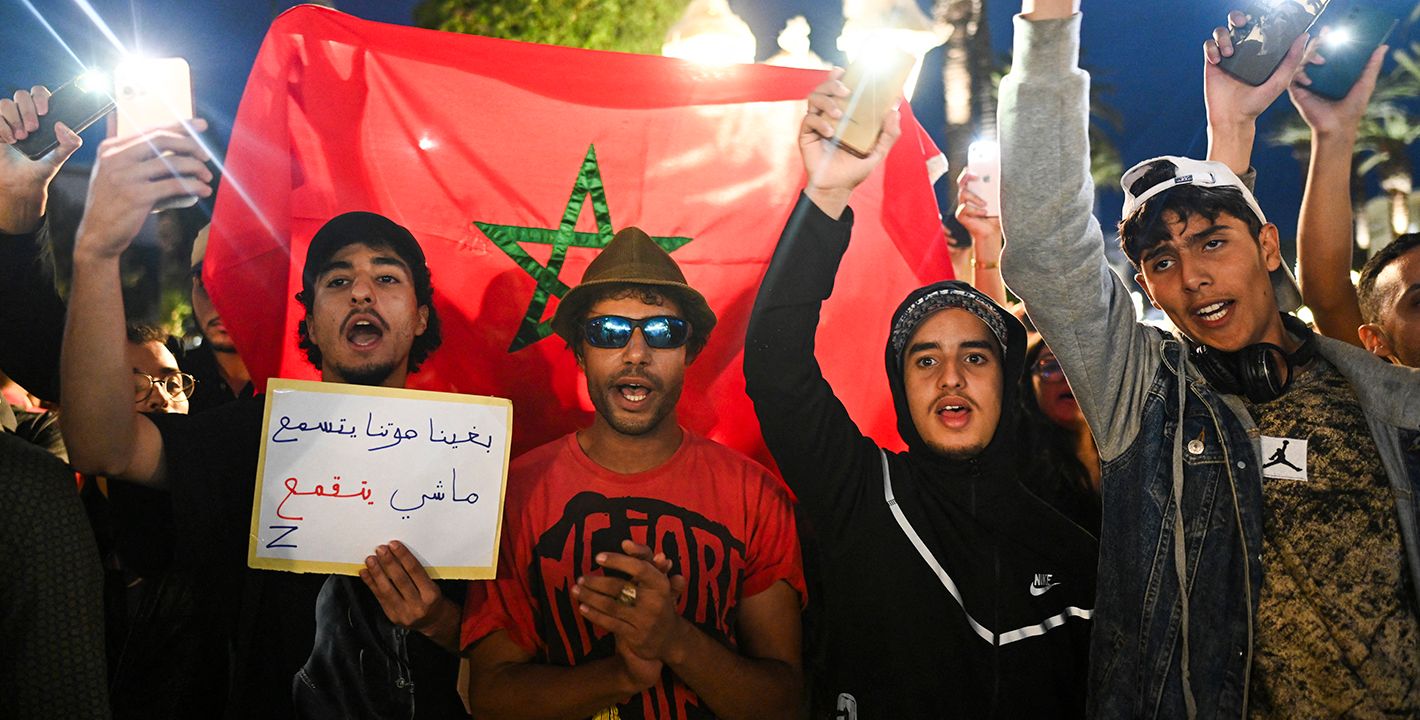
The country’s youthful protest movement is seeking economic improvement, social justice, and just a little hope.
Yasmine Zarhloule
The Moroccan-Algerian rivalry is playing itself out in ties with Burkina Faso, Niger, and Mali.
Yasmine Zarhloule