

Paper
Ahmed Nagi
{
  "authors": [
    "Ahmed Nagi"
  ],
  "type": "commentary",
  "blog": "Diwan",
  "centerAffiliationAll": "dc",
  "centers": [
    "Carnegie Endowment for International Peace",
    "Malcolm H. Kerr Carnegie Middle East Center"
  ],
  "collections": [],
  "englishNewsletterAll": "menaTransitions",
  "nonEnglishNewsletterAll": "",
  "primaryCenter": "Malcolm H. Kerr Carnegie Middle East Center",
  "programAffiliation": "MEP",
  "programs": [
    "Middle East"
  ],
  "projects": [],
  "regions": [
    "Gulf",
    "Yemen",
    "Middle East"
  ],
  "topics": [
    "Political Reform"
  ]
}
Source: Getty
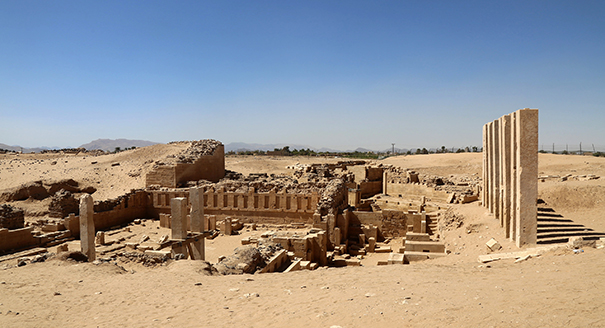
Though it is a front line in the battle against the Houthis, Marib city is bustling.
At the Carnegie website, Ahmed Nagi has published the first of a series of photo essays on his recent trip to Yemen—in this case on the city and governorate of Marib. Controlled by foes of the Houthis, Marib is a front line in the battle against the group and has attracted many who have been harmed by Houthi policies. Though Marib has been transformed by the influx of people, becoming a bustling city, the peace there appears fragile to Nagi. He concludes, “Perhaps it is the common resilience of the people that sets the city apart. Even so, no one can anticipate whether Marib will remain a stable exception or turn into another example of failed governance. It is certainly a place to watch, with potential lessons for other parts of Yemen.”
Senior Analyst at the International Crisis Group
Ahmed Nagi is a senior Analyst at the International Crisis Group.
Recent Work
Ahmed Nagi
Carnegie does not take institutional positions on public policy issues; the views represented herein are those of the author(s) and do not necessarily reflect the views of Carnegie, its staff, or its trustees.
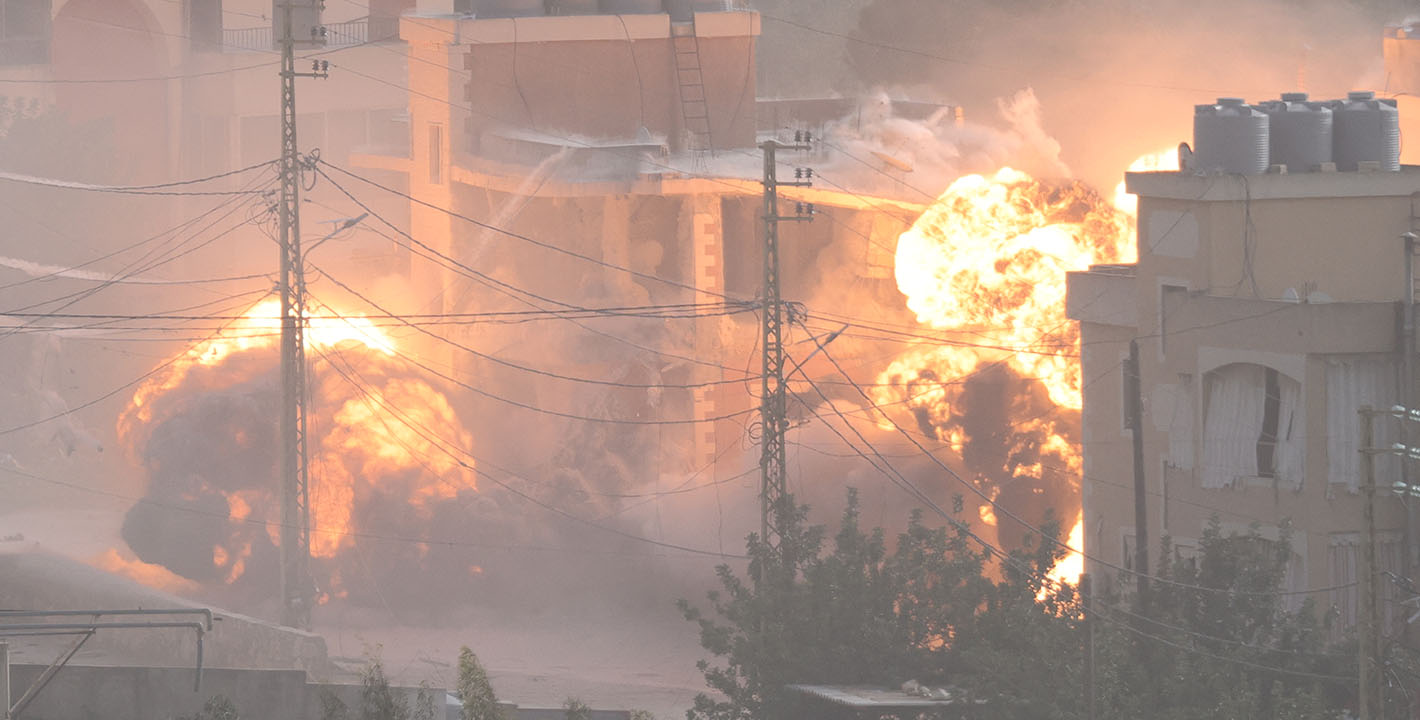
As Iran defends its interests in the region and its regime’s survival, it may push Hezbollah into the abyss.

Michael Young
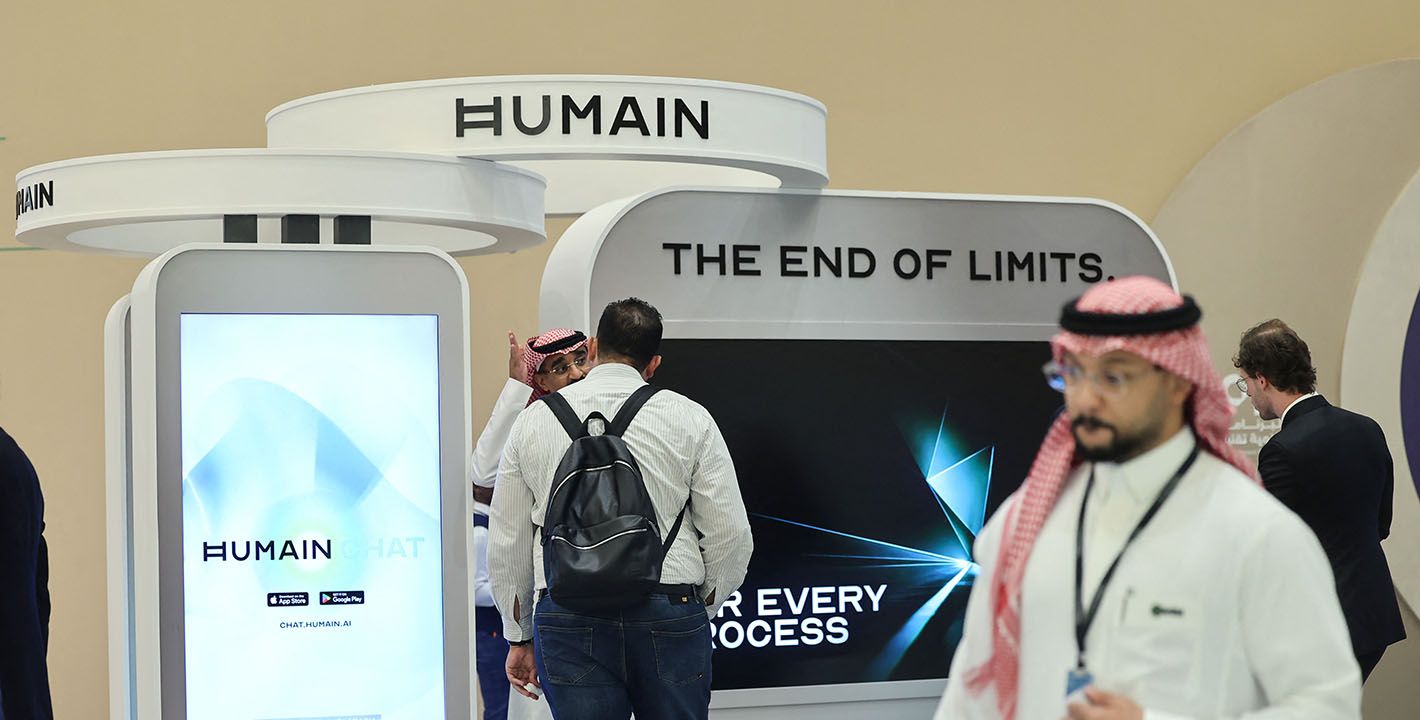
The GCC states’ use of Artificial Intelligence will generate much leverage over the global digital infrastructure and climate talks.
Camille Ammoun
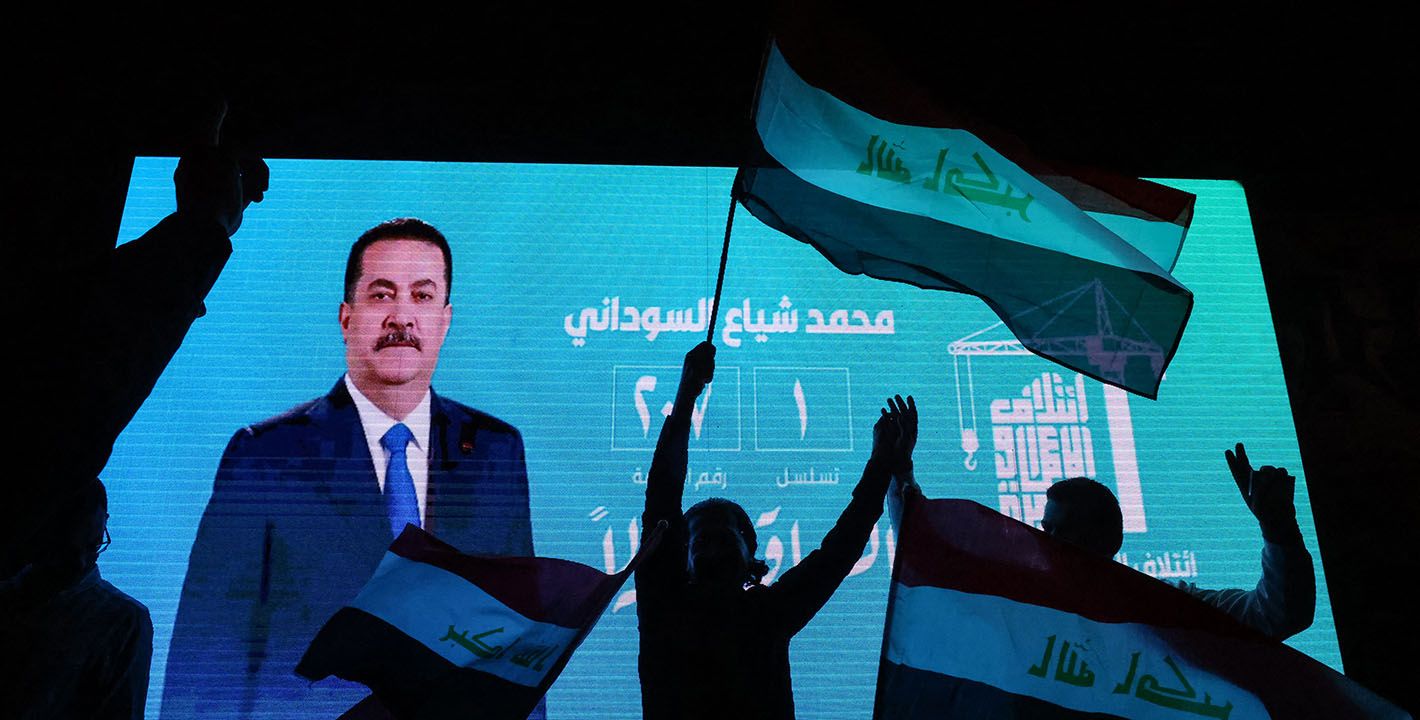
In an interview, Shahla al-Kli discusses the country’s parliamentary elections and what they reveal.
Rayyan Al-Shawaf
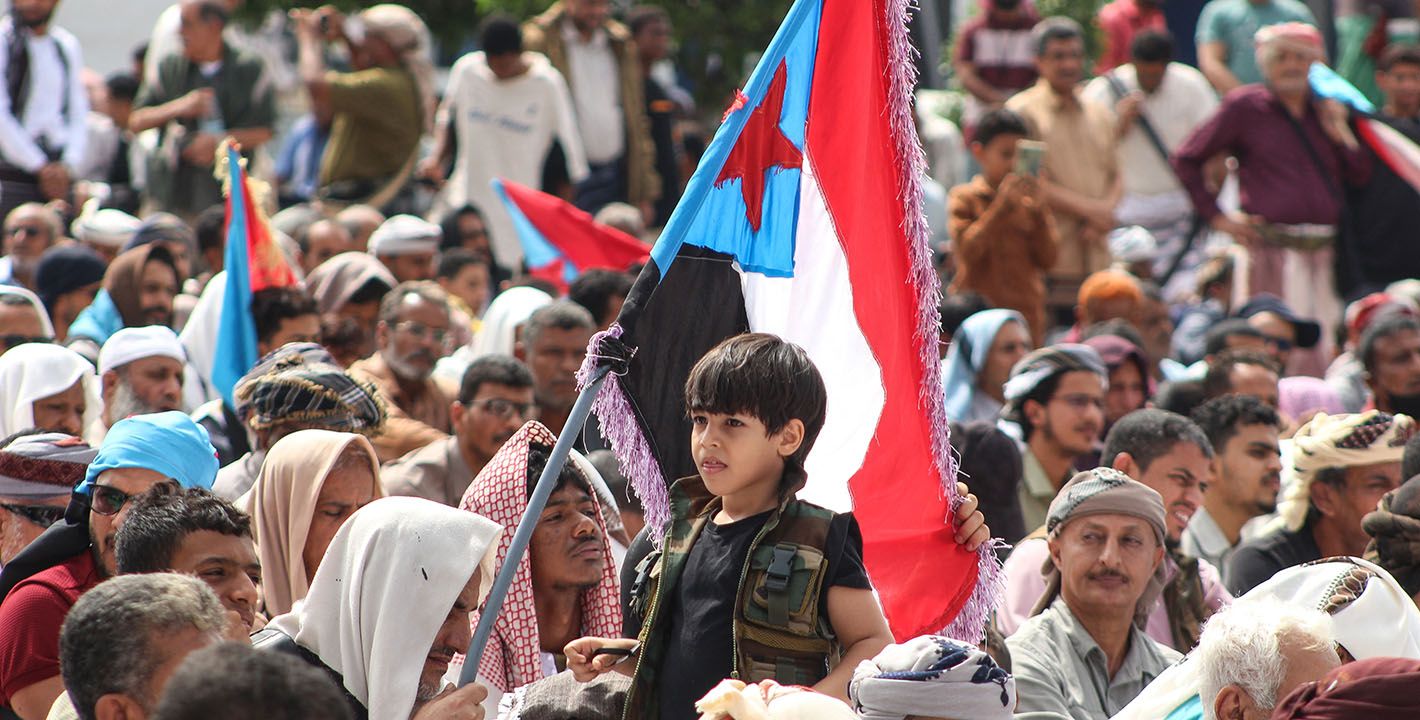
In an interview, Ibrahim Jalal discusses the Southern Transitional Council’s recent takeover of Hadhramawt and Mahra.
Michael Young
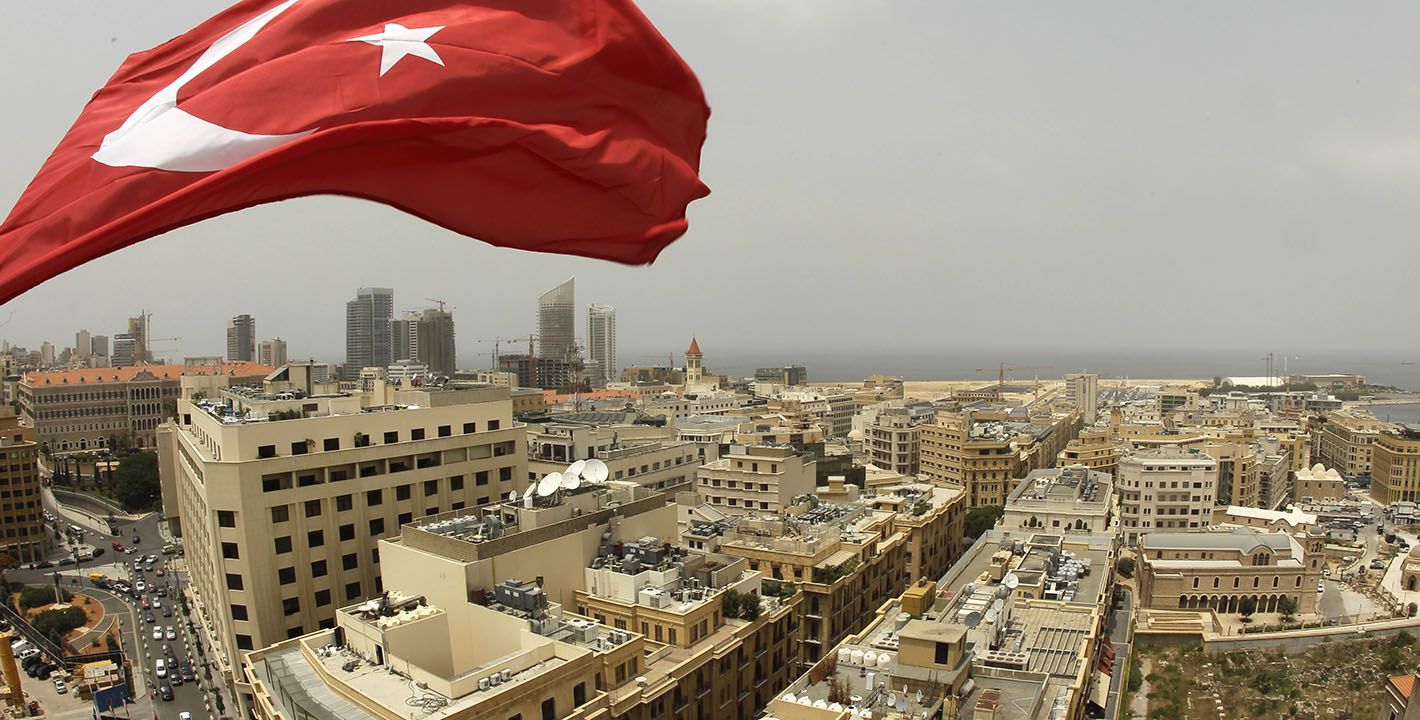
Ankara may seek to annul a maritime deal with Cyprus and expand its influence in the next parliament.

Mohanad Hage Ali