

Commentary
Michael Young
{
  "authors": [
    "Michael Young"
  ],
  "type": "commentary",
  "blog": "Diwan",
  "centerAffiliationAll": "dc",
  "centers": [
    "Carnegie Endowment for International Peace",
    "Malcolm H. Kerr Carnegie Middle East Center"
  ],
  "collections": [
    "Inquiring Minds"
  ],
  "englishNewsletterAll": "menaTransitions",
  "nonEnglishNewsletterAll": "",
  "primaryCenter": "Malcolm H. Kerr Carnegie Middle East Center",
  "programAffiliation": "MEP",
  "programs": [
    "Middle East"
  ],
  "projects": [],
  "regions": [
    "Levant",
    "Lebanon",
    "Middle East"
  ],
  "topics": [
    "Economy",
    "Political Reform"
  ]
}
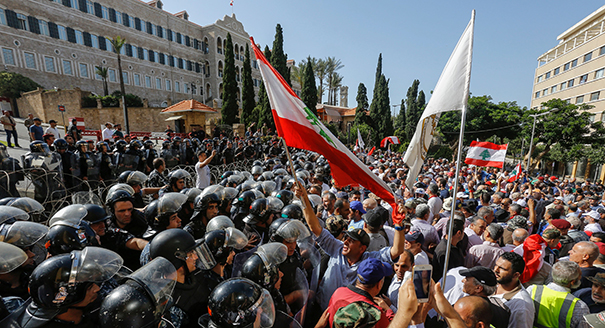
Source: Getty
A regular survey of experts on matters relating to Middle Eastern and North African politics and security.
Ghassan Dibeh | Chairman of the Department of Economics at the Lebanese American University, editor of the Review of Middle East Economics and Finance
The Lebanese government has tried to implement an “austerity budget,” albeit halfheartedly as the confessional ruling political parties were very wary of losing their base of support. Hence, the budget ended with mainly sporadic cuts in expenditures. In addition, one of its main elements remains up in the air as it is not yet clear who—commercial banks or Lebanon’s central bank—will subscribe to the proposed treasury bills at 1 percent, which is a step in the right direction despite warnings against such a step from the International Monetary Fund.
More importantly, as the public debt is the accumulation of successive deficits, the solution cannot be a one shot measure. The recent hike in interest rates is already jeopardizing the outlook for the future. In this regard, Lebanon’s financing needs in 2020 are projected to be around 25 percent of GDP. In sum, it is becoming obvious that the solution to this endemic problem must include raising taxes on capital incomes and wealth in addition to taxing high incomes and profits of Lebanese working abroad.
Alia Moubayed | Lebanese economist and public policy practitioner specialized in the Middle East and North Africa, based in London.
The 2019 budget further undermines the credibility of fiscal institutions across government and parliament in the eyes of Lebanese citizens, donors, and financial markets. On the one hand, the budgetary process did not respect the basic standards of fiscal transparency and accountability, failing the inclusiveness test. On the other hand, the budget is based on unrealistic assumptions and lacks any strategic policy orientation necessary to gradually transform Lebanon’s unsustainable public finances and its existential socioeconomic woes. The proposed revenue measures will exacerbate acute income inequalities and worsen growth prospects. Moreover, failure to cut inefficient spending and provide a medium-term financing plan will amplify fiscal and debt sustainability risks by encouraging the accumulation of arrears. It is another missed opportunity. It may help gain time but does not signal a genuine commitment to structural reform. No wonder we are seeing a rush to shift attention to the 2020 budget!
David Butter | Associate fellow in the Middle East and North Africa program at Chatham House, the Royal Institute of International Affairs, former regional director for the Middle East at the Economist Intelligence Unit
The 2019 budget may slow down the rate of increase in public debt, which reached 151 percent of GDP in 2018, however much more rigorous measures are required if the debt is to be brought down. The scale of the challenge is laid out starkly in an International Monetary Fund (IMF) staff mission report issued in early July. The keys to reducing the public debt ratio are generating a significant primary budget surplus (excluding interest payments) and achieving higher real GDP growth rates. The primary fiscal account showed a 1.4 percent of GDP deficit in 2018, while the overall deficit was 11.4 percent. The initial budget target for 2019 was to bring the overall deficit down to 7.6 percent, which should be enough to yield a modest primary surplus. However, the IMF reckons the overall deficit will be 9.75 percent, with little chance of a primary surplus until 2020.
Over the medium term, sustained primary surpluses in the range of 4.5 percent are needed to make a significant dent in public debt. For this to happen, many of the measures in the 2019 budget, such as higher tax rates on interest income, need to be locked in beyond their three-year timeframe, and much more stringent efforts need to be made to increase tax revenue—the IMF mentions the removal of tax breaks on yachts and diesel for electricity generators as glaring examples. A credible medium-term fiscal plan would help unlock donor funds and investment in the $11 billion package promised at the CEDRE conference of April 2018 to help Lebanon, which would provide a stimulus for higher real GDP growth.
Basem Shabb | Former member of the Lebanese parliament for Beirut
Lebanon passed the 2019 budget after much deliberation. The sharp reduction in the deficit was achieved by slashing spending and raising revenues through taxation. The latter can prove elusive given the severe recession. Heavier taxation as well as artificially high interest rates can only compound economic contraction, thereby decreasing anticipated revenue. Such draconian measures seem justified only in light of an anticipated massive infusion of cash, such as the funds promised at the CEDRE conference of April 2018 and seen also in the Greek crisis. In the absence of any such cash infusion the budget is a recipe for severe economic depression. Political constraints were evident in the fact that structural reforms were limited. The main worry is that inflationary pressures will negate any advantage of maintaining the current exchange rate and push the downward spiraling economy into stagflation—a lethal combination of recession and inflation. The 2020 budget will offer a second chance. Good luck.

Editor, Diwan, Senior Editor, Malcolm H. Kerr Carnegie Middle East Center
Michael Young is the editor of Diwan and a senior editor at the Malcolm H. Kerr Carnegie Middle East Center.
Recent Work
Michael Young
Michael Young
Carnegie does not take institutional positions on public policy issues; the views represented herein are those of the author(s) and do not necessarily reflect the views of Carnegie, its staff, or its trustees.
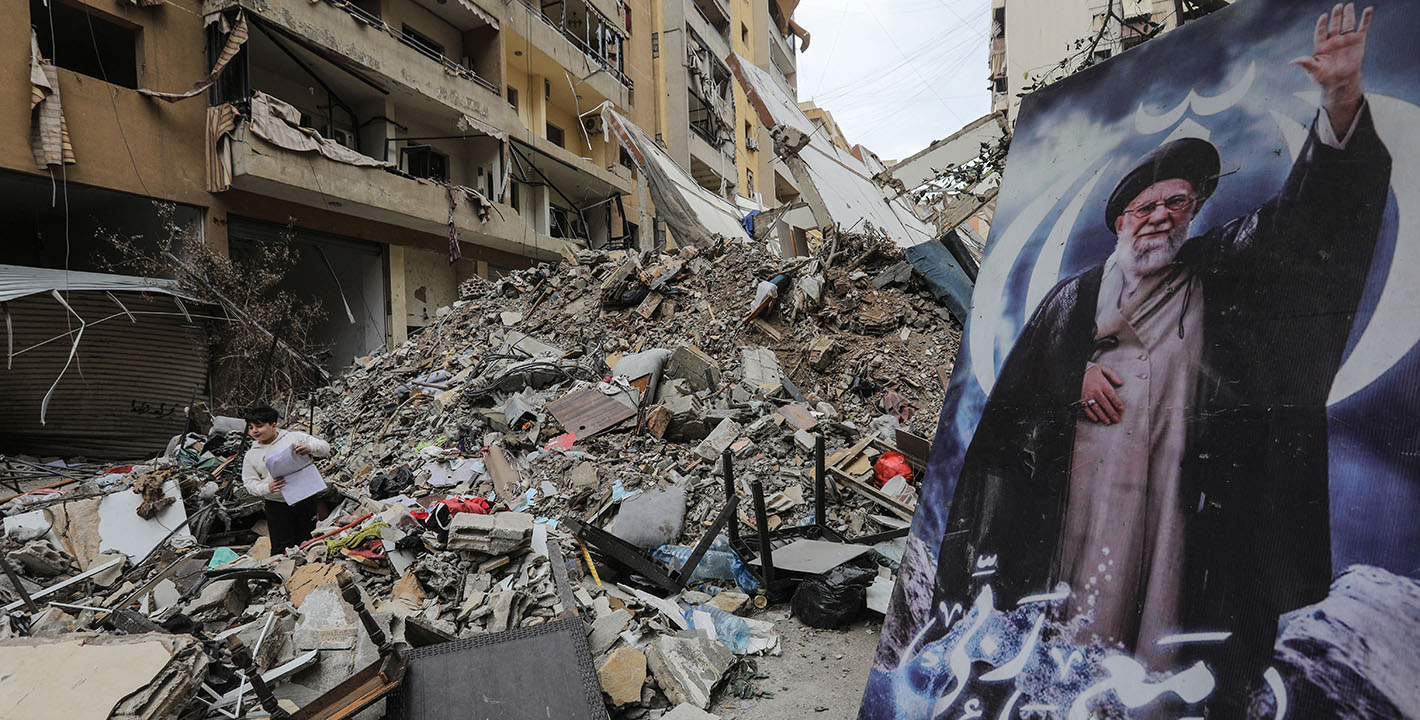
As talks begin between Washington and Tehran, Beirut has an opening to advance a regional plan for the party’s disarmament.
Michael Young
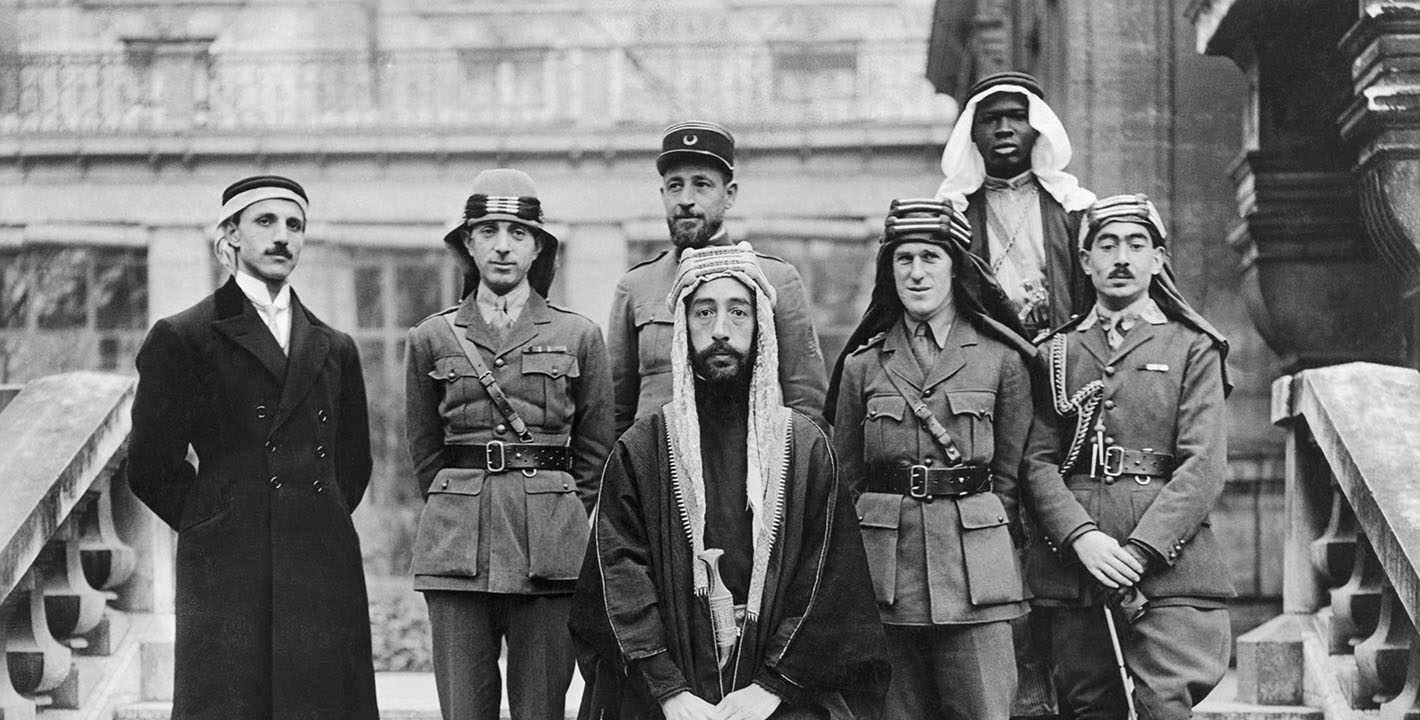
In an interview, Elizabeth Thompson recalls how the country formulated a liberal constitution in 1920, before being denied by France and Britain.
Michael Young
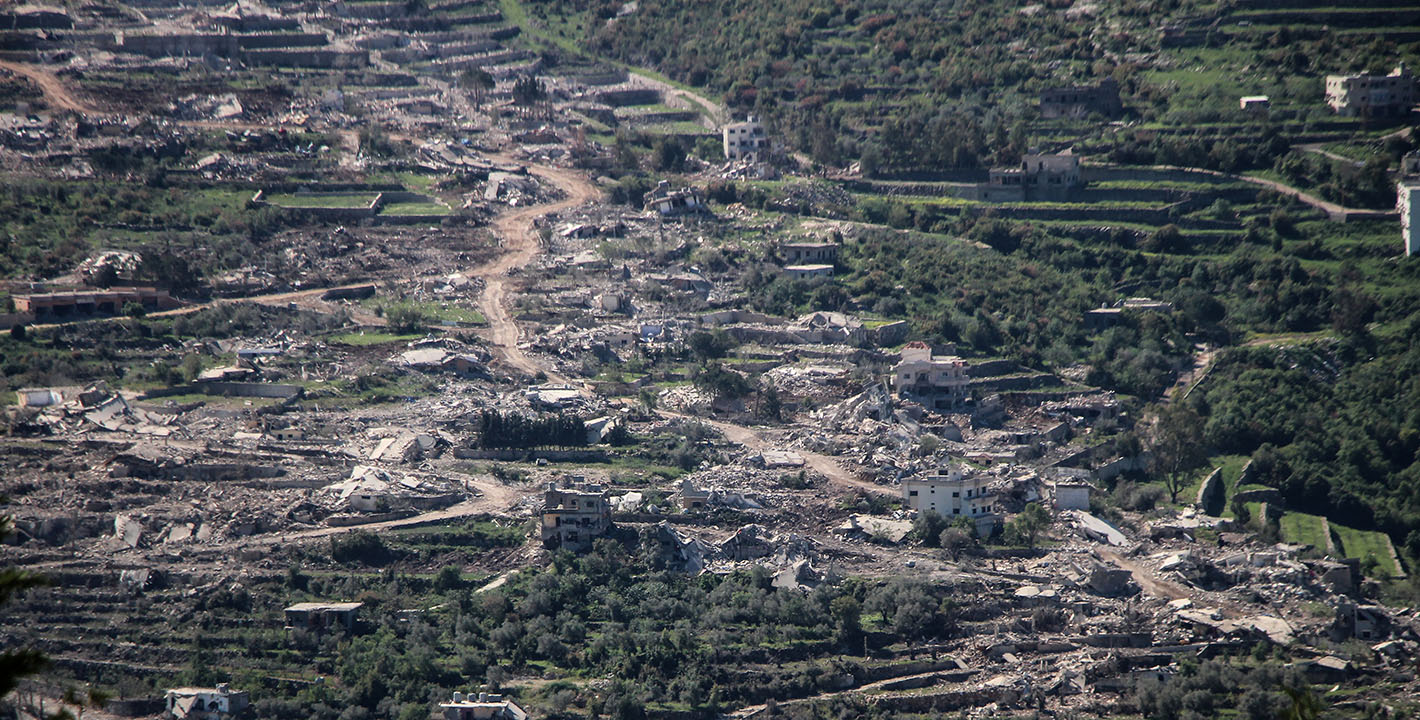
As negotiations with Iran and Lebanon continue, chaos is at the heart of the Netanyahu government’s calculations.
Michael Young
Trade statistics show why Amman has more reason than Damascus to welcome the improvement in bilateral commerce.

Armenak Tokmajyan
Adversaries are to be degraded so deeply, that reconstitution becomes difficult or impossible.

Nathan J. Brown