

Commentary
The recent African Cup of Nations tournament in Morocco touched on issues that largely transcended the sport.
Issam Kayssi, Yasmine Zarhloule
{
  "authors": [
    "Dalia Ghanem",
    "Omar Benderra"
  ],
  "type": "commentary",
  "blog": "Diwan",
  "centerAffiliationAll": "dc",
  "centers": [
    "Carnegie Endowment for International Peace",
    "Malcolm H. Kerr Carnegie Middle East Center"
  ],
  "collections": [
    "Arab Spring 2.0"
  ],
  "englishNewsletterAll": "menaTransitions",
  "nonEnglishNewsletterAll": "",
  "primaryCenter": "Malcolm H. Kerr Carnegie Middle East Center",
  "programAffiliation": "MEP",
  "programs": [
    "Middle East"
  ],
  "projects": [],
  "regions": [
    "Maghreb",
    "North Africa",
    "Algeria"
  ],
  "topics": [
    "Political Reform"
  ]
}
Source: Getty
Political paralysis in Algeria is hampering urgently needed economic reforms.
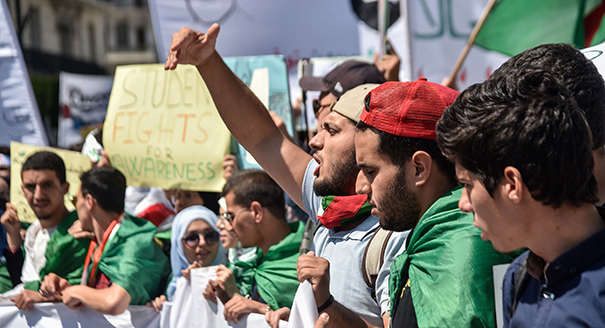
For six months, Algeria has been shaken by peaceful mass protests. Millions of people have been demonstrating every Friday asking for the departure of remnants of the regime of former president Abdelaziz Bouteflika and an overhaul of the political system.
However, progress has been stunted by two things. The military, the real locus of power in Algeria, is adamant about organizing elections under current conditions. It has failed to reassure protesters about its intention to change the system. At the same time, the protesters themselves have been unable to appoint representatives or mediators who can speak in their name and draft realistic demands.
The country seems to have reached a political impasse as presidential elections have already been canceled twice in four months. This blockage is alarming considering the looming economic crisis that will add a layer of complexity to an already complicated situation. Although the protest movement has had political demands, it is only a matter of time before these demands extend to the economy. Algeria’s future leaders will have to face serious financial challenges in a country that has been energy-dependent for decades, with an economic system that appears increasingly untenable because of an inability to introduce diversification.
The structure of the Algerian economy is particularly vulnerable. It is rent-based and relies on the export of hydrocarbons—namely oil and natural gas—which account for 95 percent of export earnings, 40 percent of budget revenues, and 30 percent of GDP. The share of hydrocarbons in government revenue has been extremely volatile. In 2013, when oil prices were at a high, Algerian oil averaged $110.80 a barrel and accounted for 65.4 percent of government revenue. The share fell dramatically to 33.6 percent in 2016, when oil prices averaged $36.60 a barrel. Since then, as the average oil price recovered to $71.50 a barrel, oil revenue steadily increased to exceed 40 percent of government revenue in 2018. In order to balance its 2019 budget, the country needs oil at $116 a barrel.
In October 2017 the government began printing money to finance its budget deficits. This unorthodox measure raised a total of $56 billion, of which $8.5 billion was raised in January 2019, representing 30 percent of GDP for 2018. It allowed the government to meet its internal commitments by paying its creditors, including construction and public works companies, thereby maintaining a certain level of activity and business. However, it was also inflationary, with the International Monetary Fund estimating inflation at 4.3 percent in 2018, with projections that it would increase to 5.6 percent in 2019.
To avoid this, in June 2019 the newly appointed government decided to suspend monetary creation for the rest of the year, but reserved the possibility of using it as the law permits until 2022. The Bank of Algeria has also undertaken to sterilize liquidity resulting from monetary creation as needed.
According to a June 2018 IMF report, Algeria’s economic situation is deteriorating inexorably. While growth in the non-hydrocarbons sector may be positive, it was only 2.2 percent in 2017 and it appeared to have peaked at 4 percent in 2018. The overall GDP growth rate is even lower as a result of the contraction in hydrocarbon production. It averaged 3.5 percent from 2001 until 2017, then reached its lowest point in the fourth quarter of 2017, when it was – 0.4 percent, before rising again to 1.2 percent in the last quarter of 2018.
According to the same report, unemployment is on the rise. In September 2017, unemployment was estimated at 11.7 percent, compared to 10.5 percent during the same period the previous year. This affects young people in particular, with unemployment among 15–24 year olds at 28.3 percent for men and 20.7 percent for women.
More worrisome is the rapid decline in foreign reserves. Due to high oil prices between 2003 and 2013, Algeria amassed vast foreign currency reserves that made it the world’s eighth-largest holder of such reserves, amounting to $193.6 billion in 2014. However, the country was hit by the drop in oil prices in the middle of that year, and as a result the government has had limited options and has used its reserves for public projects and generous subsidies. According to the Bank of Algeria, reserves stood at $79.9 billion at the end of December 2018, against $97.3 billion at the end of 2017, a year-on-year decrease of $17.4 billion. This trend is continuing, with reserves having declined to $72.6 billion by the end of April and the IMF projecting that they may fall further to $64 billion by the end of 2019 to eventually reach $47.8 billion by the end of 2020.
As a result of this precipitous decline in reserves, what remains at the end of this year is likely to cover thirteen months of imports. Since Algeria imports 70 percent of what it consumes, this will have significant social repercussions.
The Algerian debt crises of 1986 and 1994 showed the nature of the difficulties that the leadership is going to face. Back then, the financing of imports of staple goods for 21 million Algerians represented an almost insurmountable challenge. What will happen in 2021, with a population of 44 million Algerians? The implementation of an emergency program is the first step before taking structural measures. For this to happen, it is crucial to reach a settlement in the current political crisis and have an open discussion on the challenges the country will face in the upcoming years.
All efforts for reorienting the economy and increasing productivity have to focus on the youth, Algeria’s most valuable resource. Youths have been driving the protest movement from its inception. Unless they are given a chance to participate in political life and help the country transition to a more genuine democracy, their aversion for their leaders may escalate and erode national stability.
Former Senior Resident Scholar, Malcolm H. Kerr Carnegie Middle East Center
Dalia Ghanem was a senior resident scholar at the Malcolm H. Kerr Carnegie Middle East Center in Beirut, where her research focuses on Algeria’s political, economic, social, and security developments. Her research also examines political violence, radicalization, civil-military relationships, transborder dynamics, and gender.
Omar Benderra
Carnegie does not take institutional positions on public policy issues; the views represented herein are those of the author(s) and do not necessarily reflect the views of Carnegie, its staff, or its trustees.
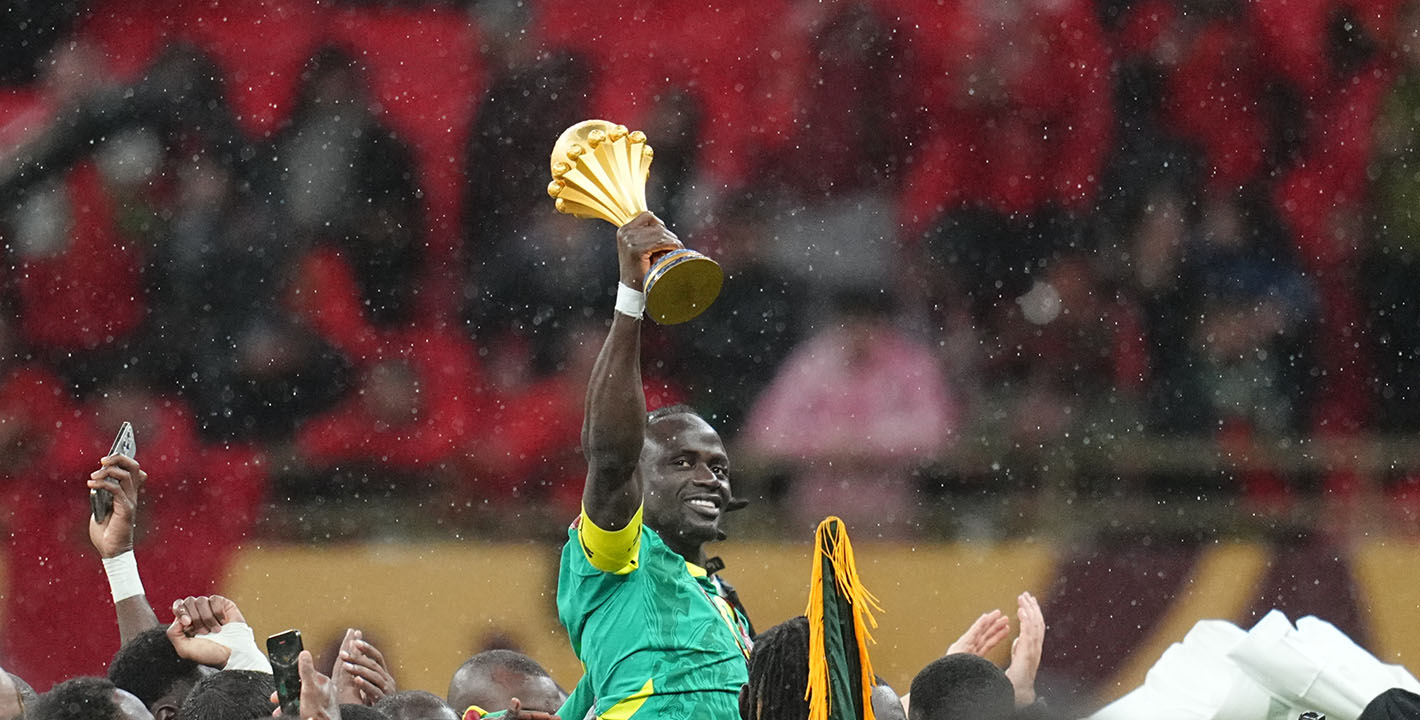
The recent African Cup of Nations tournament in Morocco touched on issues that largely transcended the sport.


Issam Kayssi, Yasmine Zarhloule
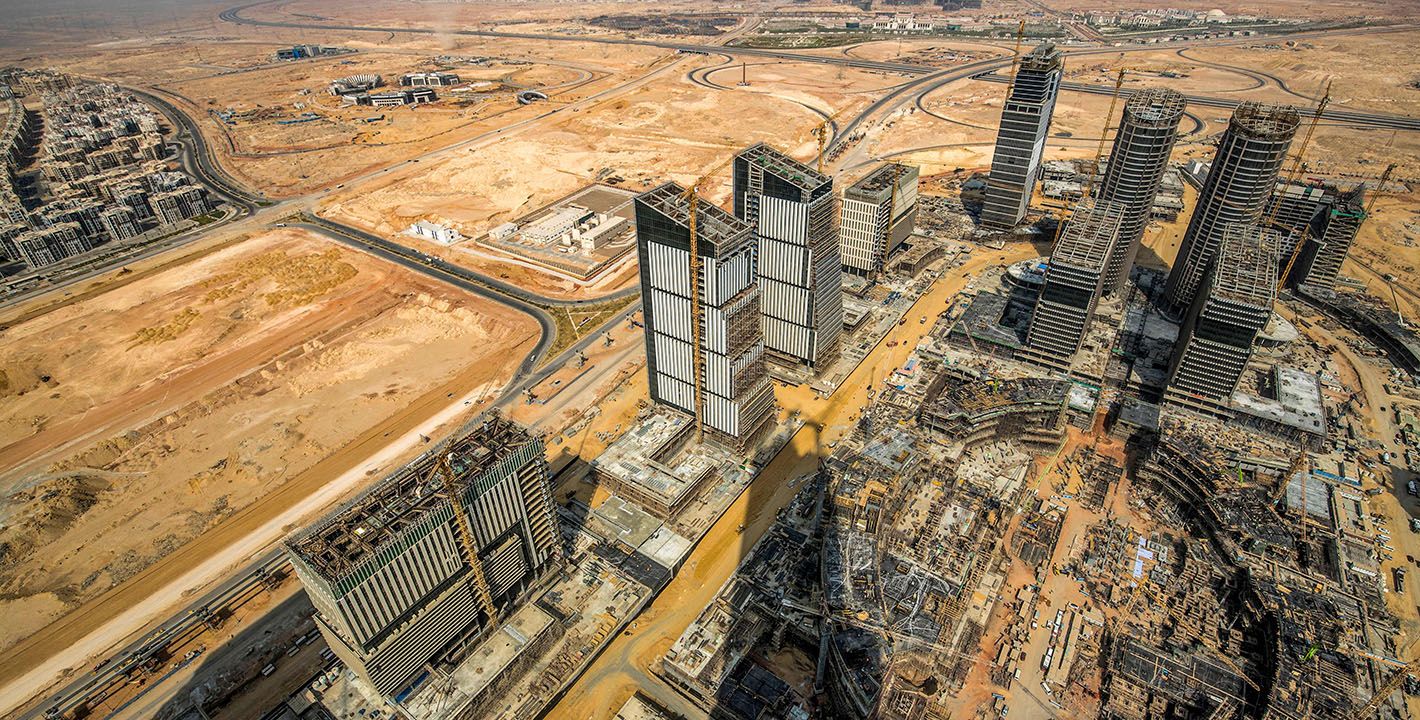
Mustaqbal Misr has expanded its portfolio with remarkable speed, but a lack of transparency remains.

Yezid Sayigh
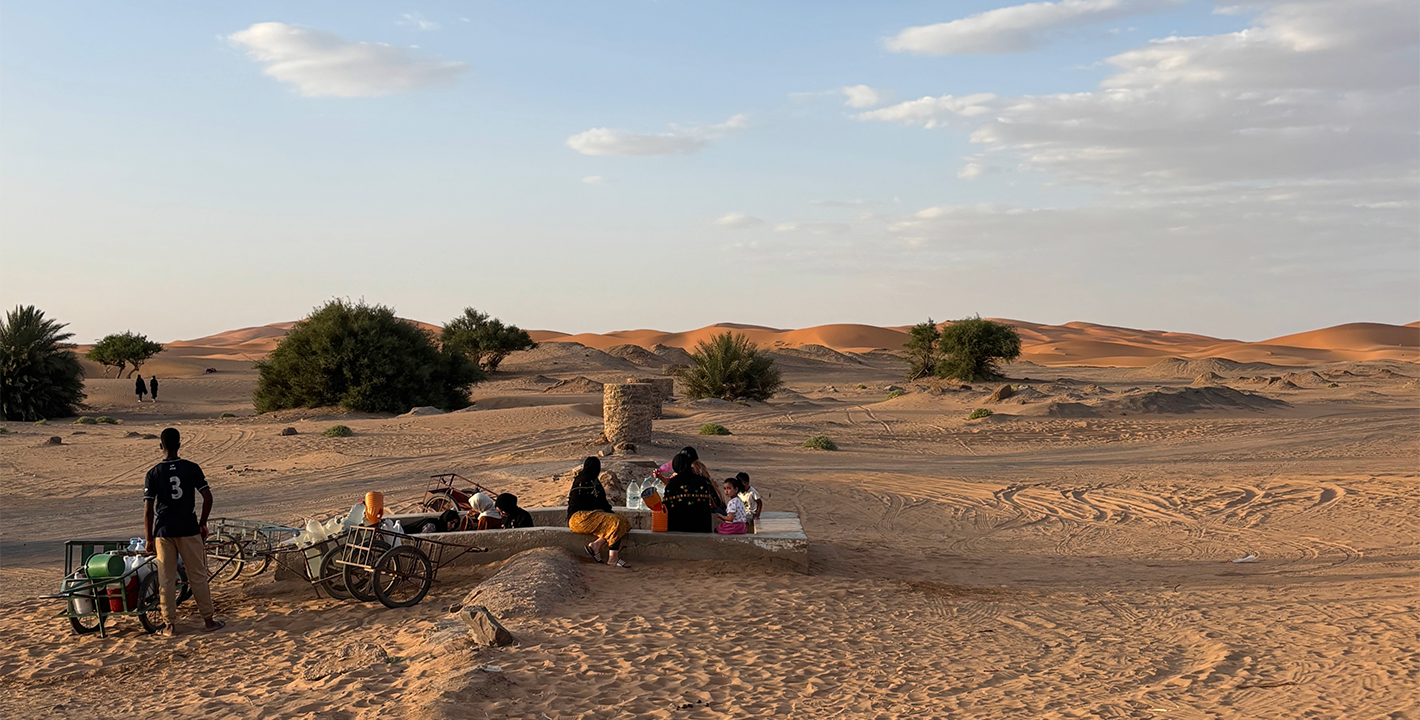
The burden of environmental degradation is felt not only through physical labor but also emotional and social loss.
Yasmine Zarhloule, Ella Williams
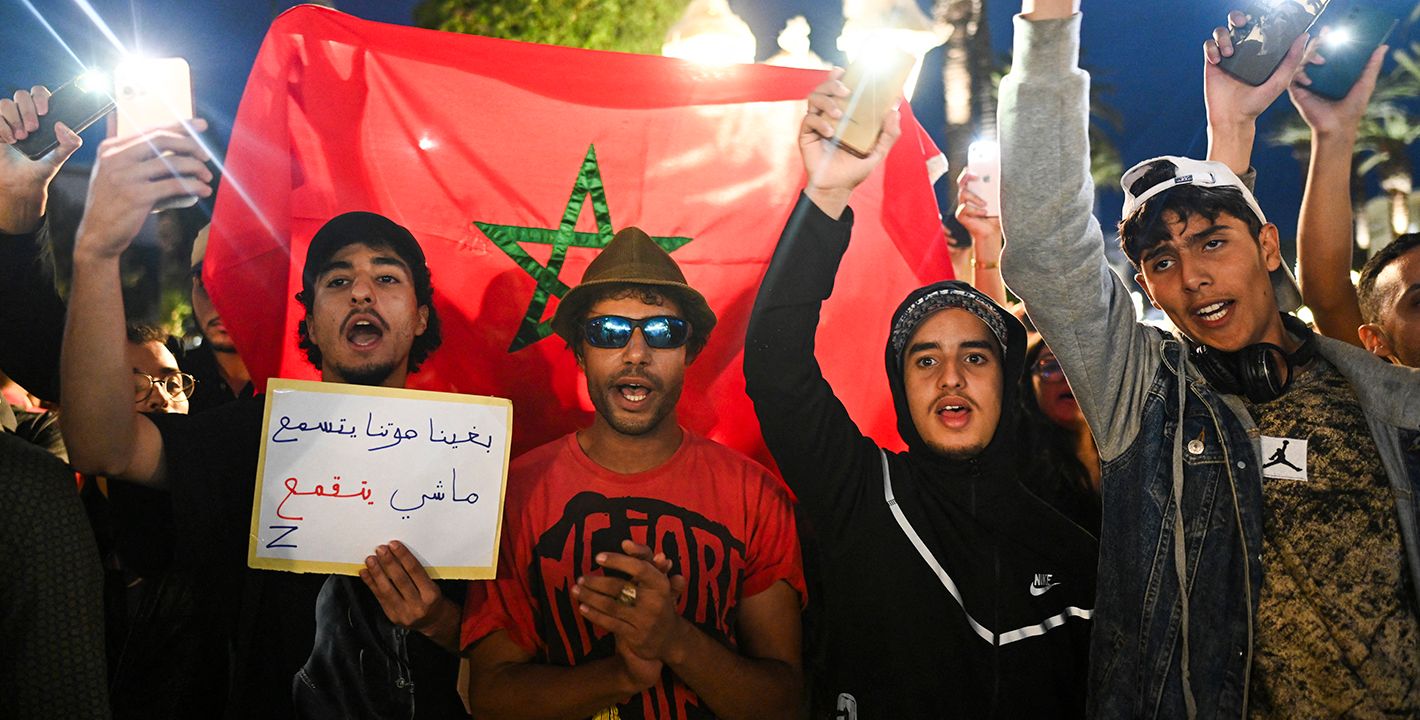
The country’s youthful protest movement is seeking economic improvement, social justice, and just a little hope.
Yasmine Zarhloule
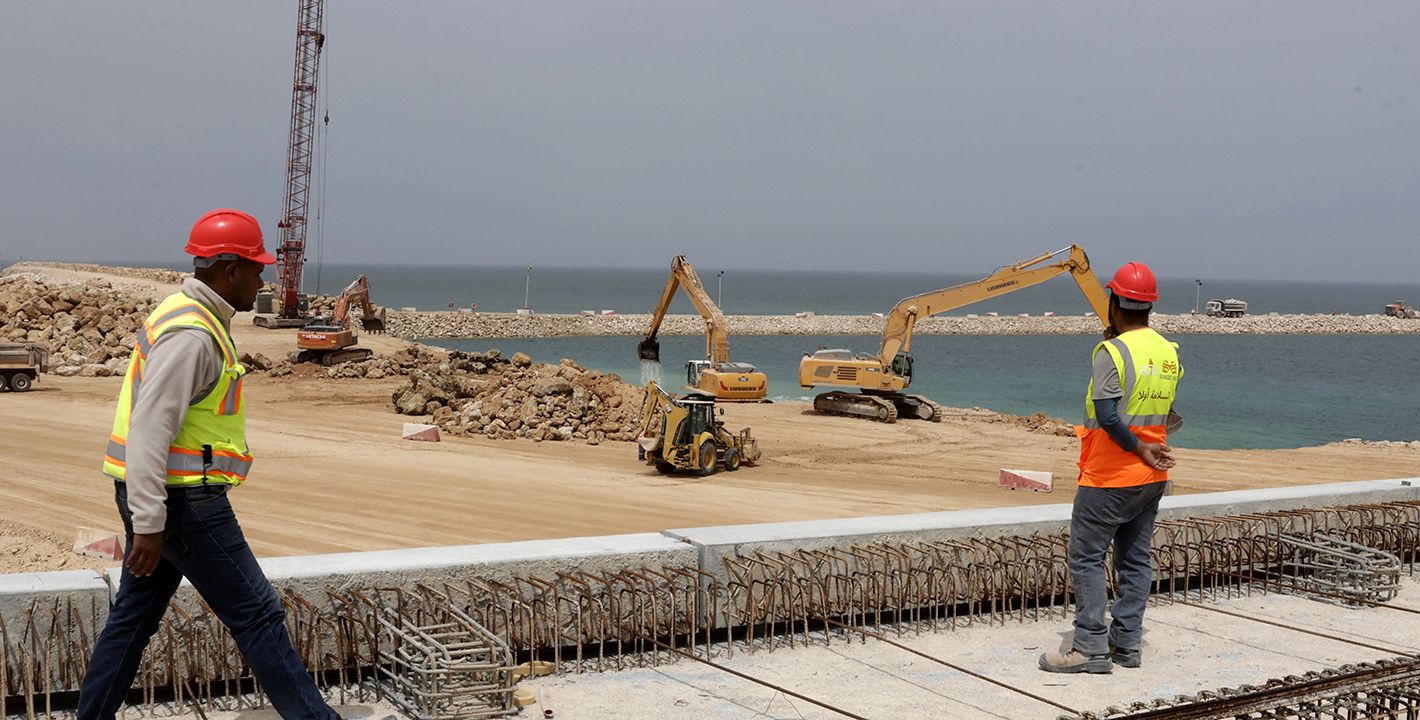
The Moroccan-Algerian rivalry is playing itself out in ties with Burkina Faso, Niger, and Mali.
Yasmine Zarhloule