

Commentary
Reconciliation councils are emerging throughout the country to mediate in intracommunal disputes, many from the war years.
Natacha Danon
{
  "authors": [
    "Ghida Tayara"
  ],
  "type": "commentary",
  "blog": "Diwan",
  "centerAffiliationAll": "dc",
  "centers": [
    "Carnegie Endowment for International Peace",
    "Malcolm H. Kerr Carnegie Middle East Center"
  ],
  "collections": [
    "Arab Spring 2.0",
    "Decoding Lebanon"
  ],
  "englishNewsletterAll": "menaTransitions",
  "nonEnglishNewsletterAll": "",
  "primaryCenter": "Malcolm H. Kerr Carnegie Middle East Center",
  "programAffiliation": "MEP",
  "programs": [
    "Middle East"
  ],
  "projects": [],
  "regions": [
    "Levant",
    "Lebanon",
    "Middle East"
  ],
  "topics": [
    "Political Reform",
    "Civil Society",
    "Religion"
  ]
}
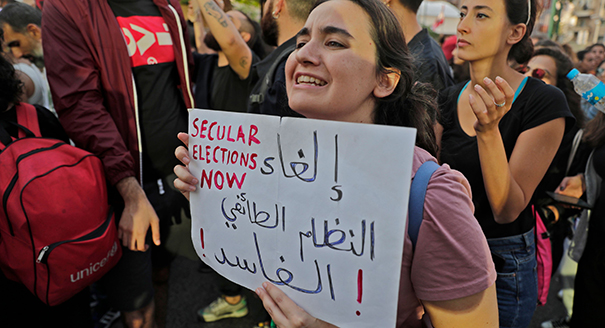
Source: Getty
Lebanon’s youths are fed up with the traditional reflexes of sect that keep the population divided.
The spontaneous protests that began on October 17 proved that the Lebanese are capable of uniting. They showed that socioeconomic difficulties were shared across the country’s different sects and were enough to make well over 1 million citizens take to the streets calling for the abolition of the sectarian system.
For almost two weeks, public spaces across Lebanon were filled with people waving red, white, and green flags, expressing their dissatisfaction with the country’s sectarian political leadership and their corrupt behavior. As beautiful as such scenes were, and as utopian as the demands of the protestors appeared, the realities that also came to the surface were very different.
During the first days of the protests, minor clashes erupted between protestors and groups of young men backed by Hezbollah and the Amal Movement. But then things took a turn for the worse late last week as these groups attacked the protestors more violently. The most disturbing thing was that these men were shouting “Shi‘a, Shi‘a” as they beat up protestors, tore up their tents, and burned their banners. They displayed no sympathy for the protesting crowds, were not involved in their calls to change the Lebanese system, and did not feel any impulse to share the protestors’ pain or concerns. Instead, they went on a rampage, showing a viciousness that was fueled by the sectarian rhetoric of their political parties.
Later that day, Prime Minister Saad al-Hariri resigned, which seemed to divide the protestors. Social media was flooded with pictures of Hariri, with some people portraying him as a hero. What was shocking, however, was that many of those who were praising the prime minister for stepping down were the very same ones who had been in the streets protesting against his government. Suddenly, the protestors’ slogan, Kellon, Ya‘ni Kellon (All of Them Means All of Them), became meaningless as people reverted to supporting their sectarian leaders.
Indeed, when the protests began there were no partisans of Hariri’s Future Movement defending the prime minister and his government. This only occurred after he had stepped down. This revealed a sectarian reflex, since his resignation appeared to signal that the Sunni prime minister was the principal victim of public discontent, not the Maronite president or the Shi‘a speaker of parliament.
Sectarian rhetoric is a tool that political parties have long used in Lebanon, where most parties are based on sect. It only takes one political party using the sectarian card to make people from other communities feel the urge to slide back into the protective shell of their own sects or sectarian political parties.
An outrageous example of someone using the sectarian card is the head of the Free Patriotic Movement, Gebran Bassil, who has backed a discriminatory citizenship law. He supports allowing Lebanese women married to foreigners to pass their nationality on to their children, with the exception of those with Syrian and Palestinian husbands. By doing so, Bassil has sought to guarantee that Christians are not more outnumbered by Muslims than they are today.
Sectarian rhetoric is embedded so deeply in the Lebanese political system, its parties, and society that it may take ten revolutions to get rid of it. The younger generation is showing a greater willingness to embrace a secular national identity, which gives us hope. And with talk of the protests perhaps winding down and protestors losing their battle, we can at least affirm that this generation of Lebanese is striving to effect change.
The flame of change is not going to burn out.
Ghida Tayara
Senior Digital and Web Coordinator
Carnegie does not take institutional positions on public policy issues; the views represented herein are those of the author(s) and do not necessarily reflect the views of Carnegie, its staff, or its trustees.
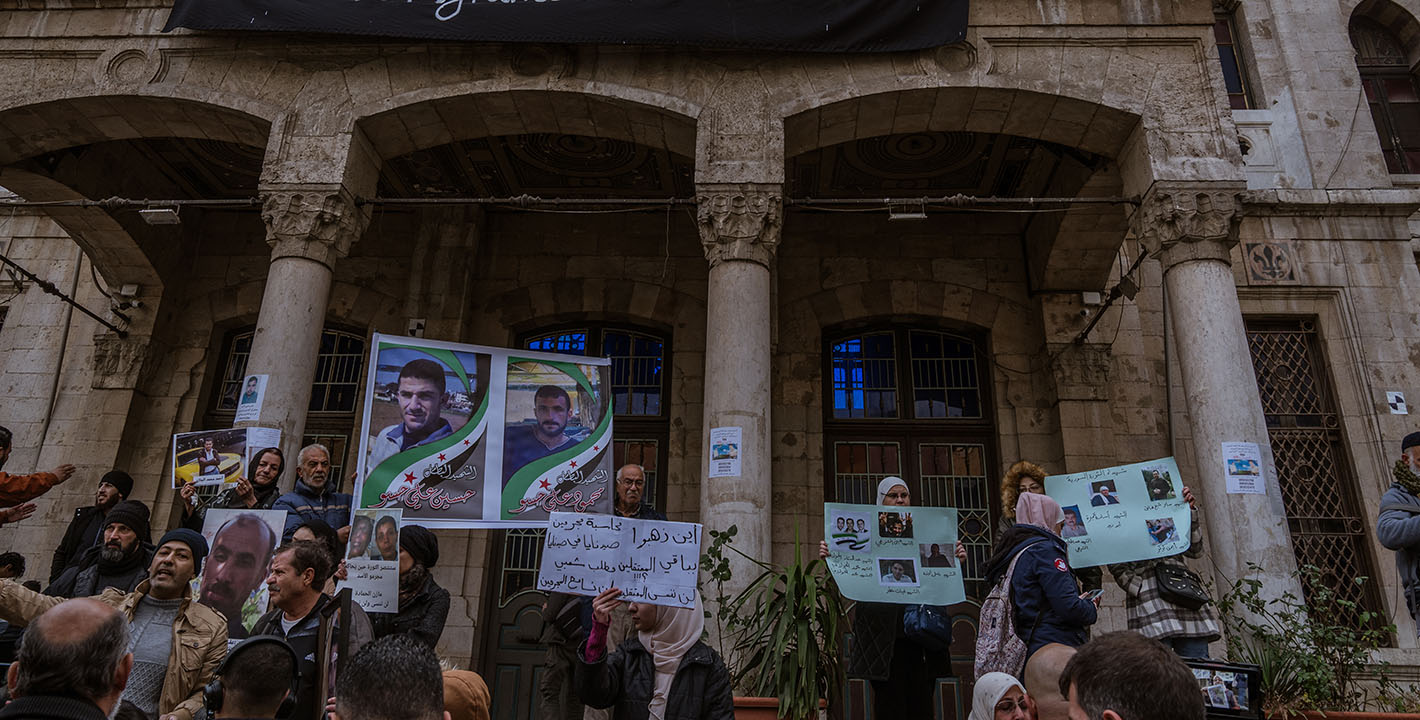
Reconciliation councils are emerging throughout the country to mediate in intracommunal disputes, many from the war years.
Natacha Danon
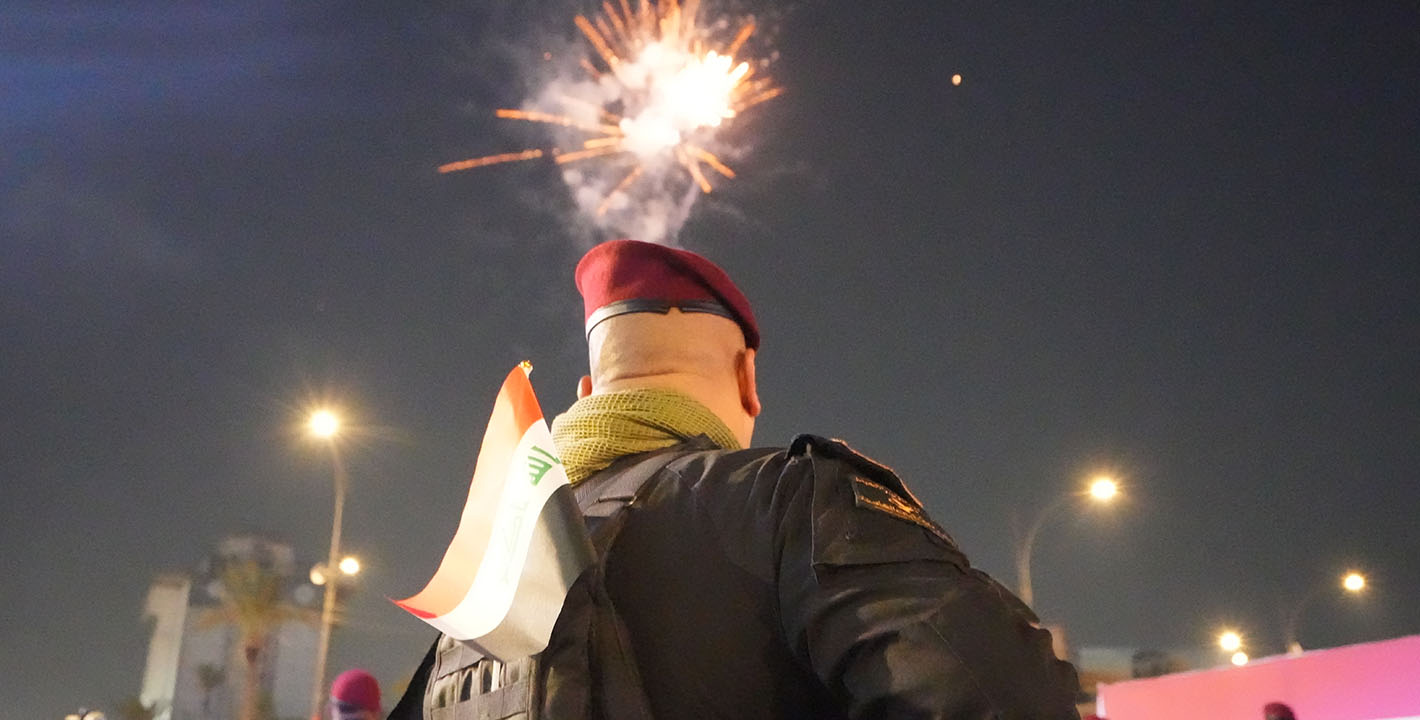
As the U.S.-led Coalition withdraws, the Kurds’ reliance on Baghdad, and on themselves, will only increase.
Wladimir van Wilgenburg

As the U.S. stumbles in its war with Iran, we are likely to see an acceleration of its disengagement from the region.

Michael Young
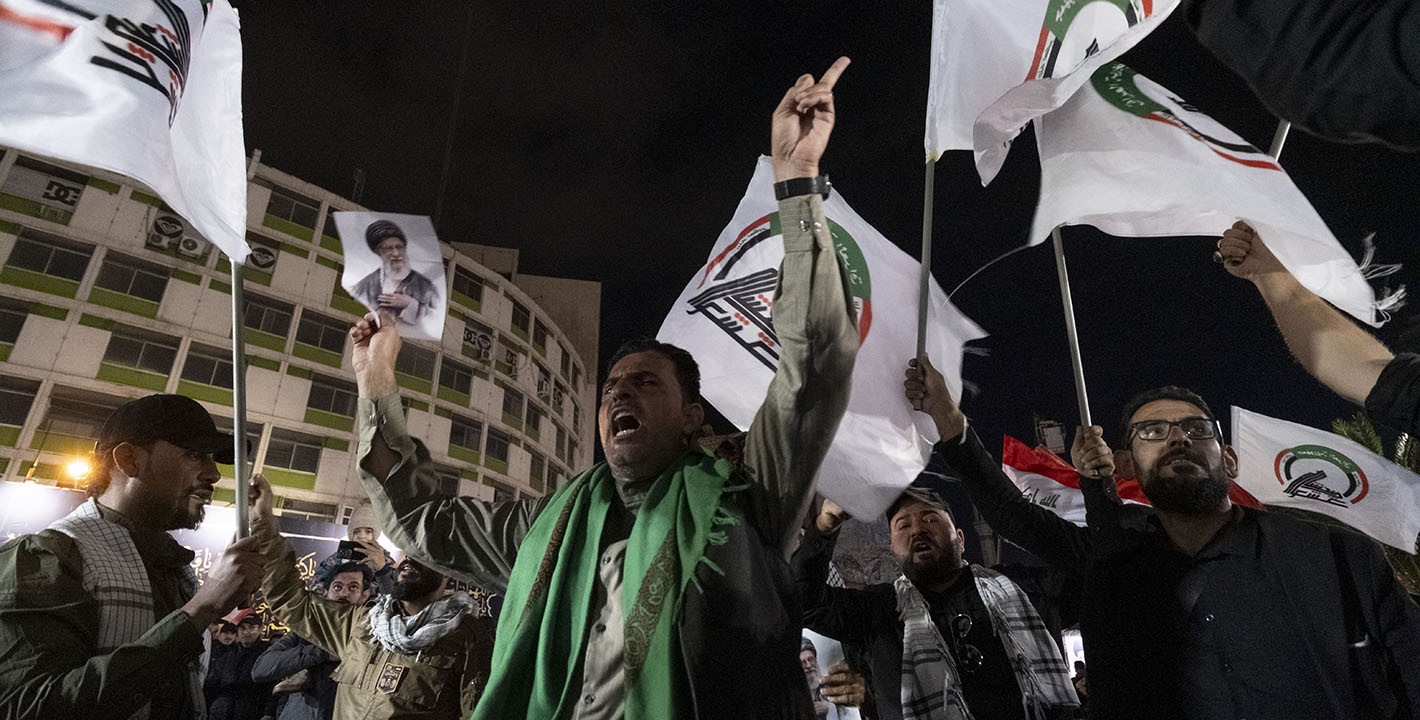
The Zaidi government’s objective to collect weapons is constrained by regional conflict, but it can take certain measures at home.
Ali Al-Mawlawi

The accord represents a pivotal moment in the region to avert a security vacuum in the Gulf.


Azeema Cheema, Mohanad Hage Ali