

Commentary
Michael Young
{
  "authors": [
    "Michael Young"
  ],
  "type": "commentary",
  "blog": "Diwan",
  "centerAffiliationAll": "dc",
  "centers": [
    "Carnegie Endowment for International Peace",
    "Malcolm H. Kerr Carnegie Middle East Center"
  ],
  "collections": [
    "Decoding Lebanon"
  ],
  "englishNewsletterAll": "menaTransitions",
  "nonEnglishNewsletterAll": "",
  "primaryCenter": "Malcolm H. Kerr Carnegie Middle East Center",
  "programAffiliation": "MEP",
  "programs": [
    "Middle East"
  ],
  "projects": [],
  "regions": [
    "Levant",
    "Lebanon",
    "Middle East",
    "Türkiye",
    "Western Europe",
    "France"
  ],
  "topics": [
    "Political Reform"
  ]
}
Source: Getty
Might growing regional and international involvement in Lebanon change power relations in the country?
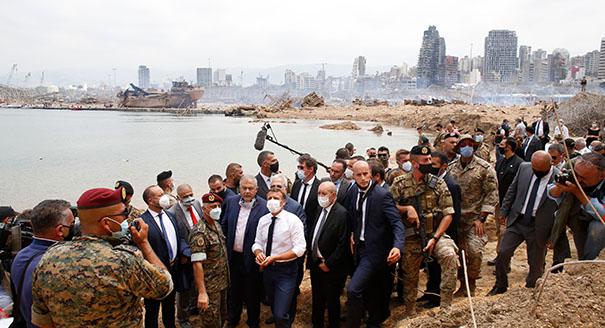
In the aftermath of the terrible explosion in Beirut Port on August 4, international interest in Lebanon suddenly seemed to rise. While this could be attributed primarily to humanitarian concerns related to the catastrophe, there was more to it than that, above all growing political rivalries in the Mediterranean.
Representatives of major regional powers converged on a ravaged Beirut. Among them Turkish Vice President Fuat Oktay, who arrived with Foreign Minister Mevlüt Çavuşoğlu. Turkey sent 400 tons of wheat and medical supplies, as well as medical teams to deal with the emergency. Oktay made an effort to sound ecumenical, declaring “Lebanon’s integrity is important for Turkey. For us, Lebanon is a whole with its Christians, Muslims, Assyrians, and Armenians. Turkey is ready to do whatever it can to protect this integrity.”
The visit was part of a wider effort by Turkey to increase it influence in Lebanon. Ankara intends to exploit the declining Saudi role in the country by becoming itself the leading regional champion of the Lebanese Sunni community.
However, Turkey’s rivalry with Egypt, the United Arab Emirates, and France in the Levant and North Africa—particularly in Libya but now also in the seas around Cyprus and Greece—appears to have extended to Lebanon. Analysts have speculated that French President Emmanuel Macron’s visit to Beirut on August 6, during which he proposed an initiative to break Lebanon’s political deadlock, was partly driven by a desire to counter the Turkish presence in the country. The feeling was reciprocated when Turkish President Recep Tayyip Erdoğan said of the French president, “Macron’s concern is to bring back a colonialist structure. We don’t have desires like that.” Not coincidentally given their differences with Ankara, Egypt and the UAE have supported the French initiative. Such maneuvers, if they gain momentum, may slowly alter Lebanon’s political environment.
While it remains unclear how far the French initiative will go, the fact that Lebanon is emerging as a new battleground in a wider game of regional influence raises interesting possibilities. In recent years the country has been written off by many Arab Gulf states, particularly Saudi Arabia, as being an Iranian outpost. This led to their disengagement from Lebanon and an increasingly uncompromising attitude toward the Lebanese government.
Yet in the changing regional context how accurate will it be to continue to view Lebanon as an Iranian satrapy? Tehran still has the most effective military force in the country, Hezbollah, with more leverage than France, Egypt, or the UAE to shape outcomes and intimidate politicians into adopting its favored policies. However, if Lebanon opens up to regional actors who are willing to defend their local clients and use their leverage to appoint their favorites to senior posts in the state, Iran’s power may be watered down.
For those who are opposed to Iran and Hezbollah, this need not necessarily imply better times. Lebanon has often been torn apart by regional enmities playing out on its territory. However, the countries that might dilute Iran’s role in Lebanon—France, Egypt, the UAE, and Turkey—are not ones that have traditionally sought a confrontation with the Islamic Republic. All have tolerable to good ties with Tehran, which in turn could pay a price by antagonizing those states or provoking a conflict with them over Lebanon.
Rather, what may be taking shape is a situation in which different regional powers begin carving out niches for themselves in the country. Their principal aim would not be to contain Iran and its allies, but to negotiate their stakes in Lebanon through the mobilization and sponsorship of the Sunnis and Christians. This would echo what is happening in Syria, where Iran and Russia are collaborating to support the regime of President Bashar al-Assad, even as both are developing competing networks of influence allowing them to define their territory and pursue their interests.
If a balance of influence were to be created in Lebanon, this could prove to be a more felicitous way of counteracting Hezbollah’s arms than support for a policy of economic strangulation that would only destroy the country, while doing little to undermine Iran’s proxy. Ultimately, Hezbollah’s disarmament will have to be the result of a regional deal with Iran. The premises of such an arrangement, given the United States’ extrication from the Middle East, would need to be agreed between regional powers and others with sway in Lebanon. What we are witnessing today may be the early phases of such a process, as Turkey, Egypt, France, and the UAE fill the void left by the Americans in the region, and by the Saudis in Lebanon.
However, we’re not there yet. There is disunity among Iran’s counterparts, so that France’s, Egypt’s, and the UAE’s hostility toward Turkey may create valuable openings allowing Tehran to play these different states off against one another to Hezbollah’s advantage. Nor is it clear how far the French are really willing to push in the Levant and the Mediterranean. Macron’s intervention in Lebanon could be more about economic opportunism than a desire to pursue an aggressive new strategy in the country and beyond.
Nonetheless, the expanding foreign involvement in Lebanon could be a signal that there will continue to be regional competition over the country. This is more than likely to alter the one-sided situation existing today. It would, of course, be ideal if the Lebanese could simply cease being agents of outside influence. But that won’t happen for as long as sectarian identities play such a major role in society. In a region in flux power is shifting, which means that assumptions that seem natural today may eventually have to be revised.

Editor, Diwan, Senior Editor, Malcolm H. Kerr Carnegie Middle East Center
Michael Young is the editor of Diwan and a senior editor at the Malcolm H. Kerr Carnegie Middle East Center.
Recent Work
Michael Young
Michael Young
Carnegie does not take institutional positions on public policy issues; the views represented herein are those of the author(s) and do not necessarily reflect the views of Carnegie, its staff, or its trustees.
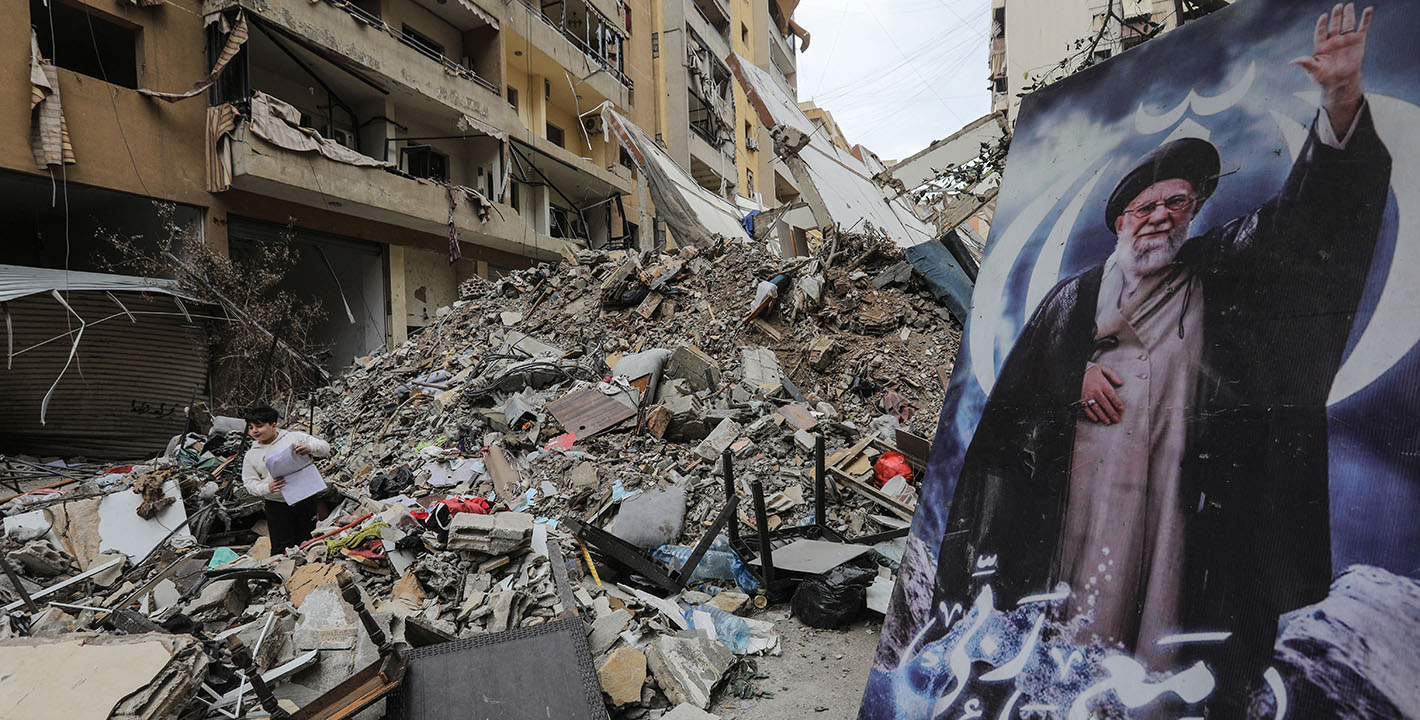
As talks begin between Washington and Tehran, Beirut has an opening to advance a regional plan for the party’s disarmament.
Michael Young
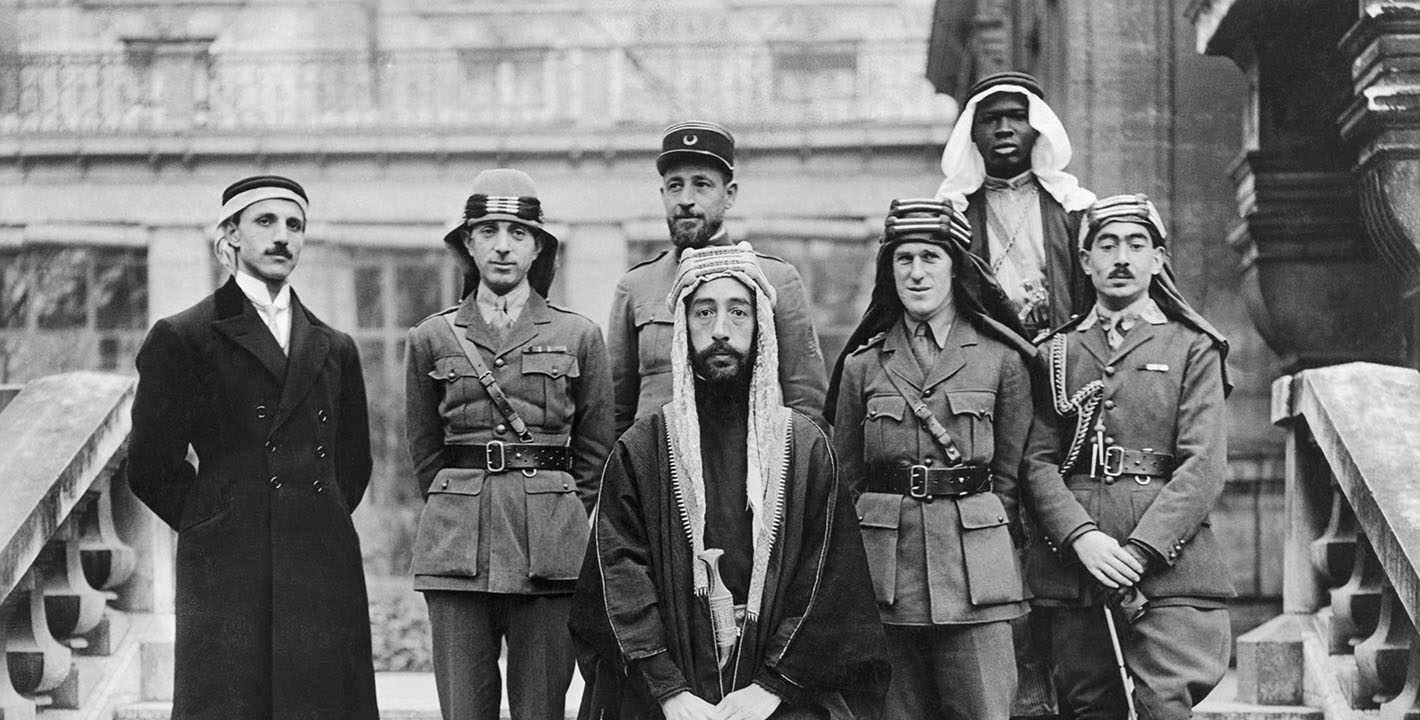
In an interview, Elizabeth Thompson recalls how the country formulated a liberal constitution in 1920, before being denied by France and Britain.
Michael Young
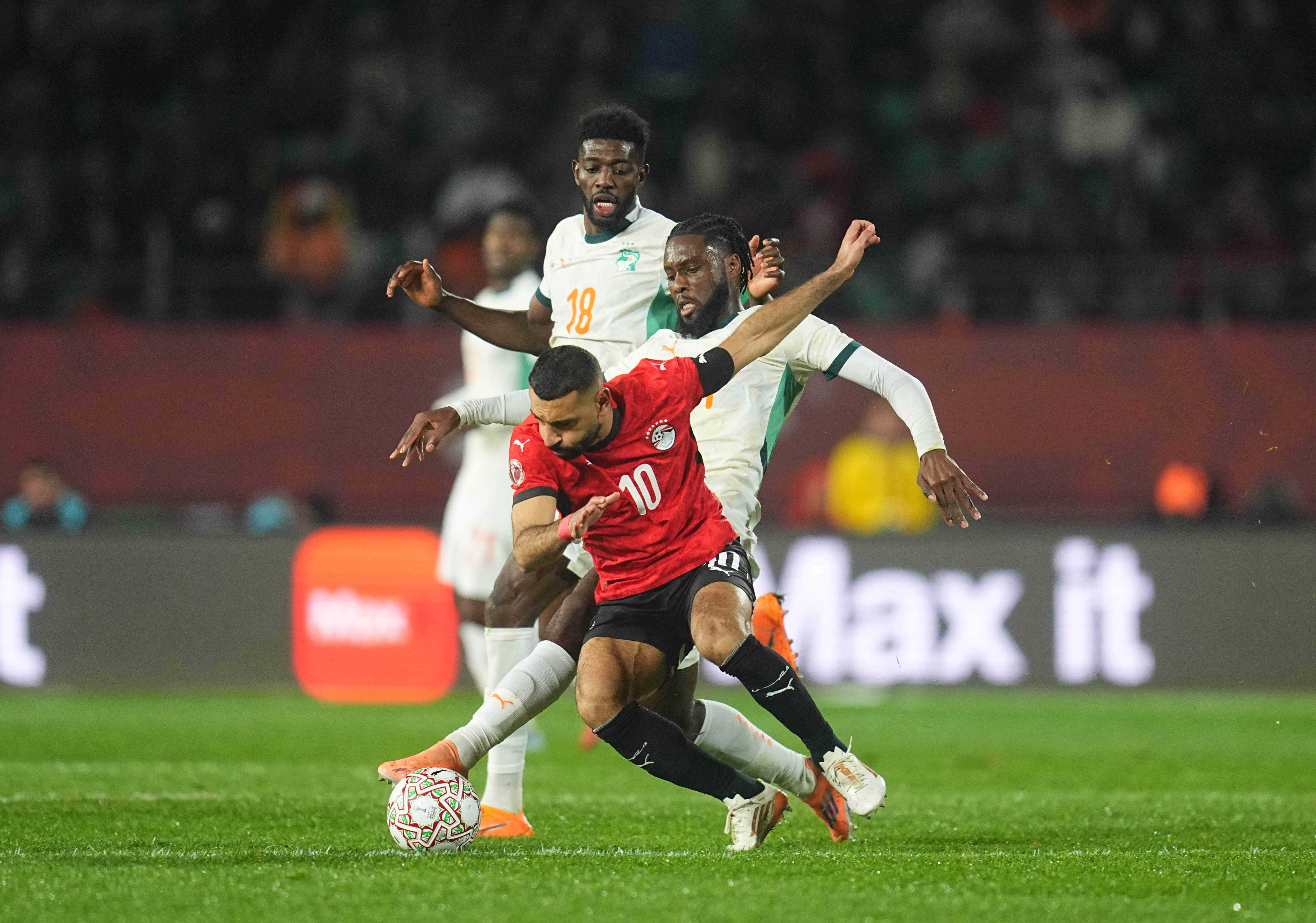
This will be the region’s most representative tournament, amid broad changes in its footballing landscape.

Issam Kayssi
As negotiations with Iran and Lebanon continue, chaos is at the heart of the Netanyahu government’s calculations.
Michael Young
Trade statistics show why Amman has more reason than Damascus to welcome the improvement in bilateral commerce.

Armenak Tokmajyan