

Commentary
Issam Kayssi
{
  "authors": [
    "Issam Kayssi"
  ],
  "type": "commentary",
  "blog": "Diwan",
  "centerAffiliationAll": "dc",
  "centers": [
    "Carnegie Endowment for International Peace",
    "Malcolm H. Kerr Carnegie Middle East Center"
  ],
  "collections": [
    "Decoding Lebanon"
  ],
  "englishNewsletterAll": "menaTransitions",
  "nonEnglishNewsletterAll": "",
  "primaryCenter": "Malcolm H. Kerr Carnegie Middle East Center",
  "programAffiliation": "MEP",
  "programs": [
    "Middle East"
  ],
  "projects": [],
  "regions": [
    "Levant",
    "Lebanon",
    "Middle East"
  ],
  "topics": [
    "Political Reform",
    "Economy"
  ]
}
Source: Getty
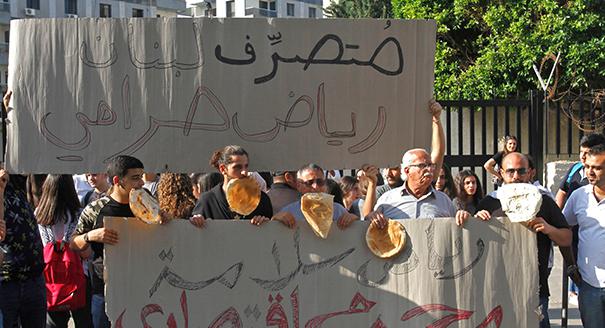
Because of the deep crisis in Lebanon, investors are finding ways to opt out of the financial system.
The phrase “Lebanon is the Switzerland of the Middle East” is now considered by many Lebanese to be either a bad joke or a painful reminder of glory days that are long gone.
One reason Lebanon was given that label had to do with its banking secrecy laws, which were among the strictest in the region. At one point this made Beirut the financial capital of the Middle East. Today, the Mediterranean country finds itself in unprecedented difficulty. The World Bank has concluded that the country’s economic and financial collapse is likely to rank in the top ten, possibly even the top three, most severe crises globally since the mid-19th century.
Since late 2019, Lebanese banks have had a hole of over $83 billion, most of it loans to the Lebanese state. Consequently, since that time they have restricted the withdrawals and foreign transfers of depositors. The Lebanese pound, which for almost three decades was pegged at LL1,500 = $1.00, is now trading at around LL14,500 = $1.00 on the black market. For a country that relies heavily on imports for basic needs, the massive inflation and decline in the pound’s purchasing power has been catastrophic. The World Bank estimates that around half the country’s population lives in poverty.
The financial and economic crisis which has engulfed Lebanon has understandably severely damaged the once unshakable trust that the Lebanese had in their financial system, even driving some to publicly declare that they would never bring their hard-earned U.S. dollars back into it. In the face of colossal challenges for more than a year now, some Lebanese have decided to find ways to opt out of their disastrous financial order.
Some have chosen to invest in the decentralized digital currency Bitcoin, which has been in circulation globally since 2009 and is protected from unexpected inflation. The governor of Lebanon’s central bank, Riad Salameh, does not regard Bitcoin as a currency, but as a highly volatile commodity. That is why its use as a currency was banned in 2017 in the Lebanese market. This did not stop Salameh from announcing in 2020 the central bank’s plans (currently on hold) to introduce its own digital currency in order to transition to a “cashless system.” One would imagine that this “digital pound” would be controlled by Salameh, its supply, like the current pound, inflated at his will and that of his political backers.
That is precisely why many Lebanese have chosen Bitcoin. The currency is based on strict algorithms, with no central governor or operator. Its supply is ultimately limited, and this makes owners of the currency trust it much more than they do the pound, and even among some people the U.S. dollar. One Lebanese bitcoin community, Bitcoin du Liban, was trading between $2–3 million dollars worth of Bitcoin per month in March. The trading is organized online and usually happens peer to peer, as many Lebanese credit and debit cards are not accepted on trading platforms due to Salameh’s ban. Bitcoin’s price has demonstrated that it can be volatile on a day-to-day basis, but in the long run the price of Bitcoin has appreciated every year since its circulation. Bitcoin also serves another important function, which is to bypass the current restrictions of Lebanese banks, allowing the instantaneous transfer of large sums of money in and out of Lebanon.
Because of the crisis, another function of Lebanese banks—granting loans—has been diminished. This is where a cooperative initiative such as Shreek (Arabic for “partner”) comes in. Shreek is a local Lebanese institution that aims to provide alternatives for credit and money management during the crisis and beyond. One of the services it provides is granting small loans of between LL3 million and LL30 million, as well U.S. dollar loans of between $1,000 and $20,000, repayable within a period of up to three years. According to one of its founders, the initiative will only finance projects in productive sectors, with the ambition of reviving the economy. Still in its early stages of development, Shreek aims to increase its membership to 1,000 members by the end of 2021, each recommended by at least one individual who is already a member.
Whether the use of Bitcoin ultimately proves successful in preserving the wealth of individuals inside Lebanon remains to be seen, as is determining whether Shreek will be able to set up a more democratic financial alternative for people in the country. What is clear, however, is that the drive to use Bitcoin and set up and join a cooperative like Shreek come from a need to rebel against a financial system over which the average resident of Lebanon has no real say. With Bitcoin, this rebellion means choosing a digital currency that is radically decentralized. On a smaller level, joining Shreek means being part of a cooperative credit union the members of which have equal voting rights to appoint the board of directors, regardless of the shares they hold in the initiative.

Research Analyst, Malcolm H. Kerr Carnegie Middle East Center
Issam Kayssi is a research analyst at the Malcolm H. Kerr Carnegie Middle East Center.
Recent Work
Issam Kayssi
Issam Kayssi
Carnegie does not take institutional positions on public policy issues; the views represented herein are those of the author(s) and do not necessarily reflect the views of Carnegie, its staff, or its trustees.
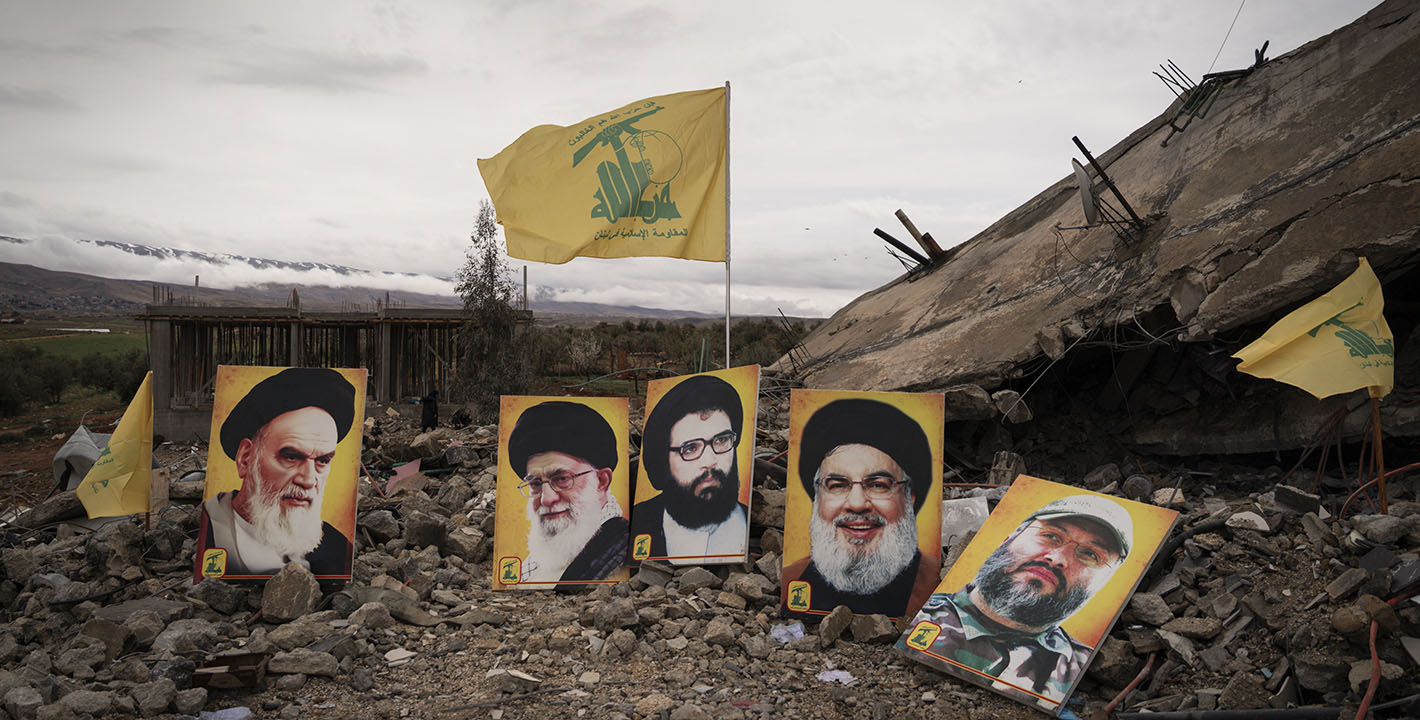
The party’s objectives involve tying together the Lebanese and Iranian fronts, while surviving militarily and politically at home.
Mohamad Fawaz
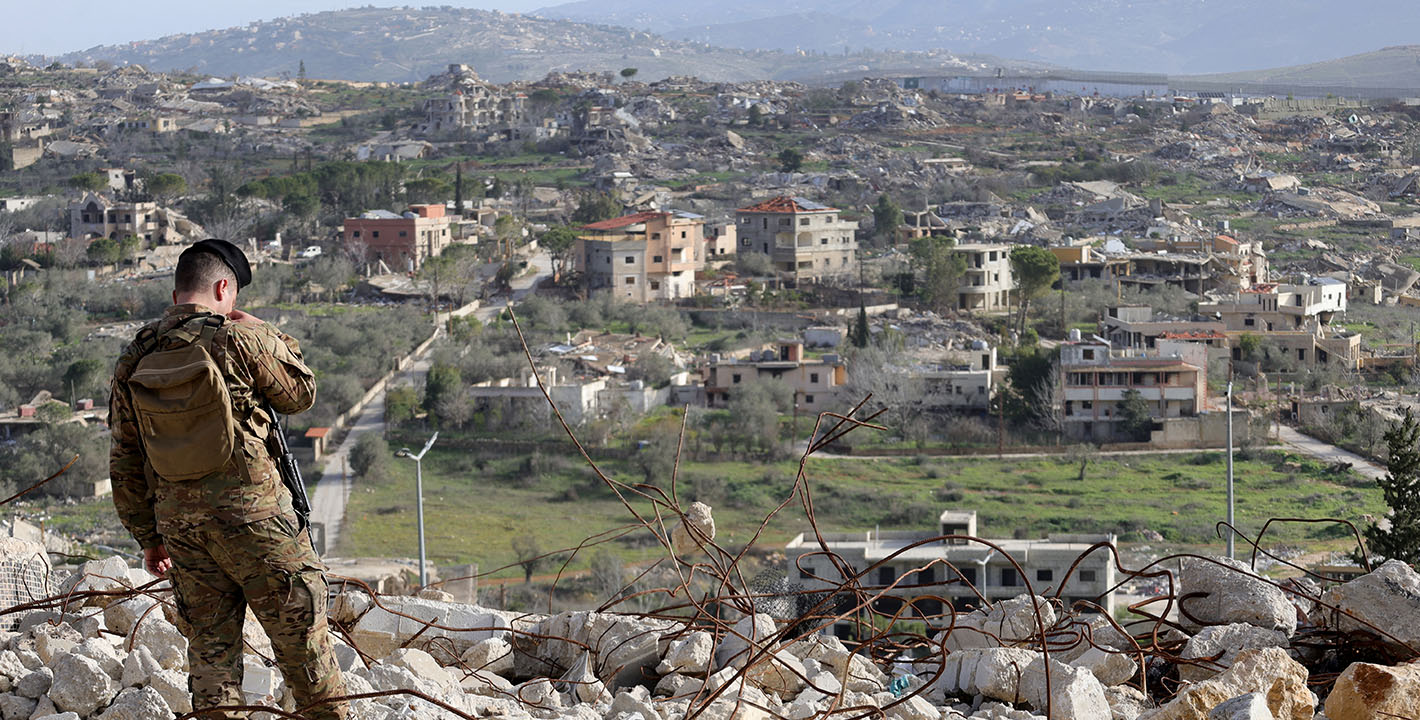
While armed forces commander Rudolph Haykal’s caution is understandable, he is in a position to act, and must.

Michael Young
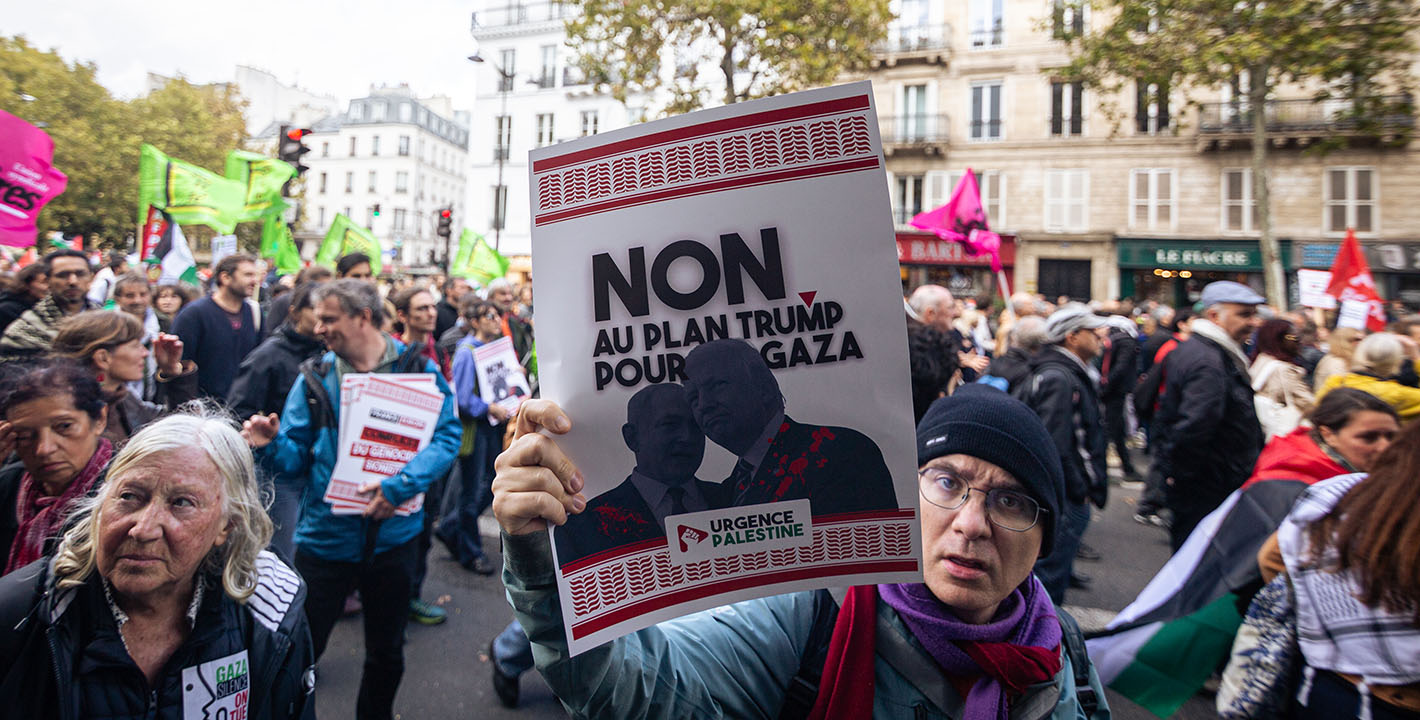
The simple conclusion is that the scheme will bring neither peace nor prosperity, but will institutionalize devastation.

Nathan J. Brown
The Jamaa al-Islamiyya is the local Lebanese dimension of a broader struggle involving rival regional powers.
Issam Kayssi
In an interview, Kheder Khaddour explains that Damascus is trying to stabilize its borders, but avoiding war isn’t guaranteed.
Michael Young