

Commentary
The Zaidi government’s objective to collect weapons is constrained by regional conflict, but it can take certain measures at home.
Ali Al-Mawlawi
{
  "authors": [
    "Alia Brahimi",
    "Doaa Elnakhala"
  ],
  "type": "commentary",
  "blog": "Diwan",
  "centerAffiliationAll": "dc",
  "centers": [
    "Carnegie Endowment for International Peace",
    "Malcolm H. Kerr Carnegie Middle East Center"
  ],
  "collections": [
    "Civil-Military Relations in Arab States"
  ],
  "englishNewsletterAll": "menaTransitions",
  "nonEnglishNewsletterAll": "",
  "primaryCenter": "Malcolm H. Kerr Carnegie Middle East Center",
  "programAffiliation": "MEP",
  "programs": [
    "Middle East"
  ],
  "projects": [],
  "regions": [
    "Levant",
    "Lebanon",
    "Jordan",
    "Middle East"
  ],
  "topics": [
    "Political Reform"
  ]
}
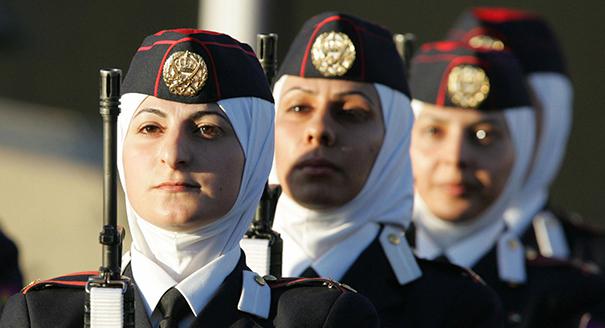
Source: Getty
Lebanon’s and Jordan’s efforts to advance female participation in their armed forces are discussed in a pair of podcasts.
In this Pride of the Nation podcast series on women in Arab militaries, hosts Alia Brahimi and Doaa Elnakhala discuss gender mainstreaming efforts within the Lebanese and Jordanian armed forces. In the first podcast, on the Lebanese military, their guests include Brigadier General Youssef Haddad, one of the first Lebanese commanders to deploy female personnel to frontline units, and Colonel Marwa Saoud, who heads the armed forces’ Gender Department.
In the second podcast, Brahimi and Elnakhala speak to Colonel Maha al-Nasser, who leads Jordan’s Directorate of Military Women’s Affairs.
The Pride of the Nation podcast series comes under Carnegie’s project on Civil-Military Relations in Arab States (CMRAS), and was made possible by a grant from the United Kingdom’s Foreign, Commonwealth, and Development Office.
Alia Brahimi
Doaa Elnakhala
Carnegie does not take institutional positions on public policy issues; the views represented herein are those of the author(s) and do not necessarily reflect the views of Carnegie, its staff, or its trustees.
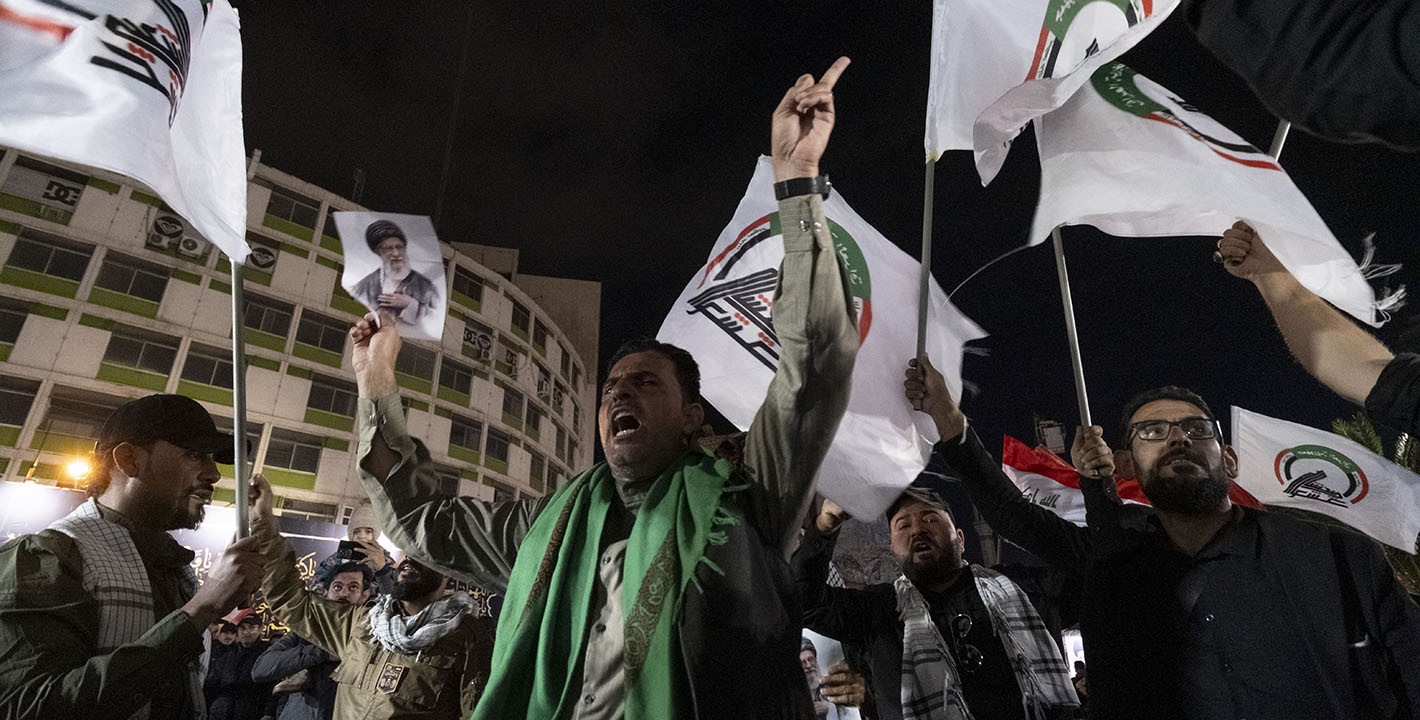
The Zaidi government’s objective to collect weapons is constrained by regional conflict, but it can take certain measures at home.
Ali Al-Mawlawi

Huawei pushed hard to enter the Egyptian data centers market, until the Americans made a better offer.

Angie Omar

The accord represents a pivotal moment in the region to avert a security vacuum in the Gulf.


Azeema Cheema, Mohanad Hage Ali

In an interview, Jason Burke discusses his sweeping account of the “revolutionists” who so shaped the 1970s and early 1980s.

Michael Young
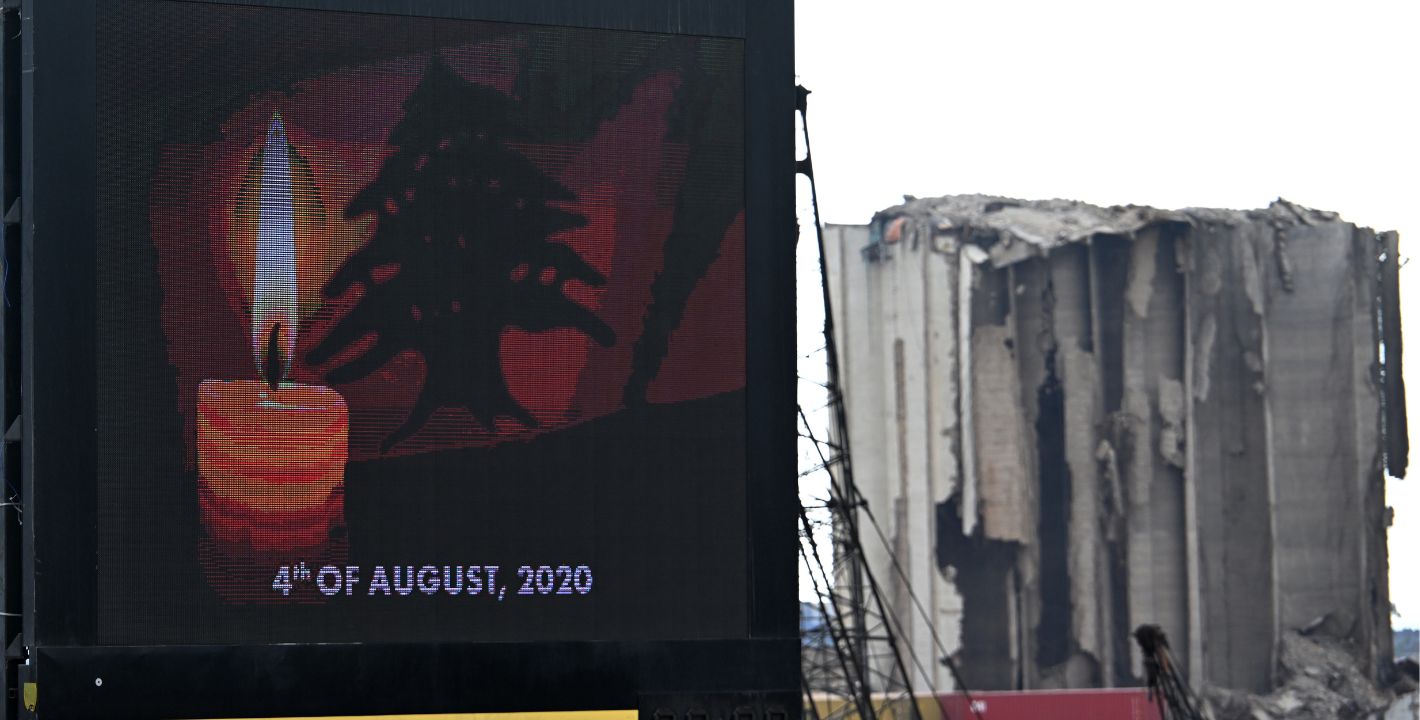
Lying at the heart of Lebanon’s dysfunction is an inability to secure accountability and institutional legitimacy.

Maha Yahya