

Commentary
Nathan J. Brown
{
  "authors": [
    "Nathan J. Brown"
  ],
  "type": "commentary",
  "blog": "Diwan",
  "centerAffiliationAll": "dc",
  "centers": [
    "Carnegie Endowment for International Peace",
    "Malcolm H. Kerr Carnegie Middle East Center"
  ],
  "collections": [
    "Palestine: The Wars in the War"
  ],
  "englishNewsletterAll": "menaTransitions",
  "nonEnglishNewsletterAll": "",
  "primaryCenter": "Malcolm H. Kerr Carnegie Middle East Center",
  "programAffiliation": "MEP",
  "programs": [
    "Middle East"
  ],
  "projects": [],
  "regions": [
    "Middle East",
    "Israel",
    "Palestine",
    "Levant"
  ],
  "topics": [
    "Political Reform"
  ]
}
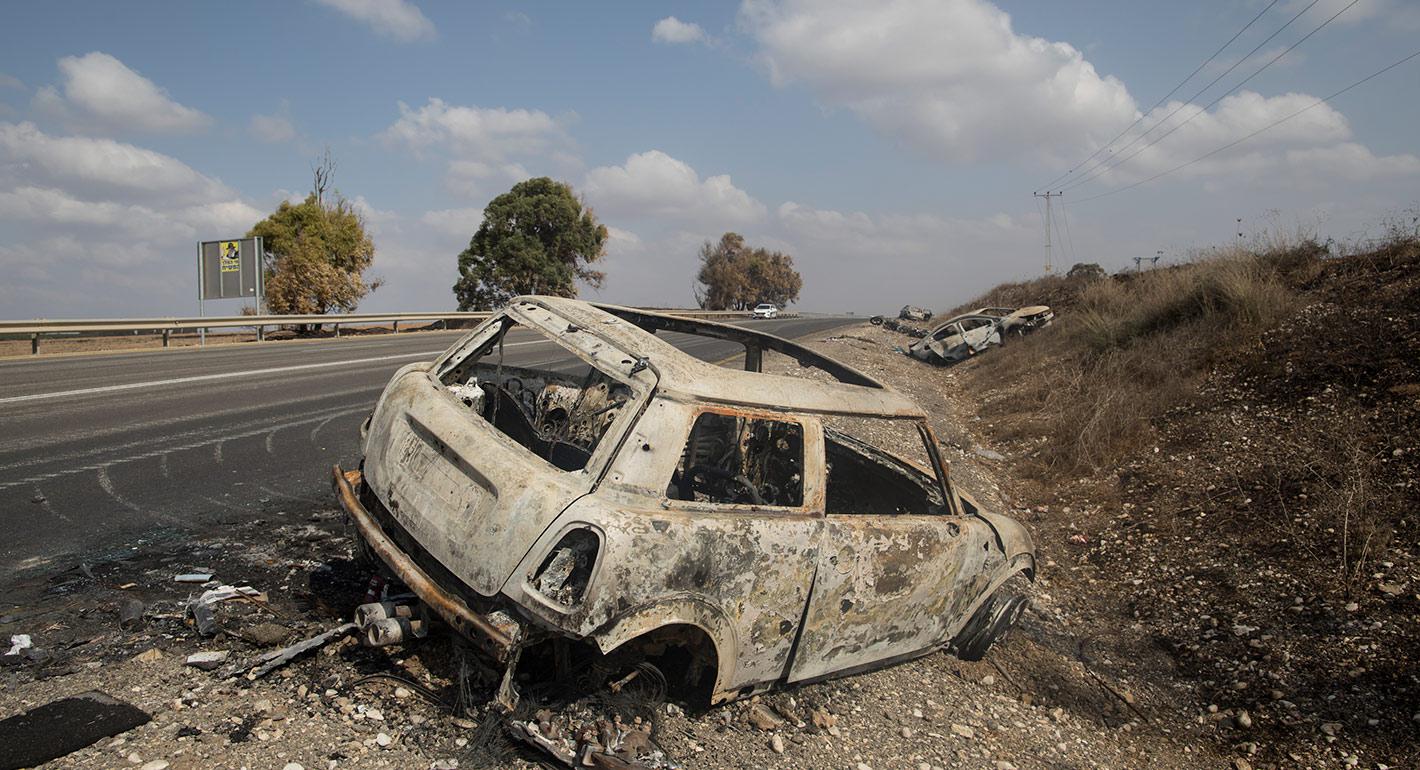
Source: Getty
The group’s October 7 offensive against Israel has mostly left a plethora of corpses … and questions.
Hamas’ dramatic and unexpected offensive on October 7 has thrust Israel-Palestine rapidly forward—but toward what outcome? The short-term effect on each individual actor may be to fall backwards into a bubble, endorsing any actions that respond harshly, and abandoning efforts to link short-term tactics to a dispassionate calculation about long-term consequences. In such an environment, well-informed speculation and well-intentioned diplomacy may mask the uncertainty, but it may be more helpful to observe that Israelis and Palestinians are rushing into the unknown.
The moral blindness should be easy to see—except that blindness is about not being able to see. Hamas’ tactical brilliance has just been harnessed to a set of atrocities directed against civilians that were bloodier than Deir Yassin. And this has cheered many people. For others, the immense cruelty of the Israeli closure of Gaza has long dropped from view—a closure whose origin predates Hamas’ control of the territory and has clearly been more effective at impoverishing 2 million people than making Hamas militarily incapable.
I make these observations not in an effort to draw up moral balance sheets or assign culpability, but simply to observe that very few observers are able to keep more than one party’s sins in view. No sense of shared humanity is likely to drive understanding, much less events, at least any time soon. And indeed, it seems that nobody is driving events now—or rather that those driving events have no idea where they are going.
Israeli policy toward Gaza has had deep effects, but its central goal of maintaining the status quo has collapsed. So Israel will likely invade, kill many Hamas leaders, decimate Gazan civilian life still more—with great short-term impact but unknowable long-term effects. Will Israel attempt to govern Gaza? Or will it try to allow the Palestinian Authority in Ramallah to reassert control? If so, will Hamas go underground? How will voiceless but alienated West Bank Palestinians react?
For Hamas’ part, its brutal campaign shows less solid long-term thinking than the United States’ invasion of Iraq in 2003. It seems to be driven by a grim determination that upending arrangements is bound to have a positive outcome. If Hamas’ leaders have a plan for following up on their success, however, it is as secret as the initial attack. Various actors will soon have to make their intentions clear (or make up their minds), but it is likely that many critical decisions will be made on the fly by actors who are in an environment they do not completely understand.
The impulse to try to explain actions on the basis of some clear calculus will drive much analysis, almost all of it based on the analyst’s prior assumptions about key actors. For my part, I tend to see Hamas’ decisionmaking as reacting most to a Palestinian arena where there is pressure to engage in resistance and where the national leadership is bankrupt. There was also a longstanding understanding within Hamas that its truncated and blockaded republic of Gaza was not a tolerable outcome. This has led some leaders within the movement to drag the rest of Hamas into uncharted waters.
Still, though I am unwilling to explain as inevitable the events I did not expect last week, I restrict myself to observing a small number of clear short-term trends. Palestinians who have waited for someone to do something will likely rally around Hamas’ boldness, but will show no ability to construct any framework for unified action. Deeply divided Israelis will give their leaders a blank check for any harsh measures, without dropping an impulse toward recrimination (much of it justified) based on the warring camp in Israel to which they belong. Regional diplomacy will reflect rather than overcome polarization.
And when the dust settles, the people of Israel-Palestine will be left facing each other with more bitterness, but with no more tools to craft a less violent future.

Nonresident Senior Fellow, Middle East Program
Nathan J. Brown, a professor of political science and international affairs at George Washington University, is a distinguished scholar and author of nine books on Arab politics and governance, as well as editor of five books.
Recent Work
Nathan J. Brown
Nathan J. Brown
Carnegie does not take institutional positions on public policy issues; the views represented herein are those of the author(s) and do not necessarily reflect the views of Carnegie, its staff, or its trustees.
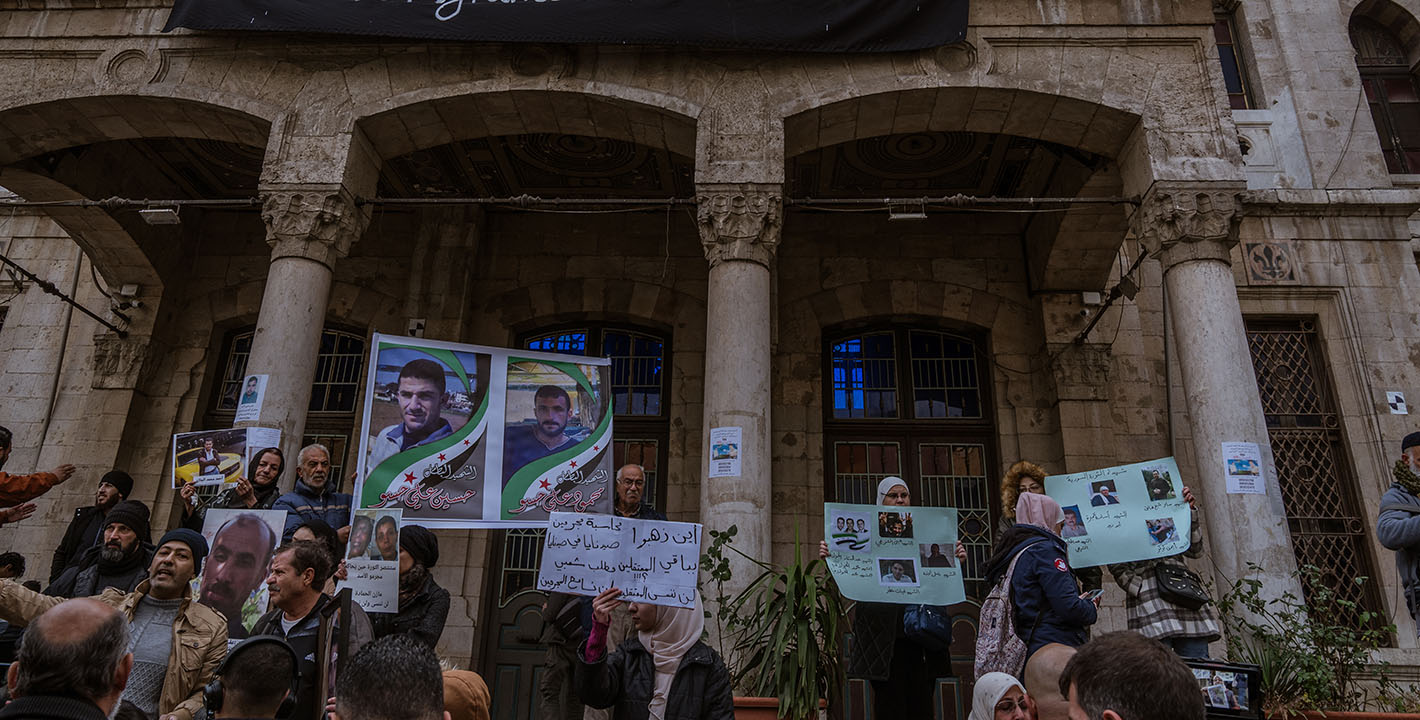
Reconciliation councils are emerging throughout the country to mediate in intracommunal disputes, many from the war years.
Natacha Danon
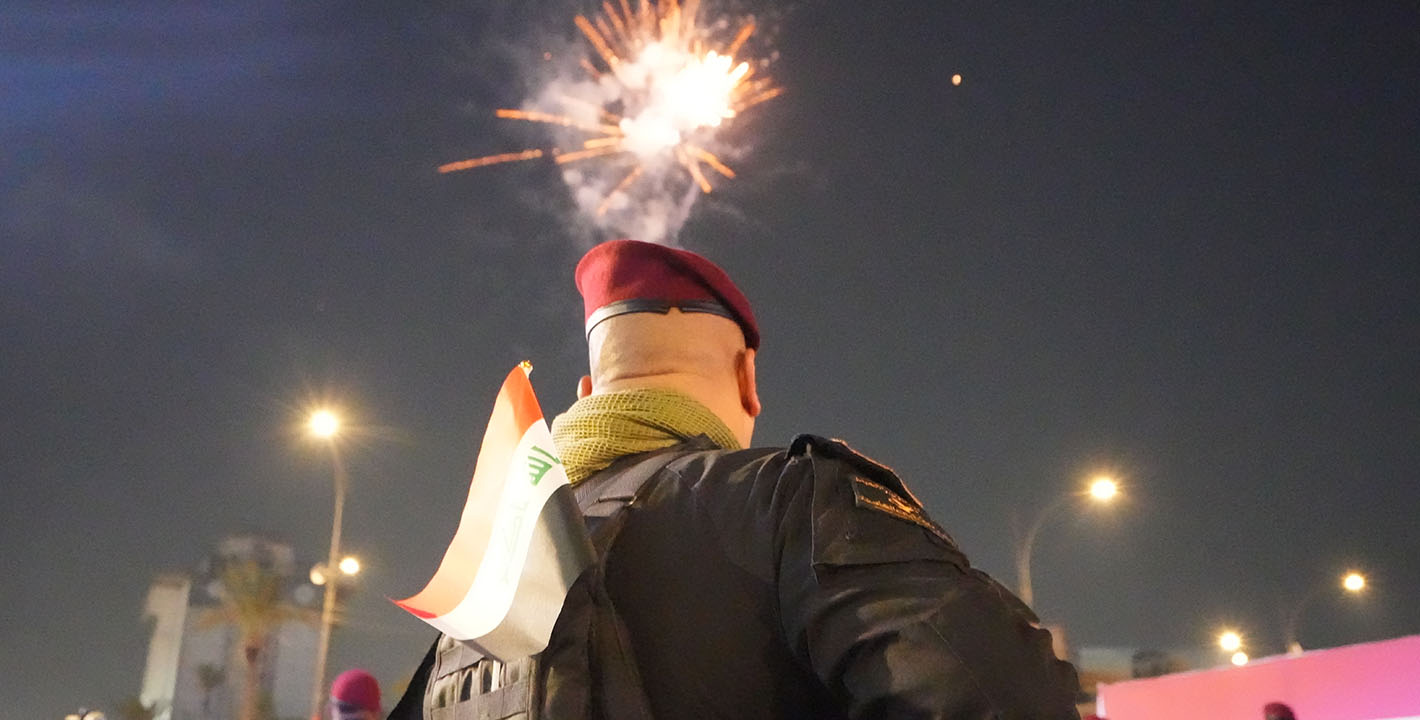
As the U.S.-led Coalition withdraws, the Kurds’ reliance on Baghdad, and on themselves, will only increase.
Wladimir van Wilgenburg

In an interview, Ian Lustick and Eli Clifton discuss their new book on why a prominent ally has so much influence in America.

Michael Young

As the U.S. stumbles in its war with Iran, we are likely to see an acceleration of its disengagement from the region.
Michael Young
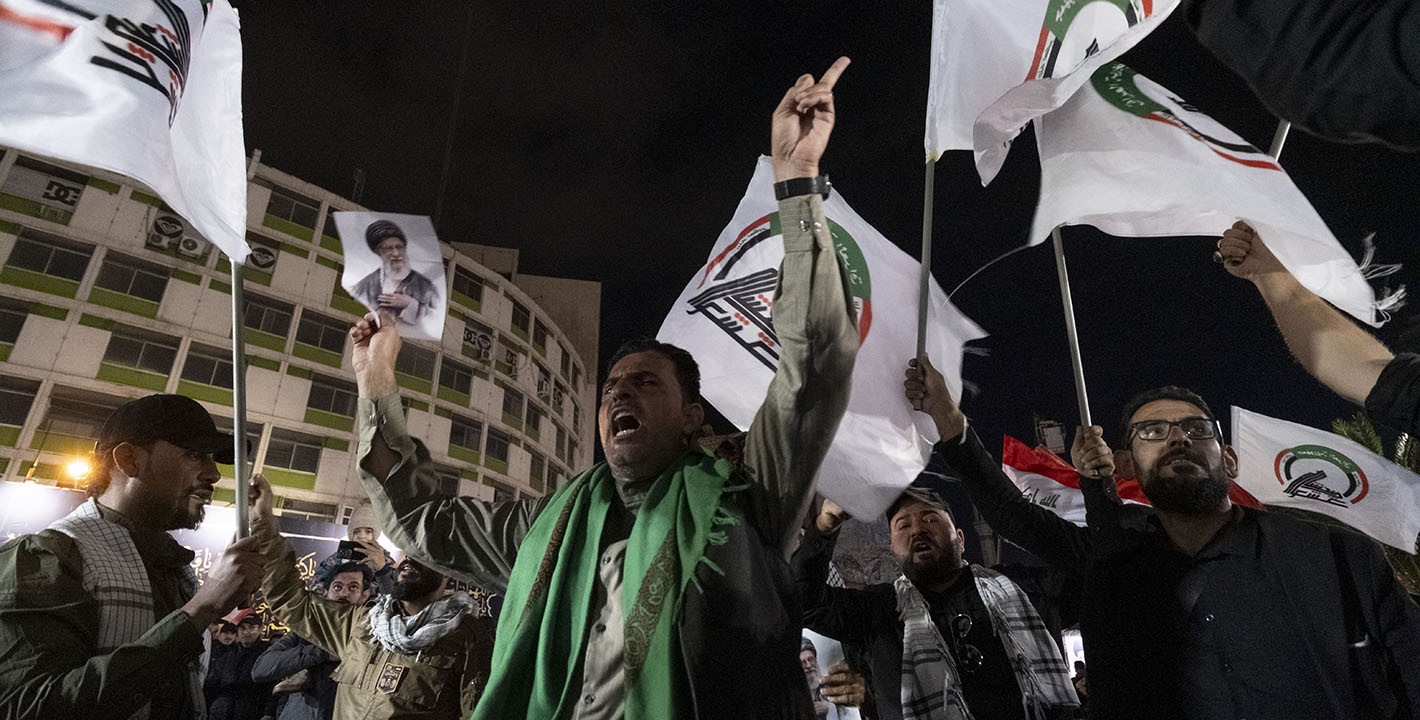
The Zaidi government’s objective to collect weapons is constrained by regional conflict, but it can take certain measures at home.
Ali Al-Mawlawi