

Commentary
Middle Eastern states should welcome an accelerated U.S. disengagement from their region.
Michael Young
{
  "authors": [
    "Ghida Tayara"
  ],
  "type": "commentary",
  "blog": "Diwan",
  "centerAffiliationAll": "",
  "centers": [
    "Carnegie Endowment for International Peace",
    "Malcolm H. Kerr Carnegie Middle East Center"
  ],
  "collections": [
    "Three Question Time"
  ],
  "englishNewsletterAll": "",
  "nonEnglishNewsletterAll": "",
  "primaryCenter": "Malcolm H. Kerr Carnegie Middle East Center",
  "programAffiliation": "",
  "programs": [],
  "projects": [],
  "regions": [
    "Israel",
    "United States",
    "Lebanon",
    "Palestine"
  ],
  "topics": []
}
Source: Getty
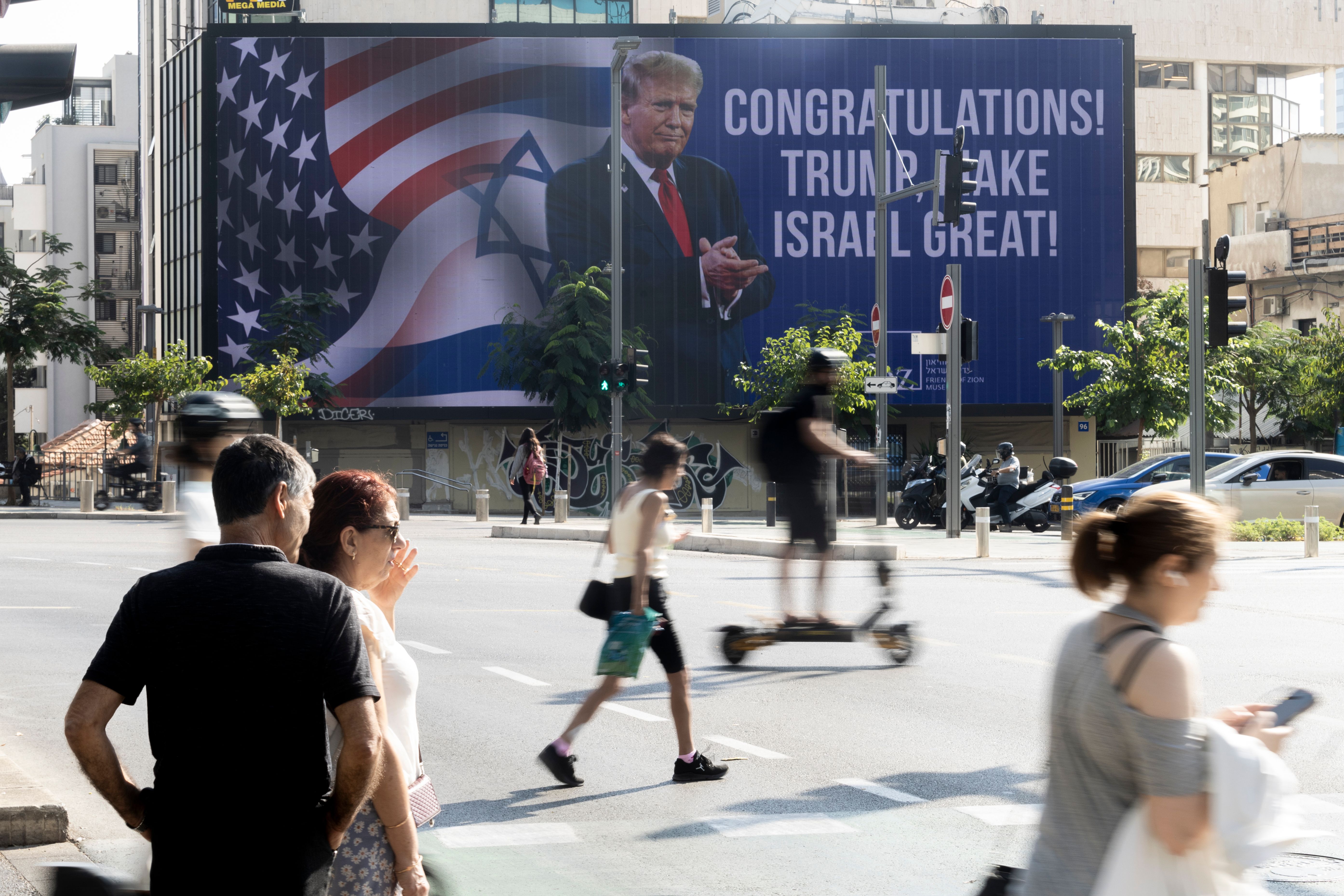
In an interview, Marwan Muasher looks back on U.S. policy toward the ongoing crisis, and sees even worse ahead.
Invalid video URL
Marwan Muasher is vice president for studies at the Carnegie Endowment for International Peace, where he oversees research in Washington and Beirut on the Middle East. Diwan interviewed him just after the U.S. elections to get his perspective on the United States’ approach to the conflicts in the Middle East in the past year, particularly how Washington has been perceived by people in the region in light of its support for Israel both in Gaza and Lebanon. In particular, Muasher fears that the arrival of Donald Trump as president may only make things worse in terms of progress on a peace settlement between the Palestinians and Israelis.
Ghida Tayara
Senior Digital and Web Coordinator
Carnegie does not take institutional positions on public policy issues; the views represented herein are those of the author(s) and do not necessarily reflect the views of Carnegie, its staff, or its trustees.

Middle Eastern states should welcome an accelerated U.S. disengagement from their region.

Michael Young

In an interview, former ambassador Charles Freeman assesses the Trump administration’s war against Iran.
Michael Young
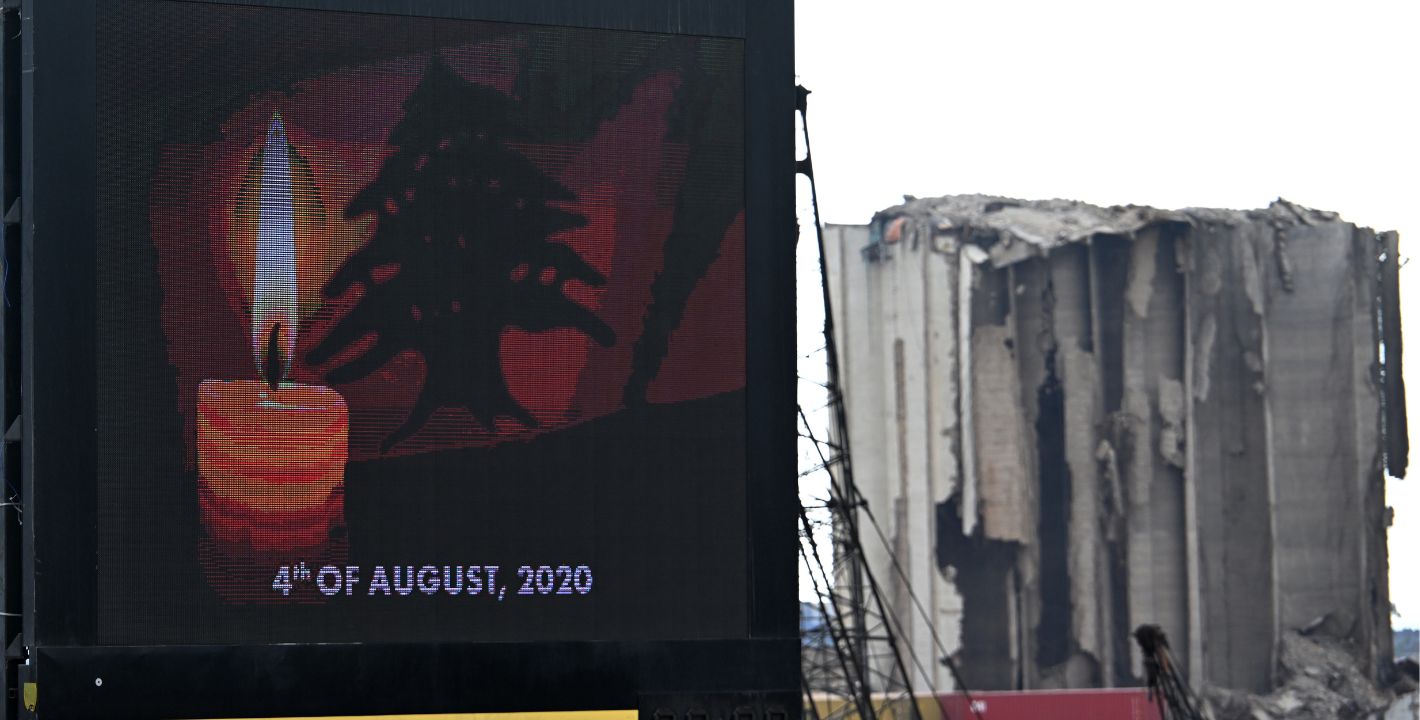
Lying at the heart of Lebanon’s dysfunction is an inability to secure accountability and institutional legitimacy.

Maha Yahya
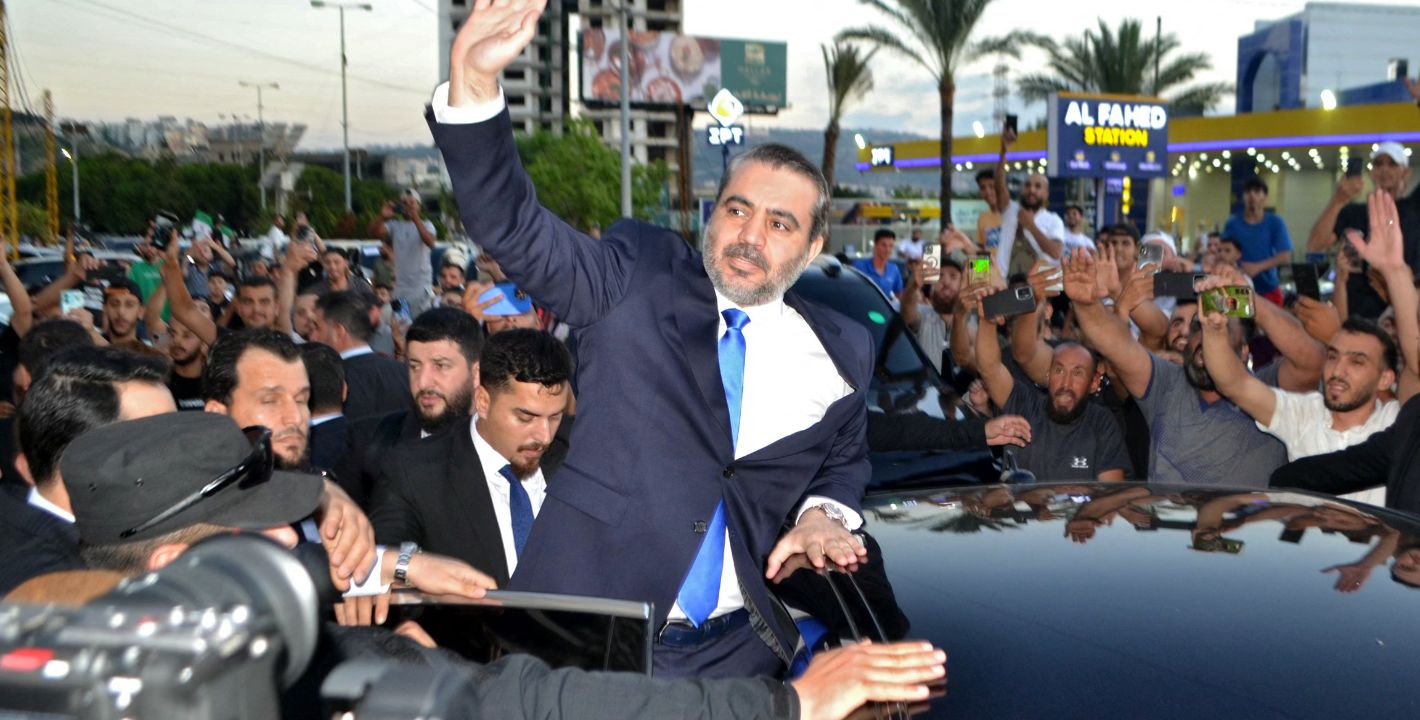
In an interview, Sohaib Jawhar analyzes the profound changes in the ties between the neighboring countries.
Michael Young

By failing to address Palestinian representation, the current process is bound to lead to just another temporary arrangement.

Nathan J. Brown