

Commentary
Michael Young
{
  "authors": [
    "Michael Young"
  ],
  "type": "commentary",
  "blog": "Diwan",
  "centerAffiliationAll": "",
  "centers": [
    "Carnegie Endowment for International Peace",
    "Malcolm H. Kerr Carnegie Middle East Center"
  ],
  "collections": [
    "Decoding Lebanon"
  ],
  "englishNewsletterAll": "",
  "nonEnglishNewsletterAll": "",
  "primaryCenter": "Malcolm H. Kerr Carnegie Middle East Center",
  "programAffiliation": "",
  "programs": [],
  "projects": [],
  "regions": [
    "Lebanon"
  ],
  "topics": []
}
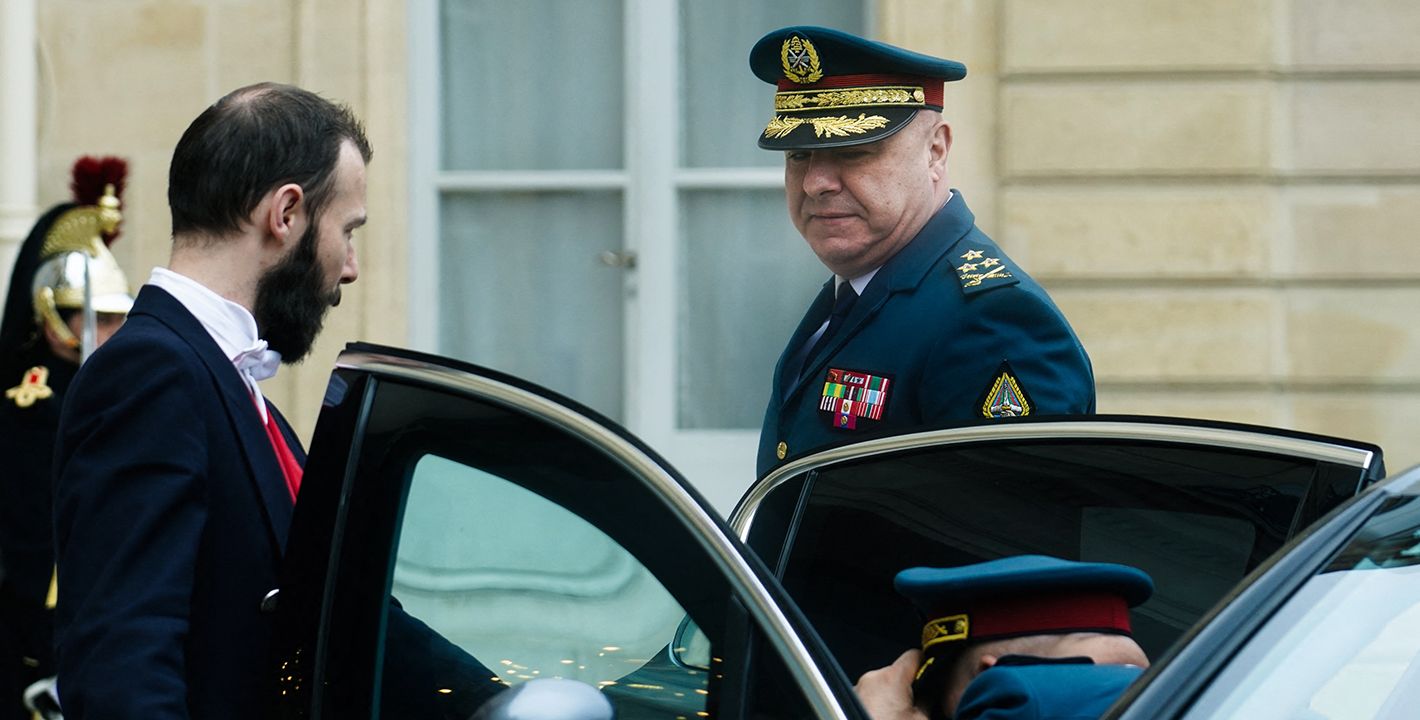
Source: Getty
As the country prepares for a presidential election, its margin of maneuver is very narrow.
The big question today in Lebanon is who will win the presidential election on January 9. There is no doubt that the main contender, who is apparently supported by the five-nation group of states that has been meeting over Lebanon for almost two years—the United States, France, Saudi Arabia, Qatar, and Egypt—is the army commander Joseph Aoun. The group’s expressions of support were transmitted to the Lebanese by Saudi envoy Yezid bin Farhan last week, and by the U.S. presidential envoy Amos Hochstein this week.
The complications in electing Aoun are many, but they are far less than asking the bickering blocs in parliament to arrive at a consensus over an alternative candidate, particularly if this means alienating the Americans and Saudis. So, until further notice, the armed forces commander remains the favorite, and at this stage all the activity we are seeing related to the election is maneuvering by Lebanon’s political forces to see what they can extract from a deal over Aoun. Nonetheless, there remain other possibilities and Aoun is not necessarily the only candidate with a chance of being elected. Yet there are realities to be considered in assessing the electoral outcome, and they cannot be ignored whoever ultimately wins.
The first is that many countries, above all the United States, view the presidential election as a continuation of the implementation of Security Council Resolution 1701 and the consolidation of a post-Hezbollah Lebanese political order. Hezbollah’s defeat in the recent conflict with Israel has left a vacuum, and it appears the Americans and all other members of the five-nation group believe that only the Lebanese army can, and should, fill this vacuum. Moreover, Aoun, who has been a highly credible commander, is past retirement age, therefore if he is to be kept in play politically, some mechanism must be found to allow for this.
The five-nation group appears to have concluded that the presidency is that mechanism. Aoun would be able to exercise continued influence over the armed forces and the networks he controls to ensure that the military implements Resolution 1701. Almost as important, as president he would play a key role in appointing a successor as armed forces commander, ensuring continuity in the army’s capacity to fill the security void left by Hezbollah.
Implementation of Resolution 1701 is a necessity for Lebanon as well. The so-called ceasefire agreement of last November (in reality a surrender agreement) gives Israel the latitude to intervene militarily inside Lebanon against Hezbollah for any violations of the accord. The United States recognized this in a side letter to Israel, and under a Trump administration the Israelis can be expected to interpret it even more loosely than today. The deadline for an Israeli withdrawal from southern Lebanon comes after January 20, when Donald Trump takes office, so if the Israelis find excuses to continue to occupy Lebanese territory after that date, they certainly will find a sympathetic ear in Washington.
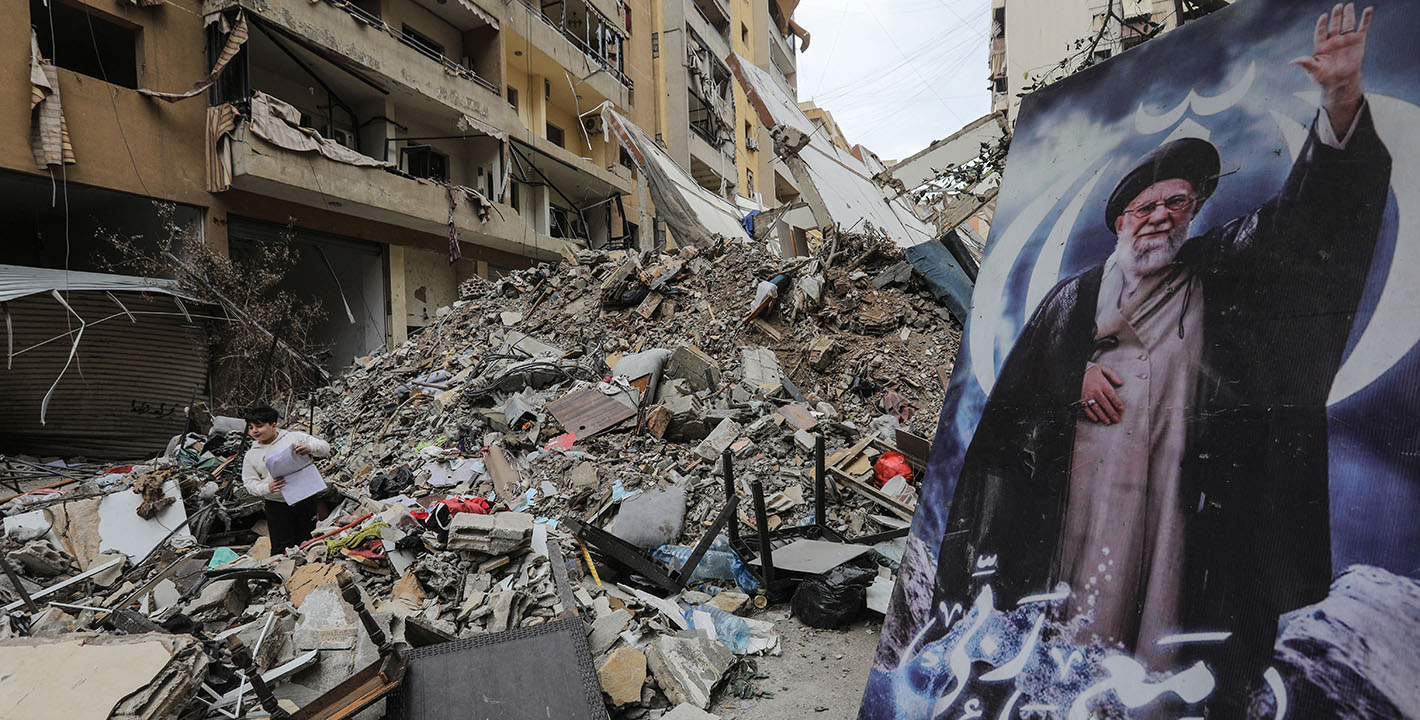
One would assume that all this makes Hezbollah especially hostile to Joseph Aoun, therefore unwilling to improve his electoral fortunes. No doubt the party worries about the commander, but its options are limited. That’s because there is a second reality in the election, one which Hezbollah cannot ignore: the need to ensure renewed Gulf interest in Lebanon, since without it, it is entirely unclear who will foot the bill, or just part of the bill, for the reconstruction of Shiite towns, villages, and neighborhoods destroyed in the recent conflict with Israel.
There are no signs that Iran, with its economy in crisis, has the means to pay the billions of dollars needed to rebuild what was devastated, a move that would be widely unpopular at home. Having lost Syria, the Iranians will probably have to reexamine their regional strategy, so that redirecting large sums of money to Lebanon that could better be used domestically makes little sense. The Iranians have provided some funding to allow people to rent apartments for the coming year. Yet this should be worrisome to party supporters, as it may have revealed the limitations of what Tehran is willing to provide.
Therefore, Hezbollah is not in a position to alienate the Saudis. It seems improbable that the Qataris, who played such a central role in funding reconstruction after the 2006 war, will break ranks with the other members of the five-nation group, Saudi Arabia especially, and finance reconstruction of Shiite areas on its own. This puts Hezbollah in a bind, since the party knows that unless it can compensate its supporters for what they have lost, it will see an erosion in its hold over the Shiite community. Moreover, with Syria now emerging as a priority for Gulf assistance, Lebanon will anyway struggle to secure Gulf financing. If Joseph Aoun is the necessary passageway allowing for this, Hezbollah may regard him as a lesser evil.
There is also something else, and it involves Hezbollah and the Shiite community in general. As Lebanon’s Sunni community feels a sense of revival thanks to the downfall of the Assad regime in Syria, it will be important for Hezbollah to have backing from the state, and the armed forces in particular, to control the potential repercussions. The party may have sought to marginalize the army over the decades, but as its community hits up against examples of Sunni reaffirmation, particularly by Islamist groups, it will need the backing of an assertive military to avoid domestic discord and avert sectarian conflict. An Aoun presidency could be a guarantee for such assertiveness by the armed forces.
A third reality is that, more broadly, the international community is utterly fed up with the Lebanese political class and its stalemated politics. A new president may not be able to work miracles, but with the army on his side, Aoun would at least have more leverage than a weak compromise candidate preferred by the sectarian leadership. There are issues on which members of the five-nation group would like to see progress, from financial and economic reform, to curbing Captagon trafficking, to bolstering the state’s authority along Lebanon’s borders with Syria and Israel. It’s understandable that the sectarian leaders do not relish any challenges to their status quo, but from the perspective of foreign countries, a potentially credible interlocutor in Beirut who offers an opening to change things is preferable to more of the same. Many Lebanese, who have seen their leaders do absolutely nothing to address the financial collapse of 2019–2020, would share such an outlook.
These realities will remain in place, whatever Hezbollah and the sectarian leaders prefer, and whatever their political agendas are. Lebanon has succumbed to a debilitating form of trusteeship in recent years. For a long time this was not too visible, other than the five-nation group that played more of a counseling role on the presidency. However, with Hezbollah’s defeat and the vast changes in the Levant, a new reality has imposed itself on the country. Regional and international actors intend to bend Lebanon to their new vision for the region. So, while local actors might momentarily hinder this, it’s highly improbable they can stop it.
This situation suggests that regional and international actors will eventually get what they want in Lebanon. But let’s assume for a second that Joseph Aoun is not elected and that the local politicians impose themselves against a regional and international coalition that has a clear idea of what it wants for the country. In that case, the cost of success may be a high one—whether in terms of more aggressive Israeli behavior, the absence of financial assistance, or even contentious sectarian relations. Not one of Lebanon’s politicians can disregard this, as much as they want to.

Editor, Diwan, Senior Editor, Malcolm H. Kerr Carnegie Middle East Center
Michael Young is the editor of Diwan and a senior editor at the Malcolm H. Kerr Carnegie Middle East Center.
Recent Work
Michael Young
Michael Young
Carnegie does not take institutional positions on public policy issues; the views represented herein are those of the author(s) and do not necessarily reflect the views of Carnegie, its staff, or its trustees.
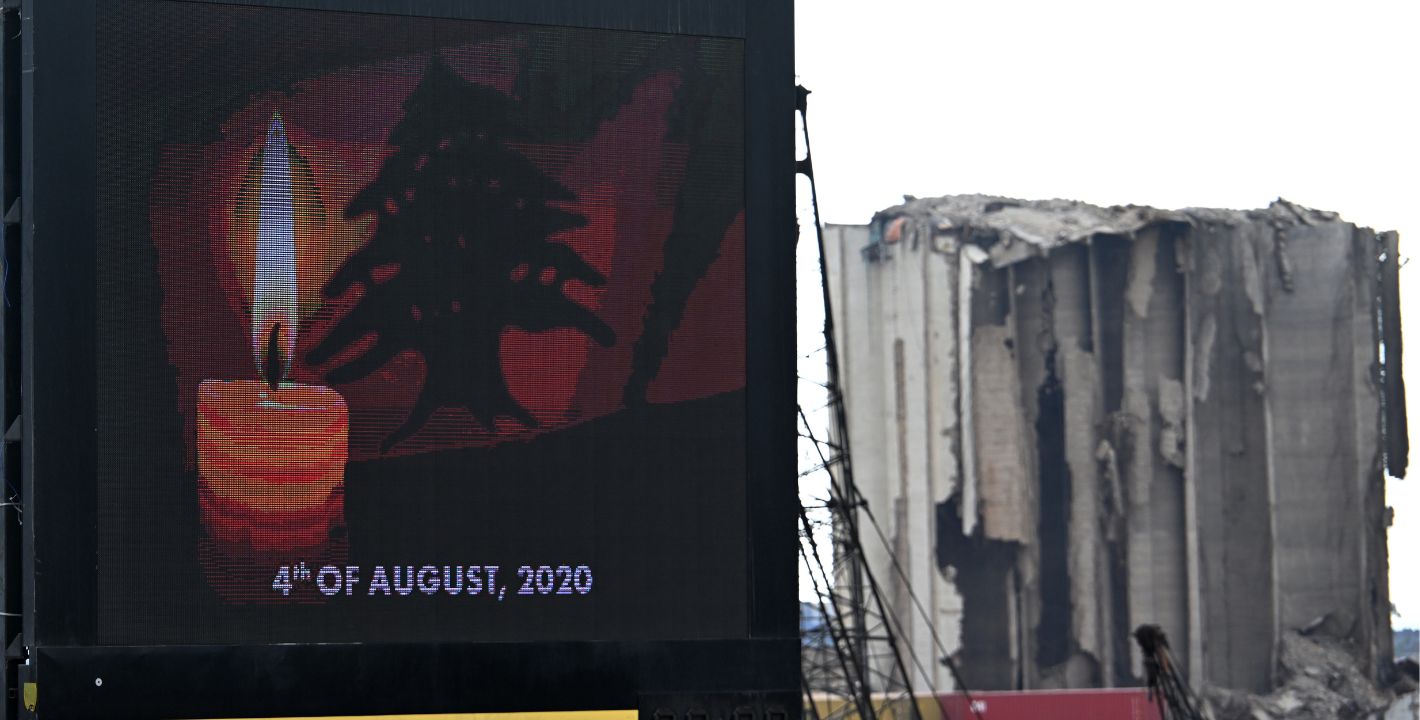
Lying at the heart of Lebanon’s dysfunction is an inability to secure accountability and institutional legitimacy.

Maha Yahya
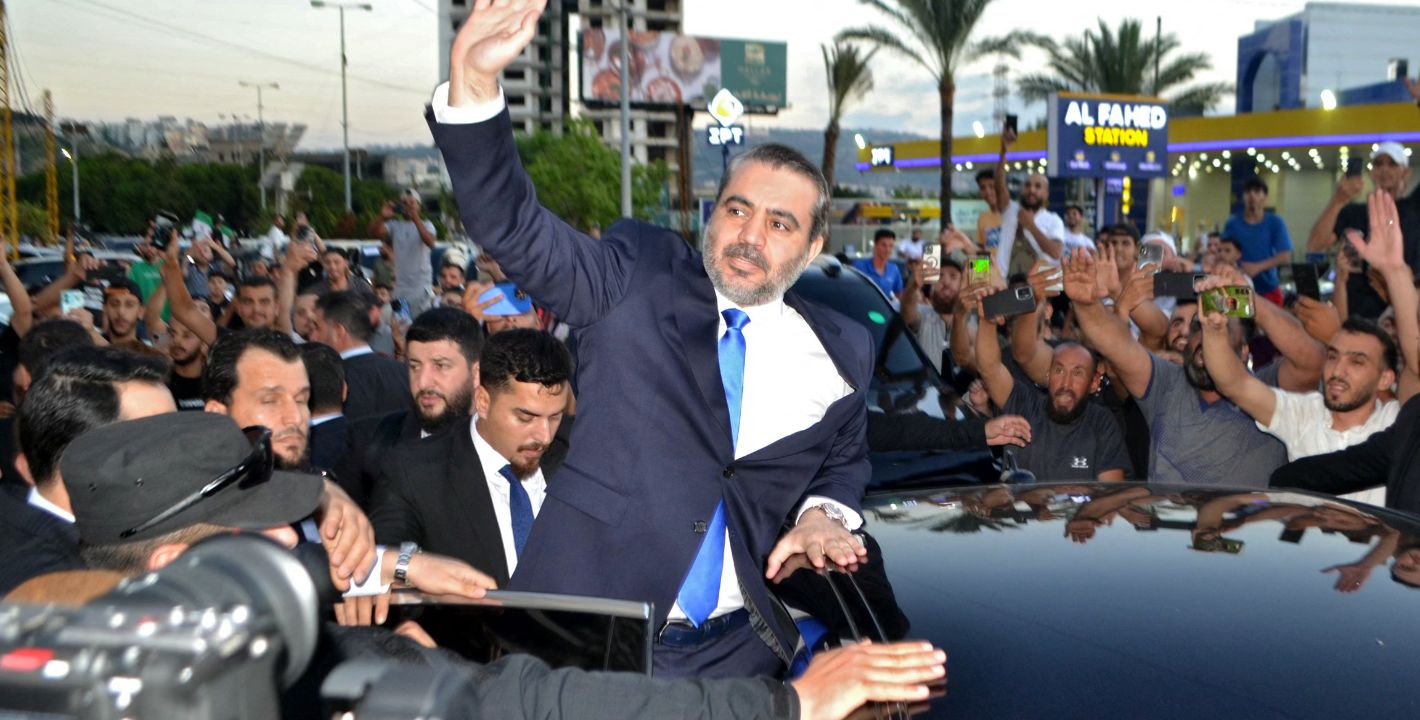
In an interview, Sohaib Jawhar analyzes the profound changes in the ties between the neighboring countries.
Michael Young
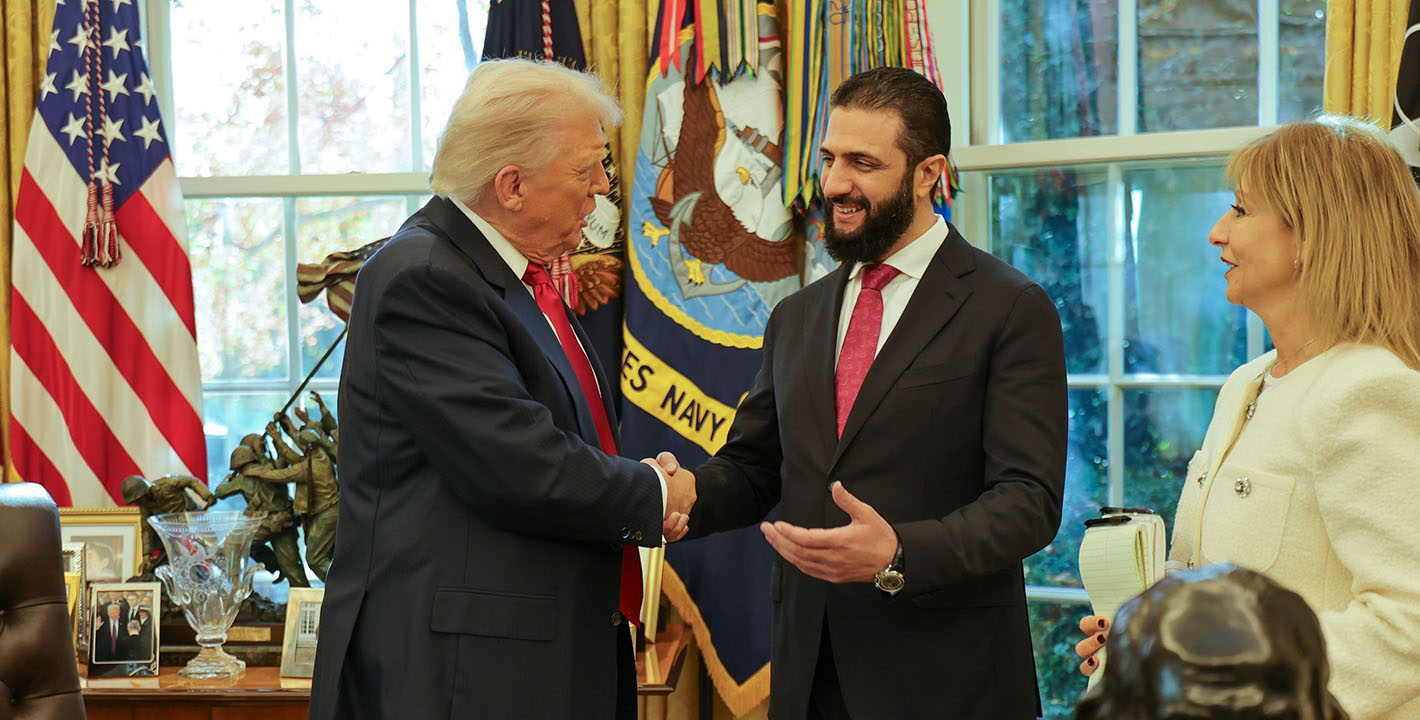
Any move by the United States to make good on Trump’s suggestion that Washington persuade Damascus to confront Hezbollah militarily would have catastrophic consequences.

Kheder Khaddour
As talks begin between Washington and Tehran, Beirut has an opening to advance a regional plan for the party’s disarmament.
Michael Young
In an interview, Elizabeth Thompson recalls how the country formulated a liberal constitution in 1920, before being denied by France and Britain.
Michael Young