

Report
- +2
George Perkovich, Jessica Tuchman Mathews, Joseph Cirincione, …
{
  "authors": [
    "Joseph Cirincione"
  ],
  "type": "legacyinthemedia",
  "centerAffiliationAll": "dc",
  "centers": [
    "Carnegie Endowment for International Peace"
  ],
  "collections": [],
  "englishNewsletterAll": "ctw",
  "nonEnglishNewsletterAll": "",
  "primaryCenter": "Carnegie Endowment for International Peace",
  "programAffiliation": "NPP",
  "programs": [
    "Nuclear Policy"
  ],
  "projects": [],
  "regions": [],
  "topics": [
    "Military",
    "Nuclear Policy"
  ]
}
REQUIRED IMAGE
Source: Carnegie
Viewpoint
by Joseph Cirincione
May 18, 1998
Joseph Cirincione is a senior associate at the Carnegie Endowment for International Peace in Washington. He worked for nine years for the House National Security and Government Operations committees, and is an authority on global nuclear issues. He wrote this article exclusively for Aviation Week & Space Technology.
The global non-proliferation regime hit a nuclear iceberg last week. We didn’t see it coming, and the damage is more severe than it may appear from the upper decks. India’s nuclear tests burst a gaping hole in the interlocking network of treaties and agreements the U S has painstakingly constructed during the past 30 years.
India’s resumption of testing marks the fourth serious proliferation crisis since the end of the Cold War. The first was Iraq in 1991, with the discovery after the Persian Gulf War that Baghdad was much closer to developing nuclear weapons than previously realized. The second was the creation of three nuclear states of Ukraine, Kazakhstan and Belarus, spawned by the break-up of the Soviet Union in late 1991. Then came North Korea in 1994 with its diversion of nuclear weapons-grade material from the research reactors, possibly enough for two weapons. In each case, the damage was contained using the diplomatic, legal and economic tools provided by the non-proliferation regime.
The South Asian crisis is potentially the most serious of the crises precisely because the nations involved have remained outside the regime and the U. S. has so little influence in the region. The immediate danger is that Pakistan will test a nuclear device. This may ratchet up the crisis, provoking further Indian steps such as the construction or even deployment of nuclear weapons.
Mutual deployment of nuclear weapons by Pakistan and India would create the most unstable military confrontation of the nuclear age. With an on-going war over Kashmir and no buffer zone between the nations, each would then have weapons on airplanes or missiles capable of striking with as little as 3 min. warning. The chance for accident or miscalculation could rise to near certainty.
Sustained action must be taken now. First, every effort must be made to deter a Pakistani test. The Administration was correct to send its top officials, particularly Gen. Anthony Zinni, to confer with Pakistani authorities. U.S. sanctions against India must be carried out to the fullest extent to underscore that if Pakistan tests, it will be the most expensive ones Islamabad has ever conducted.
Second, the Administration must also try to lure India back from the brink. U.S. officials should pin down India’s vague references to signing elements of the Comprehensive Test Ban Treaty (CTBT). If India will agree now to stop further tests and sign the treaty (with Pakistan to follow), the crisis could be turned into a net plus.
Third, for this very reason, the Senate should accelerate its ratification of the pact, to set an example to the rest of the world and South Asia in particular. The President should be making this case personally and forcefully to the Senate and the nation. The situation demands presidential leadership and vision. If the Senate refuses to ratify the CTBT, or if China drops out of it, the Nuclear Non-Proliferation Treaty (NPT) could begin to unravel.
Fourth, the President should make crystal clear that India is under a grand illusion if it believes that nuclear weapons will confer great power status upon it. No nation should be allowed to shoot its way onto the U. N. Security Council. The President and other world leaders should state that any additional permanent members of the Security Council would have to be a party to the NPT (as 185 nations are), and participants in good standing in the global non-proliferation regime.
Fifth, the Administration should start putting its resources where its threat assessments are. The intelligence agencies, the Joint Chiefs and the secretaries of State, Defense and Energy all cite the proliferation of weapons of mass destruction as the most serious threat to our national security. We need to allocate the financial and human resources necessary to detect the threats, negotiate solutions, pay for the security and disposal of the threatening materials, and more quickly reduce our stockpiles. This can be done by reallocating resources from Cold War hangovers to new programs for the new threats. One quick fix would be to reprogram the $143 million of now-canceled aid to India to pay for oil for North Korea. This would fulfill America’s part of an agreement that calls for exchanges of oil for plutonium. That is a great deal no matter how you look at it, but one that is hung up now by congressional cut-backs.

Former Senior Associate, Director for NonProliferation
Recent Work


George Perkovich, Jessica Tuchman Mathews, Joseph Cirincione, …
Joseph Cirincione
Carnegie does not take institutional positions on public policy issues; the views represented herein are those of the author(s) and do not necessarily reflect the views of Carnegie, its staff, or its trustees.

The armed forces champion a form of capitalism that is generating revenue, but its reliance on rent faces diminishing returns, leaving the country with massive sunk costs and deferred returns, deepening dependency on external borrowing.

Yezid Sayigh
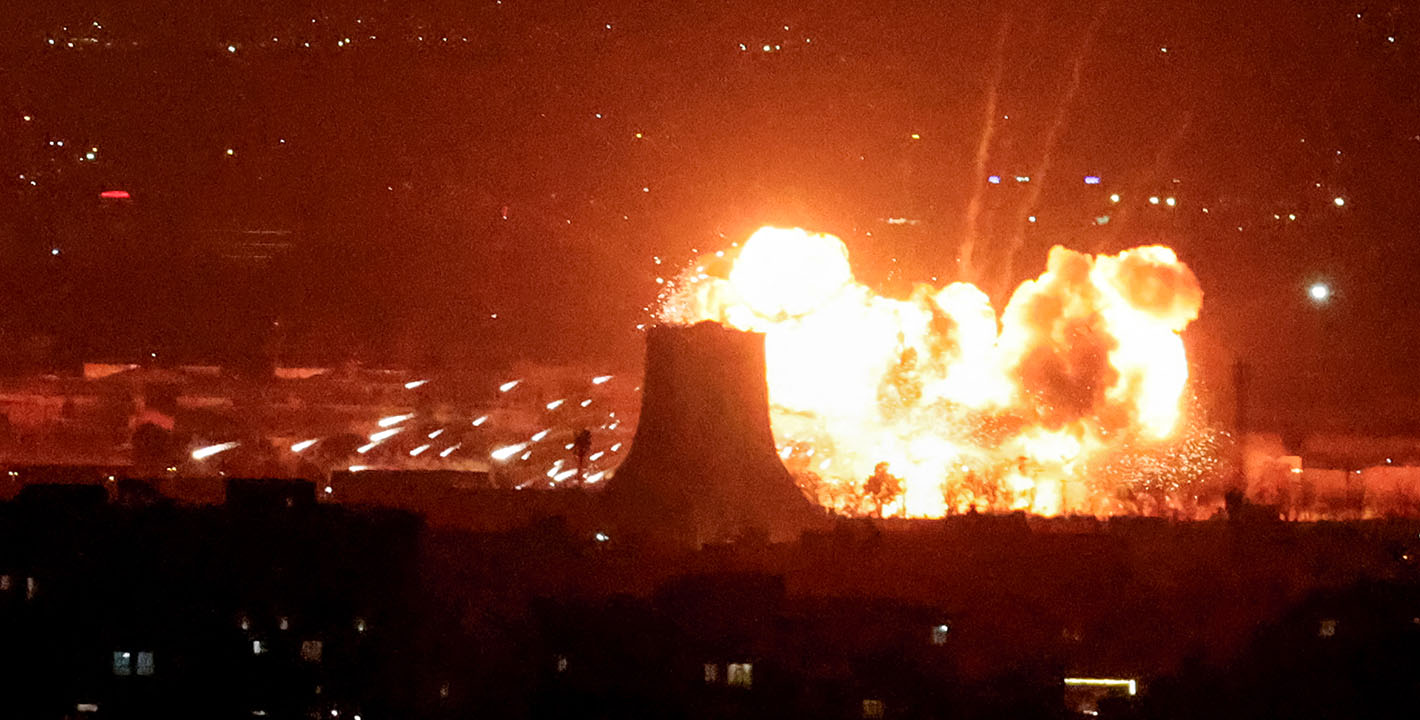
In an interview, Marc Lynch discusses his new book decrying the post-1990 U.S.-dominated order in the Middle East.

Michael Young
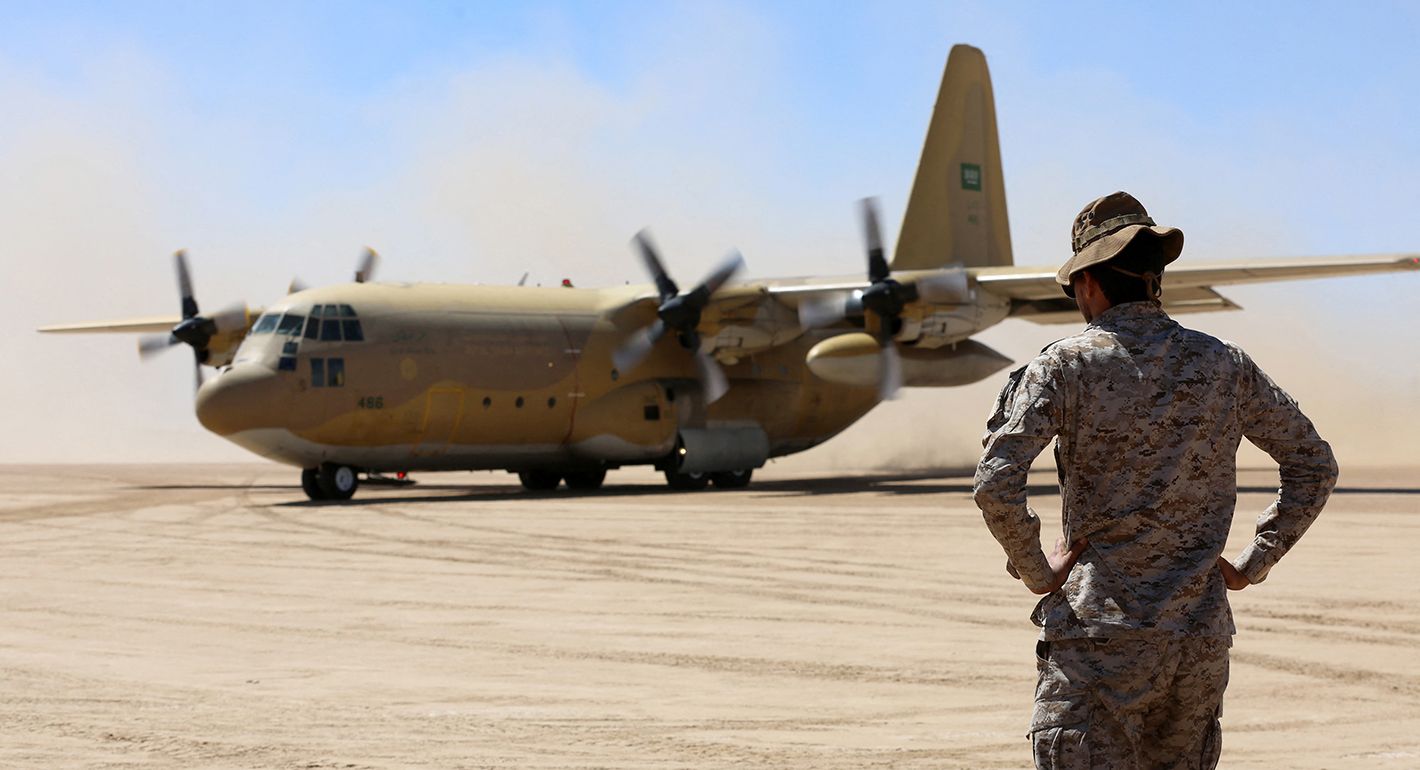
Gulf states such as Saudi Arabia and the UAE have determined that their national security goes beyond their physical borders. It is just as important to shield their airspace, territorial waters, and even maritime trade routes.
Abdullah Baabood
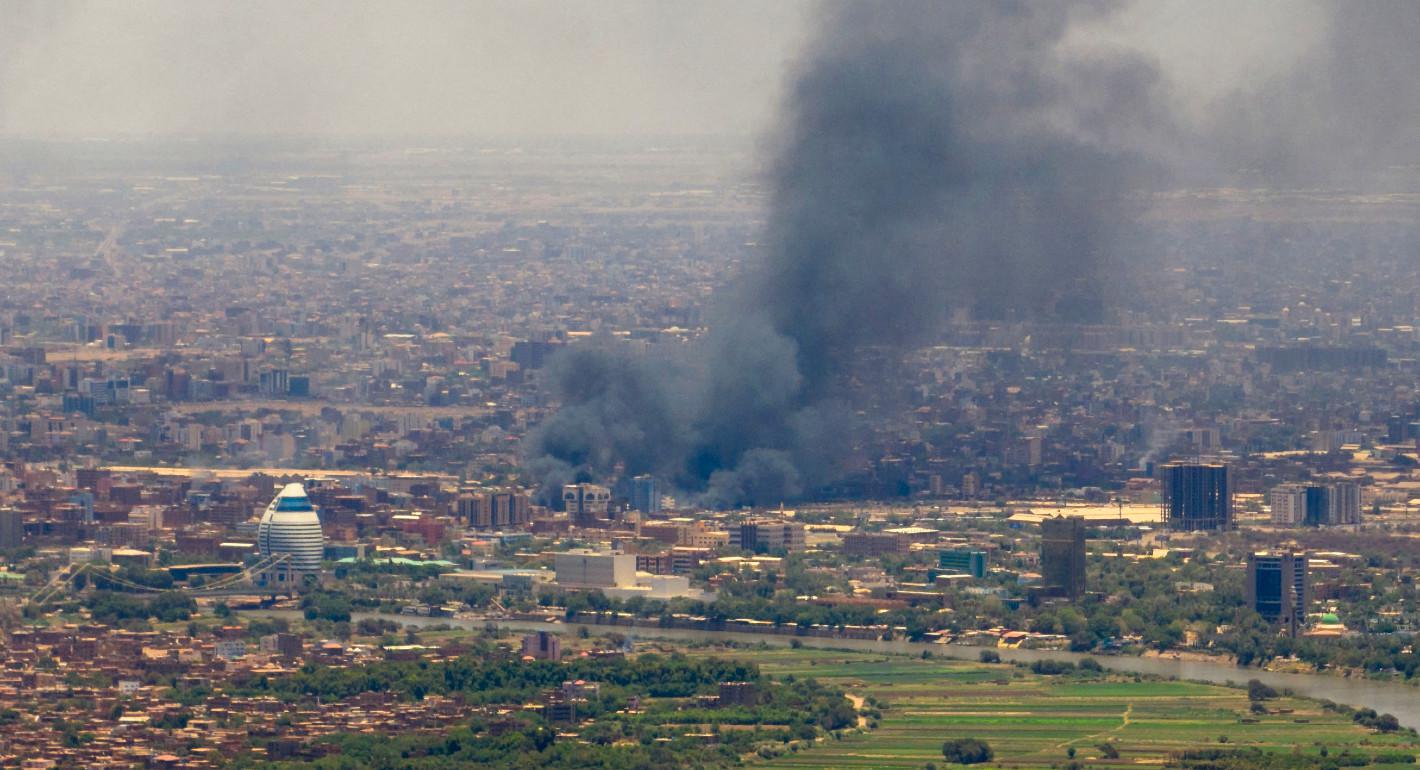
After the latest outbreak of violence, the country’s transition to democracy appears to be a pipedream.

Amr Hamzawy
The landmark agreement is far from a peace deal, but both countries now have vested economic interests in maintaining calm along their common border regions.

Maha Yahya