

Report
Mr. Shlomo Avineri
{
  "authors": [
    "Shlomo Avineri"
  ],
  "type": "other",
  "centerAffiliationAll": "",
  "centers": [
    "Carnegie Endowment for International Peace"
  ],
  "collections": [],
  "englishNewsletterAll": "",
  "nonEnglishNewsletterAll": "",
  "primaryCenter": "Carnegie Endowment for International Peace",
  "programAffiliation": "",
  "programs": [],
  "projects": [],
  "regions": [
    "Caucasus",
    "Russia"
  ],
  "topics": []
}
REQUIRED IMAGE
Source: Carnegie
Audio
Summary
In the post-September 11 context, Israelis hope that the United States-now a victim of massive domestic terrorism-will have more sympathy for them. On the other side, Palestinians hope that the United States will revive peace talks, and thus solidify Arab support for the war on terrorism.
Despite these high expectations, the United States should proceed cautiously, considering the history of its peace-making initiatives. It has effectively assisted contending parties that have already reached a basic agreement (as at Camp David in 1978 or after the 1993 Oslo accords) and intervened to stave off full-scale crises and encourage stabilizing steps (as during the 1973 Yom Kippur War). But most other U.S. efforts have failed because the countries in conflict have lacked the political will. To prepare both sides for negotiations, U.S. policy should shift from conflict resolution to conflict management. Possible steps include demanding that Palestinians educate their people for peace, encouraging Saudi Arabia to organize an Arab solidarity fund for Palestine, and supporting Israel's unilateral disengagement to ease current tensions.
Click on link above for the full text of this Policy Brief.
Former Visiting Scholar
Recent Work
Mr. Shlomo Avineri
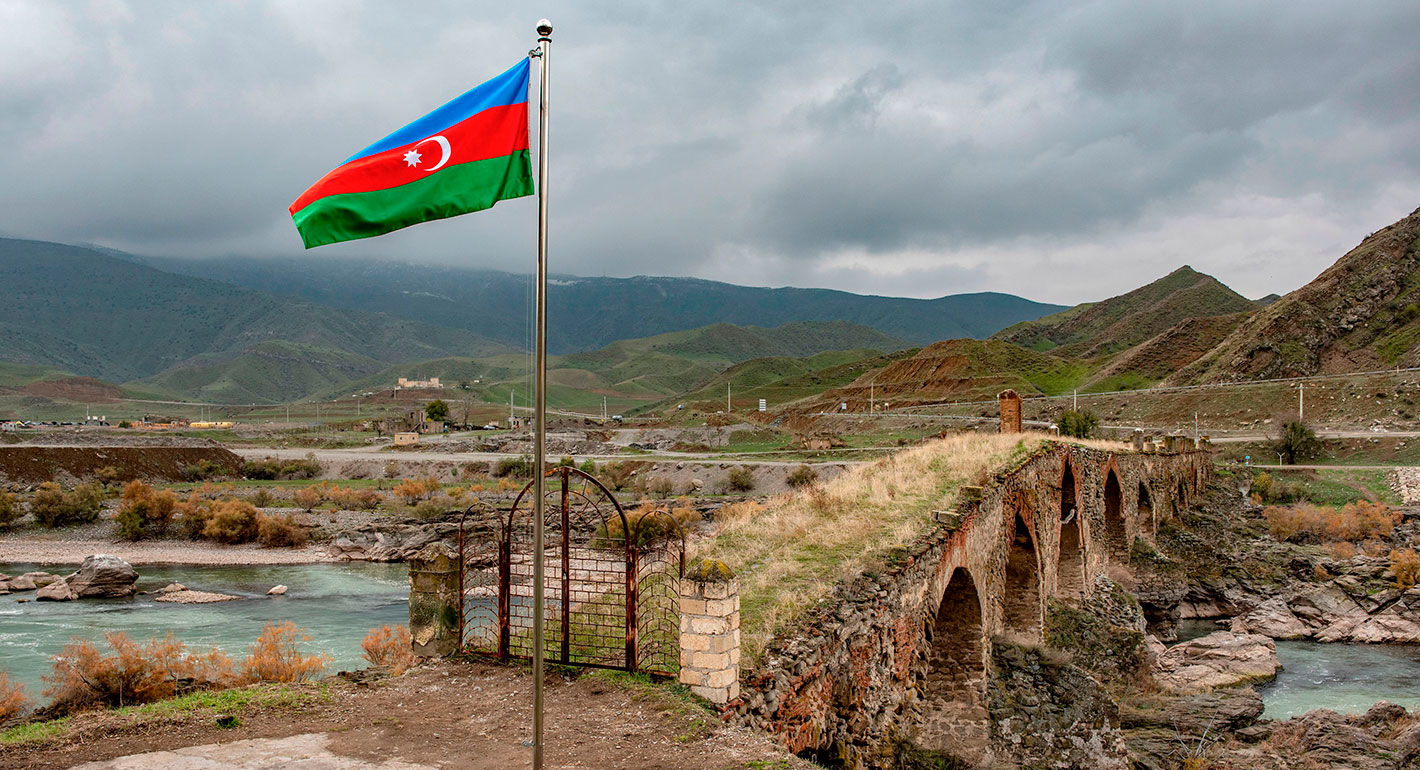
In an interview, Sergei Melkonian discusses Armenia’s and Azerbaijan’s careful balancing act among the United States, Israel, and Iran.

Armenak Tokmajyan
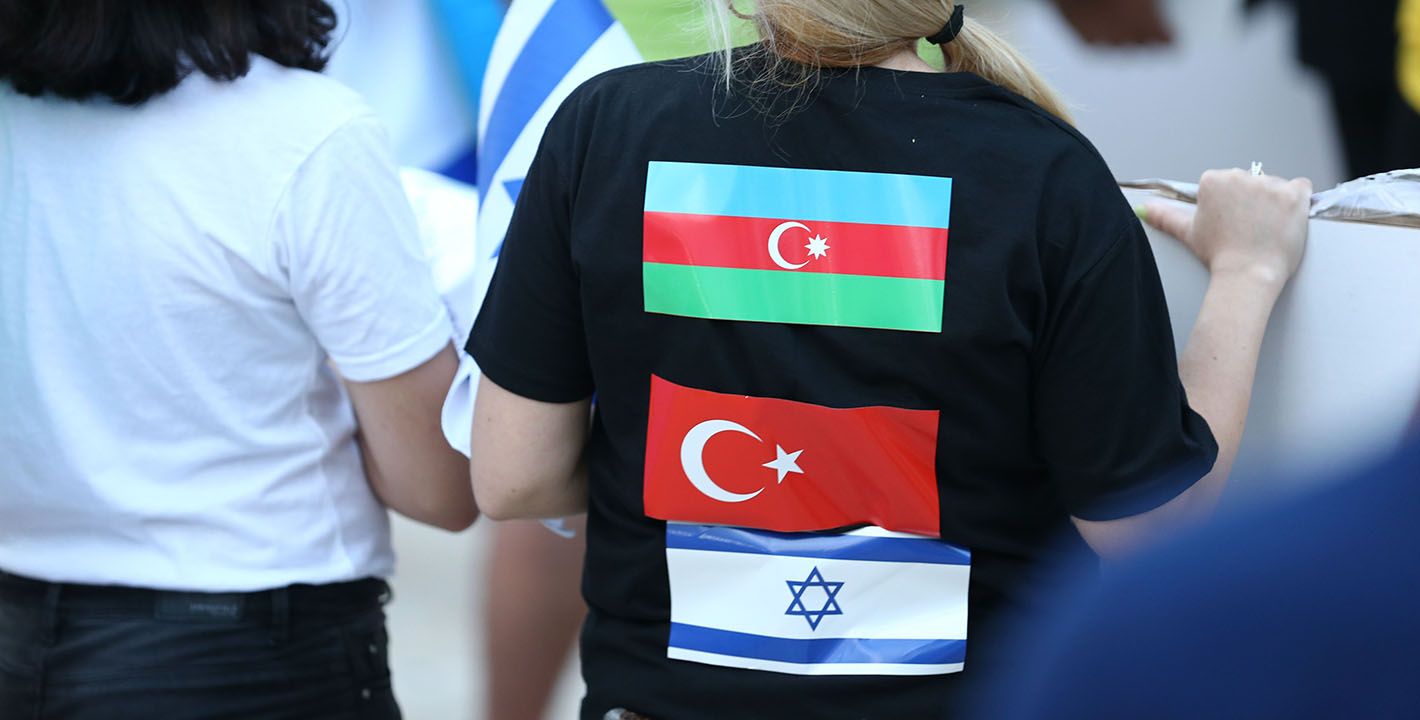
The country’s leadership is increasingly uneasy about multiple challenges from the Levant to the South Caucasus.
Armenak Tokmajyan
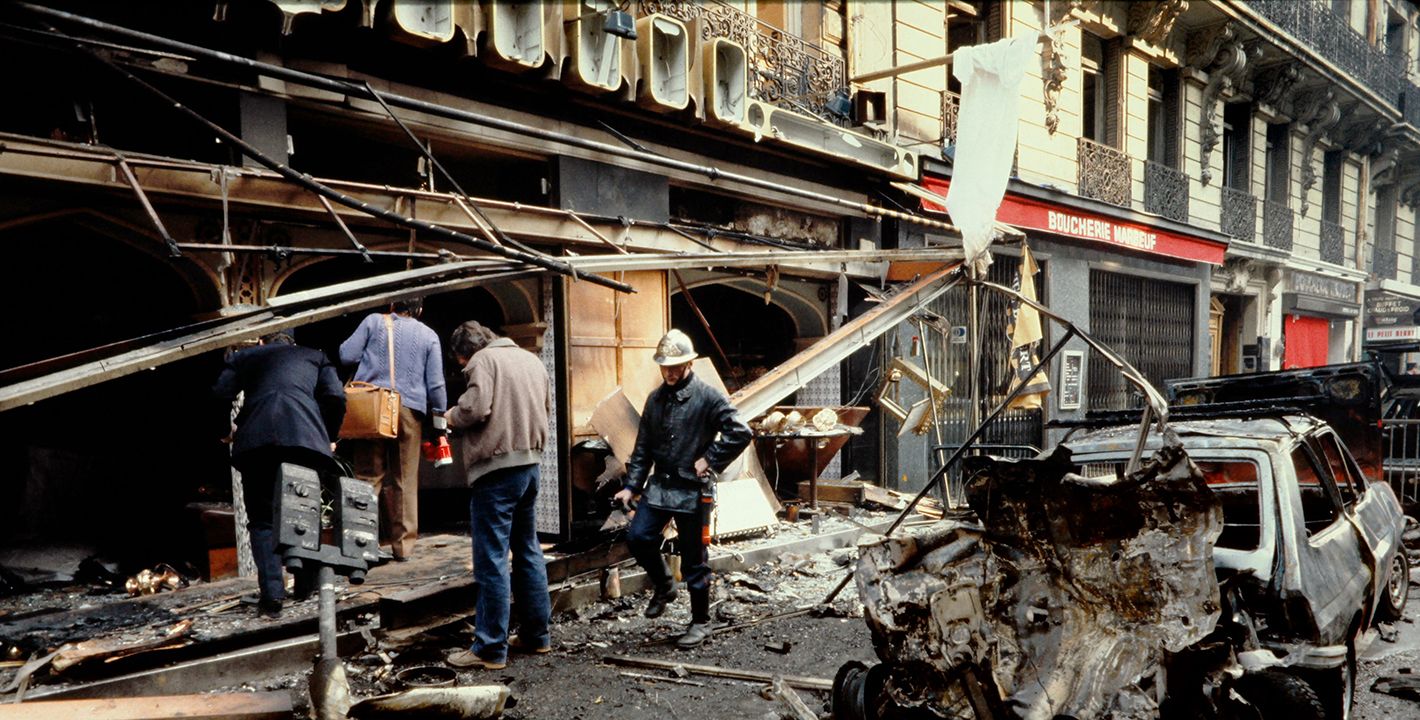
In an interview, Daniela Richterova speaks about her book on Czechoslovakia’s Cold War ties to Palestinian groups and others.

Michael Young
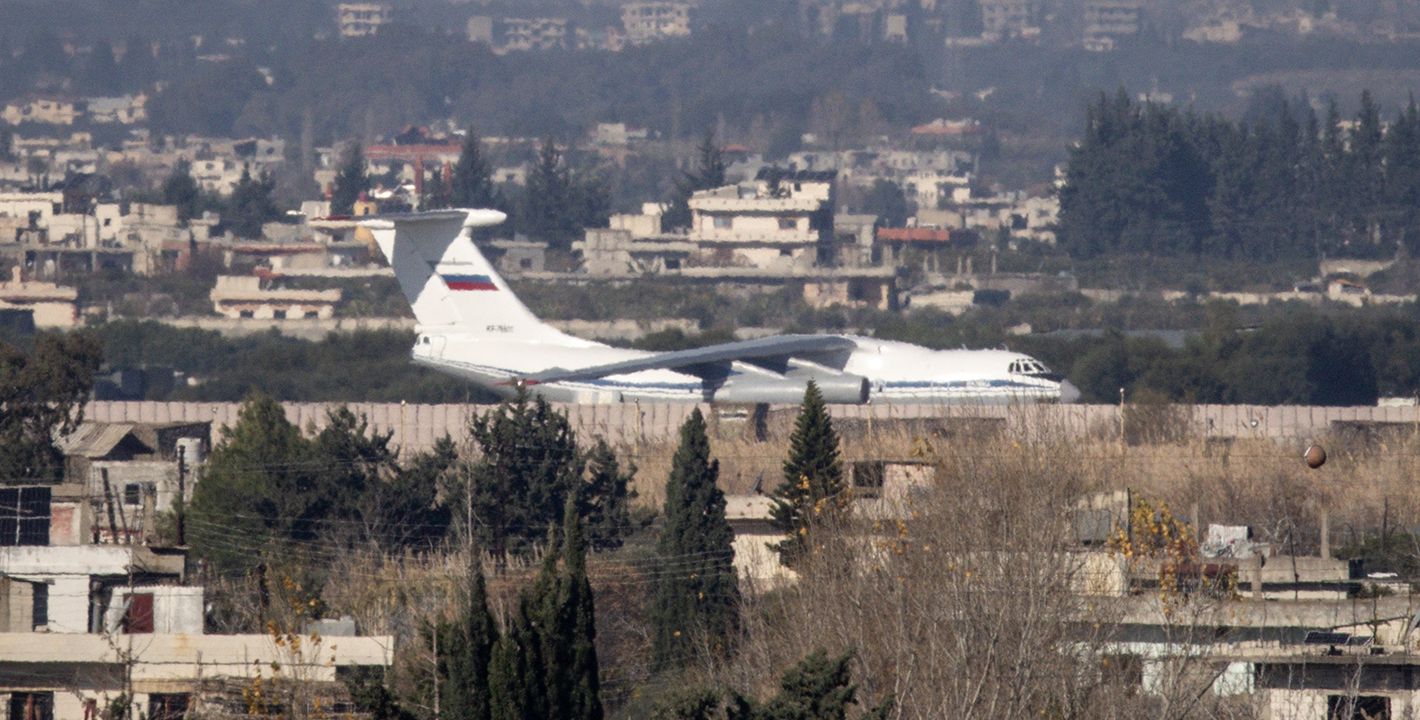
The downfall of the Assad regime represented a setback, but Russia’s primary focus remains Ukraine.
Sergei Melkonian
Why did Bashar al-Assad’s armed forces fail to act, unlike those in Egypt, Libya, Algeria, and Sudan?

Yezid Sayigh