

In The Media
Martha Brill Olcott
{
  "authors": [
    "Martha Brill Olcott"
  ],
  "type": "other",
  "centerAffiliationAll": "dc",
  "centers": [
    "Carnegie Endowment for International Peace"
  ],
  "collections": [],
  "englishNewsletterAll": "ctw",
  "nonEnglishNewsletterAll": "",
  "primaryCenter": "Carnegie Endowment for International Peace",
  "programAffiliation": "russia",
  "programs": [
    "Russia and Eurasia"
  ],
  "projects": [],
  "regions": [
    "Afghanistan",
    "Central Asia",
    "Kazakhstan"
  ],
  "topics": [
    "Political Reform",
    "Trade",
    "Security"
  ]
}
REQUIRED IMAGE
Unless the international community pursues a regional strategy for rebuilding Afghanistan, the security of the Central Asian states and Pakistan will be so compromised that new terrorist groups with global reach soon will be using Eurasia as their launching pad again.
Unless the international community pursues a regional strategy for rebuilding Afghanistan, the security of the Central Asian states and Pakistan will be so compromised that new terrorist groups with global reach soon will be using Eurasia as their launching pad again.
Arms, drugs, and seditious ideas from Afghanistan have severely undermined the region. To achieve stability, the antiterrorist coalition must disarm Afghan factions, impose an arms embargo, and destroy the country's poppy crop and its opium and heroin factories. Otherwise, militant Islamic groups across the region will use Afghanistan's drugs to finance their operations and its weapons to fight their wars.
Economic recovery is the essential antidote to radicalism. Macroeconomic reform in Uzbekistan is the key. Its instability would rock its neighbors, while success could spark the creation of free markets across the entire region.
Click on the link above for full text of this Policy Brief.
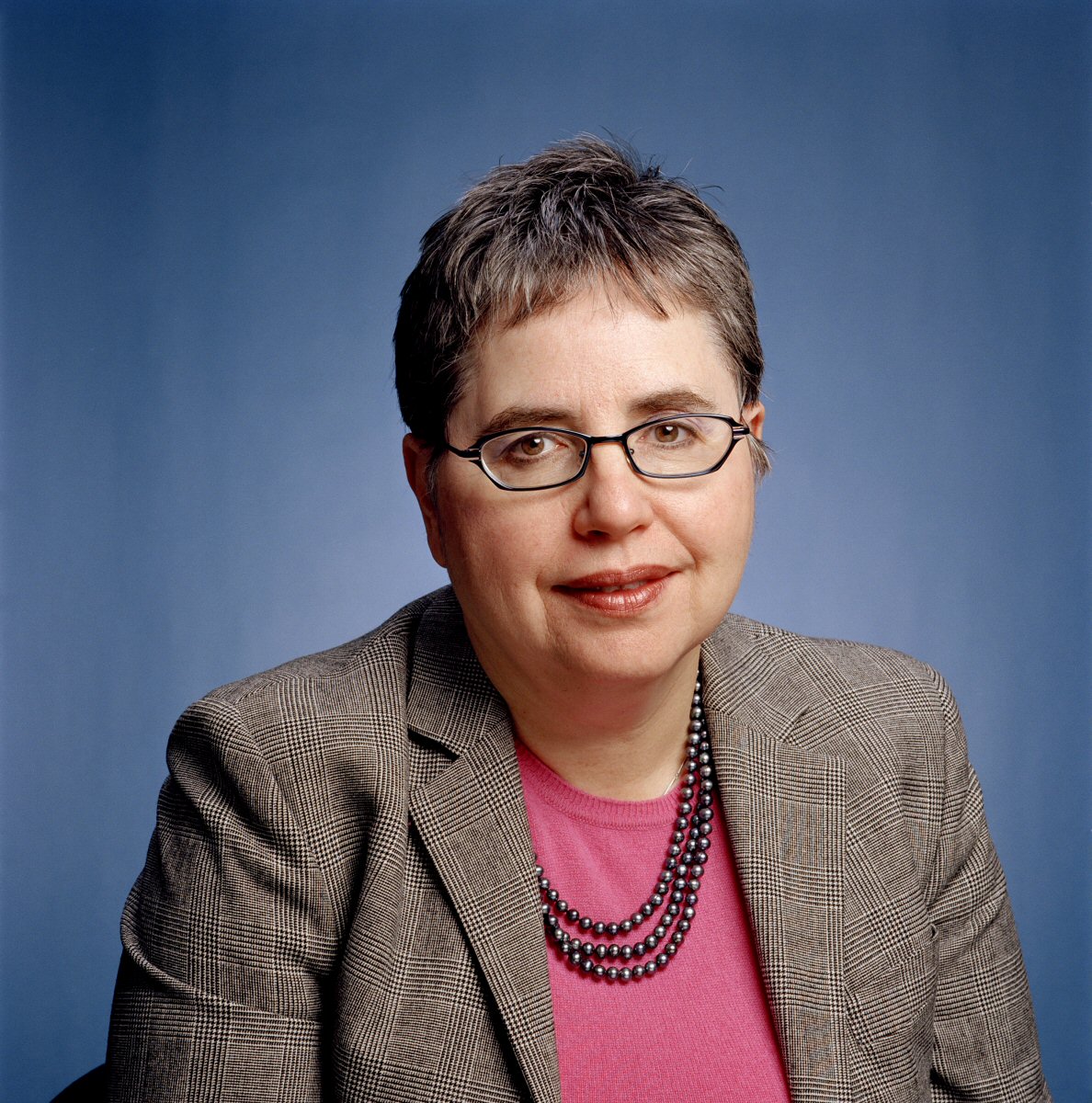
Former Senior Associate, Russia and Eurasia Program and, Co-director, al-Farabi Carnegie Program on Central Asia
Olcott is professor emerita at Colgate University, having taught political science there from 1974 to 2002. Prior to her work at the endowment, Olcott served as a special consultant to former secretary of state Lawrence Eagleburger.
Recent Work
Martha Brill Olcott
Martha Brill Olcott
Carnegie does not take institutional positions on public policy issues; the views represented herein are those of the author(s) and do not necessarily reflect the views of Carnegie, its staff, or its trustees.

Morocco and Algeria, each in its own way, are having to navigate the global economic fallout of the U.S.-Israeli military campaign against Iran.

Yasmine Zarhloule

Just look at Iraq in 1991.

Marwan Muasher

Baku may allow radical nationalists to publicly discuss “reunification” with Azeri Iranians, but the president and key officials prefer not to comment publicly on the protests in Iran.

Bashir Kitachaev
In addressing Hezbollah’s disarmament, the Lebanese state must start by increasing its own leverage.

Michael Young
The country’s political and military establishment is still debating how to interpret the recent war’s outcome.

Nicole Grajewski