

Report
- +1
Dr. Demetrios Papademetriou, Mr. John Audley, Ms. Sandra Polaski, …
{
  "authors": [
    "John Audley"
  ],
  "type": "other",
  "centerAffiliationAll": "",
  "centers": [
    "Carnegie Endowment for International Peace"
  ],
  "collections": [],
  "englishNewsletterAll": "",
  "nonEnglishNewsletterAll": "",
  "primaryCenter": "Carnegie Endowment for International Peace",
  "programAffiliation": "",
  "programs": [],
  "projects": [],
  "regions": [
    "North America",
    "South America"
  ],
  "topics": [
    "Economy",
    "Trade",
    "Climate Change"
  ]
}
REQUIRED IMAGE
The Trade Act of 2002 integrates environmental policy priorities into U.S. trade negotiations. Resulting tensions between trade and environment requires greater involvement by Congress. Of particular short-term importance to Congress should be how bilateral negotiations with Chile and Singapore are concluded and regional negotiations with Central America begun.
Source: Carnegie
The Trade Act of 2002 integrates environmental policy priorities into U.S. trade negotiations. The manner in which resulting tensions between trade and environment are resolved requires greater involvement by Congress. Of particular short-term importance to Congress should be how bilateral negotiations with Chile and Singapore are concluded and regional negotiations with Central America begun.
Congress should also use its oversight power to develop clearer instructions regarding a host of environmental policy issues, including investment and services negotiations, environmental reviews of trade agreements, and clarification of U.S. foreign assistance regarding technical assistance and capacity building for our trading partners. In short, TPA presents Congress with the leverage its needs to oversee trade negotiations, an opportunity to work with the administration and win back public support for U.S. trade policy that respects worker rights and protection of the environment.
Click on link above for full text of this TED Policy Brief in English and Spanish.
About the Author
John Audley is the director of the Endowment's Trade, Equity, and Development Project. He is the author of Politics and Parallel Negotiations: Environment and Trade in the Western Hemisphere (Carnegie Endowment Working Paper No. 25) and Overhauling the WTO: Opportunity at Doha and Beyond(Carnegie Endowment Policy Brief No. 6).
The Trade, Equity, and Development (TED) Series is part of an effort by Carnegie's Trade, Equity, and Development Project to broaden the debate surrounding trade liberalization to include perspectives not normally present in the Washington policy community.
Former Senior Associate
Recent Work

Dr. Demetrios Papademetriou, Mr. John Audley, Ms. Sandra Polaski, …

Mr. John Audley, George Perkovich, Ms. Sandra Polaski, …
Carnegie does not take institutional positions on public policy issues; the views represented herein are those of the author(s) and do not necessarily reflect the views of Carnegie, its staff, or its trustees.

The armed forces champion a form of capitalism that is generating revenue, but its reliance on rent faces diminishing returns, leaving the country with massive sunk costs and deferred returns, deepening dependency on external borrowing.

Yezid Sayigh

Morocco and Algeria, each in its own way, are having to navigate the global economic fallout of the U.S.-Israeli military campaign against Iran.

Yasmine Zarhloule
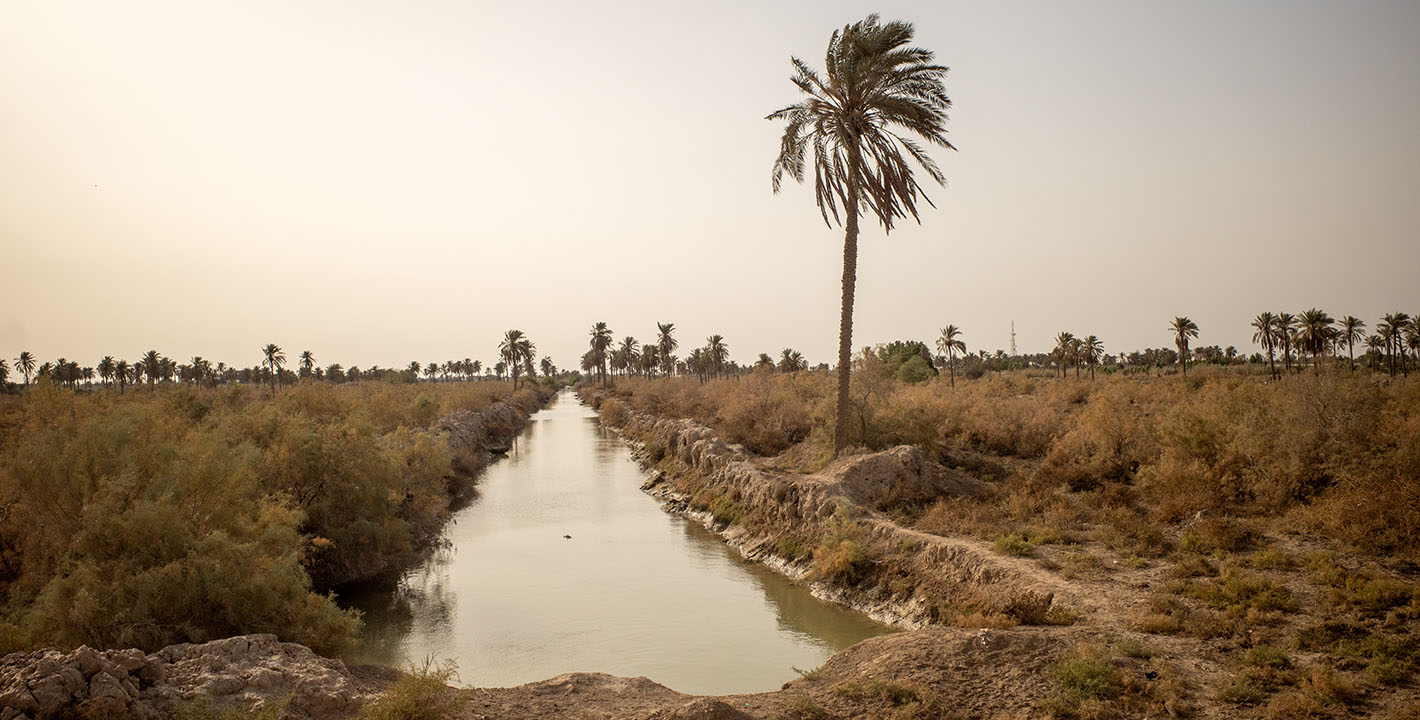
Across the Middle East and North Africa, climate stress interacts with economic fragility, governance failures, social marginalization, and conflict.

Camille Ammoun
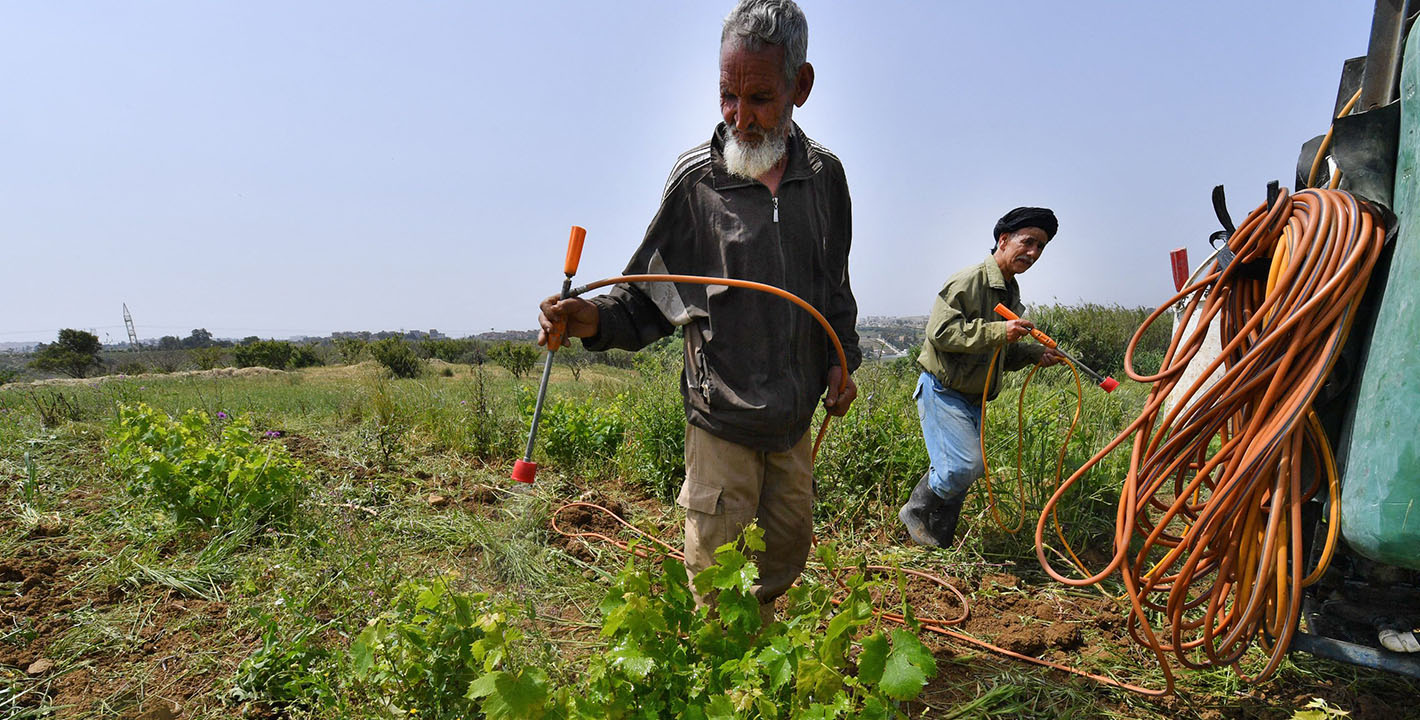
Understanding how farmers in the Oued Sahel-Soummam Valley grapple with climate change is essential for addressing the paradoxes through which adaptation, operating at both individual and institutional levels, deepens the region’s vulnerability and erodes the social fabric and agrarian identity that once defined life.

Ilyssa Yahmi
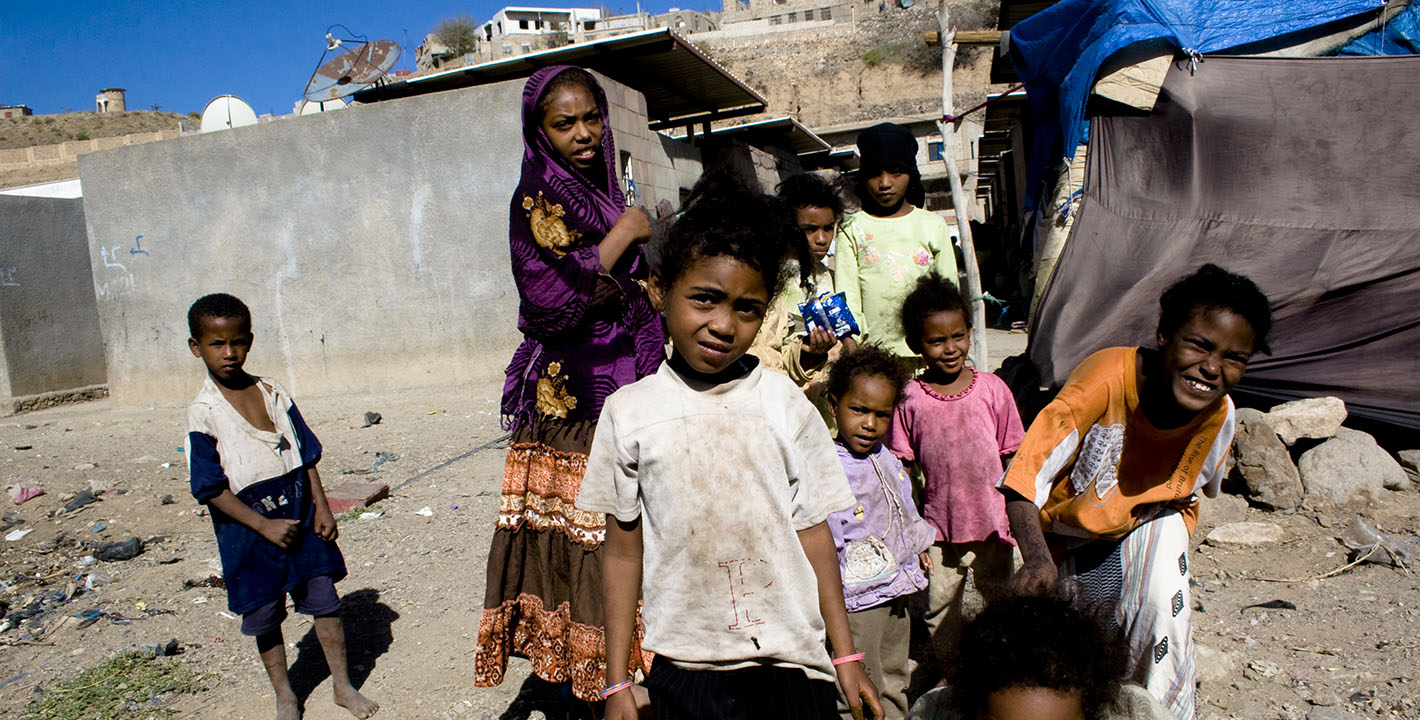
The community already suffers social discrimination, so addressing inequalities requires sustained interventions.
Musaed Aklan , Mohammad Al-Saidi