

Report
Mr. Husain Haqqani, Ashley J. Tellis
{
  "authors": [
    "Husain Haqqani"
  ],
  "type": "legacyinthemedia",
  "centerAffiliationAll": "dc",
  "centers": [
    "Carnegie Endowment for International Peace"
  ],
  "collections": [],
  "englishNewsletterAll": "ctw",
  "nonEnglishNewsletterAll": "",
  "primaryCenter": "Carnegie Endowment for International Peace",
  "programAffiliation": "russia",
  "programs": [
    "Russia and Eurasia"
  ],
  "projects": [],
  "regions": [],
  "topics": [
    "Political Reform"
  ]
}
REQUIRED IMAGE
Source: Carnegie
Reprinted from International Herald Tribune, Monday, December 22, 2003
WASHINGTON It would be better for French authorities to pay more attention to what is inside the heads of Muslims than to be distracted by what is worn on them. France's Jacobin secularism, with its imitations in the Muslim world, has been one of the reasons more enlightened interpretations of Islam have failed to dislodge the inward-looking medieval orthodoxy that has done much to feed hatred of the West.
Although the recent decision to ban conspicuous religious symbols from public schools applies as much to Jewish yarmulkes and Sikh turbans as to Muslim head scarves, it is Muslims who are most likely to construe it as an attack on their religion. And the perception that Islam itself, rather than its fanatical or violent manifestations, is under attack from an ascendant West has been the main source of recruitment for militant Islamist groups.
Many Muslims translate secularism as lack of religion, particularly in light of the historic attempts by Mustafa Kemal Ataturk in Turkey, the Baathists in Iraq and Syria, and Habib Bourguiba in Tunisia to enforce a brand of secularism similar to the one preferred by the French. Muslim societies might have embraced secular politics more readily if secularism had been seen as representing a commitment to religious tolerance and separation between clergy and state rather than as an attempt to suppress religious devotion.
Islam's first major secularist, Ataturk, paved the way for enforced and symbolic secularism at a time when several Muslim scholars were attempting to reinterpret Islamic texts in the light of modern ideas. Given the experience of reform movements in Judaism and Christianity, an Islamic reformation also needed an enlightened theology. But Ataturk showed no interest in the intellectual discourse of reform. He ordered men to shave, forbade the fez and the head scarf, issued decrees to close down religious schools and even mosques, and banned the call to prayer. As a result, in the Muslim mind secularism has become identified with eliminating religious tradition. France's latest decree will reinforce that sentiment.
American secularism is far more palatable to ordinary Muslims. In the United States, secularism is interpreted to mean that the state cannot promote any specific religion or its practices. Laws are made by elected legislatures but do not derive their sanction from religious texts. Although bigots may exist, as in all societies, the force of law is on the side of tolerance. In such an environment, a schoolgirl wearing a head scarf is not deemed to threaten the secular tradition. In fact, any effort to force anyone to change his or her dress, religiously ordained or not, is likely to be met with stiff resistance.
I know from personal experience that mind-sets, and not head scarves, are the real problem facing the world's Muslims. I grew up in a low-income neighborhood in Karachi during the 1960's, attended a religious school - a madrasa - part time and was surrounded by people strict about their religious observances. My father prayed five times a day, and my mother covered her head with religious devotion.
But my father, a struggling lawyer, also introduced me to diverse literature on Islam and other religions and encouraged me to educate myself about the suffering of all peoples. He taught me never to hate and shared literature about the Holocaust so that I would not grow up an anti-Semite or a Holocaust denier, especially in view of the easy availability of hate literature in our environment. He sent Christmas gifts to the only Christian family in our neighborhood.
My mother, a teacher, devoted herself to the education of young women, teaching in remote neighborhoods and offering to play host to the daughters of distant relatives so that they could go to school in the big city. She often cited the injunction of the prophet Muhammad, making the pursuit of knowledge obligatory for all Muslim men and women. During Hajj, the obligatory pilgrimage to Mecca, she admonished a member of the Saudi religious police for dictating to her what she must do. At the risk of being caned, she quoted from the Koran, "For you your religion and for me mine" and "There is no coercion in faith."
At 84, my mother still covers her head when she goes out in public. So do her two daughters, my sisters, but none of her daughters-in-law or granddaughters wear head scarves. My mother is devoutly religious and equally an advocate of religious tolerance and modernity. She has brought up children who oppose bigotry and extremism in the name of religion. She did not approve when the Taliban forced women to wear burkas, arguing that what one wears is a matter of personal choice.
Al Qaeda supporters want her to give up her moderation to qualify as religious. It's too bad Jacques Chirac's France wants her to give up her head scarf to qualify as a moderate.
The writer, a visiting scholar at the Carnegie Endowment for International Peace, served as an adviser to Prime Ministers Benazir Bhutto and Nawaz Sharif and as Pakistan's ambassador to Sri Lanka.
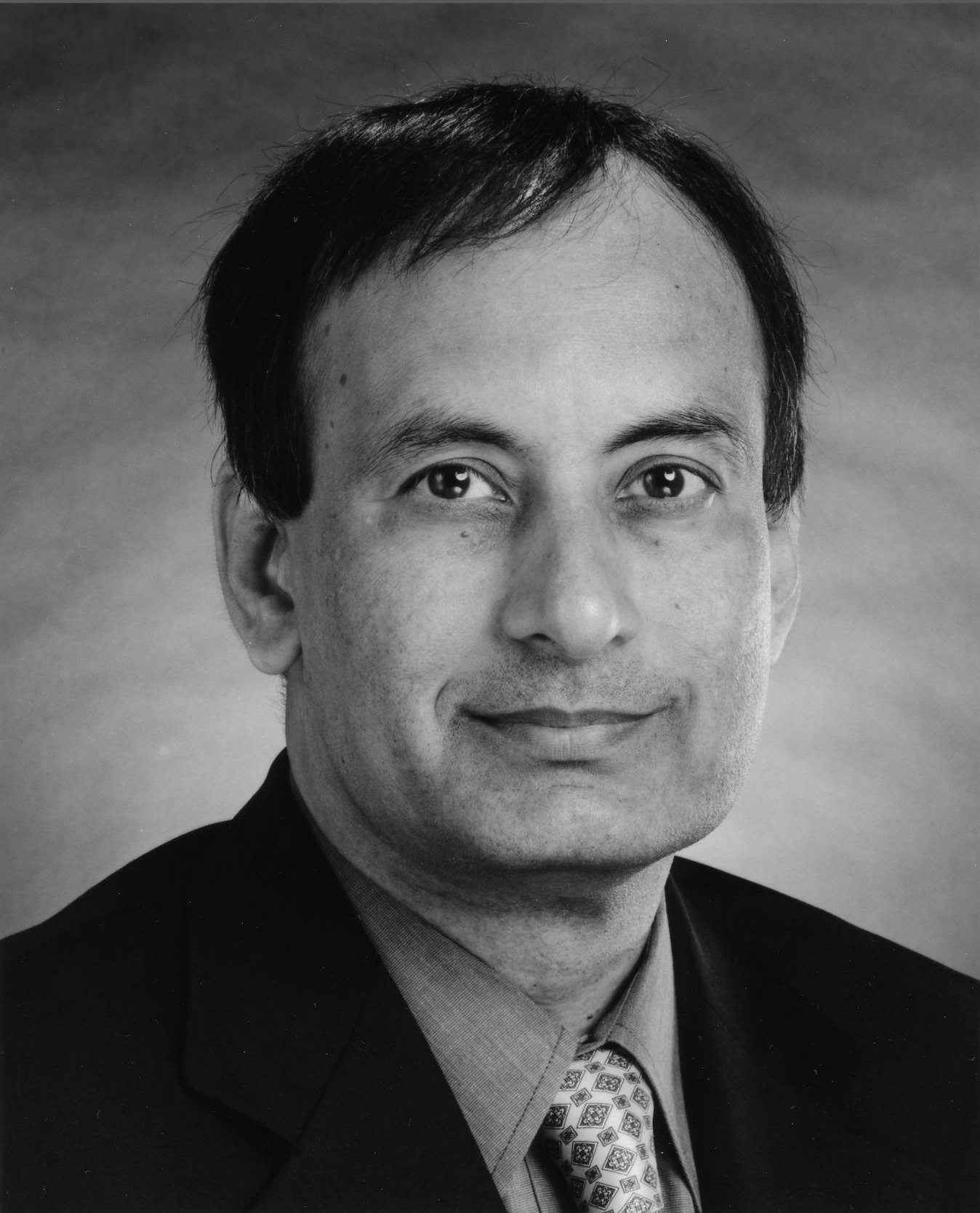
Former Visiting Scholar
Recent Work
Mr. Husain Haqqani, Ashley J. Tellis
Mr. Husain Haqqani
Carnegie does not take institutional positions on public policy issues; the views represented herein are those of the author(s) and do not necessarily reflect the views of Carnegie, its staff, or its trustees.
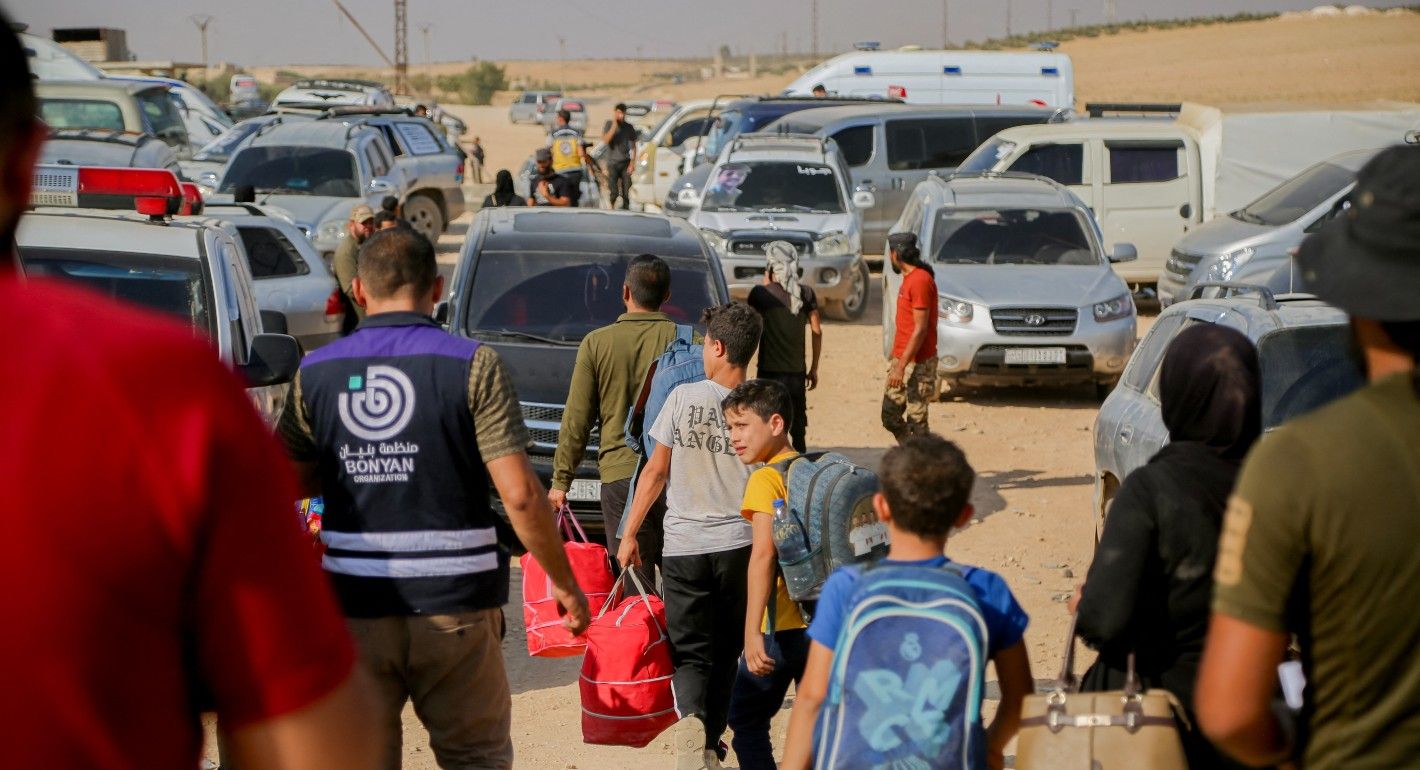
A humanitarian crisis in Lebanon deepens, and Syrian refugees face a perilous choice: remain in a war-torn environment or return to Syria where they risk encountering significant dangers and discrimination. There are significant challenges and risks to their search for safety in Syria.
Haid Haid
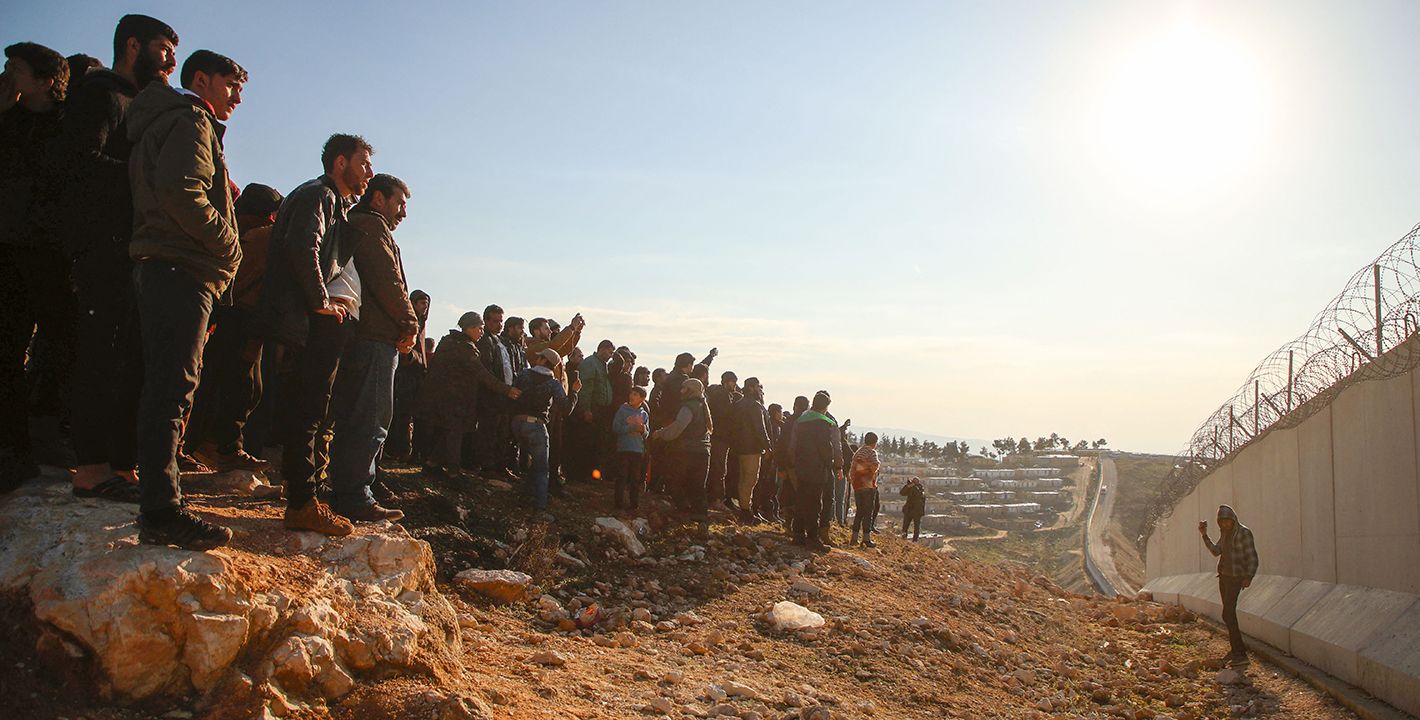
In Syria’s border regions, changes in demographics, economics, and security mean that an inter-Syrian peace process will require consensus among main regional powers that Syria must remain united, that no one side can be victorious, and that perennial instability threatens the region.

Kheder Khaddour, Armenak Tokmajyan
For many in the society, the post-Ben Ali years were mainly about successive economic crises and political instability.
Jasmine Khelil
As students around the United States and Europe protest, the relationship of Western elites with Israel is being redefined.

Michael Young
When U.S. Patriots shot down an Iranian missile over Erbil on April 15, Kurds wondered why such defenses weren’t activated when they were attacked.
Wladimir van Wilgenburg