

Paper
Mei Ying Gechlik (Veron Hung)
{
  "authors": [
    "Mei Ying Gechlik (Veron Hung)"
  ],
  "type": "other",
  "centerAffiliationAll": "dc",
  "centers": [
    "Carnegie Endowment for International Peace"
  ],
  "collections": [],
  "englishNewsletterAll": "asia",
  "nonEnglishNewsletterAll": "",
  "primaryCenter": "Carnegie Endowment for International Peace",
  "programAffiliation": "AP",
  "programs": [
    "Asia"
  ],
  "projects": [],
  "regions": [
    "East Asia",
    "China"
  ],
  "topics": [
    "Political Reform",
    "Democracy",
    "Economy",
    "Military"
  ]
}
REQUIRED IMAGE
Recognizing the growing public demand for democratization, the communist leadership of Beijing is prepared to enter a dialogue with Hong Kong democrats. Some in the U.S. Congress want to show solidarity with Hong Kong democrats and toughness toward Beijing by removing beneficial economic treatment that Hong Kong receives. This would be a mistake; better options exist.
Source: Carnegie Endowment
Demonstrations in Hong Kong highlight the ongoing struggle between its citizens and Chinese leaders over the course of democratization there. The United States has substantial economic stakes in Hong Kong, which would be threatened by political crisis. U.S. investment and trade interests depend on preservation of the rule of law in Hong Kong, while Hong Kong also is a bellwether for the political evolution of Greater China, including Taiwan.
Recognizing the growing public demand for democratization, the communist leadership of Beijing is prepared to enter a dialogue with Hong Kong democrats. However, the democrats’ leverage depends on their performance in the September 12 legislative elections. Some in the U.S. Congress want to show solidarity with Hong Kong democrats and toughness toward Beijing by removing beneficial economic treatment that Hong Kong receives. This would be a mistake; better options exist for Americans to help democratization in Hong Kong.
Click on link above for the full text of this Policy Brief.
A limited number of print copies are available.
Request a copy
About the Author
Veron Hung is an associate in the Carnegie Endowment’s China Program. She received her doctorate from Stanford University and has in-depth experience in Chinese law, and law and politics in the Asia-Pacific region. She is the author of China's WTO Commitment on Independent Judicial Review (Carnegie Paper No. 32).

Former Non-Resident Associate
Recent Work
Mei Ying Gechlik (Veron Hung)
Mei Ying Gechlik (Veron Hung)

The armed forces champion a form of capitalism that is generating revenue, but its reliance on rent faces diminishing returns, leaving the country with massive sunk costs and deferred returns, deepening dependency on external borrowing.

Yezid Sayigh
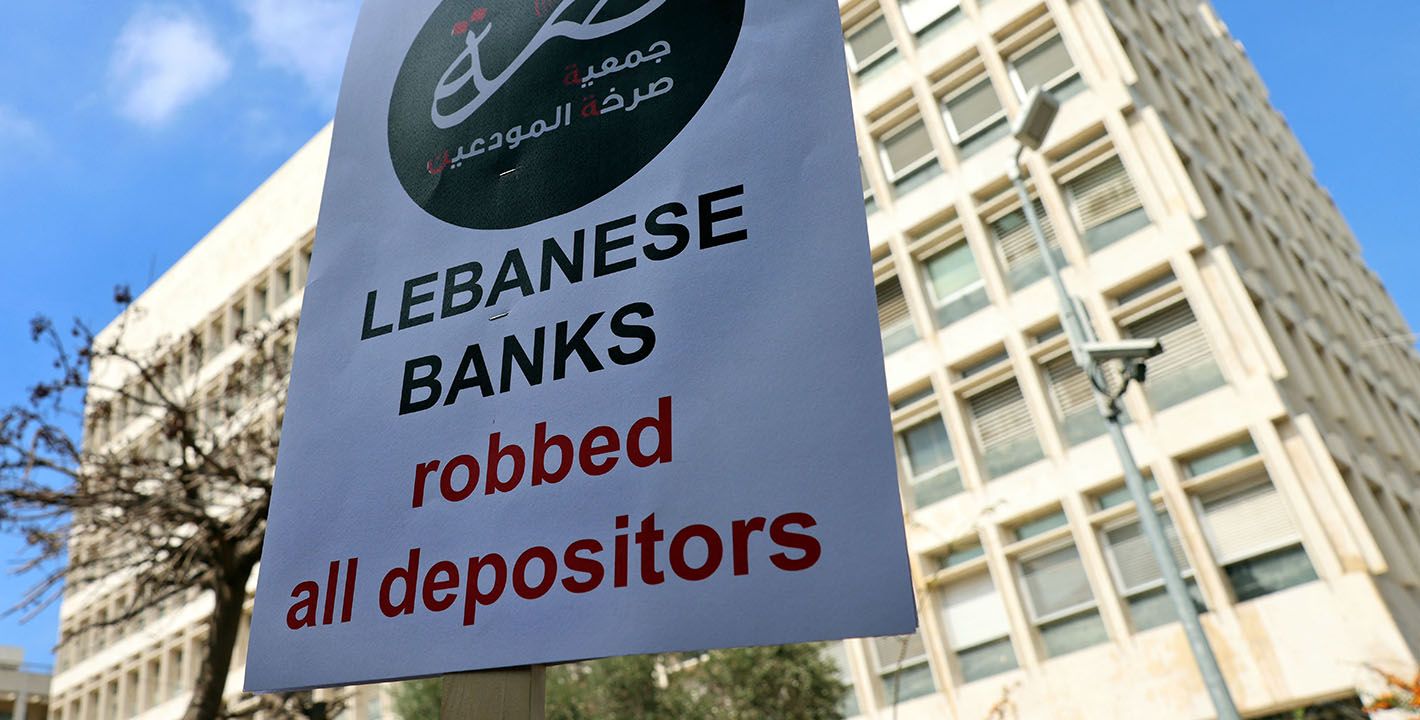
In an interview, Ishac Diwan looks at the merits and flaws in the draft legislation distributing losses from the financial collapse.

Michael Young

Mustaqbal Misr has expanded its portfolio with remarkable speed, but a lack of transparency remains.
Yezid Sayigh

Arab diaspora business communities in Egypt often mirror the same systemic challenges facing Egyptian businesses.

Nur Arafeh, Yezid Sayigh, Qaboul al-Absi, …

Largely characterized thus far by a single-minded focus on extractivism, Riyadh must commit to greater equitability in its approach to investment and development deals with Sudan, Ethiopia, and Eritrea.

Hesham Alghannam