• Research
  • Diwan
  • About
  • Experts
Carnegie Middle East logoCarnegie lettermark logo
LebanonIran
{
  "authors": [
    "Minxin Pei"
  ],
  "type": "legacyinthemedia",
  "centerAffiliationAll": "dc",
  "centers": [
    "Carnegie Endowment for International Peace"
  ],
  "collections": [],
  "englishNewsletterAll": "asia",
  "nonEnglishNewsletterAll": "",
  "primaryCenter": "Carnegie Endowment for International Peace",
  "programAffiliation": "AP",
  "programs": [
    "Asia"
  ],
  "projects": [],
  "regions": [
    "China"
  ],
  "topics": [
    "Military"
  ]
}
REQUIRED IMAGE

REQUIRED IMAGE

In The Media

A Turning Point in Beijing: With Jiang Gone, China Can Rebalance

Link Copied
By Minxin Pei
Published on Sep 21, 2004

Source: International Herald Tribune

Jiang Zemin's surprise resignation of his chairmanship of China's Central Military Commission on Sunday marks a critical turning point in an otherwise murky and uncertain process of leadership succession in Beijing that began nearly two years ago. By giving up his position as the commander-in-chief of China's armed forces, his last official title, Jiang has at last transferred all his power to Hu Jintao, the incumbent Chinese president and general secretary of the Communist Party.
Although Jiang's resignation has been hailed as a milestone in a peaceful transfer of power in modern Chinese political history, he has broken no precedent. By stepping down as the military chief two years after quitting as the president and the general secretary, Jiang has merely upheld the informal rule set by Deng Xiaoping, the former paramount leader. Deng retained his position as the chairman of the military commission at the Communist Party's 13th Congress in October 1987 and turned over the chairmanship to Jiang in November 1989. Consequently, Deng's example has laid down an implicit term limit: A retiring supreme leader may keep the military commission chairmanship for two years, but not longer.

Before Jiang's resignation, most observers of Chinese politics worried that he might want to stay beyond the informal two-year limit. Such an act would have seriously disrupted the continuing leadership transition and fueled a power struggle. Fortunately, Jiang's resignation has considerably brightened the prospect of a smooth transfer of power.

Frankly, though, even as we credit Jiang with this wise move, his resignation came a bit too late. Had he quit the military post two years ago and turned over all his authority to Hu, Jiang would have earned himself a place in Chinese history as the first supreme leader who had voluntarily given up all his official power upon retirement. Instead, Jiang has paid a heavy price for overstaying as the supreme leader. He was viewed widely as unwilling to cede the stage to Hu and his reputation has suffered. From this perspective, his belated resignation on Sunday has merely salvaged his political legacy.

Domestically, Jiang's departure will undoubtedly enable Hu to accelerate the consolidation of his power and control the political agenda. But this does mean that the challenges that confront China's new leadership will become less daunting.

After his ascent to power in 1989, Jiang presided over an unprecedented economic boom. But the single-minded pursuit of economic growth has also caused huge imbalances in Chinese society. While coastal regions have prospered, rural and interior areas have been neglected. Socioeconomic inequality has reached alarming levels and earned China the dubious distinction as the most unequal society in Asia.

Investment in public health and education, crucial to sustaining China's long-term economic development, has also suffered. Today, China spends about a third less than India on education, even though China's per capita income is 50 percent higher than India's. Fewer than 10 percent of rural residents have any health insurance. According to the World Health Organization, the overall performance of China's health care system lags behind that of India, Indonesia and Bangladesh. Worsening environmental degradation, estimated to cost between 8 percent and 10 percent of gross domestic product a year, is another byproduct of the pro-growth policy of the Jiang era.

While realigning China's development policy to address the mounting social deficits will require Hu and his colleagues to channel more investment into neglected regions, the most difficult and sensitive challenge they will face is what to do about the stagnation of the political system that has persisted since the Tiananmen tragedy in 1989.

After the suppression of the prodemocracy movement 15 years ago, the Communist Party has made no substantive progress in reforming an increasingly ossified political system. The freedom of the press remains severely constricted. Official rhetoric notwithstanding, the party's control of the judiciary has undermined the development of a strong legal system.

Village elections, perhaps the most notable democratic experiment under Jiang's rule, have not brought real democracy to most parts of rural China. And the Chinese leadership has resisted extending this experiment to towns, where genuine democratic competition would make a real difference. Such political stagnation has made the Communist Party unaccountable, spawned pervasive official corruption and alienated the public.

With Jiang's exit, Beijing's new leaders have a historic opportunity to tackle these monumental tasks. China - and the world - will be greatly served if they succeed in rebalancing China's growth strategy and liberalizing its politics.

About the Author

Minxin Pei

Former Adjunct Senior Associate, Asia Program

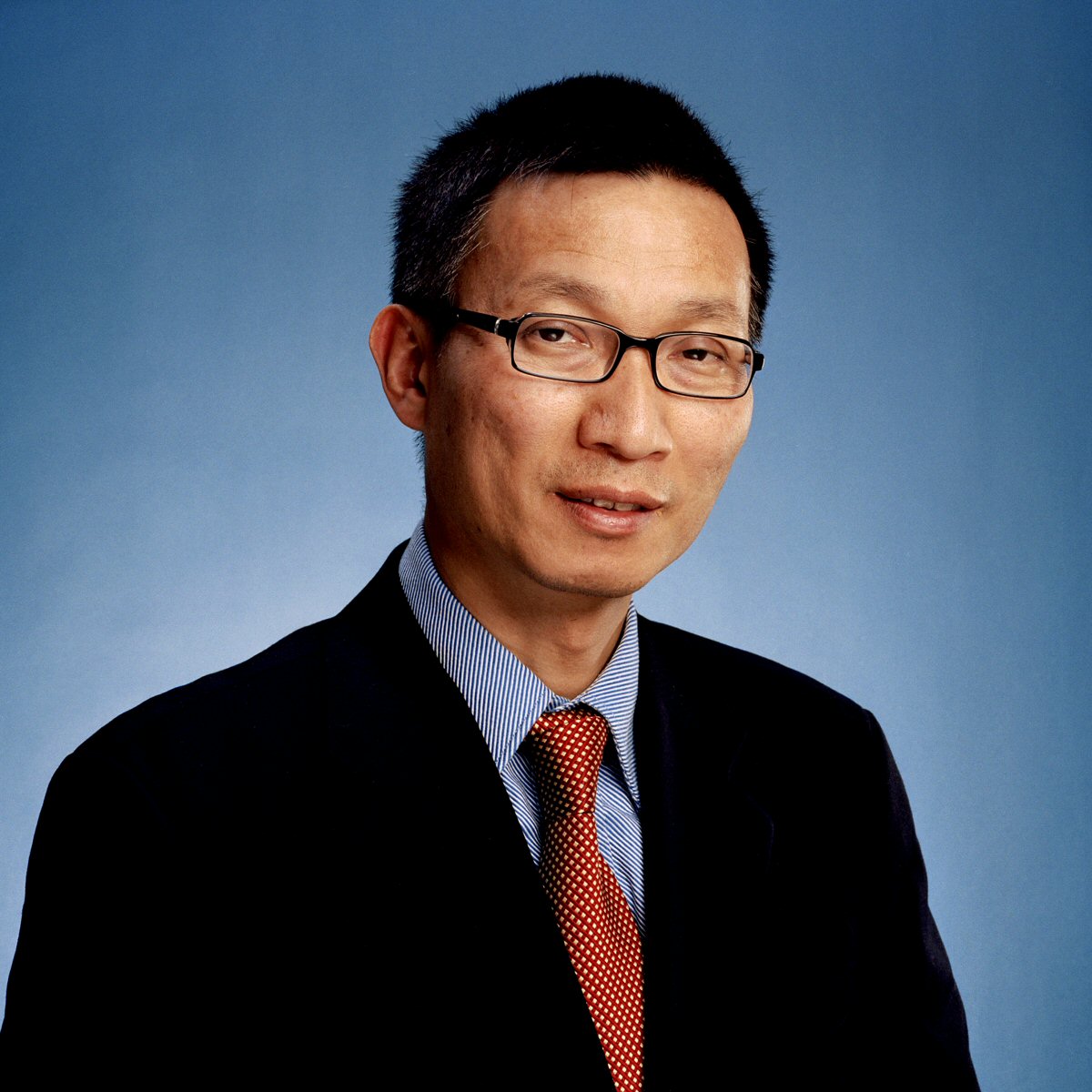
Pei is Tom and Margot Pritzker ‘72 Professor of Government and the director of the Keck Center for International and Strategic Studies at Claremont McKenna College.

    Recent Work

  • In The Media
    How China Can Avoid the Next Conflict

      Minxin Pei

  • In The Media
    Small Change

      Minxin Pei

Minxin Pei
Former Adjunct Senior Associate, Asia Program
Minxin Pei
MilitaryChina

Carnegie does not take institutional positions on public policy issues; the views represented herein are those of the author(s) and do not necessarily reflect the views of Carnegie, its staff, or its trustees.

More Work from Malcolm H. Kerr Carnegie Middle East Center

  • Commentary
    How China Aligned Itself with Saudi Arabia’s Vision 2030

    China has aligned its cooperation model with Saudi Arabia’s own priorities, most notably since the kingdom unveiled its Vision 2030. Although China announced the Belt and Road Initiative in 2013, the big push in relations happened only after the ascendance of King Salman to the throne in 2015 and Riyadh’s push for Beijing to meet Saudi needs.

      Hesham Alghannam
  • Article
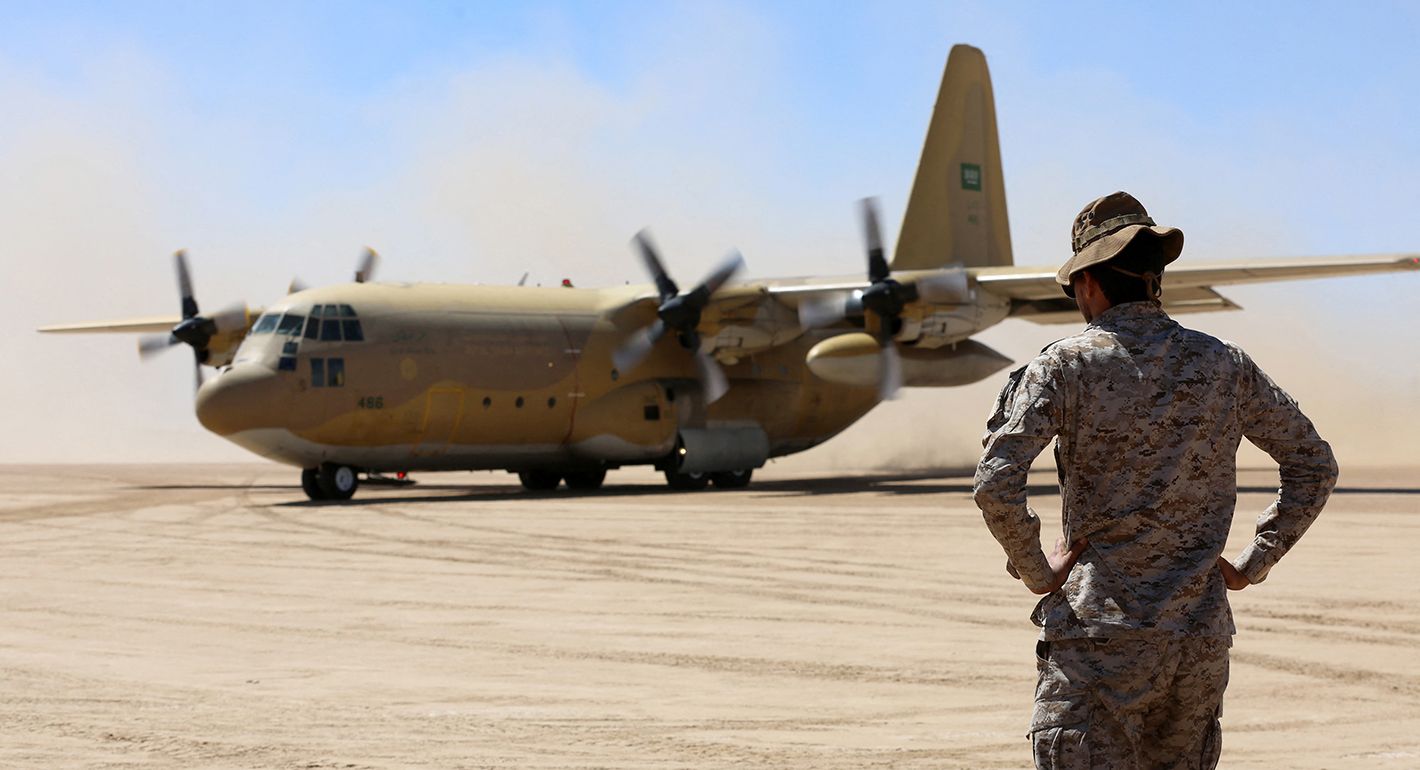
    How Gulf States Are Reinterpreting National Security Beyond Their Land Borders

    Gulf states such as Saudi Arabia and the UAE have determined that their national security goes beyond their physical borders. It is just as important to shield their airspace, territorial waters, and even maritime trade routes.
      Abdullah Baabood

  • Article
    The GCC’s Multipolar Pivot: From Shifting Trade Patterns to New Financial and Diplomatic Alliances

    The Gulf Cooperation Council has shifted its energy export focus to Asia, particularly India and China. This is part of a broader shift as GCC members look to expand their geopolitical alliances away from the West.
      Alexandre Kateb
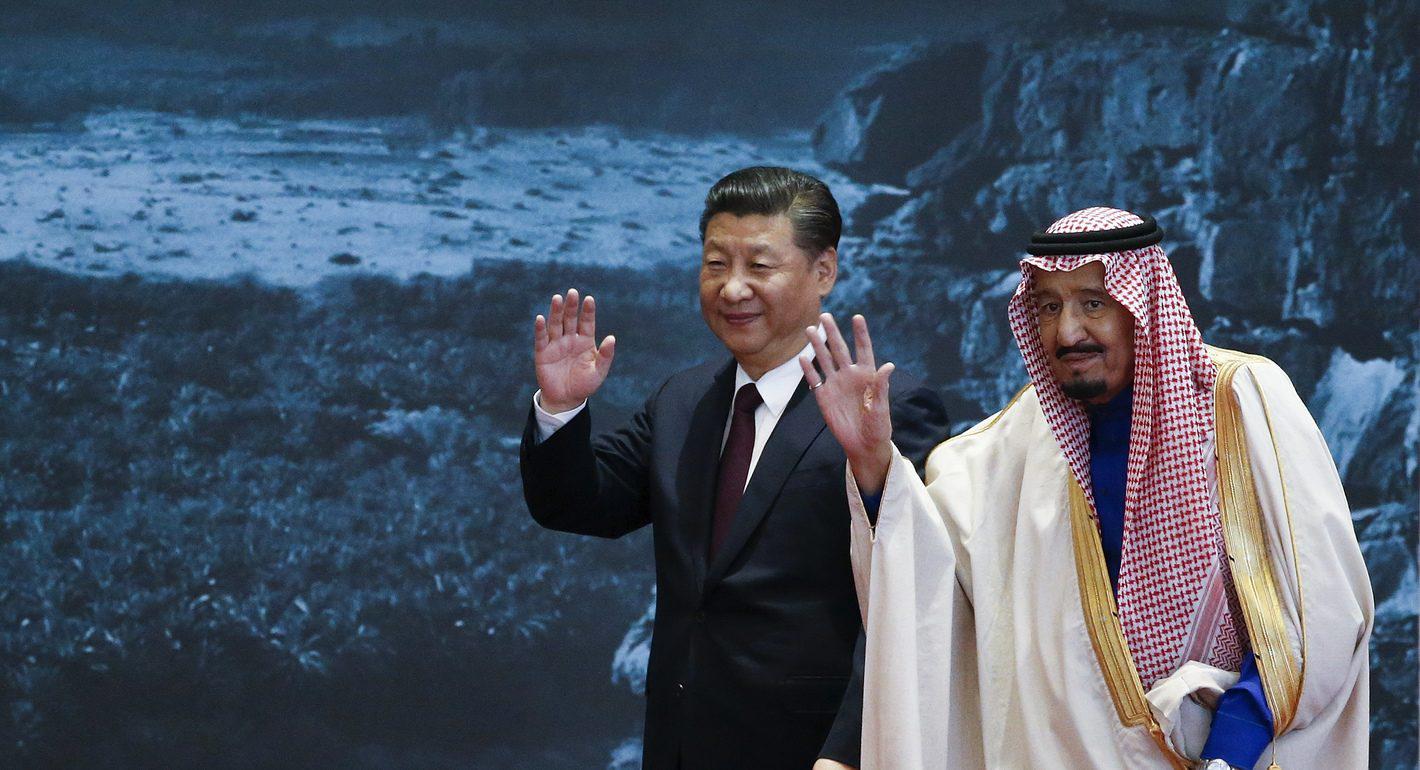
  • Commentary
    China’s Evolving Economic and Security Role in the Middle East

    The advantage that China has over other global powers, especially America, is that its foreign policy is closely aligned with those of many of the Middle Eastern countries.
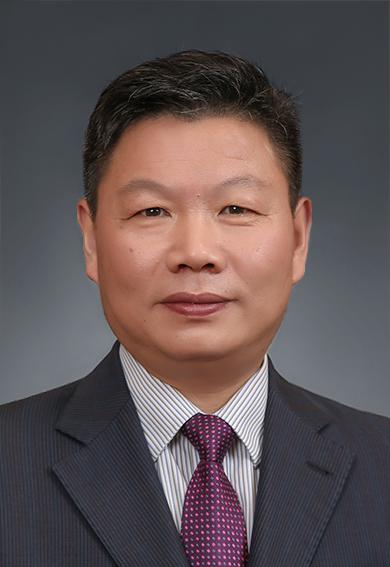

      Jin Liangxiang, Maha Yahya, Hesham Alghannam
  • Article
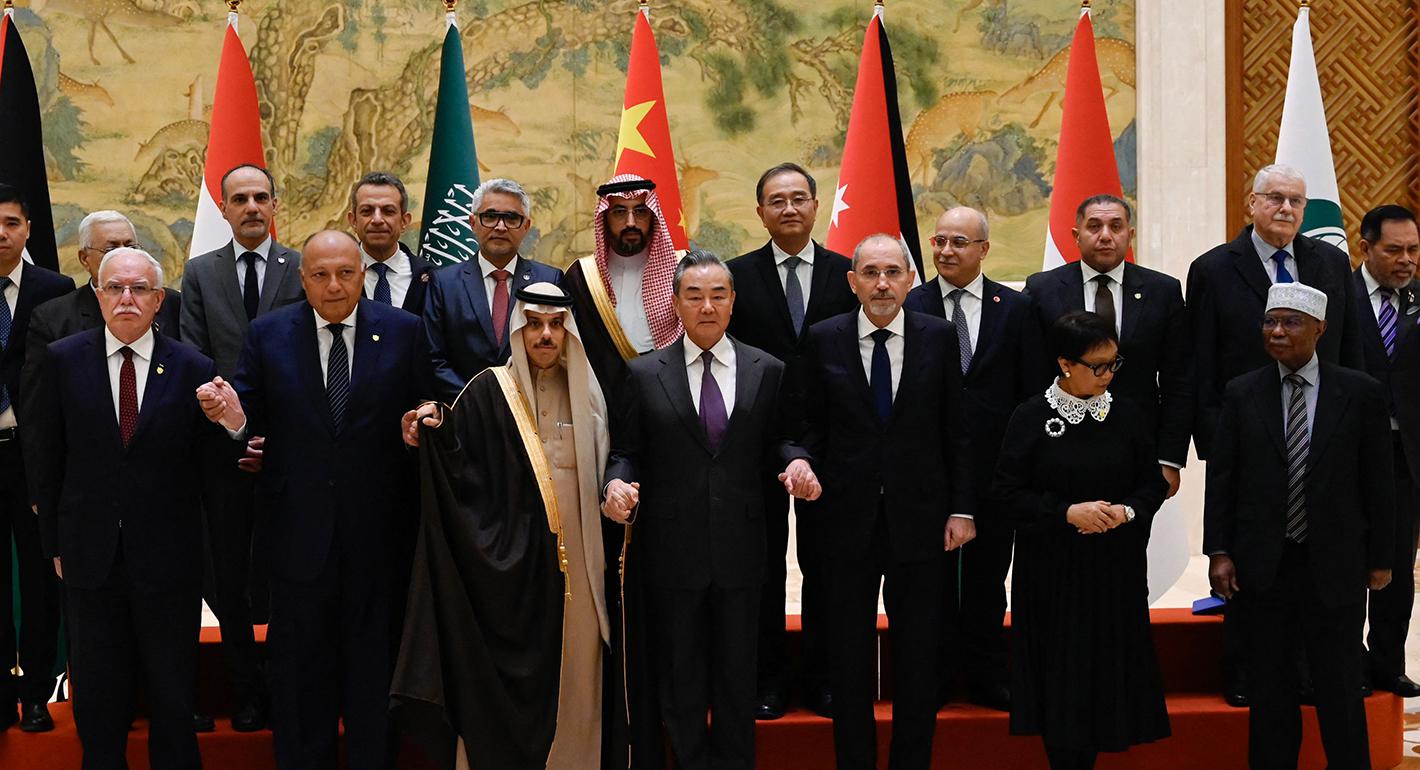
    The Geopolitics of Economic Development in the Middle East

    To create an environment more conducive to cooperation and development, U.S. and Chinese efforts should seek the endorsement of neighboring countries and regional organizations. Otherwise, regional and geopolitical rivalries will remain barriers.

      Abdullah Baabood

Get more news and analysis from
Malcolm H. Kerr Carnegie Middle East Center
Carnegie Middle East logo, white
  • Research
  • Diwan
  • About
  • Experts
  • Projects
  • Events
  • Contact
  • Careers
  • Privacy
  • For Media
Get more news and analysis from
Malcolm H. Kerr Carnegie Middle East Center
© 2026 Carnegie Endowment for International Peace. All rights reserved.