

In The Media
Minxin Pei
{
  "authors": [
    "Minxin Pei"
  ],
  "type": "legacyinthemedia",
  "centerAffiliationAll": "dc",
  "centers": [
    "Carnegie Endowment for International Peace"
  ],
  "collections": [],
  "englishNewsletterAll": "asia",
  "nonEnglishNewsletterAll": "",
  "primaryCenter": "Carnegie Endowment for International Peace",
  "programAffiliation": "AP",
  "programs": [
    "Asia"
  ],
  "projects": [],
  "regions": [
    "East Asia",
    "China",
    "Taiwan"
  ],
  "topics": [
    "Political Reform"
  ]
}
Source: Getty
There are two contradictions between China's internal dynamics and the requirements of an internationalist foreign policy. First, because nationalism legitimizes the Communist party, Beijing's leaders will be tempted to sacrifice long-term diplomatic objectives for short-term political gains. Second, a liberal internationalist foreign policy is incompatible with China's illiberal governance.
Source: Financial Times

Yet, in recent months, China's much-lauded “new diplomacy” has lost momentum. The self-confidence that many countries welcomed from Beijing has been replaced with the old clumsiness and bombastic rhetoric. For example, China reacted harshly to the visit by Lee Hsien Loong, Singaporean prime minister, to Taipei in July, even though Mr Lee went in his private capacity and before becoming prime minister. By overreacting, Beijing risks alienating Singapore's new leader and looking like a bully.
China's relations with Japan, already at a 10-year low point, have deteriorated further in recent months. China's ill-timed exploration for natural gas in the East China Sea area claimed also by Tokyo provoked a fresh bilateral row. In the Asian Cup soccer matches in China in August, Chinese fans relentlessly booed Japanese players. Beijing downplayed this incident; but not one Chinese leader publicly condemned the fans' behaviour and China's image in Tokyo has suffered.
Even Beijing's relationship with the US seems to be fraying. Unhappy with Washington's quick endorsement of the inaugural speech of Chen Shui-bian on May 20 - despite the Taiwanese president's effort to tone down his pro-independence agenda - Chinese leaders have since pressed the Bush administration to suspend arms sales to Taiwan. High-level meetings, such as on the recent visit to Beijing by Condoleezza Rice, the US national security adviser, were wasted on Chinese preoccupations about Taiwan instead of focusing on substantive issues. Such disarray in Beijing's diplomacy may have affected China's handling of the North Korean nuclear stalemate. After hosting three rounds of fruitless talks, China appears unable to broker a real deal, raising doubts about its commitment to a proactive internationalist agenda. The confident tone in official Chinese rhetoric has disappeared as well. Mr Hu embraced the idea of “China's peaceful rise” in a speech in March. Since then, the phrase has been quietly dropped from official pronouncements. Some senior leaders are said to have objected to it as a potential constraint on Beijing using force to prevent Taiwan's independence.
The most obvious cause of these diplomatic missteps is the intensifying power struggle in Beijing. It is an open secret that Jiang Zemin, the nominally retired former leader who remains commander-in-chief, has been attempting to preserve his influence even at the expense of Mr Hu's authority. Distracted, if not weakened, by internecine intrigue, China's new leaders lack the political capital to maintain the momentum of the “new diplomacy”.
At a deeper level, there are two contradictions between the internal dynamics of China's system and the requirements of an internationalist foreign policy. First, to the extent that Chinese nationalism provides legitimacy for the Communist party, Beijing's leaders will be constantly tempted to sacrifice long-term diplomatic objectives for short-term political gains. Sadly, Chinese conservatives are far more adroit at exploiting popular nationalist sentiments than their more liberal-minded colleagues and thus put the latter on the defensive, especially over Taiwan and Japan.
Second, a liberal internationalist foreign policy is incompatible with China's illiberal domestic order. Although an illiberal regime can occasionally demonstrate tactical brilliance in diplomacy, its execution of a constructive, long-term foreign policy will be undermined by the character flaws inherent in autocracies: insecurity, secrecy, intolerance and unpredictability. Viewed from this perspective, the recent reversals in China's diplomacy should come as no surprise. They merely underscore again how China's closed politics is hampering Beijing's quest for international respect.

Former Adjunct Senior Associate, Asia Program
Pei is Tom and Margot Pritzker ‘72 Professor of Government and the director of the Keck Center for International and Strategic Studies at Claremont McKenna College.
Recent Work
Minxin Pei
Minxin Pei
Carnegie does not take institutional positions on public policy issues; the views represented herein are those of the author(s) and do not necessarily reflect the views of Carnegie, its staff, or its trustees.

Huawei pushed hard to enter the Egyptian data centers market, until the Americans made a better offer.

Angie Omar

China has aligned its cooperation model with Saudi Arabia’s own priorities, most notably since the kingdom unveiled its Vision 2030. Although China announced the Belt and Road Initiative in 2013, the big push in relations happened only after the ascendance of King Salman to the throne in 2015 and Riyadh’s push for Beijing to meet Saudi needs.

Hesham Alghannam
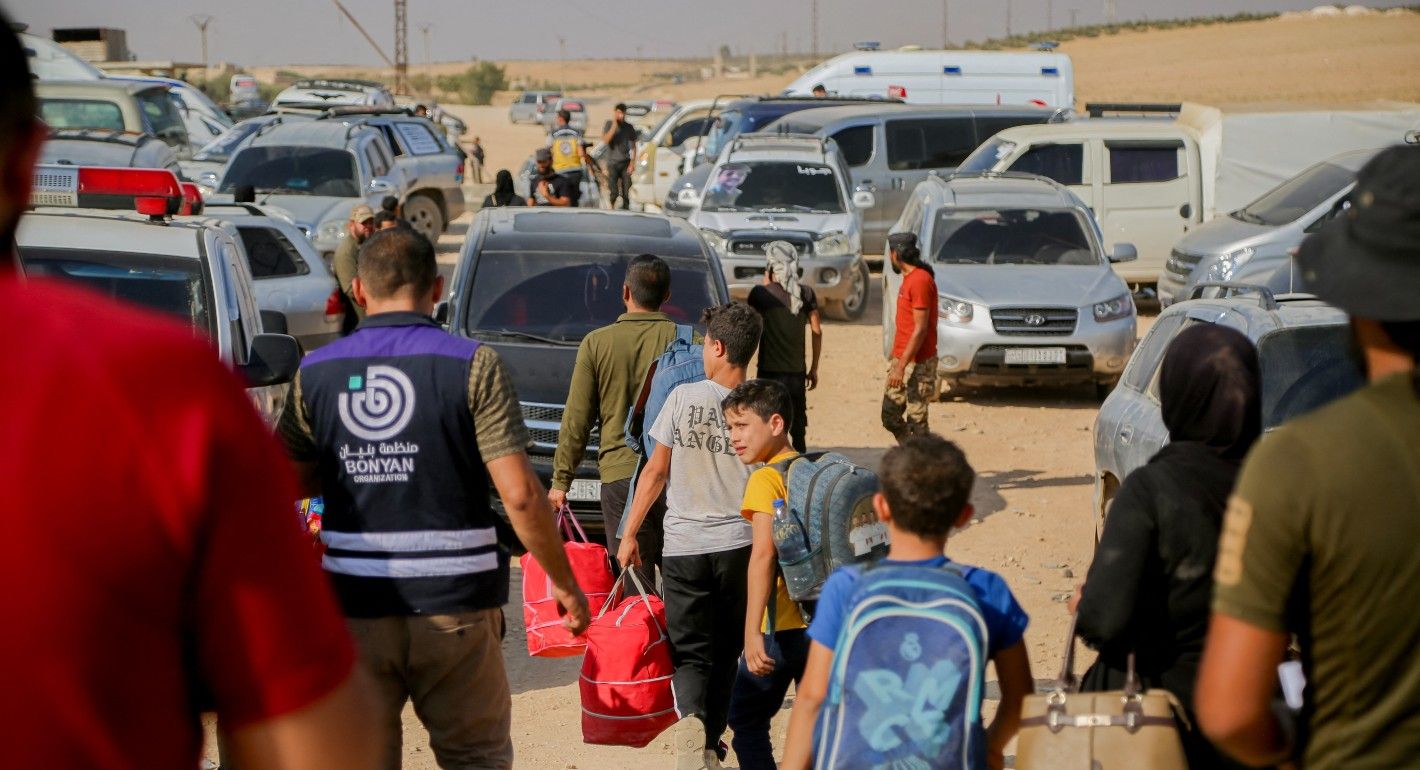
A humanitarian crisis in Lebanon deepens, and Syrian refugees face a perilous choice: remain in a war-torn environment or return to Syria where they risk encountering significant dangers and discrimination. There are significant challenges and risks to their search for safety in Syria.
Haid Haid
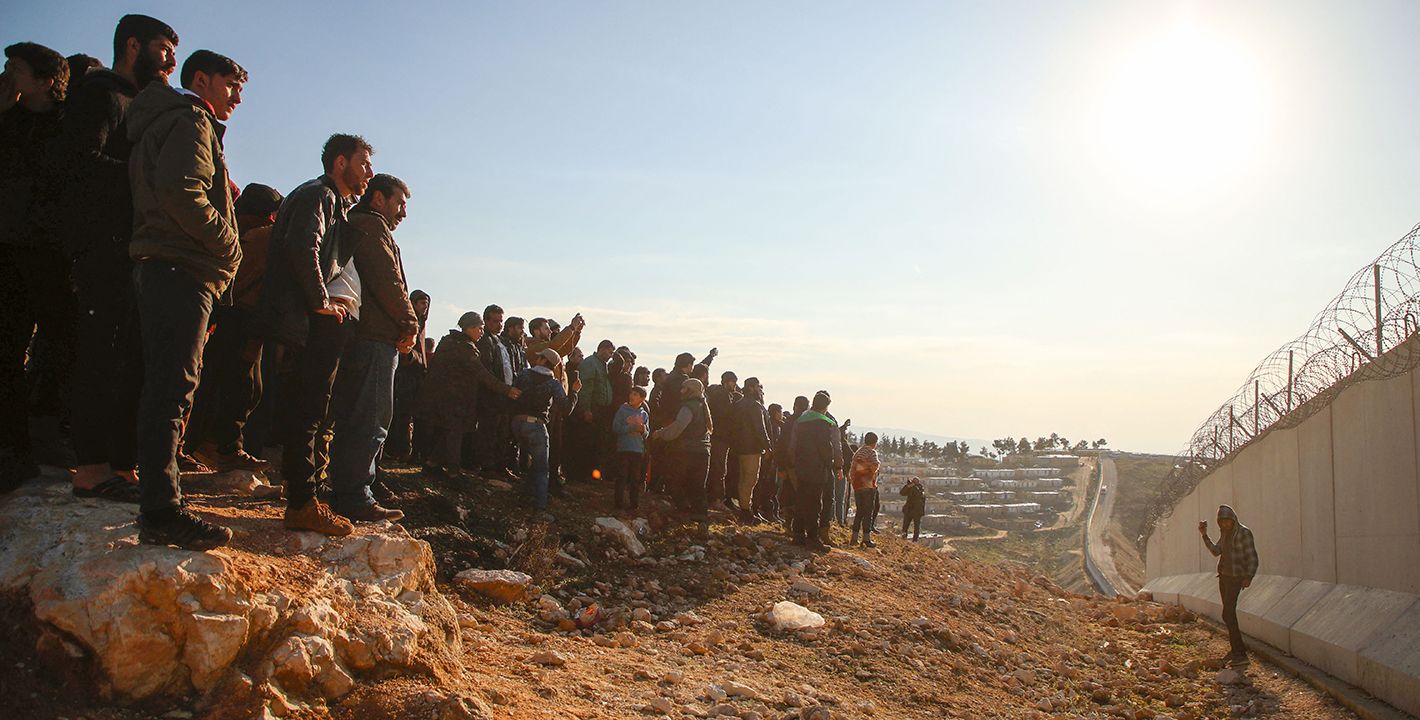
In Syria’s border regions, changes in demographics, economics, and security mean that an inter-Syrian peace process will require consensus among main regional powers that Syria must remain united, that no one side can be victorious, and that perennial instability threatens the region.

Kheder Khaddour, Armenak Tokmajyan
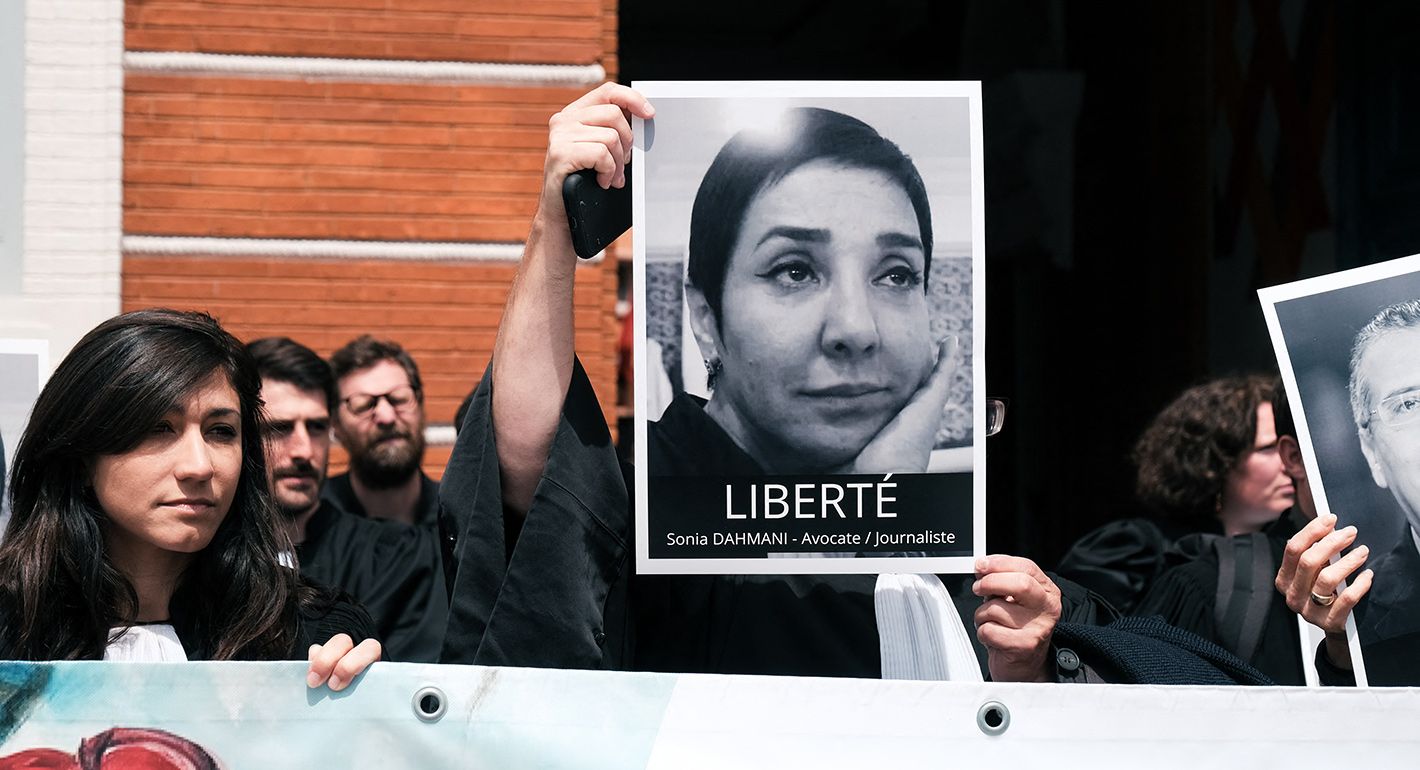
For many in the society, the post-Ben Ali years were mainly about successive economic crises and political instability.
Jasmine Khelil