Source: International Herald Tribune
When Pakistan's military ruler, General Pervez Musharraf, warned against the descent of an "iron curtain" between the West and the Islamic world, he appeared to put the onus of avoiding confrontation only on the West.
The Palestinian issue and the pre-emptive war in Iraq have undoubtedly accentuated anti-Western sentiment among Muslims from Morocco to Indonesia. But the conduct and rhetoric of Muslim leaders and their failure to address the stagnation of their societies has also fueled the tensions between Islam and the West.
Relations between Muslims and the West will continue to deteriorate unless the internal crisis of the Muslim world is also addressed.
After 9/11, General Musharraf switched support from Afghanistan's Taliban to the U.S.-led war against terrorism. He has since received a hefty package of U.S. military and economic assistance and spoken of the need for "enlightened moderation."
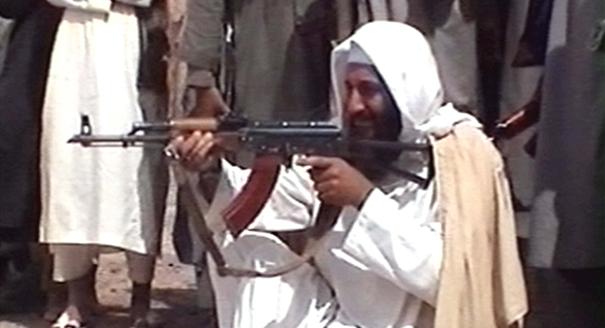
According to an opinion poll conducted by the Washington-based Pew Research Center as part of its Global Attitudes Survey, 86 percent of Pakistanis have a favorable view of General Musharraf while 65 percent also support Osama bin Laden. Bin Laden is viewed favorably by large percentages in other Muslim countries with "moderate" rulers.
Quite clearly, some Muslims find it possible to like Musharraf, who is regarded by the U.S. as the key figure in the hunt for bin Laden, while admiring his quarry at the same time. The contradiction speaks volumes about the general state of confusion in parts of the Muslim world, including Pakistan.
Instead of hard analysis, which thrives only in a free society, Muslims are generally brought up on propaganda, which is often state-sponsored. This propaganda usually focuses on Muslim humiliation at the hands of others instead of acknowledging the flaws of Muslim leaders and societies.
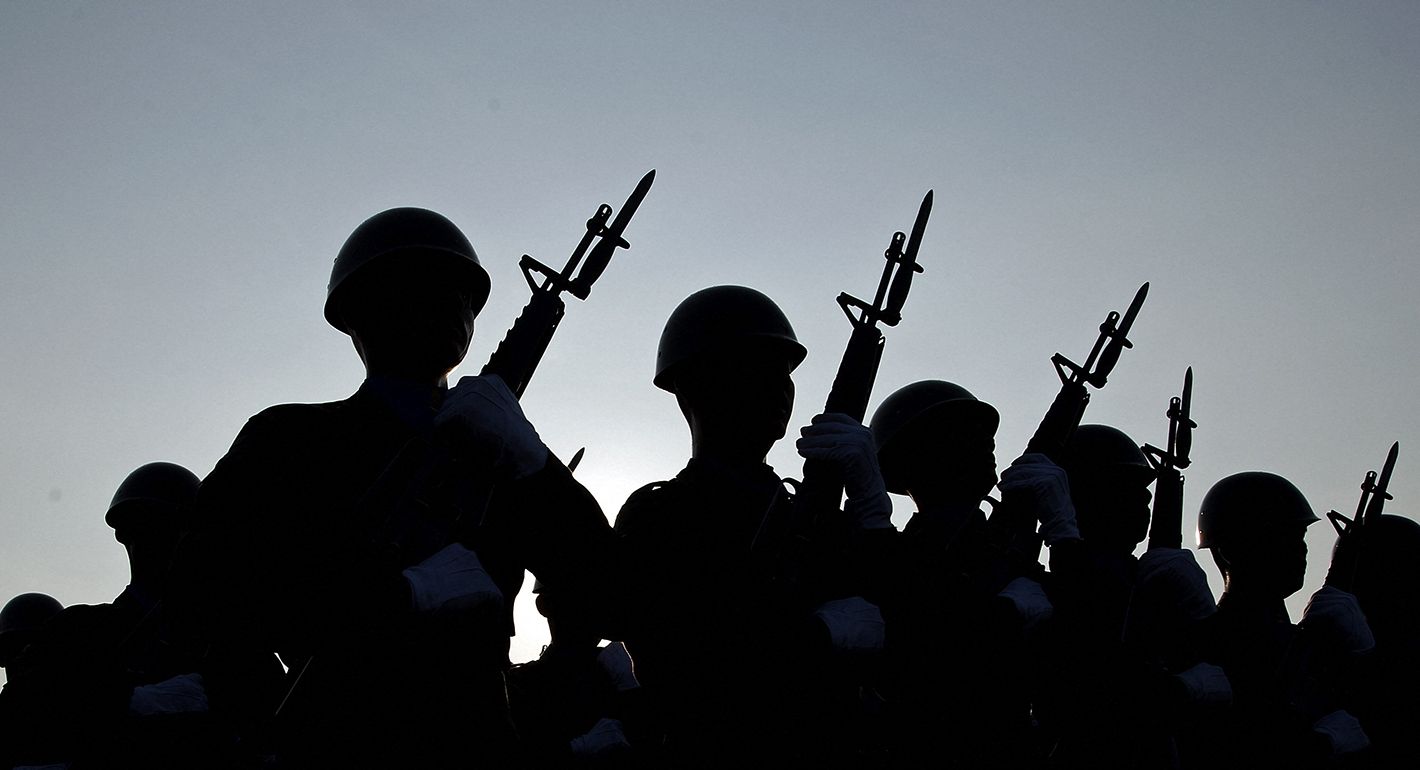
The focus on external enemies causes Muslims to admire power rather than ideas. Warriors, and not scholars or inventors, are generally the heroes of common people. In this simplistic "us vs. them" worldview, both Musharraf and bin Laden are warriors against external enemies.
Ringing alarm bells about an iron curtain between the West and the Islamic world without acknowledging the internal flaws of Muslim rulers and societies helps maintain the polarization as well as the flow of Western aid for the flawed rulers.
Ironically, a cult of the warrior has defined the Muslim worldview throughout the period of Muslim decline. Muslims have had few victories in the last two centuries, but their admiration for the proverbial sword and spear has only increased.
Textbooks in Muslim countries speak of the victories of Muslim fighters from an earlier era. Orators still call for latter-day mujahedeen to rise and regain Islam's lost glory. More streets in the Arab world are named after Muslim generals than men of learning. Even civilian dictators in the Muslim world like being photographed in military uniforms, Saddam Hussein being a case in point.
In the post-colonial period, military leaders in the Muslim world have consistently taken advantage of the popular fascination with military power. The Muslim cult of the warrior explains also the relatively muted response in the Muslim world to atrocities committed by fellow Muslims.
While the Muslim world's obsession with military power encourages violent attempts to "restore" Muslim honor, the real reasons for Muslim humiliation and backwardness continue to multiply. In the year 2000, according to the World Bank, the average income in the advanced countries (at purchasing price parity) was $27,450, with the U.S. income averaging $34,260 and Israel's income averaging $19, 320.
The average income in the Muslim world, however, stood at $3,700. Pakistan's per capita income in 2003 was a meager $2,060. Excluding the oil-exporting countries, none of the Muslim countries of the world had per capita incomes above the world average of $7,350.
National pride in the Muslim world is derived not from economic productivity, technological innovation or intellectual output but from the rhetoric of "destroying the enemy" and "making the nation invulnerable." Such rhetoric sets the stage for the clash of civilizations as much as specific Western policies.
Ironically, Western governments have consistently tried to deal with one manifestation of the cult of the warrior - terrorism - by building up Muslim strongmen who are just another manifestation of the same phenomenon.